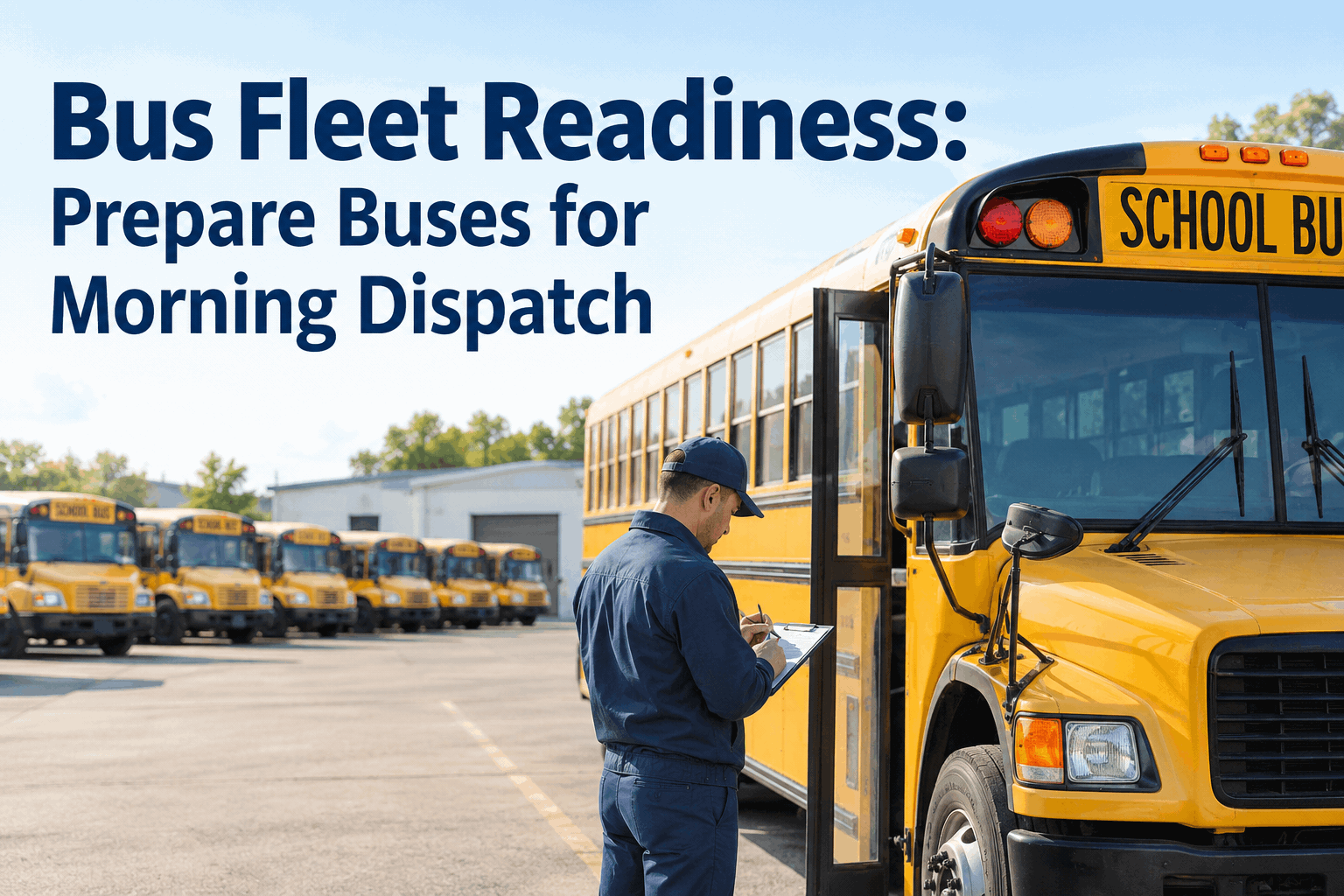
When you think of American manufacturing excellence, Thomas Built Buses stands as a testament to innovation, safety and reliability in the transportation sector. For over a century, this North Carolina-based manufacturer has been at the forefront of school bus design and production, setting industry standards that protect millions of children across the United States every day.
As manufacturing professionals, understanding Thomas Built's approach to innovation offers valuable insights into how traditional industries can evolve while maintaining their core mission. Their journey from a small streetcar company to a leader in school bus manufacturing demonstrates the power of continuous improvement and technological adaptation.
The Evolution of Safety-First Manufacturing
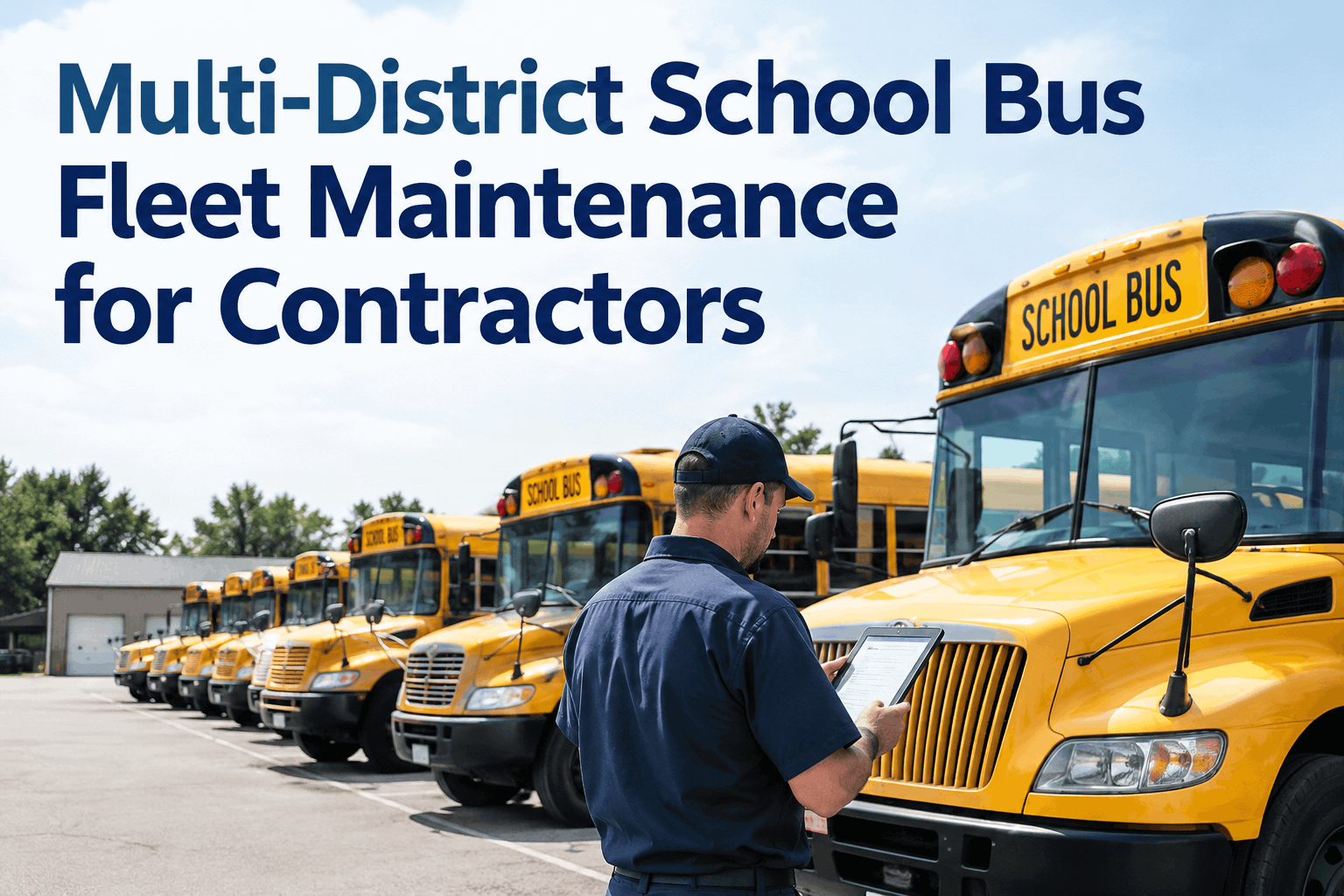
Thomas Built Buses has revolutionized school bus manufacturing by placing safety at the center of every design decision. Their Saf-T-Liner® C2 model, which represents 40% of their production line, incorporates advanced safety features that go beyond federal requirements.
The company's manufacturing process integrates sophisticated welding techniques and precision engineering that ensure structural integrity. Their High Point, North Carolina facility employs over 1,600 skilled workers who use state-of-the-art robotic welding systems alongside traditional craftsmanship. This hybrid approach ensures both consistency and quality control at every stage of production.
Manufacturing Innovation: Thomas Built's proprietary StepWell™ lighting system was developed through extensive R&D, reducing student boarding injuries by 25% in field tests.
What sets Thomas Built apart is their commitment to crash testing and safety validation. Unlike many manufacturers who rely solely on computer simulations, they conduct full-scale crash tests at their facility, providing real-world data that informs design improvements.
Pioneering Electric and Alternative Fuel Technologies
The shift toward sustainable transportation has positioned Thomas Built as an industry leader in electric school bus manufacturing. Their Saf-T-Liner® C2 Jouley electric bus, developed in partnership with Proterra, represents a significant leap in clean transportation technology.
Manufacturing these electric buses requires entirely new production processes. The High Point facility underwent a $7 million renovation to accommodate battery installation lines and specialized testing equipment. This investment demonstrates how traditional manufacturers can adapt to emerging technologies while maintaining production efficiency.
The electric bus production line operates with a 15% higher efficiency rate compared to traditional diesel bus assembly, thanks to fewer moving parts and streamlined battery integration processes. For manufacturing professionals, this showcases how electrification can actually simplify certain aspects of production while requiring new expertise in others.
Ready to transform your manufacturing operations with cutting-edge technology?
Getting Started Book a DemoAdvanced Manufacturing Technologies and Industry 4.0 Integration
Thomas Built has embraced Industry 4.0 principles throughout their manufacturing operations. Their implementation of IoT sensors on the production line provides real-time data on quality metrics, enabling predictive maintenance and reducing downtime by approximately 30%.
The company's use of digital twin technology allows engineers to simulate and optimize production processes before implementing changes on the factory floor. This approach has reduced new model development time from 36 months to just 24 months, a significant competitive advantage in the evolving transportation market.
Their quality assurance process incorporates machine vision systems that inspect over 200 critical points on each bus, ensuring consistent quality across thousands of units annually. This level of automation, combined with skilled human oversight, exemplifies the future of American manufacturing.
Supply Chain Excellence and Local Manufacturing Impact
Thomas Built's commitment to American manufacturing extends throughout their supply chain. Over 85% of their components are sourced from U.S. suppliers, creating a robust ecosystem of manufacturing partners across the country.
Their just-in-time manufacturing approach, refined over decades, minimizes inventory costs while ensuring production flexibility. The company maintains strategic partnerships with over 300 suppliers, many of whom have co-located facilities near the High Point campus to optimize logistics and reduce transportation costs.
Economic Impact: Thomas Built Buses supports over 8,000 indirect jobs through their supplier network, contributing approximately $1.2 billion annually to the U.S. economy.
This localized supply chain strategy not only supports American jobs but also provides greater resilience against global disruptions, as demonstrated during recent supply chain challenges. Manufacturing professionals can learn from their approach to building redundancy and flexibility into supplier relationships.
Conclusion: Driving the Future of American Manufacturing
Thomas Built Buses exemplifies how American manufacturers can maintain leadership in traditional industries while embracing innovation. Their journey from producing wooden-bodied buses to manufacturing sophisticated electric vehicles demonstrates the importance of continuous adaptation and investment in new technologies.
For manufacturing professionals, Thomas Built's success offers several key lessons: the importance of safety-driven design, the value of early adoption of new technologies, the benefits of Industry 4.0 integration, and the strength of maintaining robust local supply chains. As the transportation industry continues to evolve, Thomas Built Buses remains positioned at the forefront, proving that American manufacturing can compete and lead on the global stage.
The future of school bus manufacturing will undoubtedly bring new challenges, from autonomous driving capabilities to further environmental regulations. However, Thomas Built's track record of innovation and their commitment to safety and quality position them well for whatever comes next.
Discover how advanced manufacturing solutions can revolutionize your operations
Getting Started Book a Demo