Skilled bus maintenance technicians are the backbone of reliable fleet operations. A technician trained in advanced diagnostics, ASE certification, and modern CMMS systems can identify and fix issues before they become expensive roadside breakdowns. Fleets with certified technicians reduce reactive repairs by 35-40% and extend bus lifespan by 18-24 months. Yet many transportation operators still lack systematic technician training programs. This guide explores the training programs, certifications, and upskilling paths that separate high-performing maintenance teams from struggling ones. Bus technician training, mechanic certification programs, and fleet maintenance education directly impact your bottom line through reduced downtime, improved safety, and lower replacement costs.
Training Programs That Improve Bus Maintenance Skills
ASE certification, hands-on training, and upskilling paths for technicians. Reduce breakdowns 35%. Extend vehicle lifespan 18+ months.
ASE certification stands for Automotive Service Excellence and is the gold standard for bus and diesel truck technicians. The National Institute for Automotive Service Excellence administers rigorous exams covering seven critical areas for school bus technicians: diesel engines, transmissions, air brakes, hydraulic brakes, suspension/steering, electrical systems, and HVAC. Certified technicians earn approximately 20% more than non-certified counterparts across all career stages. More importantly, ASE-certified technicians demonstrate competency verified through both classroom knowledge and a minimum of two years of hands-on shop experience. To qualify for ASE certification, technicians must pass rigorous exams and provide verifiable evidence of relevant work experience. Accredited training programs like those offered through UTI (Universal Technical Institute) allow graduates to substitute their training for one year of the required work experience, accelerating the path to certification. The certification process itself sends a message to your fleet operators: these technicians are vetted, knowledgeable, and committed to professional excellence. Many transportation agencies now require ASE certification as a hiring baseline, recognizing the correlation between certification and job performance.
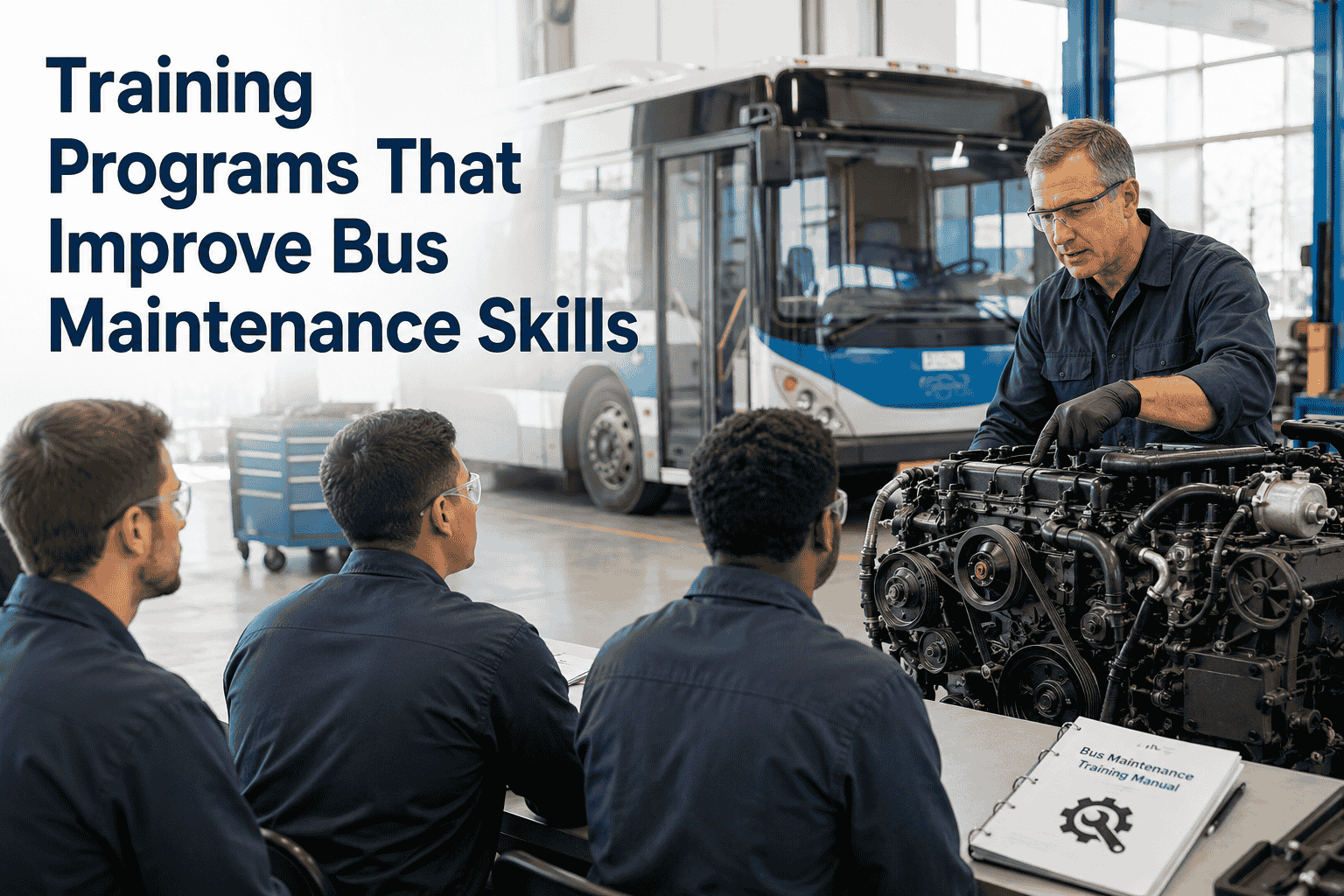
Theoretical knowledge alone doesn't make a qualified bus technician. Hands-on training programs provide practical experience with actual buses, diesel engines, brake systems, and electrical diagnostics. Universal Technical Institute's Diesel Technology program is recognized by the ASE Education Foundation and can be completed in 45 weeks. Graduates gain practical skills in diagnosis and repair that directly apply to fleet operations. The program combines classroom instruction with real work on donated and customer vehicles, simulating actual shop environments. Regional community colleges and trade schools across the United States also offer comprehensive bus maintenance training programs. Many feature partnerships with local transit agencies and school districts, ensuring curriculum aligns with industry needs. These programs teach troubleshooting methodologies, safety procedures, hydraulic and air brake systems, suspension diagnostics, and modern electronics. The best technician training programs include simulator-based training for complex systems, allowing technicians to practice diagnostics without damaging actual equipment. Some programs integrate CMMS (Computerized Maintenance Management System) training, teaching technicians how to document work, close maintenance orders, and contribute to compliance records. This digital fluency is increasingly essential as fleets transition to software-based maintenance tracking. Investment in structured training programs during early career stages sets technicians on a path to advanced specialization. Technicians trained on proper methodologies, safety protocols, and diagnostic approaches become more valuable as they gain experience.
Computerized Maintenance Management Systems (CMMS) have transformed how technicians document work, track parts, and contribute to fleet data. Many technicians trained in traditional mechanical repair feel hesitant about software systems. Yet CMMS proficiency is now essential. Technicians need to log work orders, document repairs, track parts consumption, and capture data that drives fleet analytics. Training programs should include role-specific CMMS instruction. Technicians learn how to clock in, accept assigned work orders, document what they did, capture photos of defects, note parts used, and close orders with accurate completion data. Dispatchers need different training: understanding vehicle maintenance holds, checking PM status, and recognizing when buses need to go into the shop. Supervisors need training on work order creation, assignment logic, technician performance monitoring, and exception handling. Training should be hands-on, using your actual CMMS platform with sample data. Video tutorials help technicians learn at their own pace. Quick reference guides posted in the shop and maintenance bays reduce reliance on memory. The goal is CMMS adoption within 6-8 weeks. Fleets that train thoroughly achieve 85%+ system adoption and see data quality improve within two months. Fleets that skip training or provide minimal instruction see adoption rates of 30-40% and struggle to build accurate maintenance histories.
Bus fleets are undergoing rapid electrification. School district fleets that operated 100% diesel buses two years ago are now deploying 25-35% electric buses. Yet technicians trained exclusively on diesel engines lack the expertise to maintain high-voltage battery systems, thermal management, regenerative braking, and electric drivetrains. EPA-approved EV training programs address this gap. The xEV Electrical Safety Awareness Certification covers high-voltage safety protocols essential for working on electric buses. The Electric Vehicle Infrastructure Training Program (EVITP) prepares electricians for charging infrastructure maintenance and troubleshooting. These certifications complement traditional ASE credentials, positioning technicians for the electrified future. Advanced systems training extends beyond propulsion. Modern buses feature integrated telematics, real-time diagnostic monitoring, and automated fault detection. Technicians trained to interpret telematics data can predict component failures before they occur. They understand engine parameter messaging, can diagnose through software rather than just mechanical symptoms, and contribute to predictive maintenance programs. The gap between fleets with advanced training and those without is widening. Technicians trained in modern diagnostics fix buses faster. They reduce mean time to repair (MTTR) by 25-35%. They identify root causes instead of just replacing failed parts. They contribute to a culture of continuous improvement rather than reactive firefighting. Investing in advanced training pays dividends through higher technician satisfaction, lower turnover, and fleet reliability that translates to on-time performance and passenger satisfaction.
Certified technicians with CMMS proficiency and advanced systems training are your competitive advantage. Fleets investing in structured training programs see 35-40% fewer breakdowns, 20% higher technician wages, and 24-month bus lifespan extensions. ASE certification is non-negotiable. Hands-on CMMS training accelerates adoption. Advanced systems training positions your fleet for electrification. The choice is clear: train systematically or fall behind operationally and financially.
Bus maintenance excellence starts with technician training. ASE certification ensures industry-standard competency. Hands-on programs build practical skills. CMMS training enables digital fluency. Advanced systems training prepares for electrification and modern diagnostics. A technician trained across all these domains contributes to fleet reliability that translates directly to passenger safety, operational uptime, and cost reduction. The median annual salary for bus and diesel technicians in the United States is $60,640 according to the Bureau of Labor Statistics. Yet certified technicians earn 20% more. Fleets with trained, certified teams operate at 85%+ PM compliance and see reactive repairs decline by 35-40%. The ROI on technician training programs is measurable and immediate.
"We implemented ASE certification requirements and CMMS training together. Within six months, our technicians were completing work orders 35% faster and capturing data we'd never had before. Preventive maintenance compliance jumped from 62% to 91%. Our maintenance manager finally had visibility into which buses were consuming disproportionate resources. We're planning to expand EV training next year as we add electric buses to the fleet. Best investment we made in team development."
— Fleet Director, Regional Transit Authority (850-bus operation)