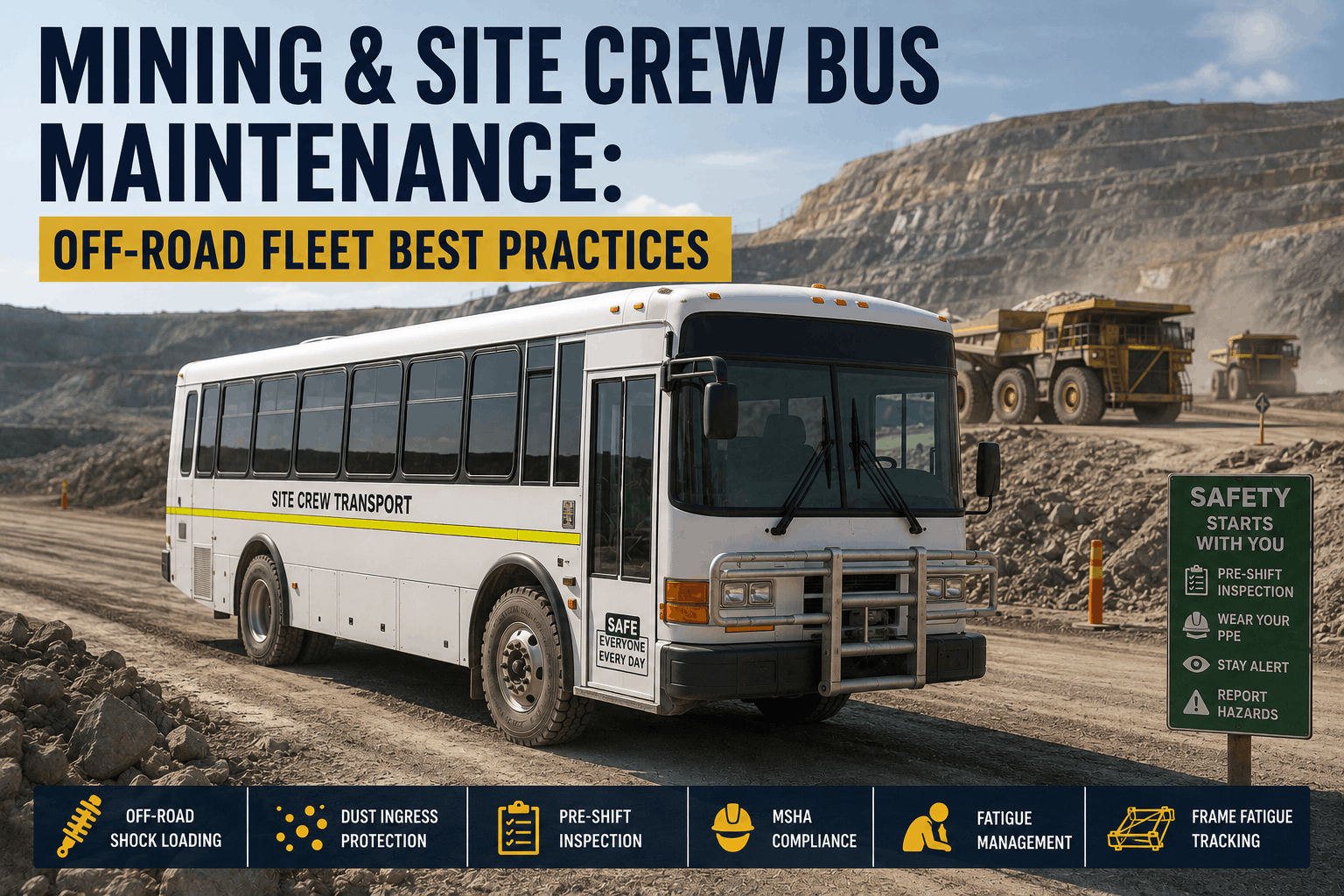
Driver safety and compliance represent the cornerstone of successful bus fleet operations across US transportation systems. With increasing regulatory demands and the critical responsibility of passenger safety, fleet operators must implement comprehensive strategies that protect drivers, passengers, and communities while maintaining operational efficiency.
The integration of advanced technologies, particularly Bus CMMS platforms, has revolutionized how fleet managers approach driver safety management. These systems provide real-time monitoring, automated compliance tracking, and predictive analytics that transform safety from a reactive concern to a proactive strategy.
Recent industry data shows that fleets implementing comprehensive safety programs through Bus CMMS systems experience up to 47% reduction in preventable accidents and 62% improvement in compliance audit scores. This dramatic improvement underscores the critical importance of systematic approaches to driver safety management.
Practice #1: Comprehensive Driver Training Programs
Critical Training Components
- Defensive Driving Techniques: Advanced maneuvering skills, hazard recognition, and emergency response protocols
- Regulatory Compliance: DOT regulations, hours of service requirements, and local transportation laws
- Technology Proficiency: Electronic logging devices, GPS systems, and safety monitoring equipment
- Passenger Management: De-escalation techniques, ADA compliance, and customer service excellence
Modern Bus CMMS platforms integrate training management modules that track certification status, schedule refresher courses, and document competency assessments. This systematic approach ensures no driver operates without current qualifications and proper training documentation.
Practice #2: Real-Time Driver Behavior Monitoring
Advanced telematics integration with Bus CMMS systems enables continuous monitoring of driver behaviors that impact safety and compliance. Real-time data collection provides immediate insights into potentially dangerous patterns before accidents occur.
Key Monitoring Metrics
- Speed Management: Tracking speed violations, rapid acceleration, and harsh braking events
- Route Adherence: Monitoring unauthorized route deviations and schedule compliance
- Idle Time Analysis: Identifying excessive idling that indicates fatigue or distraction
- Mobile Device Usage: Detecting phone use while driving through integrated monitoring systems
Fleet managers utilizing comprehensive monitoring through Bus CMMS report 38% reduction in risky driving behaviors within the first six months of implementation.
Practice #3: Fatigue Management and Hours of Service Compliance
Driver fatigue remains one of the leading causes of commercial vehicle accidents. Effective fatigue management requires sophisticated scheduling systems integrated with compliance monitoring capabilities.
Electronic Logging Integration
Automated hours of service tracking through ELD integration with Bus CMMS ensures real-time compliance monitoring
Predictive Fatigue Analysis
Machine learning algorithms analyze driving patterns to identify early signs of fatigue before safety is compromised
Smart Scheduling Optimization
Dynamic route planning that considers driver rest requirements, traffic patterns, and regulatory constraints
Practice #4: Pre-Trip and Post-Trip Inspection Protocols
Comprehensive vehicle inspection procedures form the foundation of accident prevention. Digital inspection systems integrated with Bus CMMS platforms ensure consistency, accuracy, and immediate defect reporting.
Digital Inspection Benefits
- Photographic Documentation: Visual evidence of vehicle condition and defect identification
- Automated Workflows: Immediate maintenance requests for identified safety issues
- Compliance Records: Digital storage of all inspection reports for regulatory audits
- Trend Analysis: Pattern recognition for recurring safety concerns across the fleet
Studies show that fleets using digital inspection systems through Bus CMMS achieve 89% inspection completion rates compared to 54% with paper-based systems.
Practice #5: Incident Management and Root Cause Analysis
Comprehensive Incident Response Protocol
- Immediate Response: Emergency notification systems and first responder coordination
- Documentation Requirements: Detailed incident reporting with witness statements and evidence collection
- Investigation Procedures: Systematic root cause analysis to prevent recurrence
- Corrective Actions: Implementation of safety improvements based on incident learnings
Advanced Bus CMMS platforms provide structured incident management workflows that ensure consistent response procedures and comprehensive documentation for insurance and regulatory purposes.
Technology Integration for Enhanced Safety
Modern safety management requires integration of multiple technologies to create a comprehensive safety ecosystem. Bus CMMS serves as the central hub connecting various safety systems and data sources.
Integrated Safety Technologies
Collision Avoidance Systems
Forward collision warnings, automatic emergency braking, and blind spot detection integrated with driver performance tracking
Driver Alertness Monitoring
Facial recognition and eye-tracking systems that detect drowsiness and distraction in real-time
360-Degree Camera Systems
Comprehensive video recording for incident investigation and driver coaching opportunities
Regulatory Compliance Management
Maintaining compliance with federal, state, and local regulations requires systematic tracking and proactive management. Bus CMMS platforms automate compliance monitoring and provide alerts for upcoming requirements.
Compliance Management Features
- License and Certification Tracking: Automated alerts for expiring CDLs, medical certificates, and endorsements
- Drug and Alcohol Testing: Random selection algorithms and testing schedule management
- Vehicle Registration: Fleet-wide registration and inspection deadline monitoring
- Insurance Documentation: Policy tracking and claims management integration
Performance Metrics and Continuous Improvement
Effective safety programs require continuous monitoring and improvement based on performance data. Bus CMMS systems provide comprehensive analytics dashboards that track key safety indicators.
Essential Safety KPIs
- Accident Frequency Rate: Accidents per million miles driven
- Preventable Accident Ratio: Percentage of accidents deemed preventable through investigation
- Safety Score Trends: CSA scores and other regulatory compliance metrics
- Training Completion Rates: Percentage of drivers current on all required certifications
Fleet operators report that data-driven safety management through Bus CMMS platforms leads to average insurance premium reductions of 15-25% within two years of implementation.
Creating a Safety-First Culture
Cultural Transformation Strategies
- Leadership Commitment: Visible safety leadership from management and supervisors
- Driver Recognition Programs: Incentives for safe driving records and proactive safety contributions
- Open Communication: Anonymous safety reporting systems and regular safety meetings
- Continuous Education: Regular safety briefings and sharing of industry best practices
Organizations that prioritize safety culture alongside technology implementation through Bus CMMS achieve 3x better safety outcomes than those focusing on technology alone.
Emergency Response Planning
Comprehensive emergency response protocols ensure rapid, effective action during critical incidents. Bus CMMS platforms facilitate emergency planning and response coordination.
Emergency Protocol Components
- Automated Alert Systems: Immediate notification to management, emergency services, and support teams
- GPS Location Tracking: Real-time vehicle location for emergency responder dispatch
- Communication Protocols: Structured communication trees and passenger notification procedures
- Post-Incident Support: Driver counseling resources and return-to-duty protocols
Cost-Benefit Analysis of Safety Investments
Investment in comprehensive safety programs through Bus CMMS delivers substantial returns through reduced accidents, lower insurance costs, and improved operational efficiency.
Financial Benefits Overview
- Direct Cost Savings: Reduced accident claims, vehicle damage, and legal expenses
- Insurance Premium Reductions: Better safety records lead to favorable insurance rates
- Operational Efficiency: Fewer service disruptions and improved on-time performance
- Reputation Value: Enhanced public trust and competitive advantage in contract bidding
Frequently Asked Questions
How does Bus CMMS improve driver safety compliance compared to traditional methods?
Bus CMMS revolutionizes safety compliance by automating tracking of driver certifications, hours of service, and training requirements. Unlike paper-based systems that rely on manual checks and can miss critical deadlines, Bus CMMS provides real-time alerts for expiring licenses, overdue medical exams, and required training refreshers. The system integrates with electronic logging devices to automatically monitor hours of service compliance, preventing violations before they occur. Additionally, digital pre-trip inspection forms ensure consistent safety checks with photo documentation capabilities, creating an audit trail that demonstrates compliance during DOT inspections. This proactive approach reduces compliance violations by up to 75% compared to manual tracking methods.
What ROI can fleet operators expect from implementing Bus CMMS for safety management?
Fleet operators implementing Bus CMMS for comprehensive safety management typically see ROI within 12-18 months through multiple cost reduction channels. Insurance premiums often decrease by 15-25% due to improved safety records and demonstrable risk management practices. Accident-related costs drop by an average of 40% through predictive analytics that identify high-risk drivers and behaviors before incidents occur. Additionally, compliance violation fines are virtually eliminated through automated tracking and alerts. The system also reduces administrative labor costs by 30% by automating safety documentation, training records, and compliance reporting. When combined with improved vehicle uptime from better maintenance practices, total operational cost savings typically range from $2,000-$4,000 per vehicle annually, making Bus CMMS an essential investment for modern fleet safety management.
Conclusion
Ensuring driver safety and compliance in US bus fleets requires a multifaceted approach combining advanced technology, comprehensive training, and cultural transformation. The integration of Bus CMMS platforms provides the technological foundation for systematic safety management, while human factors remain equally critical.
Success in safety management demands continuous commitment to improvement, investment in both technology and people, and unwavering focus on protecting drivers, passengers, and communities. Fleet operators who embrace these best practices position themselves as industry leaders in safety excellence while achieving significant operational and financial benefits.
Ready to Transform Your Fleet Safety Program?
Discover how Bus CMMS can help you implement industry-leading safety practices and achieve unprecedented compliance levels for your bus fleet operations.