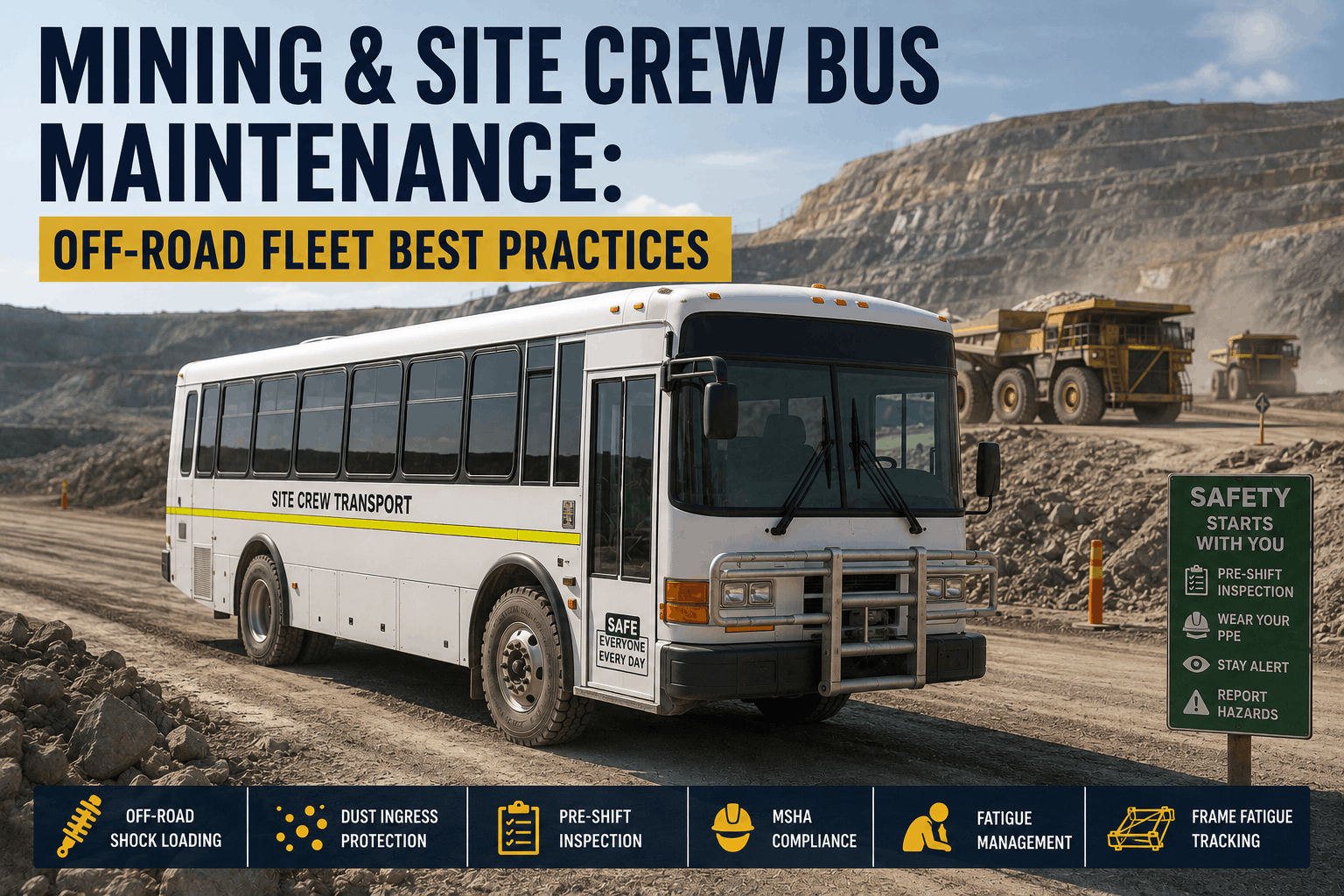
The transition from paper-based to digital bus inspection workflows represents one of the most significant operational improvements available to modern transit agencies and private bus operators. Digital inspection systems powered by advanced Bus CMMS platforms are revolutionizing how fleet managers ensure vehicle safety, maintain regulatory compliance, and optimize maintenance operations across the United States.
Traditional paper-based inspection processes are plagued with inefficiencies, data inconsistencies, and compliance gaps that can expose operators to significant liability and operational risks. Modern digital inspection workflows eliminate these challenges while providing real-time visibility into fleet condition, automated compliance reporting, and predictive maintenance capabilities that reduce total cost of ownership by up to 25%.
Fleet operators implementing comprehensive digital inspection systems through Bus CMMS platforms report dramatic improvements in inspection accuracy, technician productivity, and regulatory compliance. The transformation from manual processes to intelligent digital workflows creates a foundation for data-driven decision making and proactive fleet management strategies.
Strategy #1: Comprehensive Pre-Trip and Post-Trip Digital Inspections
Critical Digital Inspection Components
- Safety System Verification: Digital checklists for braking systems, steering components, and emergency equipment with photo documentation requirements
- Vehicle Condition Assessment: Standardized condition rating scales for tires, lights, fluid levels, and body integrity with GPS-tagged inspection locations
- Compliance Documentation: Automated regulatory compliance checks including DOT requirements, state regulations, and agency-specific standards
- Real-Time Issue Reporting: Instant notification systems for critical defects with automated work order generation and priority assignment
Digital pre-trip and post-trip inspections through Bus CMMS platforms ensure consistent inspection quality while eliminating the data loss and illegibility issues common with paper-based systems. Advanced mobile applications guide technicians through standardized inspection procedures with conditional logic that adapts based on vehicle type, route assignments, and maintenance history.
Strategy #2: Mobile-First Inspection Platform Integration
Successful digital transformation requires mobile-first inspection platforms that work seamlessly across diverse operational environments. Modern Bus CMMS systems provide offline capability, cloud synchronization, and cross-platform compatibility that ensures inspection data integrity regardless of connectivity conditions.
Essential Mobile Platform Features
Offline Functionality
Complete inspection capability without internet connectivity with automatic data synchronization when connection is restored
Photo and Video Integration
Built-in camera functionality with automatic compression, GPS tagging, and timestamp verification for comprehensive documentation
Barcode and QR Code Scanning
Vehicle identification, component tracking, and parts verification through integrated scanning capabilities
Strategy #3: Automated Compliance and Reporting Systems
Digital inspection workflows must seamlessly integrate with regulatory compliance requirements across federal, state, and local jurisdictions. Advanced Bus CMMS platforms automate compliance reporting while maintaining detailed audit trails for regulatory inspections and legal documentation.
Compliance Automation Features
DOT Inspection Integration
Automated generation of DOT-compliant inspection reports with digital signatures and regulatory submission capabilities
State Regulation Compliance
Customizable inspection templates that adapt to specific state requirements and local agency standards
Audit Trail Management
Complete inspection history with tamper-proof digital records and automated retention policy management
Strategy #4: Data Analytics and Predictive Insights
Digital inspection data provides unprecedented visibility into fleet condition trends, maintenance patterns, and operational efficiency metrics. Leveraging analytics capabilities within Bus CMMS platforms transforms inspection data into actionable insights for strategic decision making.
Analytics Applications
- Defect Pattern Analysis: Identification of recurring issues across vehicle types, routes, and operational conditions to optimize preventive maintenance scheduling
- Technician Performance Metrics: Inspection quality scoring, completion time analysis, and training need identification for continuous improvement
- Fleet Condition Trending: Long-term vehicle health monitoring with predictive failure analysis and replacement planning optimization
- Compliance Risk Assessment: Automated identification of compliance gaps and risk exposure with proactive intervention recommendations
Strategy #5: Integration with Maintenance Management Systems
Digital inspection workflows must seamlessly integrate with comprehensive maintenance management processes to maximize operational efficiency. Modern Bus CMMS platforms provide complete integration between inspection results and maintenance planning, parts procurement, and technician scheduling.
Integration Benefits
Seamless data flow from inspection identification to work order creation, parts ordering, and maintenance completion eliminates manual data entry while ensuring nothing falls through administrative cracks. Advanced integration capabilities include automatic priority assignment based on safety criticality, estimated repair time calculation, and technician skill matching for optimal resource allocation.
Real-time integration with inventory management systems through Bus CMMS platforms ensures parts availability verification during inspection processes, enabling immediate repair scheduling when defects are identified and components are in stock.
Implementation Best Practices for Digital Transformation
Successful Digital Transition Guidelines
- Phased Implementation Approach: Gradual rollout starting with pilot programs to ensure smooth transition and user adoption
- Comprehensive Training Programs: Multi-level training for technicians, supervisors, and administrators on digital platform utilization and Bus CMMS optimization
- Data Migration Strategy: Careful planning for historical data transfer and validation to maintain continuity and regulatory compliance
- Change Management Focus: Active support for cultural transition from paper-based to digital workflows with clear communication of benefits and expectations
Quality Assurance and Validation Processes
Digital inspection workflows require robust quality assurance mechanisms to ensure data accuracy and inspection thoroughness. Advanced Bus CMMS platforms incorporate multiple validation layers including supervisor review workflows, photographic evidence requirements, and automated anomaly detection.
Quality Control Mechanisms
Supervisor Review Protocols
Mandatory supervisor approval for critical defects with escalation procedures for safety-related issues
Photographic Documentation Standards
Required photo evidence for specific defect types with automatic quality checking and GPS verification
Inspection Completeness Verification
Automated checking for missed inspection points with mandatory completion requirements before submission
Cost-Benefit Analysis of Digital Inspection Implementation
Implementing digital inspection workflows through comprehensive Bus CMMS platforms delivers measurable returns on investment through reduced administrative costs, improved compliance, and enhanced fleet reliability. Industry studies demonstrate average operational cost reductions of 20-25% within the first year of implementation.
Financial Benefits
Reduced paperwork processing costs, eliminated data re-entry requirements, improved inspection accuracy, and faster defect resolution contribute to significant operational savings. Fleet operators report payback periods of 8-12 months for comprehensive digital inspection implementations with ongoing annual savings averaging $15,000-25,000 per vehicle.
Conclusion
The transformation from paper-based to digital bus inspection workflows represents a critical evolution in fleet management practices. Successful implementation requires strategic planning, comprehensive training, and integration with advanced Bus CMMS platforms that provide the foundation for data-driven fleet management excellence.
Fleet operators who embrace digital inspection workflows position themselves for enhanced safety, improved compliance, and significant operational cost reductions. The combination of mobile technology, automated reporting, and predictive analytics creates a powerful platform for sustainable fleet management success in an increasingly competitive transportation environment.
Ready to Transform Your Inspection Workflows?
Discover how Bus CMMS can revolutionize your digital inspection processes and drive significant operational improvements for your fleet operations.