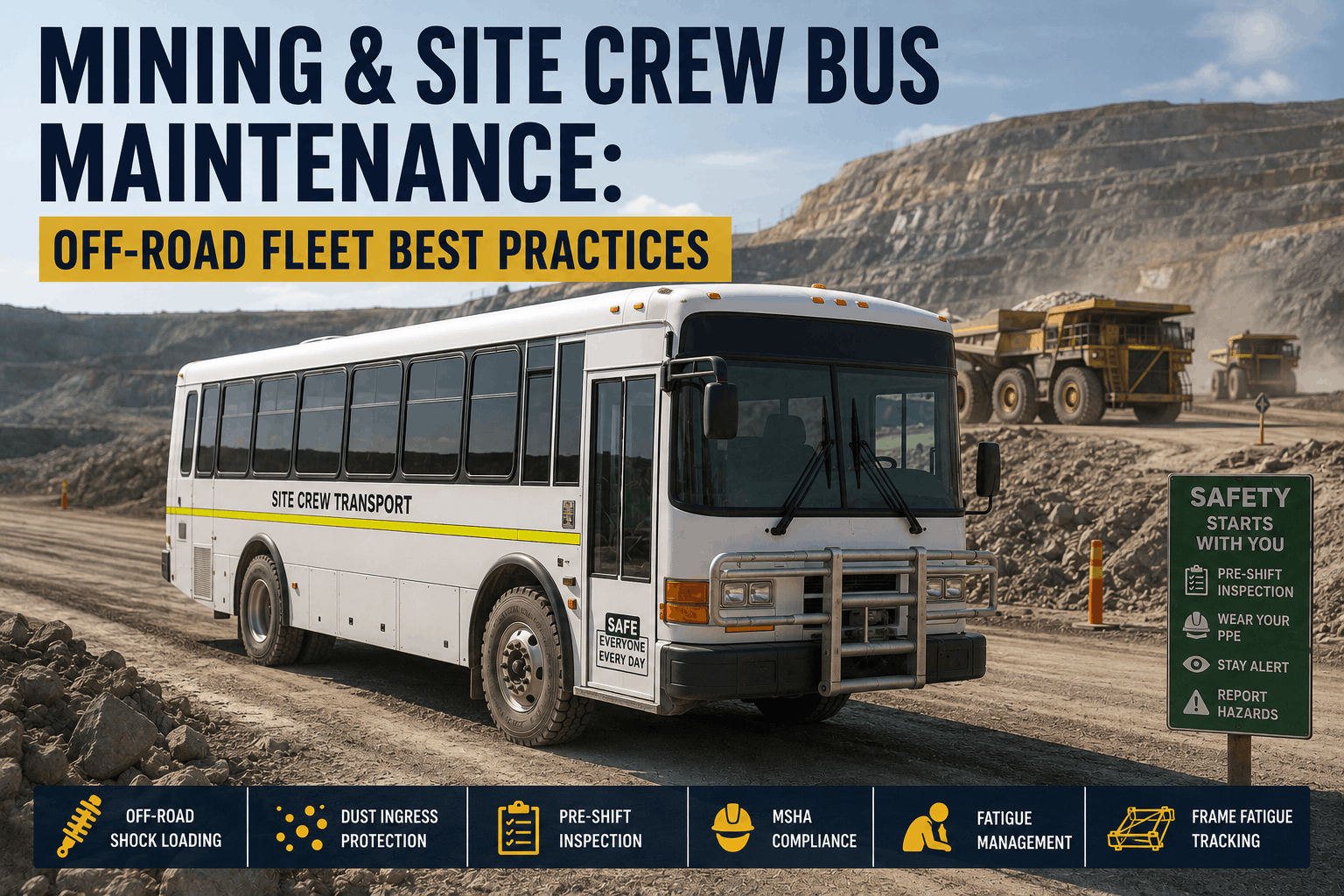
Charter bus operations demand exceptional reliability and luxury amenities while managing diverse trip types from corporate shuttles to multi-day tours, school trips to wedding transportation. Unlike fixed-route transit, charter fleets face unpredictable schedules, varying mileage patterns, and customer expectations for pristine vehicles that make maintenance management exceptionally complex. Charter fleet management platforms specifically designed for the unique demands of charter operations transform these challenges into competitive advantages through predictive maintenance and intelligent scheduling.
The charter industry operates on thin margins where a single breakdown can cost thousands in lost revenue, damage customer relationships, and trigger cascading schedule disruptions. Charter operators report that implementing specialized charter maintenance solutions reduces breakdowns by 75%, improves fleet availability to 98%, and increases customer satisfaction scores by 40% through better vehicle presentation and reliability.
From managing DOT compliance across multiple states to coordinating maintenance around booked charters, ensuring luxury amenities function perfectly to tracking driver hours across irregular schedules, charter operations require sophisticated management approaches. Schedule a demonstration to see how integrated maintenance systems ensure charter fleets deliver premium service while maximizing profitability through optimized maintenance strategies.
Elevate Your Charter Fleet Performance
Discover how leading charter operators achieve 98% reliability with smart maintenance management.
Getting StartedBook a Demo
Revenue Protection Through Reliability
Charter bus revenue depends entirely on vehicle availability and customer satisfaction, making reliability paramount for business success. A breakdown during a wedding shuttle or corporate event damages reputation beyond the immediate lost revenue. Revenue optimization platforms ensure maximum fleet availability through predictive maintenance that prevents failures before they impact bookings.
Minimizing Revenue Loss
Every day a charter bus sits in the shop represents $800-1,500 in lost revenue potential, not counting customer dissatisfaction and rebooking costs. Predictive maintenance systems reduce shop time by 45% through better planning, parts availability, and first-time fix rates that get buses back in service quickly.
Strategic maintenance scheduling around bookings ensures vehicles receive service during natural downtime rather than forcing cancellations. The system analyzes booking patterns to identify optimal maintenance windows, coordinating multiple vehicles to maintain coverage while maximizing wrench time. This intelligent scheduling alone increases revenue capacity by 15-20% annually.
Customer Satisfaction Impact
- Breakdown Prevention: 75% reduction in on-trip failures protects reputation
- Vehicle Presentation: Scheduled detailing ensures buses meet luxury expectations
- Amenity Reliability: Wi-Fi, entertainment, and comfort systems work consistently
- On-Time Performance: 98% departure reliability builds customer trust
- Safety Assurance: Documented maintenance provides peace of mind for clients
Multi-State DOT Compliance Management
Charter operations crossing state lines must navigate varying DOT regulations, inspection requirements, and documentation standards. Multi-jurisdictional compliance creates administrative nightmares without proper systems. Compliance management platforms automatically track requirements across all operating states, ensuring buses meet every regulation regardless of destination.
Interstate Compliance Complexity
Each state maintains different inspection cycles, equipment requirements, and documentation standards that charter operators must satisfy. Modern compliance systems track these varying requirements, scheduling inspections based on operating territories and automatically generating required documentation.
Federal Motor Carrier Safety Administration (FMCSA) regulations add another layer requiring hours-of-service tracking, driver qualification files, and vehicle maintenance records. Electronic logging device (ELD) integration ensures accurate hours tracking while automated record keeping satisfies audit requirements. This comprehensive compliance management prevents costly violations that average $5,000-15,000 per incident.
Documentation Excellence
Inspection Records
Digital storage of all DOT inspections accessible during roadside checks
Driver Files
Complete qualification records including medical certificates and MVRs
Maintenance History
Comprehensive records proving systematic preventive maintenance
Irregular Schedule Optimization
Unlike fixed-route operations, charter schedules vary dramatically from day to day, creating maintenance scheduling challenges. Buses might sit idle for days then operate continuously for a week-long tour. Dynamic scheduling platforms adapt maintenance timing to actual usage patterns rather than calendar-based intervals.
Usage-Based Maintenance
Traditional time-based maintenance fails for charter operations where monthly mileage ranges from 2,000 to 15,000 miles depending on bookings. Intelligent maintenance systems track actual engine hours, mileage, and operating conditions to trigger service based on real wear rather than arbitrary schedules.
Long-distance tours stress engines and cooling systems differently than short shuttle services. Mountain routes strain brakes and transmissions while highway cruising wears tires and suspension components. The system adjusts maintenance priorities based on trip profiles, ensuring components receive attention based on actual stress rather than assumptions.
Booking Integration Benefits
- Maintenance Windows: Identify gaps between bookings for service scheduling
- Pre-Trip Preparation: Schedule inspections before long tours
- Rotation Planning: Balance usage across fleet to prevent hot spots
- Seasonal Adjustments: Prepare for busy seasons with preventive service
- Emergency Coverage: Maintain spare capacity for unexpected maintenance
Maximize Your Charter Fleet Profitability
Implement proven strategies that keep buses earning instead of sitting in shops.
Getting StartedBook a Demo
Luxury Amenity Maintenance
Modern charter buses feature extensive amenities including Wi-Fi, entertainment systems, USB charging, premium seating, and sophisticated climate control that customers expect to work flawlessly. These systems require specialized maintenance beyond basic mechanical needs. Amenity management platforms track component performance and schedule service to ensure every feature functions perfectly.
Entertainment System Reliability
Passengers expect functioning Wi-Fi, working video screens, and operational PA systems throughout their journey. See how monitoring systems track connectivity performance, screen functionality, and audio quality to identify issues before customers complain.
Regular firmware updates keep entertainment systems current while preventive cleaning maintains screen clarity. Wi-Fi routers require periodic resets and antenna adjustments for optimal coverage. USB charging ports need inspection for damage from passenger use. These seemingly minor issues significantly impact customer satisfaction when neglected.
Comfort System Management
Climate Control
Multi-zone HVAC systems require calibration for even temperature distribution
Seating Maintenance
Reclining mechanisms and upholstery need regular inspection and repair
Restroom Service
Onboard facilities require specialized maintenance and sanitation protocols
Driver Management Across Variable Schedules
Charter operations require drivers to manage varying trip types from four-hour casino runs to two-week cross-country tours, creating complex scheduling and qualification tracking challenges. Ensuring proper rest periods, maintaining CDL endorsements, and tracking hours across irregular schedules demands sophisticated management. Driver management platforms coordinate assignments while ensuring compliance with hours-of-service regulations.
Hours-of-Service Optimization
FMCSA regulations strictly limit driving hours, but charter schedules often push these boundaries with long-distance trips and quick turnarounds. Automated tracking systems monitor driver hours in real-time, preventing violations while maximizing productivity within legal limits.
Multi-day tours require careful planning to ensure drivers get mandated rest while maintaining service continuity. The system tracks cumulative hours across rolling periods, alerting dispatchers when drivers approach limits. This proactive management prevents last-minute scrambles for relief drivers that disrupt customer service.
Qualification Management
- CDL Monitoring: Track license expiration and endorsement requirements
- Medical Certificates: Ensure current DOT physicals for all drivers
- Training Records: Document safety training and passenger service skills
- Performance Tracking: Monitor fuel efficiency and safety metrics
- Customer Feedback: Link driver performance to satisfaction scores
Cost Control and Margin Improvement
Charter operations face intense price competition requiring careful cost management to maintain profitability. Every dollar saved in maintenance directly impacts bottom-line performance. Cost optimization platforms identify savings opportunities while maintaining the high service standards charter customers expect.
Maintenance Cost Reduction
Predictive maintenance reduces repair costs by 35-45% through early problem detection and prevention of cascading failures. Book a demo to learn how data analytics identify cost-saving opportunities without compromising reliability or safety.
Bulk parts purchasing based on predictive needs reduces costs 15-20% versus emergency orders. Warranty tracking ensures covered repairs aren't paid out-of-pocket. Vendor performance analysis enables negotiation of better service rates. These incremental savings accumulate to significant annual cost reductions.
Operational Efficiency Gains
Fuel Management
Route optimization and driver coaching reduce fuel consumption 10-15%
Insurance Savings
Documented maintenance and safety records reduce premiums 15-20%
Lifecycle Extension
Proper maintenance extends vehicle life 3-5 years, deferring capital costs
Transform Your Charter Operations
Join successful charter companies achieving new levels of efficiency and profitability.
Getting StartedBook a Demo
Customer Relationship Management Integration
Charter success depends on repeat business and referrals, making customer satisfaction critical for growth. Integrating maintenance management with customer relationships ensures vehicles meet expectations for every booking. Customer-focused maintenance platforms link vehicle condition directly to client satisfaction and retention.
Pre-Trip Quality Assurance
Every charter departure represents your brand, requiring thorough preparation to ensure perfect presentation. Quality control systems create standardized pre-trip checklists covering mechanical safety, amenity function, and cleanliness standards that guarantee consistent excellence.
Automated scheduling ensures deep cleaning between charters, mechanical inspections before long trips, and amenity testing prior to departure. Photo documentation proves vehicle condition, protecting against damage claims while demonstrating commitment to quality. This systematic approach increases customer satisfaction scores by 40% on average.
Service Recovery Excellence
- Breakdown Response: Rapid replacement vehicle deployment minimizes customer impact
- Proactive Communication: Alert clients to potential issues with transparency
- Compensation Protocols: Clear policies for service failures protect relationships
- Feedback Integration: Use customer input to improve maintenance priorities
- Reputation Management: Document excellence for marketing and reviews
Seasonal Demand Management
Charter demand fluctuates dramatically with seasons, from summer tourism peaks to holiday travel surges, requiring flexible maintenance strategies. Preparing fleets for busy seasons while managing costs during slow periods challenges operators. Seasonal planning platforms optimize maintenance timing to ensure maximum availability when demand peaks.
Peak Season Preparation
Spring wedding season and summer tourism create intense demand requiring every bus operational. Strategic maintenance planning completes major services during winter lulls, ensuring full fleet availability when bookings surge.
Pre-season inspections identify developing issues before busy periods begin. Battery testing prevents hot weather failures. Air conditioning service ensures passenger comfort. Tire replacement avoids blowouts during long summer trips. This proactive preparation prevents peak season breakdowns that cost thousands in lost revenue.
Off-Season Optimization
Major Overhauls
Schedule engine rebuilds and transmission work during slow periods
Fleet Upgrades
Install amenity improvements when buses aren't needed for service
Deep Maintenance
Complete thorough inspections and preventive service programs
Safety and Risk Management
Charter operations carry significant liability with passengers' lives and expensive vehicles at stake. Comprehensive maintenance programs reduce accident risk while providing documentation for insurance and legal protection. Safety management platforms ensure systematic approaches to risk reduction through preventive maintenance and driver management.
Accident Prevention Strategies
Most charter accidents result from preventable mechanical failures or driver fatigue, both manageable through proper systems. Risk mitigation platforms track safety-critical maintenance, monitor driver hours, and ensure vehicles meet highest safety standards.
Brake system monitoring prevents fade during mountain descents. Tire pressure management reduces blowout risk. Suspension maintenance ensures stability during highway travel. Driver alertness monitoring prevents fatigue-related incidents. These proactive measures reduce accident rates by 60% while cutting insurance costs significantly.
Liability Protection Measures
- Maintenance Documentation: Comprehensive records prove systematic care in legal situations
- Inspection Records: Digital proof of DOT compliance and safety focus
- Driver Qualification: Verified training and certification for all operators
- Incident Tracking: Detailed records of any events for insurance claims
- Customer Communications: Documented safety briefings and passenger counts
Frequently Asked Questions
How does Bus CMMS specifically benefit charter operations versus transit fleets?
Charter-optimized management platforms address the unique challenges of irregular schedules, multi-state operations, and luxury service expectations that distinguish charter operations from fixed-route transit. The system integrates with booking calendars to schedule maintenance during natural gaps rather than forcing charter cancellations, protecting revenue while ensuring proper service. Multi-state compliance tracking automatically manages varying DOT requirements across operating territories, preventing costly violations during interstate travel. Amenity management features track entertainment systems, Wi-Fi performance, and comfort features that charter customers expect to work perfectly, going beyond basic mechanical maintenance. Driver hours-of-service integration prevents violations during long tours while optimizing productivity within legal limits. Customer-focused features link vehicle condition to client satisfaction, ensuring buses meet luxury expectations for every departure. Revenue optimization tools analyze booking patterns to maximize fleet utilization while maintaining reliability. Seasonal planning capabilities prepare fleets for demand surges while managing costs during slow periods. The platform's flexibility accommodates everything from four-hour casino shuttles to two-week cross-country tours. By implementing charter-specific solutions, operators achieve 98% reliability, 40% customer satisfaction improvement, and 25-35% maintenance cost reduction.
What ROI can charter operators expect from CMMS implementation?
Charter operators implementing specialized fleet management systems typically achieve return on investment within 6-9 months through multiple revenue enhancements and cost reductions. Breakdown prevention alone saves $15,000-25,000 annually per bus through avoided towing, emergency repairs, and lost bookings when vehicles fail during charters. Fleet availability improvements of 15-20% directly increase revenue capacity without adding vehicles, generating $30,000-50,000 per bus in additional annual income. Maintenance optimization reduces repair costs by 35-45% through predictive service that prevents expensive failures and extends component life. Fuel savings of 10-15% through route optimization and driver coaching save $5,000-8,000 per vehicle annually. Insurance premiums decrease 15-20% based on documented maintenance and improved safety records. DOT compliance management prevents violations averaging $5,000-15,000 per incident while protecting operating authority. Customer satisfaction improvements drive 25% increase in repeat bookings and referrals, multiplying revenue growth. Labor efficiency gains of 30% reduce overtime costs while improving service quality. When calculating total impact, charter-focused CMMS platforms deliver net benefits of $40,000-60,000 per bus annually, making them essential investments for competitive charter operations.
Conclusion
Charter bus fleets benefit tremendously from CMMS adoption, transforming complex operational challenges into competitive advantages through intelligent maintenance management. The unique demands of charter operations—irregular schedules, multi-state compliance, luxury expectations, and revenue dependence on reliability—require specialized solutions that go beyond generic fleet management.
Through comprehensive charter fleet optimization, operators achieve remarkable results including 75% reduction in breakdowns, 98% fleet availability, 40% improvement in customer satisfaction, and 35-45% decrease in maintenance costs. These improvements directly impact profitability, enabling charter companies to grow their business while maintaining exceptional service standards.
As the charter industry continues evolving with rising customer expectations and intensifying competition, operators who embrace advanced maintenance management systems position themselves for sustained success. The investment in specialized charter CMMS solutions pays dividends through increased revenue, reduced costs, enhanced safety, and improved customer loyalty that drives long-term growth in this demanding but rewarding market.
Revolutionize Your Charter Fleet Management
Join leading charter operators achieving unprecedented reliability and profitability.