A regional transportation provider managing a fleet of 200 transit vehicles split its maintenance inventory across three different stockrooms with no synchronized tracking system. When a mechanic needed a vital replacement component, they spent hours calling alternative depots to find it. Sometimes parts were overstocked, trapping operating capital, while more specialized filters or seals were completely unavailable, forcing premium rush shipping fees and lengthening vehicle delays. The result: an extra $180,000 in unexpected annual emergency parts costs, thousands tied up in dead inventory, and an average repair turnaround of 18 days. After launching a centralized parts inventory planning system connected straight to their workshop calendars, expedited purchases dropped by 65%, dead stock was slashed by 75%, and repair times fell to just 7 days. True asset organization isn't about hoarding every component possible—it's about aligning stock directly with upcoming maintenance cycles to protect fleet uptime.
Inventory Strategy 2026
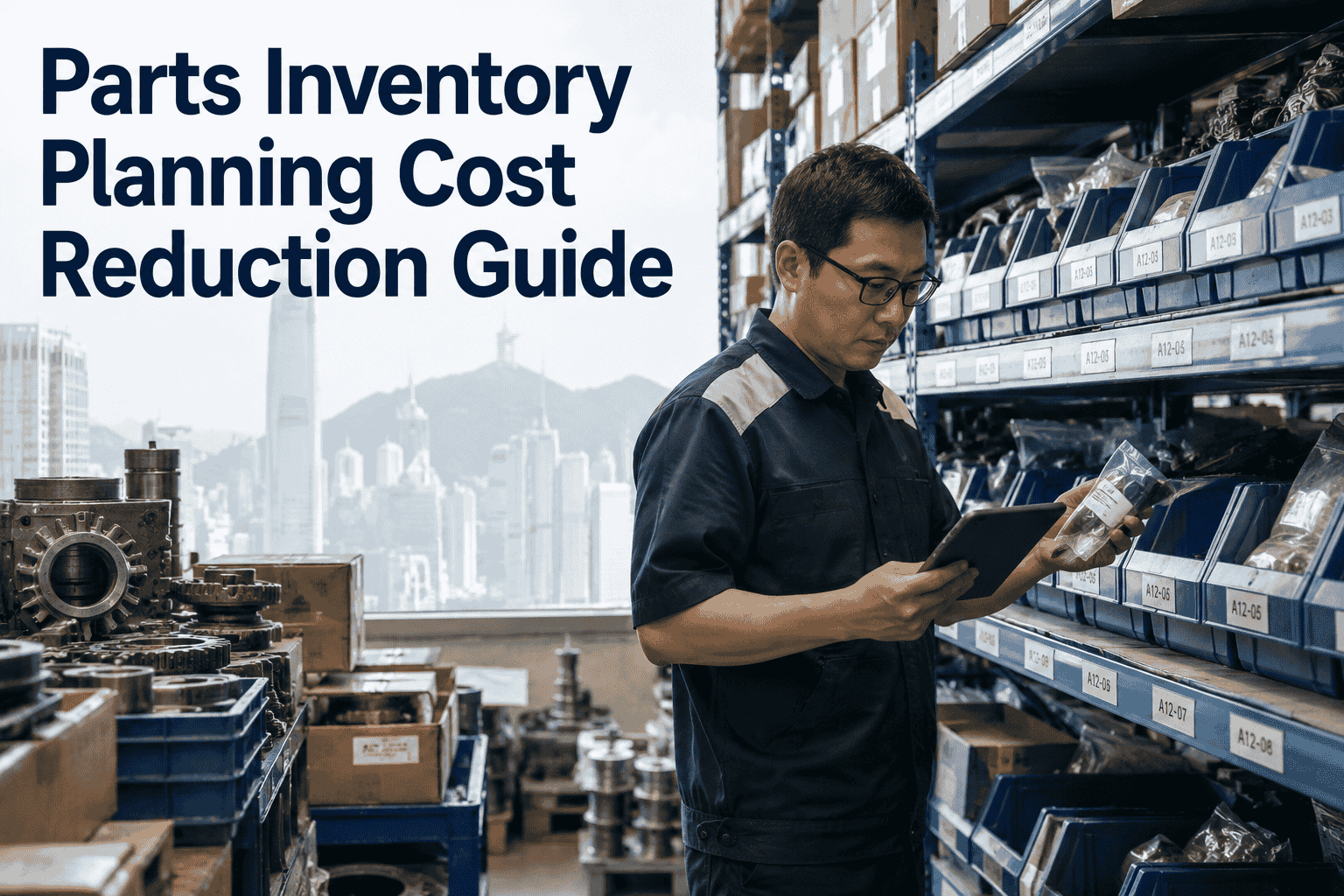
Parts Inventory Planning Cost Reduction Guide
Connect stockroom counts directly to upcoming vehicle service schedules. Stop relying on rush shipping, clean out slow-moving items, and cut repair delays by 50%.
Inventory Performance Impact — 200-Vehicle Fleet
Yearly Expedited Parts Expenses$180,000 annually
Capital Hidden in Dead Inventory$45,000 frozen
Average Unplanned Repair Dwell Time18 days turnaround
Expedited Procurement Reductions65% cost drop
Dead Warehouse Stock Liquidated75% reduction
Optimized Time to Repair (MTTR)7 days stabilized
Many vehicle operators find themselves trapped in one of two costly inventory mistakes. The first is completely reactive stock behavior: a mechanic tears down an engine or braking system, finds a broken component, searches the shelves, and realizes it's missing. The repair halts, the asset stays out of service, and management is forced to pay for overnight shipping. The second issue is protective stock hoarding: over-purchasing random parts "just in case." This fills shelves with obsolete items that tie up operating cash for years. Resolving these tracking issues requires linking your parts inventory planning straight to routine maintenance parameters. When you calculate part demands based on upcoming service intervals, your warehouse matches real-world garage needs automatically.
Uncoordinated Stock Plans (High Risk)
Visibility BalanceStock values depend on separate counts, creating frequent stockout errors.
Procurement FlowGarages place rush component orders at the point of failure.
Bay TurnaroundVehicles take up bay space for weeks awaiting basic parts deliveries.
Asset IntegrationParts records sit separately from driver inspection lists and work orders.
Centralized Inventory Control
Visibility BalanceContinuous tracking of item locations and levels across all yards.
Procurement FlowStandard parts purchases use low-cost shipping routes well ahead of time.
Bay TurnaroundComponents are pre-allocated and ready before assemblies are stripped.
Asset IntegrationStock count drops auto-create purchase tasks at custom reorder points.
Connect your parts tracking to active shop loops — book a demo
To run an optimized supply pipeline and lower annual parts expenses, logistics directors ground their inventory workflows in four core operational parameters. First: **Stockout Frequency Rate**, tracking how often a scheduled service task is delayed by a missing component. Second: **Inventory Turnover Velocity**, identifying slow-moving items that trap necessary operating cash. Third: **Emergency Procurement Ratio**, which highlights what percentage of orders use expensive rush shipping. Finally: **Mean Time to Reorder**, automating purchase actions to match typical supplier lead times.
Parts Inventory Optimization Targets
Optimized Tracking Goal
62% Total Inventory Overhead Reduction (Proactive Fleet)
Unsynchronized Baseline
20–30% Frozen Capital Infiltration (Reactive Fleet)
Repair Bay Efficiency
50% Drop in Vehicle Turnaround Delays
Procurement Automation Level
100% Automatic PO Generation at Minimum Limits
Log your target stock benchmarks — sign up free
A regional student transportation operator running 150 school buses discovered it was carrying $180,000 in frozen stock value—filled with specialized replacement parts ordered years prior that didn't match their current fleet requirements. By integrating their inventory data with active service tracking, the district cleared out obsolete items and restricted future purchasing to strict, schedule-driven parameters. This transition eliminated expedited shipping fees entirely, cut yearly warehouse storage costs by $45,000, and lowered their average repair times from 16 days to 6 days. Mechanics now have required belts, brakes, and filters waiting at the bay before the vehicle even pulls in for service.
Traditional Inventory Tracking
Component volumes are checked manually on local spreadsheets.
Purchasing triggers operate independently from actual vehicle schedules.
Emergency orders account for 40% of standard stock updates.
Slow-moving safety parts accumulate on shelves, blocking capital.
Result: Overpriced component spending, prolonged delays, and frozen capital.
Synchronized Inventory Platform
Central databases update stock changes across all yards live.
Preventive maintenance intervals calculate material needs automatically.
Standard ground freight deliveries replace premium shipping fees.
Lean reorder thresholds reduce slow-moving stock value leaks.
Result: Drastic cost reductions, fast vehicle repairs, and optimized cash flow.
Review custom parts optimization workflows — book a demo
Upgrading your organization's parts inventory planning system does not require closing down active repair lanes or disrupting garage teams. Applying a practical 90-day rollout strategy ensures a clear, step-by-step transition for mechanics, warehouse staff, and parts directors. Month one structures a single master parts catalog, verifying accurate item costs, part classifications, and manufacturer IDs. Month two implements digital tracking screens across stockrooms, replacing manual ledgers with barcode actions. The final month activates automated reorder equations, linking purchase tasks directly to supplier turnaround lead times to completely eliminate stockouts.
Parts Inventory Integration Roadmap
Days 1–30
Unify component registries, clear out cost files, and verify manufacturing details.
Days 31–60
Deploy digital stock tracking tools to eliminate paper ledger sheets and manual checks.
Days 61–90
Activate automated reorder parameters tailored to specific supplier lead windows.
Optimized 2026
Analyze high-level asset turnover parameters to protect long-term operating cash.
Launch your digital inventory center — sign up free
Relying on loose paperwork or separate stock software to track complex maintenance materials introduces substantial financial leak vulnerabilities into bus operations. Moving to an integrated parts inventory planning platform unifies asset repair logs, digital pre-trip driver check-ins, and stockroom counts inside a cohesive cloud infrastructure. Rather than approving emergency expedited order requests when a vehicle is stranded on a hoist, automated logic tracks upcoming mileage windows and secures necessary components early. This structured coordination preserves active vehicle availability, slashes overhead costs, and removes unneeded safety inventory bloat. Unifying these storage layers is the most direct way to reclaim locked-up operational capital and optimize shop repair timelines. BusCMMS provides the complete backend system required to index your parts registries, coordinate multi-yard balances, calculate reorder boundaries, and automate parts tasks seamlessly.
Secure your digital inventory center — book a demo
Streamline Your Parts Inventory Planning. Reclaim Frozen Cash. Lower Downtime.
Connect multi-depot stock levels straight to active preventive maintenance schedules. Stop relying on expensive rush shipping and eliminate obsolete inventory errors. Free 14-day trial.
What makes advanced inventory planning distinct from daily stock tracking counts?
Daily tracking lists physical values on shelves retrospectively. Advanced planning links your inventory quantities straight to real-world vehicle schedules and driver pre-trip records, calculating material demands and purchase tasks weeks before a mechanic requires the part.
How does the software calculate accurate reorder points for our specific components?
The platform evaluates individual supplier delivery lead times alongside your fleet's regular consumption patterns. It adds a tight safety buffer to prevent stockouts, establishing an automated trigger point that updates dynamically as schedules shift.
Can digital inventory tools help our organization clear out slow-moving dead inventory?
Yes. The dashboard tracks the historical movement history of each part classification. It isolates items that haven't been routed to a vehicle work order within the last 12 months, allowing fleet managers to safely liquidate obsolete stock.
What happens if our suppliers change their delivery lead timelines unexpectedly?
The platform allows procurement supervisors to easily adjust lead-time parameters per manufacturer or supplier. The tracking system then updates your automated reorder thresholds to prevent stock shortages.
Do our garage mechanics need to use complicated technical forms to log used parts?
No. The user interface features a clean, responsive mobile workspace. Technicians can use handheld tablets or smartphones to scan barcodes or tap direct component icons, automatically deducting parts from warehouse balances as they close tasks.
Which key metrics should inventory directors monitor to measure optimization success?
Monitor your stockout frequency rate, the emergency procurement ratio on high-value parts, and total inventory turnover velocity. Following these three focus fields outlines exactly where your fleet's operating cash flow is successfully expanding.
Turn Fragmented Stockroom Drawers Into a Fully Synchronized, Automated Resource Center.
Standardize warehouse parameters, launch predictive ordering loops, reduce vehicle turnaround delays, and keep your maintenance cash flow optimized. Free 14-day trial.