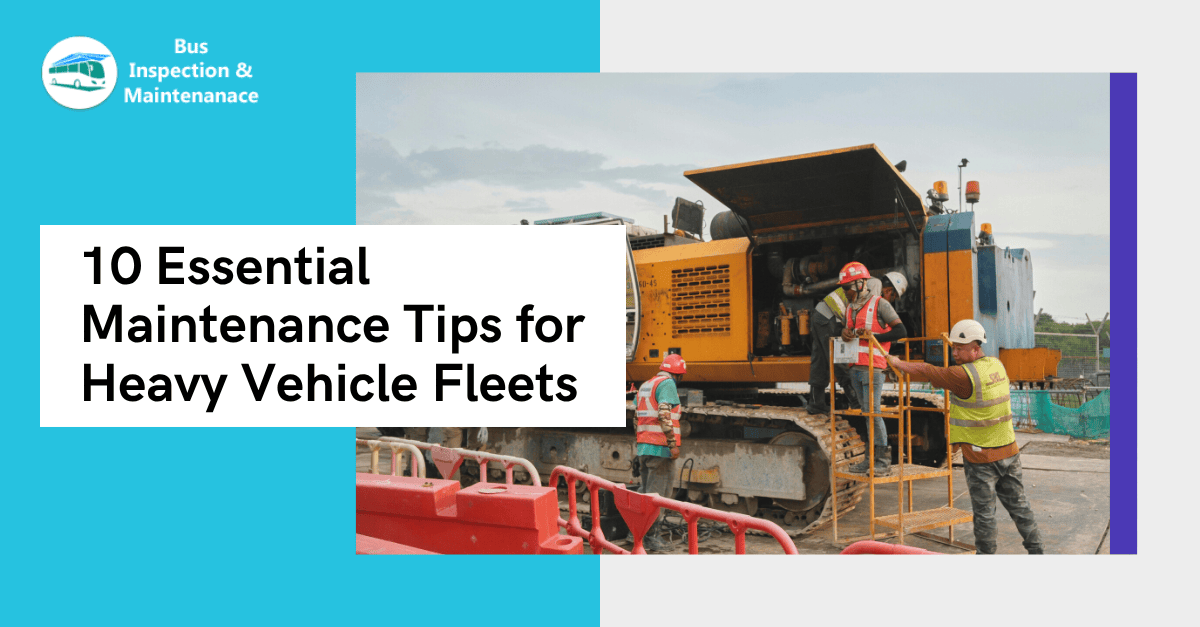
In the demanding world of manufacturing, your heavy vehicle fleet represents both a critical operational asset and a significant investment. Proper maintenance isn't just about avoiding breakdowns—it's about maximizing return on investment, ensuring workplace safety, and maintaining production schedules that your customers depend on. When a single hour of downtime can cost thousands in lost productivity, implementing a comprehensive maintenance strategy becomes essential for competitive success. Let's explore the ten most effective practices that can transform your fleet maintenance from reactive to proactive.
1. Implement Rigorous Preventive Maintenance Scheduling
Key components of effective preventive scheduling:
- Oil changes every 10,000-15,000 miles or 250-500 operating hours
- Filter replacements (air, fuel, hydraulic) at manufacturer intervals
- Tire inspections and rotations every 5,000-8,000 miles
- Brake system inspections every 12,000-15,000 miles
- Coolant system maintenance every 24 months
2. Monitor Fluid Levels and Quality Religiously
Heavy vehicles rely on various fluids for optimal performance, and fluid degradation is often the first sign of component wear. Regular monitoring can prevent catastrophic failures that cost thousands in repairs and downtime.
Critical fluids to monitor:
- Engine oil: Check viscosity, contamination, and metal particles
- Coolant: Test pH levels and freeze protection annually
- Hydraulic fluid: Monitor for water contamination and viscosity changes
- Transmission fluid: Check color, smell, and consistency
- Brake fluid: Test moisture content and replace every 2-3 years
Implement oil analysis programs that can detect engine problems weeks before they become critical. This predictive approach saves an average of $1,200 per vehicle annually in avoided repairs.
3. Establish Comprehensive Tire Management Programs
Tires represent one of the largest maintenance expenses for heavy vehicle fleets, often accounting for 15-20% of total operating costs. A strategic tire management program can extend tire life by 25-30% while improving fuel efficiency.
Essential tire management practices:
- Daily pressure checks (under-inflation reduces tire life by 25%)
- Weekly visual inspections for cuts, bulges, and irregular wear
- Monthly depth measurements and rotation scheduling
- Proper wheel alignment every 25,000-30,000 miles
- Load distribution monitoring to prevent overloading
Ready to Optimize Your Fleet Maintenance?
Transform your heavy vehicle maintenance from reactive to proactive with our comprehensive fleet management solutions designed for manufacturing operations.
Getting StartedBook a Demo
4. Prioritize Brake System Maintenance
Heavy vehicle brake systems endure extreme stress, especially in manufacturing environments with frequent stops, starts, and heavy loads. Brake failure isn't just costly—it's potentially catastrophic.
Comprehensive brake maintenance includes:
- Monthly brake pad thickness measurements
- Quarterly brake fluid contamination testing
- Annual brake line pressure testing
- Immediate investigation of any brake performance changes
- Proper adjustment of air brake systems
Implement brake performance monitoring systems that alert drivers and maintenance teams to degradation before safety is compromised. The average cost of brake system failure—including vehicle damage, cargo loss, and potential liability—can exceed $50,000 per incident.
5. Develop Engine Performance Monitoring Protocols
The engine is the heart of your heavy vehicle fleet, and modern engines provide extensive diagnostic data that can predict problems before they occur. Effective engine monitoring can extend engine life by 40-50%.
Key engine monitoring practices:
- Daily pre-trip inspections focusing on leaks, noises, and vibrations
- Weekly diagnostic code scans using OBD-II systems
- Monthly compression testing for high-mileage vehicles
- Quarterly exhaust system inspections
- Annual valve adjustments and timing checks
Modern telematics systems can provide real-time engine performance data, including fuel efficiency trends, operating temperature patterns, and diagnostic trouble codes. This data enables predictive maintenance that prevents major engine failures.
Additional Critical Maintenance Areas
6. Electrical System Maintenance
Heavy vehicles rely increasingly on complex electrical systems. Regular battery testing, alternator output verification, and wiring harness inspections prevent roadside failures and expensive emergency repairs.
7. Suspension and Steering System Care
Proper suspension maintenance ensures vehicle stability, reduces tire wear, and prevents cargo damage. Inspect shock absorbers, bushings, and steering components monthly, replacing worn parts immediately.
8. Air System Maintenance (For Air Brake Equipped Vehicles)
Air systems require daily moisture drainage, quarterly compressor inspections, and annual air tank cleaning. Moisture in air systems causes corrosion and brake failure.
9. Exhaust System and Emissions Control
Modern heavy vehicles have complex emissions systems requiring specialized maintenance. Regular DPF cleaning, SCR system maintenance, and exhaust component inspections ensure compliance and prevent expensive repairs.
10. Documentation and Record Keeping
Comprehensive maintenance records aren't just good practice—they're essential for warranty claims, resale value, and regulatory compliance. Digital maintenance management systems streamline record-keeping while providing valuable analytics.
Conclusion: Building a Maintenance Culture
Effective heavy vehicle maintenance isn't just about following schedules—it's about building a culture of proactive care that extends from drivers to technicians to management. The best maintenance programs combine systematic preventive care with real-time monitoring and quick response to emerging issues.
The investment in comprehensive maintenance pays dividends through reduced downtime, lower repair costs, improved safety, and extended vehicle lifespan. For manufacturing operations where every minute of downtime costs money, a robust maintenance program isn't optional—it's essential for competitive success.
Remember that maintenance technology continues evolving rapidly. Predictive maintenance using AI and machine learning is becoming accessible to fleets of all sizes, offering unprecedented insights into vehicle health and performance optimization.
Start implementing these tips systematically, focusing on the areas most relevant to your specific fleet and operating conditions. The goal isn't perfection from day one—it's continuous improvement that builds a maintenance program capable of supporting your manufacturing operations for years to come.