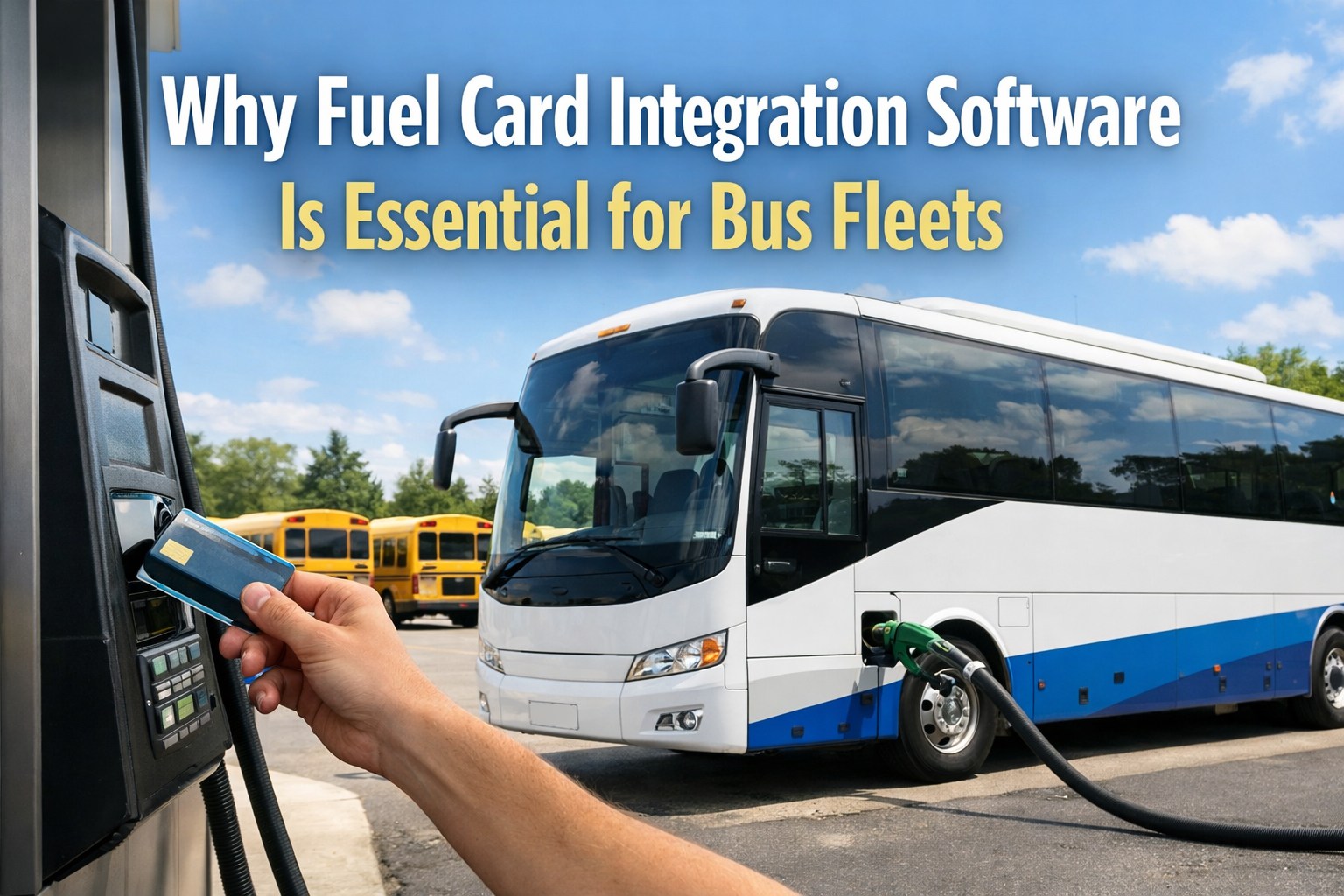
In today's competitive transportation landscape, bus fleet operators face mounting pressure to optimize every aspect of their operations. From rising fuel costs to stringent compliance tracking requirements, fleet managers need comprehensive solutions that go beyond traditional fuel management. Fuel card integration software has emerged as a critical component in modern fleet software ecosystems, delivering unprecedented visibility, control and efficiency to bus fleet operations across the United States.
For manufacturing professionals overseeing transportation fleets, understanding the strategic value of fuel-integration technology isn't just about cost savings—it's about building a foundation for predictive analytics, enhanced fleet efficiency, and sustainable operational excellence. Modern bus fleets require integrated solutions that connect fuel management with broader fleet automation systems, creating comprehensive CMMS tools that maximize vehicle uptime while minimizing operational complexity.
Real-Time Fuel Data Integration and Fleet Insights
Traditional fuel management approaches leave fleet managers operating in the dark, relying on delayed reports and manual reconciliation processes that provide little actionable intelligence. Fuel card integration software transforms this dynamic by connecting fuel transactions directly to comprehensive fleet management platforms, enabling real-time visibility into consumption patterns, driver behavior, and operational efficiency metrics.
This integration enables fleet managers to identify inefficient routes, detect unauthorized fuel purchases, and correlate fuel consumption with vehicle maintenance needs. By connecting fuel data with telematics integration systems, operators gain comprehensive fleet insights that drive informed decision-making and continuous operational improvement.
Enhanced Compliance Tracking and Regulatory Management
Bus fleets operating across multiple states face complex regulatory requirements that demand accurate documentation and transparent reporting capabilities. Fuel card integration software automatically captures and organizes fuel transaction data in compliance-ready formats, eliminating manual data entry errors and ensuring audit trail completeness.
Compliance Advantage: Integrated fuel management systems automatically generate required documentation for tax reporting, environmental compliance, and regulatory audits. This automation reduces administrative burden while ensuring 100% accuracy in compliance tracking processes.
The software connects fuel purchases with vehicle identification, driver authorization, and route data, creating comprehensive records that satisfy federal and state reporting requirements. For fleet operators managing mixed vehicle types or operating across jurisdictional boundaries, this integrated approach eliminates compliance gaps while reducing administrative overhead.
Operational Cost Control and Fraud Prevention
Fuel costs represent one of the largest operational expenses for bus fleets, making cost control and fraud prevention essential for maintaining profitability. Fuel card integration software provides multiple layers of protection and optimization that traditional fuel management approaches cannot match.
The system establishes spending controls, location restrictions, and purchase authorization protocols that prevent unauthorized transactions while maintaining operational flexibility. Advanced diagnostic systems monitor fuel efficiency trends, identifying vehicles that require maintenance attention before efficiency problems impact overall fleet performance.
Automated Fraud Detection
Real-time transaction monitoring identifies suspicious purchases, unauthorized locations, and unusual consumption patterns.
Spending Controls
Customizable purchase limits, approved vendor networks, and time-based restrictions prevent unauthorized fuel purchases.
Efficiency Tracking
Integration with vehicle telematics provides fuel efficiency analysis and identifies optimization opportunities.
Streamlined Maintenance Integration and Predictive Analytics
Modern fleet automation demands seamless integration between fuel management and maintenance scheduling systems. Fuel card integration software connects consumption data with vehicle maintenance records, enabling predictive analytics that optimize both fuel efficiency and vehicle uptime.
This integration allows maintenance teams to correlate fuel efficiency changes with specific vehicle conditions, identifying maintenance needs before they impact operational performance. The system can automatically trigger maintenance scheduling based on fuel consumption patterns, ensuring optimal vehicle performance while minimizing unexpected breakdowns.
By connecting fuel data with comprehensive CMMS tools, fleet managers gain visibility into total cost of ownership metrics that inform vehicle replacement decisions, route optimization strategies, and operational planning initiatives. This holistic approach transforms fuel management from a simple expense tracking function into a strategic operational intelligence platform.
Route Optimization and Fleet Efficiency Enhancement
Fuel card integration software extends beyond transaction management to become a key component in route optimization and operational efficiency improvement. By analyzing fuel consumption patterns across different routes, times, and operational conditions, the system identifies opportunities for efficiency enhancement that traditional approaches miss.
The software correlates fuel usage with route characteristics, traffic patterns, and driver behavior, providing data-driven insights for route planning and operational optimization. This analysis enables fleet managers to identify the most fuel-efficient routes, optimal departure times, and driver training opportunities that improve overall fleet efficiency.
Ready to revolutionize your fleet's fuel management with integrated software solutions? Discover how advanced fuel card integration can transform your bus fleet operations.
Getting StartedBook a Demo
Future-Ready Technology Integration
As transportation technology continues evolving toward electric and alternative fuel vehicles, fuel card integration software provides the flexibility and scalability needed to adapt to changing operational requirements. The system's modular architecture supports multiple fuel types, charging infrastructure integration, and emerging payment technologies.
For manufacturing professionals planning long-term fleet strategies, this adaptability ensures that fuel management investments remain valuable as technology landscapes shift. The software's integration capabilities extend to telematics integration, IoT sensors, and emerging fleet automation technologies that will define the next generation of transportation operations.
Fuel card integration software represents more than just an operational upgrade—it's a strategic investment in comprehensive fleet intelligence that drives efficiency, compliance, and cost control across all aspects of bus fleet operations.
For US manufacturing professionals, implementing integrated fuel management solutions creates a foundation for data-driven decision making, operational optimization, and sustainable competitive advantage in an increasingly complex transportation landscape.
Frequently Asked Questions
Q: How does fuel card integration software improve fleet efficiency beyond basic fuel tracking?
A: Integrated fuel management connects consumption data with telematics integration, maintenance scheduling, and route optimization systems. This creates comprehensive fleet insights that identify efficiency opportunities, predict maintenance needs, and optimize operational performance across all aspects of fleet management, not just fuel costs.
Q: What compliance benefits does fuel card integration provide for multi-state bus operations?
A: The software automatically generates compliance-ready documentation for tax reporting, environmental regulations, and audit requirements. It maintains complete audit trails, connects transactions with vehicle and driver data, and ensures accurate record-keeping across all jurisdictions where your fleet operates.
Q: How does the system prevent fuel fraud and unauthorized purchases?
A: Advanced diagnostic systems monitor transactions in real-time, identifying suspicious patterns, unauthorized locations, and unusual consumption rates. The system enforces spending controls, location restrictions, and driver authorization protocols while providing immediate alerts for potentially fraudulent activity.
Q: Can fuel card integration software work with existing fleet management and CMMS tools?
A: Yes, modern fuel card integration platforms are designed for seamless integration with existing fleet software, maintenance scheduling systems, and CMMS tools. This connectivity enables predictive analytics, automated maintenance triggering, and comprehensive fleet automation without replacing your current technology investments.
Q: How does integrated fuel management support route optimization and operational planning?
A: The system analyzes fuel consumption patterns across different routes, times, and conditions to identify optimization opportunities. By correlating fuel data with traffic patterns, driver behavior, and route characteristics, it provides data-driven insights for more efficient route planning and operational decision-making.







