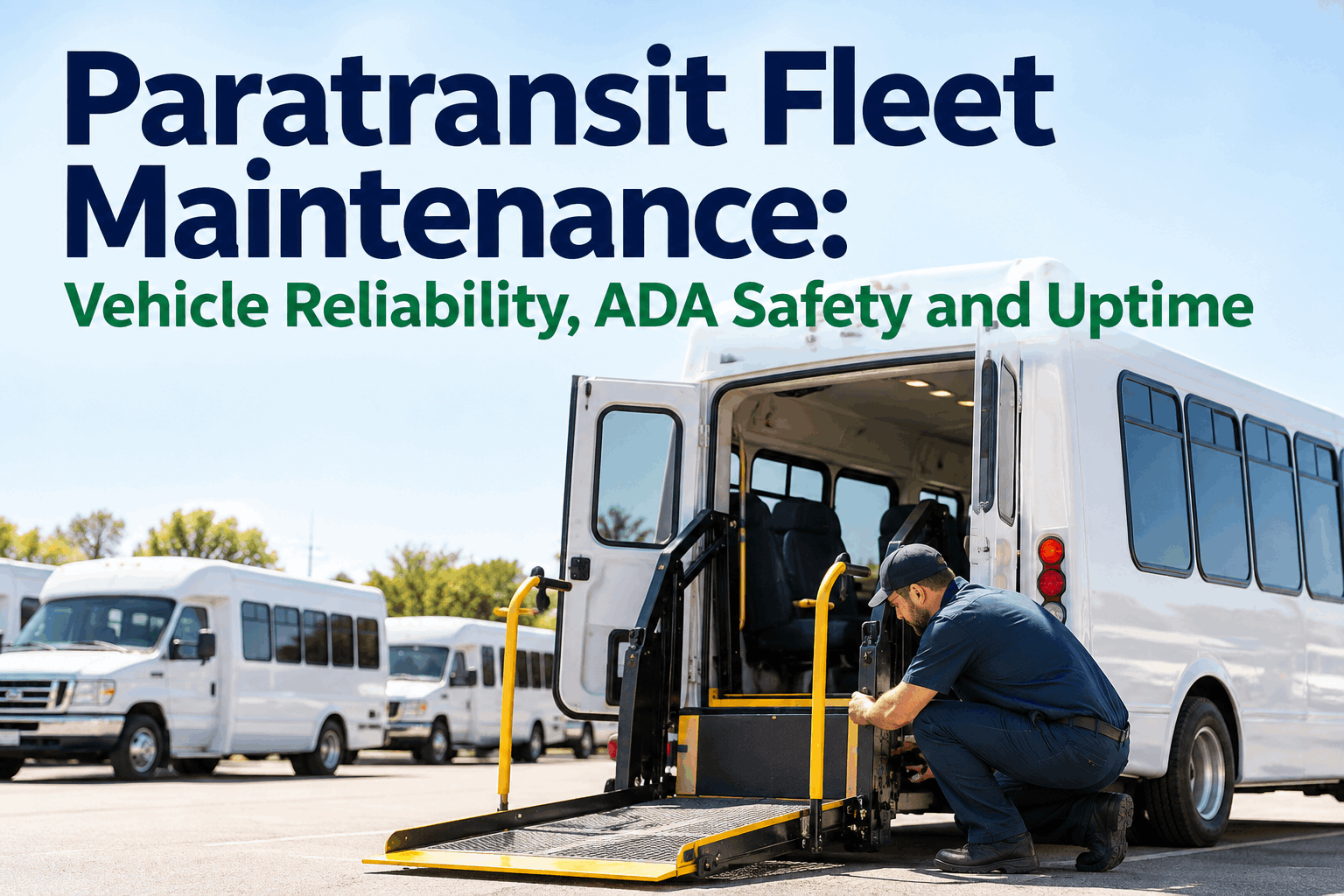
Choosing the right bus fleet management software is one of the most critical decisions a fleet operator can make. The right platform can reduce maintenance costs by 25%, improve compliance, and extend vehicle life. The wrong choice can waste budget, frustrate technicians, and create new problems. This guide provides a comprehensive buyer's framework — features matrix, compliance fit, integrations, total cost, and vendor risk — to help you make the right decision in 2026.
Software Buyer's Guide 2026
How to Choose the Right Bus Fleet Management Software in 2026
Choose the right bus fleet management software in 2026. Buyer's framework — features matrix, compliance fit, integrations, total cost, vendor risk.
Software Selection Impact: The Cost of Getting It Wrong
Choosing the wrong fleet management software can cost a fleet hundreds of thousands of dollars in wasted budget, lost productivity, and missed opportunities. A poor choice leads to low adoption, incomplete data, and frustrated staff. Getting it right the first time is essential.
25-40%
Maintenance cost reduction
$50,000-$200,000
Wrong choice cost
6-12 months
Implementation timeline
5+
Evaluation criteria
Software Selection Framework
Step 1: Define Requirements
Identify must-have features, compliance needs, and integration requirements. Document user needs across departments.
Step 2: Shortlist Vendors
Research vendors that serve bus fleets. Check reviews, case studies, and references. Narrow to 3-5 candidates.
Step 3: Request Demos
Schedule in-depth demos with each vendor. Involve end-users. Test with your own data and use cases.
Step 4: Evaluate Fit
Assess features, usability, compliance, integrations, and total cost. Score each vendor against criteria.
Step 5: Check References
Contact current customers. Ask about implementation, support, and ROI. Visit reference sites if possible.
Step 6: Pilot Program
Run a pilot with a small group. Test in real-world conditions. Gather user feedback. Validate ROI assumptions.
Step 7: Decision
Make the final decision based on data. Choose the vendor that best meets your requirements and fits your culture.
Key Evaluation Criteria
Features & Functionality
Evaluate core features: PM scheduling, work orders, parts inventory, DVIR, inspections, reporting, mobile access, and telematics integration.
Compliance Fit
Ensure the software supports DOT, FMCSA, FTA, EPA, and other regulatory requirements. Automate compliance reporting and record keeping.
Integration Capabilities
Check integrations with GPS/telematics, accounting, HR, fuel cards, and other systems. Open API is essential for flexibility.
Total Cost of Ownership
Compare upfront costs, monthly fees, implementation, training, support, and upgrades. Include hidden costs like data migration.
Vendor Risk
Evaluate vendor stability, financial health, customer support, and product roadmap. Check client retention and satisfaction rates.
User Experience
Test usability for technicians, drivers, and managers. Poor UX leads to low adoption and wasted investment.
Software Selection Scorecard
Score each vendor against key criteria on a 1-5 scale. Weight criteria based on your priorities. Calculate total scores to compare vendors objectively. Include must-have and nice-to-have features in your evaluation.
Total Cost of Ownership Comparison
Total cost of ownership over 5 years averages $60,000 for a mid-sized fleet. License fees average $10,000 annually. Implementation costs average $15,000. Training costs $8,000. Support and upgrades cost $12,000-$15,000. Consider all costs when evaluating vendors.
Vendor Risk Assessment
Financial Stability
Check vendor financial health. Look for profitability and growth. Avoid vendors with financial instability or frequent ownership changes.
Client Retention
Ask about client retention rates. High retention indicates customer satisfaction. Low retention indicates issues with product or support.
Product Roadmap
Review the product roadmap. Ensure the vendor invests in development. Ask about planned features and technology updates.
Support Quality
Evaluate support response times and quality. Test support before purchase. Check availability of phone, email, and chat support.
Security & Data Privacy
Review security practices and data privacy policies. Check for SOC 2 compliance and data encryption. Understand data ownership and portability.
Exit Strategy
Understand the exit process. Ask about data export capabilities. Ensure you can leave without losing data or functionality.
Software Selection Trends
Cloud adoption has grown from 40% to 90% between 2019 and 2025. Mobile-first selection has increased from 30% to 85% as fleets prioritize mobile access for technicians and drivers. By 2026, cloud-based and mobile-first solutions will be the standard.
Software Selection KPIs
Track these five metrics to measure your software selection program effectiveness:
Adoption Rate
Target: 90%+ within 6 months. Track monthly. Low adoption indicates poor training or product fit.
ROI Realization
Target: Positive ROI within 12-18 months. Track quarterly. Measure cost savings and productivity gains.
User Satisfaction
Target: 85%+ satisfaction rating. Track quarterly. Low satisfaction indicates product or support issues.
Implementation Timeline
Target: On-time and on-budget. Track monthly. Delays indicate project management or resource issues.
Support Response Time
Target: Under 4 hours for critical issues. Track monthly. Slow response impacts productivity.
Our transit agency spent 8 months evaluating 7 fleet management software vendors. The structured selection process saved us from making a costly mistake. We chose BusCMMS based on features, compliance fit, and total cost. Implementation was completed in 6 weeks with 95% user adoption within 2 months.
Start Your Software Selection Journey with BusCMMS
BusCMMS offers the comprehensive fleet management features you need — PM scheduling, work orders, parts inventory, DVIR, inspections, reporting, and mobile access. Book a demo to see how BusCMMS can transform your fleet operations. Start a free trial to experience the difference.
Software Selection FAQs
How do I choose the right fleet management software?
Start by defining your requirements. Shortlist vendors that serve bus fleets. Request demos and involve end-users. Evaluate features, compliance fit, integrations, total cost, and vendor risk. Run a pilot program before making a final decision.
What features should fleet management software include?
Essential features include: PM scheduling, work orders, parts inventory, DVIR, inspections, reporting, mobile access, and telematics integration. Also look for compliance automation and open API for integrations.
How much does fleet management software cost?
Costs vary by fleet size and features. License fees range from $5,000-$50,000 annually. Total cost of ownership over 5 years averages $60,000 including implementation, training, support, and upgrades. Get detailed quotes from vendors.
How long does implementation take?
Implementation typically takes 6-12 weeks for mid-sized fleets. Complex integrations may take longer. Choose a vendor with a proven implementation methodology and dedicated support team.
What is the ROI of fleet management software?
Fleets typically achieve ROI within 12-18 months through reduced maintenance costs, improved compliance, and increased productivity. Most fleets report 25-40% reduction in maintenance costs.
The Bottom Line
Choosing the right bus fleet management software is a critical decision that requires a structured approach. Define your requirements, shortlist vendors, request demos, evaluate fit, check references, and run a pilot program. Focus on features, compliance fit, integrations, total cost, and vendor risk. Use a scorecard to evaluate vendors objectively. Consider total cost of ownership over 5 years, including license, implementation, training, support, and upgrades. The right software can reduce maintenance costs by 25-40%, improve compliance, and extend vehicle life. When combined with proper implementation and user training, fleet management software transforms fleet operations from reactive to proactive — catching issues before they cause breakdowns, downtime, or compliance violations.