vendor-management-compliance-audit-preparation-guide

Vendor Management Compliance Audit Preparation Guide


A transit operator outsourcing heavy engine overhauls and safety retrofits across a 180-bus fleet faced severe regulatory scrutiny during a state DOT compliance audit. While their internal garage work was cleanly logged, their third-party maintenance vendors provided scattered billing invoices, illegible paper safety checklists, and incomplete mechanic certification histories. The audit found major record-keeping violations—not due to subpar physical mechanical work, but because the agency lacked a centralized system to verify external vendor compliance. After establishing a unified vendor management compliance framework, the agency integrated third-party repairs directly into their asset histories. During the next regional safety audit, the team pulled flawless vendor compliance records in under 45 minutes, showing zero omissions. True compliance means managing your external providers with the same digital precision as your internal mechanics.

Audit Readiness 2026

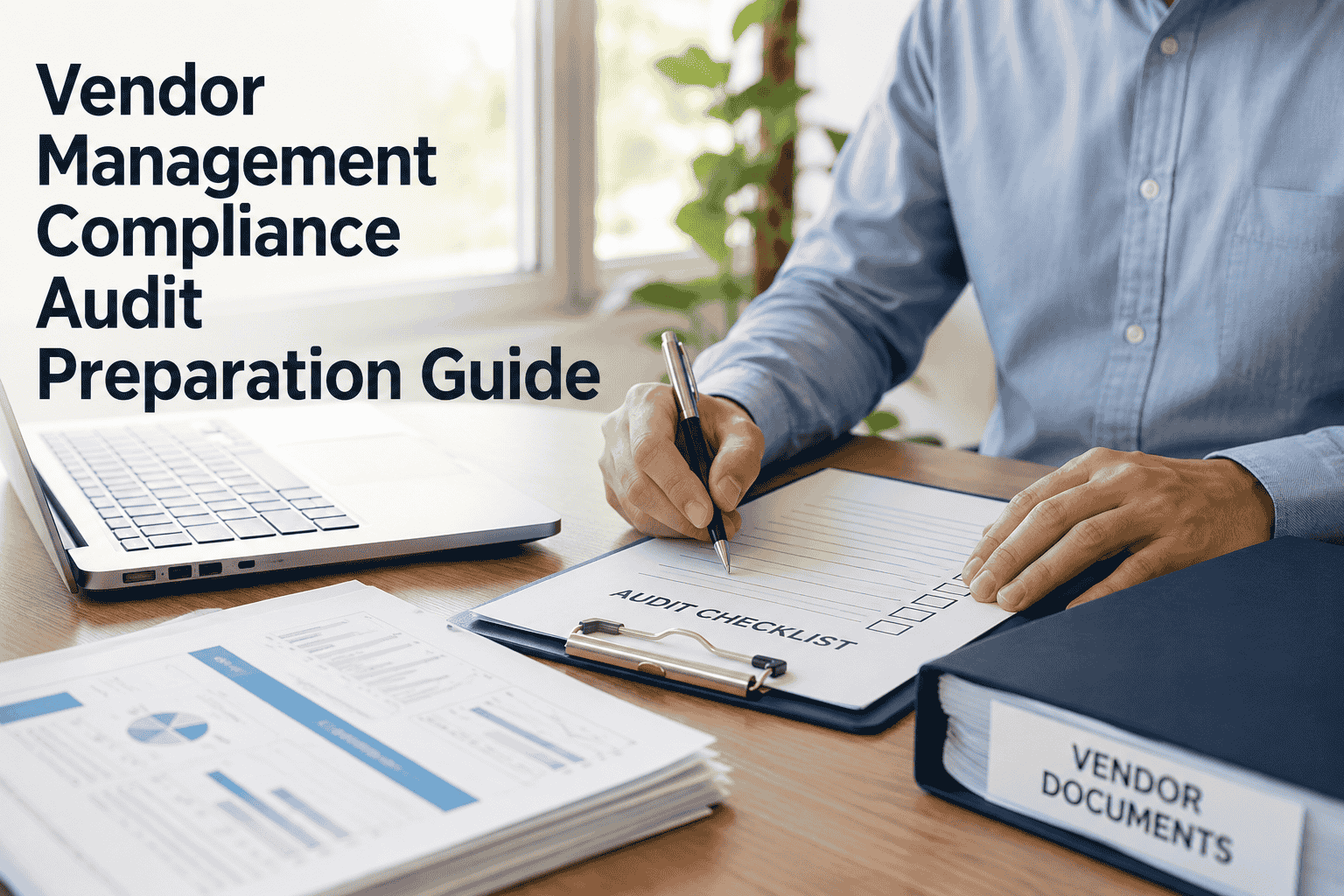
Vendor Management Compliance: Audit Preparation Guide

Stop chasing external shops for missing paperwork. Streamline your third-party tracking, unify maintenance compliance, and pass audits easily.

Vendor Compliance Impact — 180-Bus Fleet
Time Gaining Vendor Audit Proof14–21 days scrambling
Untracked Vendor Documentation Gaps18% average omission
Historical Audit Failure RiskHigh (Conditional risk)
Time Gaining Proof (Central System)45 minutes or less
Document Complete Accuracy Rate100% verified logs
Uptime Improvement (No Part Delays)14% fleet surge
Centralizing vendor tracking creates an immutable, audit-ready maintenance history.
01The Outsourcing Blind Spot: Paper Invoices vs. Regulatory Accountability

Many bus operations view vendor management simply as a process of approving financial invoices. When an external service center handles an outsourced brake job, a major warranty fix, or structural chassis welding, the transaction is often closed out as soon as the invoice is paid. However, federal DOT, FTA, and state auditors do not look at receipts—they look for structured, chronological proof of maintenance compliance. If an outsourced repair invoice fails to list the precise vehicle odometer reading, the specific mechanic certifications, or the exact parts criteria used, that vehicle technically creates an audit violation. Transitioning to a digital vendor management system closes this gap by requiring external partners to submit data through standardized portals, turning loose paperwork into unyielding audit protection.

Siloed Vendor Tracking (High Risk)
Record LocationStored loosely in accounting file cabinets or billing folders.
Audit RetrievalRequires manual sorting, callback requests, and stressful delays.
Data ConsistencyMissing vital asset updates, part serial IDs, and task signatures.
Warranty ManagementOverlooked entirely, leading to double payments for identical fixes.
Optimized Compliance Portal (Audit-Ready)
Record LocationLogged inside the asset's centralized history.
Audit RetrievalInstant generation with a single click during data checks.
Data ConsistencyEnforced digital forms ensure all compliance lines are complete.
Warranty ManagementAutomated flags identify parts under warranty to eliminate extra fees.
02Critical Vendor Benchmarks to Monitor Ahead of Audits

To pass a rigorous fleet safety audit, your third-party operational data must align with four primary compliance benchmarks. First: **Vendor Turnaround Time (TAT)**, which tracks the duration a vehicle remains out of service at an external shop. Second: **Uptime Quality Assurance**, measuring if an outsourced component requires rework within a 90-day window. Third: **Unalterable Audit Trail Completeness**, ensuring that every externally generated DVIR sign-off or structural fix is digitally time-stamped with technician attribution. Finally: **Core Lifecycle Tracking**, which confirms that vendor parts match precise regulatory safety criteria. Consolidating these external tracking metrics prevents operational lapses and protects your overall pass rates.

Vendor Compliance & Performance Benchmarks
Unified Portal Target
98–100% Audit Data Accuracy (Compliant)
Paper-Invoiced Systems
68–75% Compliance Completeness (High-Risk)
Warranty Capital Recovery
35–50% Cost Reductions on Parts Reclaims
External Cycle Payback
90-Day Full Operational ROI
Standardizing your outsourced maintenance data shields your fleet from unexpected audit fines.
03Vendor Management Frameworks in Action: Real Uptime Success

A regional student transportation group running 140 school buses shifted its specialized diesel engine work to an external maintenance contractor. Because they tracked progress using basic spreadsheets, vehicles regularly sat idle at the vendor's shop for weeks, and the school district struggled to locate physical emissions compliance documents during seasonal inspections. To resolve this tracking gap, they deployed a centralized vendor portal. The system required the external contractor to upload digital inspection checklists, track active labor hours, and attach structural parts profiles directly to the bus's core record. This clear accountability reduced vendor turnaround delays by 35%, recovered $19,000 in missed warranty claims, and provided flawless compliance data during state safety inspections.

Unmonitored Vendor Operations
Outsourced records remain buried in emails and processing bills.
Asset downtime metrics depend entirely on vendor status calls.
Part numbers and labor descriptions lack asset history synchronization.
External mechanic certifications are rarely verified prior to repairs.
Result: Lengthy fleet repair backlogs and severe exposure to audit fines.
Centralized Compliance Framework
Third-party maintenance tasks feed straight into your asset profiles.
Live, automated turnaround timers flag long service delays early.
Standardized digital form fields require precise, compliant info entry.
Integrated certification tracking confirms technician credentials instantly.
Result: Full operational visibility, faster repairs, and guaranteed audit readiness.
04The Strategic Rollout: Flawless Integration in 90 Days

Bringing external contractors into your compliance workflow does not require changing your baseline garage routines. A structured 90-day integration plan ensures an easy transition for your team and your providers. Month one centers on standardizing data fields and listing active repair partners inside your central platform. Month two connects external repair orders to mobile update screens, allowing shops to log updates directly from the floor. The final month activates automated data audits, ensuring that incomplete vendor entries are instantly sent back for correction before parts or labor are approved. This proactive process guarantees total document accuracy ahead of any regulatory check.

Vendor Compliance Integration Timeline
Days 1–30
Register external providers and configure required data fields inside the system.
Days 31–60
Launch digital repair orders to replace fragmented email exchanges and paper invoices.
Days 61–90
Enforce automated verification loops to secure 100% complete records.
Audit Pro 2026
Generate detailed maintenance summaries instantly to pass DOT reviews easily.
The Bottom Line

Treating outside repair tracking as an accounting-only task creates an immediate compliance risk during regulatory safety reviews. Moving to an integrated vendor management platform ensures that outsourced maintenance data, driver safety checklists, and third-party parts tracking operate in perfect harmony. Rather than chasing down missing signatures after an auditor arrives, unified platforms capture compliant, detailed work records automatically. This thorough approach cuts overall vehicle repair turnaround delays while protecting your organization's legal standing. Centralizing these external repair inputs is the most effective way to eliminate record-keeping gaps and prove complete asset safety to regulatory inspectors. BusCMMS provides the backend tools required to coordinate third-party shops, build clear vendor dashboards, and secure compliance documentation inside a single ecosystem.

Streamline Third-Party Tracking. Eliminate Record Gaps. Pass Audits.
Connect external repair shops, digital part signatures, and vehicle logs into one system. Protect your transit fleet's operating compliance. Free 14-day trial.
Frequently Asked Questions
Why are basic outsourced invoices insufficient during a DOT or FTA fleet audit?
Invoices show financial costs, but audits check for precise mechanical safety data. If a vendor invoice omits specific parts descriptions, vehicle mileage, or technician signatures, the record fails to meet regulatory standards.
How do centralized management systems ensure outside vendors input data correctly?
The system enforces digital validation rules. When a vendor attempts to close a repair order, the portal blocks completion until required fields—such as mileage readings and part identifiers—are filled out.
Can web-based compliance portals help lower vehicle repair times at external shops?
Yes. Live turnaround timers monitor how long an asset has been at an outside garage. This visual data lets fleet supervisors spot and resolve repair bottlenecks before they cause service delays.
What is the best method to recover lost capital from third-party component warranties?
Centralized CMMS tools store previous repair records and part lifetimes. If an outsourced component fails prematurely, the system flags the part automatically so you can file a warranty claim instead of paying twice.
Do third-party mechanics need extensive platform accounts to submit compliance updates?
No. Outside shops access simplified, direct portals. They can quickly update work progress, attach images of completed tasks, and log asset details using any standard smartphone or tablet.
Which key parameters should fleet directors track to measure vendor compliance?
Monitor your vendor data completeness rates, average turnaround time intervals, and rework percentages. Tracking these values ensures you maintain complete oversight of your outsourced operations.
Bring Third-Party Shops Into a Completely Secure, Audit-Ready Workspace.
Standardize repair records, eliminate missing signatures, minimize fleet delays, and simplify your asset safety reviews. Free 14-day trial.


Share This Story, Choose Your Platform!