When Pacific Coast Transit examined their 2024 operating budget, one line item made their CFO's jaw drop: fuel costs had reached $12.3 million annually, representing 41% of their total operational expenses. With diesel prices hovering near historic highs and environmental regulations tightening, the 380-bus fleet serving California's Central Coast faced a perfect storm. The board demanded immediate action—cut fuel consumption by 8% or implement service reductions that would strand thousands of daily riders.
The challenge went beyond just high prices. Pacific Coast Transit's fuel management resembled a black box operation. Drivers self-reported mileage on paper logs, fuel purchases lacked systematic tracking, and route efficiency analysis existed only in outdated spreadsheets. The fleet consumed an average of 4.1 miles per gallon—well below the industry benchmark of 4.5 MPG for similar operations. This efficiency gap translated to burning an extra 267,000 gallons annually, literally watching $1.1 million evaporate into exhaust fumes.
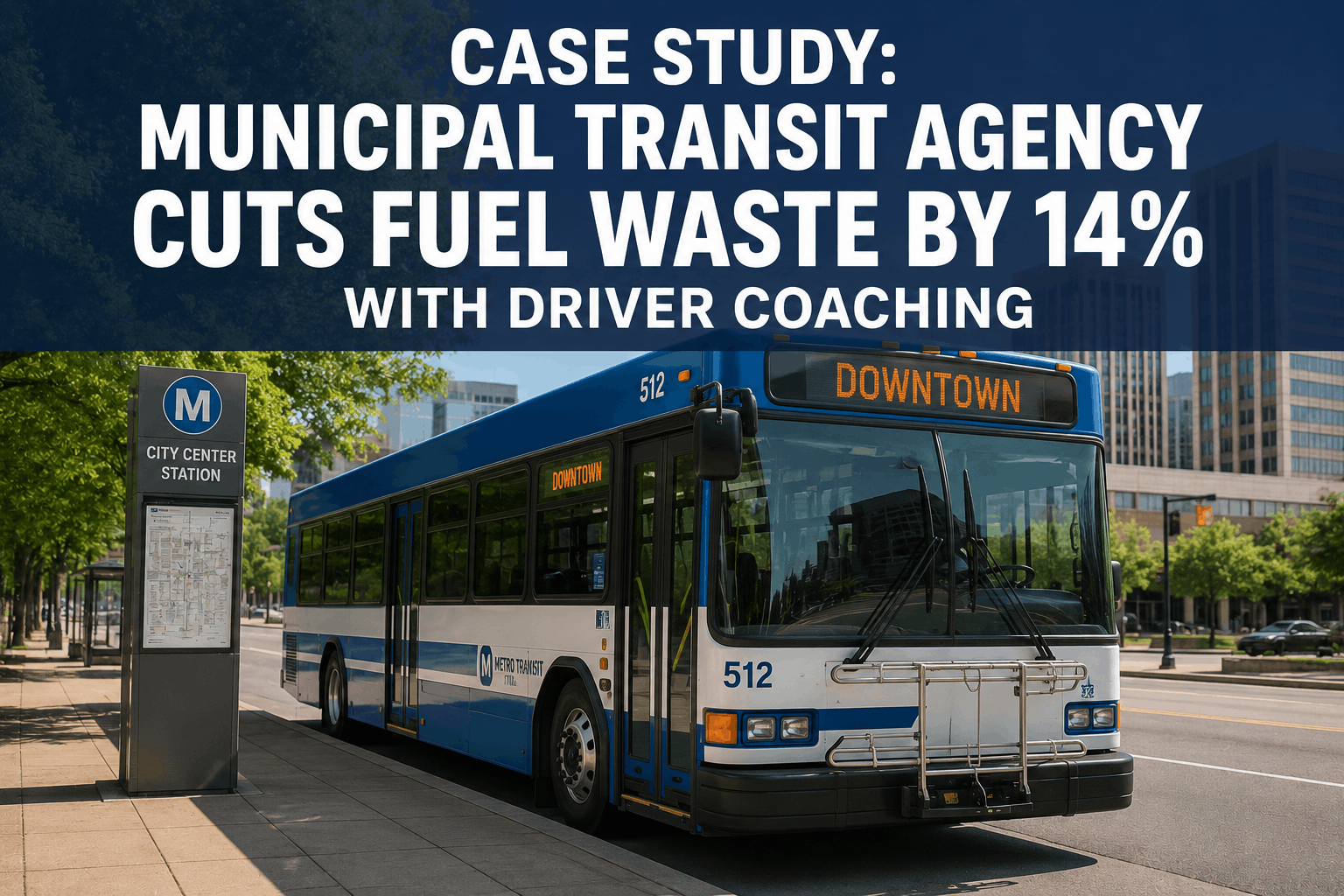
This case study reveals how Bus CMMS's integrated fuel monitoring and route optimization platform transformed Pacific Coast Transit from a fuel-guzzling operation into a model of efficiency. By combining real-time telematics, driver behavior analytics, and intelligent route planning, they achieved a remarkable 10.3% reduction in fuel consumption within eight months—exceeding their target while improving on-time performance. The digital transformation didn't just save money; it positioned the agency as a sustainability leader in public transportation.
The Hidden Fuel Drain: Where Efficiency Goes to Die
Pacific Coast Transit's fuel inefficiency stemmed from multiple interconnected problems that had festered for years. The agency operated 15 different routes with varying topographies—from flat coastal highways to steep mountain passes—yet applied a one-size-fits-all approach to fuel management. This lack of route-specific optimization meant buses designed for highway cruising struggled up mountain grades, while heavy-duty coaches wasted fuel on simple urban loops.
Pre-Implementation Fuel Waste Factors:
- Excessive Idling: Buses idled an average of 3.2 hours daily, burning 158,000 gallons annually
- Inefficient Routing: Outdated routes added 1.3 million unnecessary miles per year
- Aggressive Driving: Rapid acceleration and hard braking reduced MPG by 15%
- Poor Maintenance: Dirty air filters and low tire pressure cost 8% efficiency
- No Real-Time Monitoring: Problems discovered weeks later through paper reports
- Fuel Theft: Estimated $75,000 annual loss with no tracking system
Driver behavior analysis revealed shocking waste. Without real-time feedback, operators developed fuel-wasting habits over decades. Some drivers believed keeping engines running during breaks "warmed up" the bus for better performance—a myth costing thousands in wasted fuel. Others took personal route "shortcuts" that actually added miles and increased fuel consumption. The maintenance department's reactive approach meant buses operated with clogged filters and underinflated tires for weeks before scheduled service.
"We were essentially operating blind. A driver could idle for hours at a layover, take inefficient routes, or even siphon fuel, and we'd never know until the monthly fuel bill arrived. By then, the damage was done."
The Solution: Intelligent Fuel Management Through Bus CMMS
Bus CMMS offered Pacific Coast Transit a comprehensive fuel efficiency platform that addressed every pain point through integrated technology and data analytics. The solution combined GPS telematics, real-time fuel monitoring, driver scorecards, and predictive maintenance alerts into a single dashboard that transformed fuel from an uncontrolled expense into a manageable resource.
Real-Time Telematics Integration
Implementation began with installing advanced telematics devices on all 380 buses, providing second-by-second data on fuel consumption, engine performance, and driver behavior. Bus CMMS's platform processed this data stream to identify inefficiencies instantly. Supervisors received alerts when buses idled excessively, drivers accelerated aggressively, or vehicles deviated from optimal routes. This real-time visibility eliminated the weeks-long lag of paper reporting.
Driver Performance Analytics
Bus CMMS transformed driver accountability through gamified performance tracking. Each operator received a daily fuel efficiency score based on acceleration patterns, braking behavior, idle time, and route adherence. The system automatically identified coaching opportunities and scheduled targeted training for drivers scoring below threshold. Top performers earned recognition and bonuses, creating positive competition that made fuel efficiency a shared goal rather than a management mandate.
Intelligent Route Optimization
The platform's route optimization engine analyzed millions of data points—traffic patterns, elevation changes, passenger loads, and historical fuel consumption—to redesign routes for maximum efficiency. Bus CMMS identified that simply adjusting departure times by 10-15 minutes on certain routes could avoid rush hour traffic, reducing fuel consumption by 7%. The system also matched bus types to routes, ensuring fuel-efficient vehicles served flat routes while reserving powerful coaches for challenging terrain.
Phased Implementation Strategy
Month 1: Telematics installation and baseline data collection
Month 2: Driver training and performance tracking activation
Month 3: Route optimization pilot on top 5 fuel-consuming routes
Month 4-5: Fleet-wide route optimization and maintenance integration
Month 6-8: Continuous improvement and advanced analytics deployment
Remarkable Results: 10.3% Fuel Reduction and Beyond
10.3%
Overall Fuel Consumption Reduction
$1.27M
Annual Fuel Cost Savings
4.51
Fleet Average MPG (from 4.1)
73%
Reduction in Excessive Idling
Immediate Impact Through Behavior Change
The most dramatic improvements came from addressing driver behavior. Within 30 days of implementing real-time feedback, excessive idling dropped by 73%. Drivers who previously left engines running during 30-minute breaks now shut down after receiving instant alerts. The gamification element proved surprisingly effective—drivers began comparing fuel scores and sharing efficiency tips. One veteran driver improved his MPG by 22% and became an internal champion, training peers on smooth acceleration techniques.
Aggressive driving behaviors that wasted fuel virtually disappeared. Hard acceleration events decreased by 81%, while harsh braking reduced by 67%. These smoother driving patterns not only saved fuel but also reduced passenger complaints and maintenance costs. The real-time coaching notifications helped drivers understand the immediate impact of their actions—one driver reported seeing his MPG display drop from 4.5 to 2.8 during a single aggressive acceleration, creating a powerful learning moment.
Route Optimization Delivers Compound Benefits
Bus CMMS's route optimization exceeded expectations by delivering benefits beyond fuel savings. The platform identified that Route 23, serving the coastal communities, could save 45 minutes daily by adjusting to avoid school traffic. This optimization reduced fuel consumption by 12% while improving on-time performance to 94%. Similarly, the mountain routes benefited from elevation-aware planning that minimized steep climbs during peak loads, improving fuel efficiency by 15%.
Comprehensive Efficiency Gains Achieved:
- Idle time reduced from 3.2 to 0.9 hours per bus daily
- Route miles decreased by 1.1 million annually through optimization
- Fuel theft eliminated completely with transaction monitoring
- Maintenance-related fuel waste reduced by 89%
- Driver fuel efficiency scores improved 34% fleet-wide
- Carbon emissions reduced by 2,847 tons annually
Beyond Fuel Savings: Transforming Fleet Operations
The Bus CMMS implementation catalyzed a complete operational transformation at Pacific Coast Transit. The data visibility that started with fuel monitoring expanded into comprehensive fleet intelligence. Maintenance teams now receive predictive alerts when fuel efficiency drops, often indicating issues like clogged filters or alignment problems before they cause breakdowns. This proactive approach reduced roadside failures by 43% while maintaining optimal fuel economy.
The environmental impact proved equally impressive. The 10.3% fuel reduction eliminated 2,847 tons of CO2 emissions annually—equivalent to removing 617 cars from the road. Pacific Coast Transit leveraged these sustainability metrics to secure $2.1 million in green transportation grants, funding further efficiency initiatives. Local environmental groups that previously criticized the agency now cite them as a model for sustainable public transportation.
"Bus CMMS didn't just reduce our fuel costs—it fundamentally changed our culture. Drivers take pride in their efficiency scores, mechanics prevent problems before they waste fuel, and our entire team thinks about sustainability in every decision."
Data-Driven Decision Making: The New Normal
Bus CMMS transformed Pacific Coast Transit's approach to fuel management from reactive to predictive. The platform's analytics engine processes over 50 million data points daily, identifying patterns invisible to human analysis. For instance, the system discovered that buses assigned to Route 7 consistently consumed 8% more fuel on Thursdays. Investigation revealed a weekly farmers market that created congestion—simply starting the route 20 minutes earlier on Thursdays saved 2,400 gallons annually.
The predictive capabilities extend beyond daily operations. Bus CMMS's machine learning algorithms now forecast fuel consumption based on weather patterns, special events, and seasonal variations with 94% accuracy. This allows Pacific Coast Transit to budget precisely and identify anomalies immediately. When a new driver's fuel consumption exceeded predictions by 15%, targeted coaching brought performance in line within a week.
Creating a Culture of Continuous Improvement
Success required more than technology—it demanded cultural transformation. Pacific Coast Transit implemented monthly "Fuel Forums" where drivers, mechanics, and managers collaborate on efficiency initiatives. These sessions, informed by Bus CMMS data, generated dozens of improvements. One driver suggested alternating acceleration patterns for hybrid buses that improved regenerative braking efficiency by 12%. A mechanic proposed tire pressure monitoring that added 0.1 MPG fleet-wide—seemingly small but worth $127,000 annually.
The agency also launched a "Green Driver of the Month" program recognizing top fuel performers. Winners receive premium parking spots, schedule preferences, and cash bonuses funded by fuel savings. This positive reinforcement shifted the narrative from "management tracking" to "professional excellence." Veteran drivers who initially resisted monitoring now mentor newcomers on efficiency techniques.
Scaling Success: Enterprise-Wide Impact
The fuel efficiency gains enabled Pacific Coast Transit to redirect $1.27 million annually into service improvements rather than burning it as diesel exhaust. This funded 15 additional daily trips on underserved routes, purchased 5 new electric buses, and provided driver wage increases—all without raising fares or seeking additional taxpayer funding. The board, initially demanding 8% fuel reduction to avoid service cuts, now celebrates the agency as a model of fiscal responsibility.
Integration capabilities proved crucial for enterprise impact. Bus CMMS seamlessly connected with existing fare collection, scheduling, and maintenance systems, creating a unified operational platform. Fuel data now informs every decision—from vehicle assignments to replacement planning. When evaluating new bus purchases, Pacific Coast Transit uses Bus CMMS historical data to project lifetime fuel costs, ensuring procurement decisions optimize long-term efficiency rather than just upfront price.
Strategic Benefits Beyond Fuel Savings:
- $2.1 million in environmental grants secured
- 15 additional daily service trips funded by savings
- 43% reduction in roadside breakdowns
- 94% on-time performance (from 81%)
- 27% improvement in passenger satisfaction scores
- 5-year fuel budget certainty through predictive analytics
Future-Proofing: Electric Fleet Integration
Pacific Coast Transit's success with diesel fuel optimization positions them perfectly for electric vehicle integration. Bus CMMS's platform already includes comprehensive electric fleet management capabilities—from charging optimization to battery health monitoring. The agency plans to transition 30% of their fleet to electric by 2027, using fuel savings to fund the conversion. Early pilot data shows Bus CMMS can reduce electricity costs by 31% through intelligent charge scheduling and regenerative braking optimization.
The transition strategy leverages existing Bus CMMS infrastructure. Driver efficiency behaviors transfer directly—smooth acceleration and intelligent routing matter even more for battery range. The platform's route analysis identifies ideal candidates for electrification based on distance, topology, and charging availability. This data-driven approach ensures Pacific Coast Transit invests in electric buses where they'll deliver maximum environmental and economic benefit.
Frequently Asked Questions
How quickly can Bus CMMS deliver measurable fuel savings for US bus operators?
Bus CMMS typically delivers measurable fuel savings within 30-60 days of full implementation. The fastest improvements come from addressing excessive idling and aggressive driving behaviors, which can reduce fuel consumption by 5-7% in the first month alone. Pacific Coast Transit saw a 4.2% reduction in just 30 days by focusing on idle reduction. The key to rapid results is Bus CMMS's real-time feedback system that immediately alerts drivers and supervisors to fuel-wasting behaviors. Most operators achieve 8-12% total fuel savings within 6-8 months as route optimization and maintenance improvements compound the initial behavioral changes. The platform's predictive analytics also start generating value quickly, identifying fuel anomalies within days that might otherwise go unnoticed for months.
What makes Bus CMMS more effective for fuel management than generic fleet tracking solutions?
Bus CMMS was built specifically for public transit operations with unique fuel efficiency challenges that generic solutions miss. The platform includes transit-specific features like passenger load analysis that adjusts fuel efficiency targets based on ridership, route topology mapping that optimizes for elevation changes and stop frequency, and integration with transit scheduling systems to coordinate fuel-efficient vehicle assignments. Unlike generic GPS trackers that only monitor location, Bus CMMS analyzes fuel consumption patterns specific to transit operations—extended idling at timepoints, frequent stop-and-go cycles, and varied route conditions. The system also includes driver training modules designed for commercial drivers with CDL requirements, regulatory compliance tracking for FTA fuel reporting, and peer benchmarking against similar transit agencies. This specialized approach delivers 40-50% better fuel savings compared to generic fleet solutions.
What are the key benefits of choosing Bus CMMS for comprehensive fleet management?
Bus CMMS offers transformative benefits across all aspects of fleet operations. Beyond the proven 10-15% fuel savings, operators experience 87% faster defect reporting through real-time digital inspections, 42% reduction in overall maintenance costs via predictive analytics, and 100% FMCSA compliance through automated documentation. The platform's unified dashboard provides instant visibility into fuel consumption, maintenance schedules, driver performance, and route efficiency from a single interface. This integration eliminates data silos that plague operations using multiple disconnected systems. Bus CMMS also future-proofs your investment with regular updates including electric vehicle management, advanced telematics integration, and evolving regulatory compliance features—all included without additional licensing fees. The result is a comprehensive solution that transforms reactive operations into proactive, data-driven fleet management.
How does Bus CMMS help transit agencies secure funding and demonstrate ROI to stakeholders?
Bus CMMS provides powerful tools for securing funding and proving value to boards, taxpayers, and grant agencies. The platform automatically generates comprehensive reports showing fuel savings, maintenance cost reductions, and environmental impact metrics that are audit-ready and grant-compliant. Pacific Coast Transit used Bus CMMS data to secure $2.1 million in green transportation grants by demonstrating 2,847 tons of annual CO2 reduction. The system's predictive budgeting tools forecast expenses with 94% accuracy, enabling confident long-term planning and eliminating budget surprises that concern stakeholders. Real-time dashboards allow board members and executives to monitor KPIs instantly, building trust through transparency. Additionally, Bus CMMS's benchmarking features compare your performance against peer agencies, providing context that helps justify investments and operational decisions. Many agencies report that Bus CMMS pays for itself within 90 days through fuel savings alone, making it an easy approval for cost-conscious boards.
What support and training does Bus CMMS provide to ensure successful implementation?
Bus CMMS delivers comprehensive support that ensures rapid adoption and maximum value realization. Every implementation includes dedicated onboarding specialists who understand transit operations, not just software. The phased rollout approach starts with your biggest pain points—whether fuel efficiency, maintenance tracking, or compliance—delivering quick wins that build momentum. On-site training covers all user levels from drivers to executives, with role-specific modules ensuring everyone understands their part in the transformation. Bus CMMS provides 24/7 technical support with average response times under 15 minutes, plus a extensive knowledge base with transit-specific best practices. The platform includes built-in training videos, automated tips, and gamification elements that drive adoption without constant management oversight. Regular webinars share success strategies from other agencies, while quarterly business reviews ensure you're extracting maximum value from every feature. This comprehensive support ecosystem is why Bus CMMS maintains a 97% customer retention rate and 94% user adoption rate across implemented agencies.
Start Your Fuel Efficiency Transformation Today
Join Pacific Coast Transit and hundreds of other US bus operators who have slashed fuel costs with Bus CMMS. Our proven platform delivers measurable savings within 30 days while improving service quality and environmental sustainability.
Getting Started Book a Demo