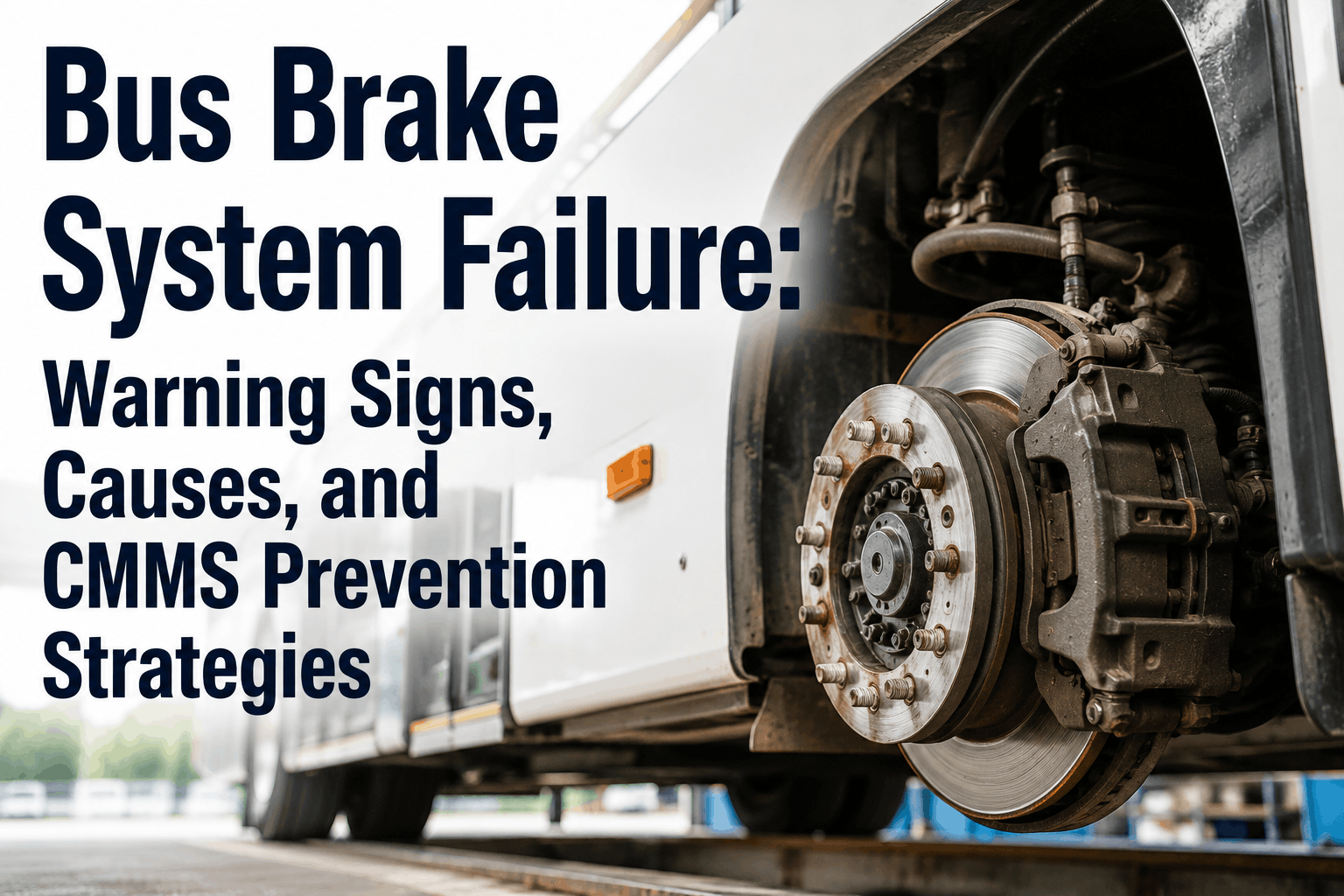
Brake system failures represent the single largest category of out-of-service (OOS) violations recorded during roadside DOT inspections of commercial buses. A bus with brake defects cannot legally operate and cannot transport passengers. Brake failures are also among the most common causes of bus accidents and injuries. A brake system that fails unexpectedly creates catastrophic risk: a bus unable to stop can collide with vehicles, pedestrians, or stationary objects at speed. The consequences are severe injuries, fatalities, lawsuits, and criminal liability. For bus fleet managers, brake system reliability is non-negotiable. Unlike other mechanical systems that might degrade gradually and allow extended operation, brake failures are binary: brakes either work reliably or they don't. A brake system showing any signs of degradation should trigger immediate maintenance and repair. The challenge for fleet managers is recognizing brake warning signs before they become catastrophic failures. Many brake defects are detectable during routine inspections or through driver reports, but only if systematic attention is paid. A CMMS tracking brake maintenance, documenting inspections, and alerting to maintenance due dates helps prevent brake failures before they occur. Here's a comprehensive guide to the most common bus brake failures, their warning signs, and how preventive maintenance prevents them.
The 8 most common bus brake failures, their warning signs, and how predictive maintenance prevents each one. Includes DOT out-of-service brake criteria and CMMS alert configuration tips.
What it is: Most commercial buses use air brake systems where compressed air stored in tanks provides braking force. When a driver presses the brake pedal, air pressure applies brake force to wheels. Pressure loss occurs when air escapes the system through leaks, failing seals, or damaged components. If air pressure drops below minimum operational threshold (typically 60 PSI), brakes may fail or become difficult to apply. A catastrophic pressure loss can result in complete brake failure.
Warning signs: Drivers may notice warning lights on the dashboard indicating low air pressure. The air brake audible warning alarm sounds (a loud beeping from the brake system). Brake response becomes sluggish—applying brakes requires harder pedal pressure, or brakes respond slowly to pedal input. Air hissing sounds near wheels or under the bus indicate air escaping. Modern buses have digital displays showing system pressure; drivers should report any pressure below normal operating range.
DOT out-of-service criteria: FMCSA specifies that a bus with air pressure below 60 PSI, or a pressure gauge reading indicating low pressure, is out of service and cannot operate. A bus with an inoperable air pressure gauge is also out of service (drivers need to know system status). Pressure loss exceeding 3 PSI per minute (indicating a significant leak) is an OOS violation. A bus air brake system must hold pressure when parked; a system losing pressure overnight indicates a serious leak requiring repair.
Prevention through CMMS: A CMMS should schedule monthly air brake pressure checks. Mechanics check system pressure at the start of each day and document pressure readings. Rapid pressure drops (3+ PSI per minute) trigger immediate work orders for leak investigation. Air brake systems should be serviced annually including seal replacement, hose inspection, and brake bleeding (removing moisture from brake lines). Documentation of all air brake work creates evidence of systematic preventive maintenance. When pressure trends show gradual decline (from 90 PSI baseline to 70 PSI), mechanics can schedule preventive service before pressure drops dangerously.
What it is: Brake pads are friction material pressed against brake rotors to slow vehicle wheels. As buses operate, brake pads wear through repeated braking. Worn brake pads reduce friction, requiring harder pedal pressure and longer stopping distances. Extremely worn pads can fail to generate sufficient braking force to stop a bus safely. Brake fade (temporary loss of braking effectiveness when brakes are used continuously or intensely) can occur with severely worn pads.
Warning signs: Drivers may notice longer stopping distances—the bus doesn't stop as quickly in response to brake pedal input. Increased pedal effort is required to achieve previous braking performance. Brake squeal or grinding noises indicate worn pads (metal-to-metal contact between pad backing and rotor). Pulsing or vibration when braking indicates uneven pad wear or brake rotor damage. Modern buses have brake wear sensors that trigger warning lights or alerts when pads reach minimum thickness.
DOT out-of-service criteria: FMCSA specifies minimum brake friction material thickness. Different bus types have different minimums (typically 0.125 to 0.25 inches remaining). Brakes below minimum thickness are out of service. A bus with brake wear sensors showing pads at minimum thickness cannot operate. Any evidence of metal-to-metal contact (grinding noise, metal shavings in brakes) indicates an OOS condition.
Prevention through CMMS: Brake pad thickness should be measured every 25,000-40,000 miles depending on usage patterns (buses with frequent braking wear pads faster). A CMMS configured to alert at scheduled intervals prompts mechanics to measure pad thickness. Measurements are documented, creating a wear trend. When wear trends show pads approaching minimum thickness, replacement is scheduled proactively. High-wear buses (frequent-stop transit routes) may need pads replaced every 6-12 months, while lower-use buses might go 2+ years. Systematic tracking prevents pads from wearing beyond minimum thickness.
What it is: Brake hoses carry brake fluid or compressed air from the brake master cylinder to wheel brake components. Hoses are subject to extreme pressure, temperature changes, and physical damage. Rubber hoses deteriorate over time: internal deterioration can create blockages or leaks, external damage (cuts, abrasion) can rupture hoses, and pressure can cause hoses to burst. A ruptured brake hose can result in complete loss of braking force in the affected brake circuit.
Warning signs: Drivers may notice soft brake pedal (pedal goes down too far without generating braking force), indicating possible brake fluid loss. Visible fluid leaks under the bus near wheels or brake components indicate hose rupture or fitting failure. Brake warning lights on the dashboard indicate pressure loss or circuit failure. Brake response becomes unequal (one side stops better than the other) indicating possible hose failure on one side. In severe cases, complete brake failure may occur.
DOT out-of-service criteria: FMCSA specifies that a bus with any evidence of brake fluid leakage, kinked or pinched brake hoses, hoses with visible damage (cuts, abrasion, separating layers), or hoses that bulge under pressure is out of service. Hoses are safety-critical components and any defect is an immediate OOS violation. A bus with brake hose damage cannot legally operate.
Prevention through CMMS: Brake hose inspection should be performed during routine maintenance and annually as a specific line item. Inspections document hose condition: visible deterioration, signs of leakage, physical damage, date of last replacement. Hoses have typical service lives (often 3-5 years depending on bus age and operating conditions). Replacement is scheduled before hoses fail rather than waiting for failure. After replacement, documentation shows when hoses were replaced and by whom, creating compliance evidence. Mechanics should be trained to identify hose deterioration and report problems immediately rather than deferring.
What it is: Brake rotors are discs that brake pads press against to create friction and stop wheels. Rotors wear gradually as brake pads contact them, but wear should be even across the rotor surface. Uneven wear can occur when pad wear is uneven, when calipers malfunction and don't contact rotors evenly, or when dirt or debris interferes with brake operation. Severely worn rotors may have inadequate thickness to safely dissipate brake heat, or may become warped from heat stress.
Warning signs: Pulsing or vibration when braking indicates uneven rotor wear or warping. Grinding noises suggest metal-to-metal contact. Brake response becomes unpredictable or unequal side-to-side. In extreme cases, rotors can crack or separate, resulting in complete brake failure. Brake warning lights or ABS warning lights indicate system problems.
DOT out-of-service criteria: FMCSA specifies minimum rotor thickness (varies by bus model, typically 0.5-1.0 inches). Rotors below minimum thickness are out of service. Rotors showing cracks, separation, heat damage (discoloration), or uneven wear patterns below service limits are OOS violations. Any evidence of dangerous rotor conditions mandates immediate repair.
Prevention through CMMS: Rotor thickness should be measured during brake pad replacement and annually thereafter. Measurements are documented to track wear trends. Rotors approaching minimum thickness are replaced proactively. Uneven wear patterns should trigger investigation of caliper function and brake balance. Regular brake system bleeding (removal of air from brake lines) helps maintain even braking. Documentation of all rotor measurements and replacements demonstrates systematic rotor maintenance.
What it is: Brake calipers are hydraulic or pneumatic devices that squeeze brake pads against rotors. Calipers must apply force when brakes are applied and release completely when brakes are released. A seized caliper remains partially or fully applied even when driver is not braking, creating constant friction and heat. A caliper that doesn't apply pressure doesn't generate braking force on that wheel. Both conditions are brake failures—seizing creates dangerous overheating and drag, while failure to apply results in loss of braking force.
Warning signs: A vehicle pulling to one side during braking indicates unequal braking force, possibly from seized caliper on other side. Burning smell or smoke from wheel area indicates overheated brakes from seized caliper. Brake temperature warning lights or excessive brake heat. Brake response becomes unpredictable. In severe cases, a seized caliper can cause wheel lockup and loss of control.
DOT out-of-service criteria: FMCSA specifies that a bus with seized calipers, calipers that don't apply evenly, or calipers with external leakage is out of service. Any evidence of caliper malfunction is an immediate OOS violation. Calipers are critical to safe braking and cannot be operated in a defective condition.
Prevention through CMMS: Brake balance testing should be performed regularly (annually or whenever brake concerns are reported). Balance testing measures braking force on all wheels to verify even application. Unequal brake balance indicates caliper problems triggering inspection and repair. Calipers should be serviced (seal replacement, internal cleaning) every 3-5 years even if operating normally. High-temperature braking environments (hilly terrain, frequent heavy braking) may require more frequent service. Regular maintenance and testing prevent caliper failures.
What it is: The master cylinder is the primary pump that pressurizes brake fluid or air throughout the brake system. When driver applies brakes, the master cylinder creates pressure that transmits to all brake components. Internal seal failure allows brake fluid or air to leak past seals without creating pressure, or allows brake fluid to bypass internal passages. Either condition results in brake failure—the system cannot generate sufficient pressure to stop the vehicle.
Warning signs: Soft or spongy brake pedal that goes too far down without generating stopping force. Brake pedal slowly sinking toward the floor while parked indicates internal leakage. Visible fluid leaks from master cylinder. Brake warning lights on dashboard. In severe cases, complete brake failure with no stopping ability.
DOT out-of-service criteria: FMCSA specifies that a bus with master cylinder leakage, soft pedal, or inability to generate brake pressure is out of service. A bus with brake failure from master cylinder malfunction cannot operate.
Prevention through CMMS: Master cylinder condition can be assessed through brake pedal feel inspection (does pedal feel firm or soft) and brake pressure testing (does system generate expected pressure). Routine brake system checks can catch master cylinder problems early. Master cylinders typically have service intervals of 5-7 years or after 100,000 miles. Replacement before failure prevents brake loss. Documentation of brake system checks and master cylinder maintenance demonstrates systematic preventive maintenance.
What it is: Brake fluid is hygroscopic—it absorbs water from air. Over time, brake fluid accumulates moisture, reducing its effectiveness. Moisture in brake fluid can cause brake fade (loss of stopping power when brakes are hot), can corrode internal brake components, and can freeze during cold weather. Contaminated fluid that has absorbed too much water or has degraded through heat exposure can fail to generate expected braking pressure.
Warning signs: Spongy brake pedal even after brake bleeding. Brake fade during heavy or repeated braking. Corrosion visible inside brake fluid reservoirs. Discolored or dark brake fluid (should be clear or slightly amber). Brake warning lights.
DOT out-of-service criteria: FMCSA doesn't explicitly define out-of-service criteria for fluid condition, but contaminated or degraded brake fluid that results in brake failure is an OOS violation. A bus with brake system failure from fluid contamination cannot operate.
Prevention through CMMS: Brake fluid should be replaced every 2-3 years or every 25,000-30,000 miles as routine maintenance. Replacement removes accumulated moisture and contaminants. Regular brake system bleeding (removal of air from lines) during scheduled maintenance helps maintain fluid condition. Documentation of fluid replacements shows routine maintenance was performed. Testing brake fluid water content annually can identify fluid degradation before it causes problems. Preventive fluid replacement is inexpensive insurance against brake failure.
What it is: Modern buses are equipped with ABS systems that prevent wheel lockup during hard braking. ABS uses wheel speed sensors to detect when wheels are locking, then rapidly pulses brake pressure to prevent lockup. If ABS sensors fail or control modules malfunction, the system cannot prevent lockup. While ABS failure doesn't necessarily prevent braking (conventional brakes still function), loss of ABS can result in reduced braking performance and increased stopping distance in emergency braking situations.
Warning signs: ABS warning lights on dashboard indicating system malfunction. Wheels locking during braking (vehicle skidding). Brake system behaves differently than expected. In some cases, ABS system failure triggers limp-mode operation with reduced braking capability.
DOT out-of-service criteria: FMCSA regulations require ABS on buses built after certain years. A bus with ABS malfunction that results in reduced braking capability or inability to prevent wheel lockup may be considered out of service. Specific OOS criteria vary by bus age and regulations.
Prevention through CMMS: ABS systems should be diagnosed and tested when warning lights appear. Wheel speed sensors should be inspected for dirt, damage, or deterioration. Control modules and wiring should be checked for corrosion or damage. ABS failures are often electrical in nature and may be difficult to diagnose without appropriate test equipment. Regular ABS system testing and maintenance prevents failures. When ABS warning lights appear, immediate diagnosis and repair is necessary to maintain brake system reliability.