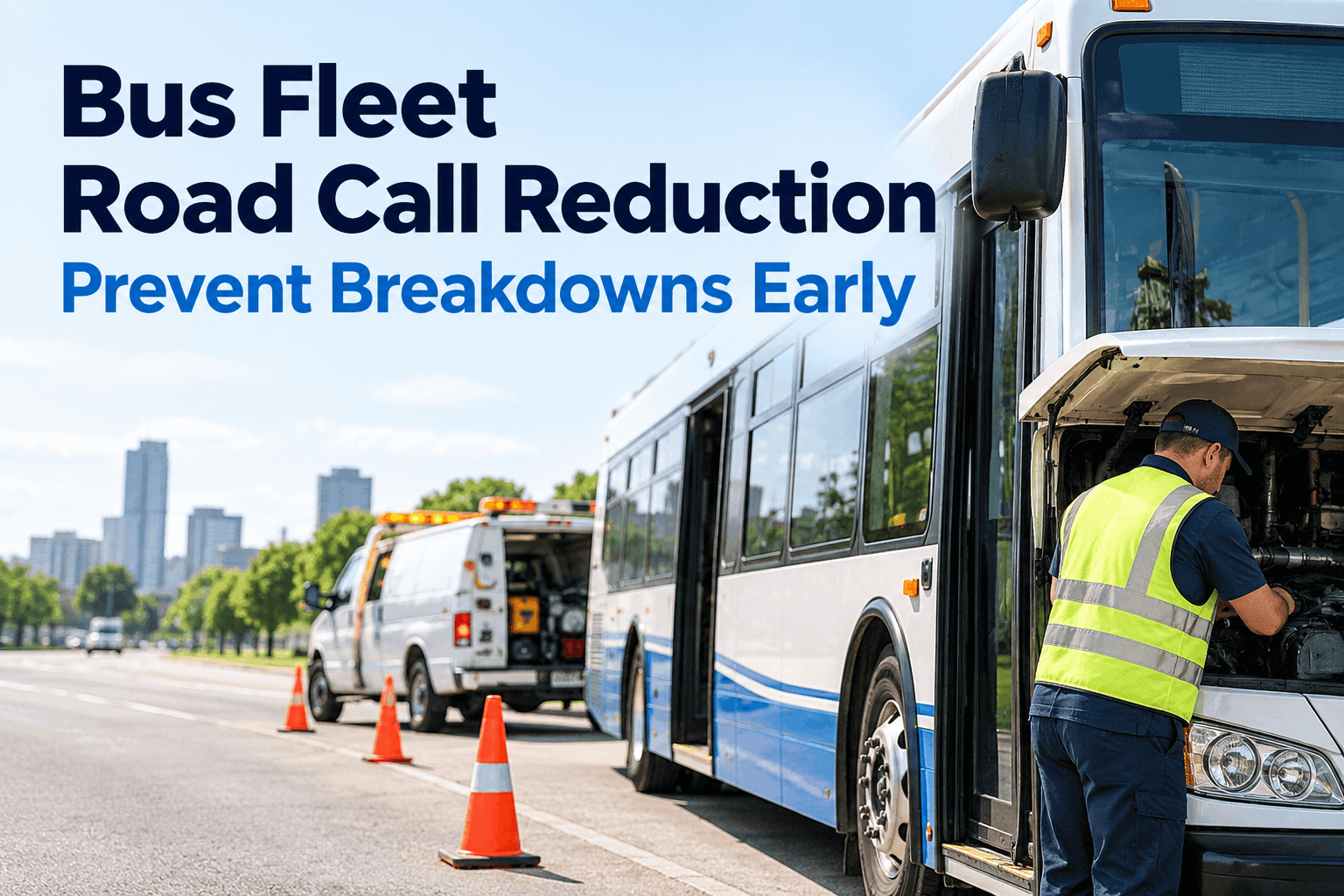
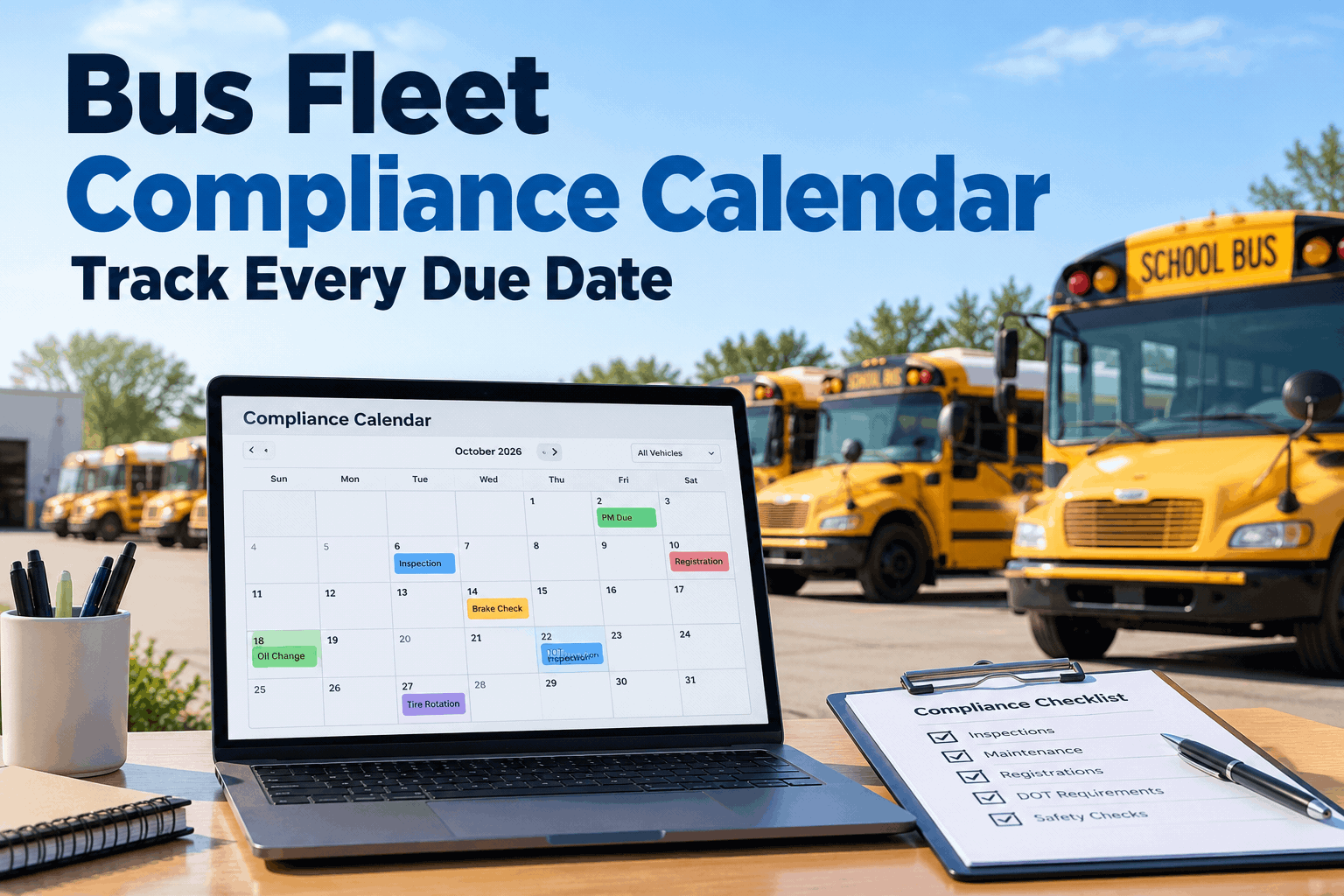
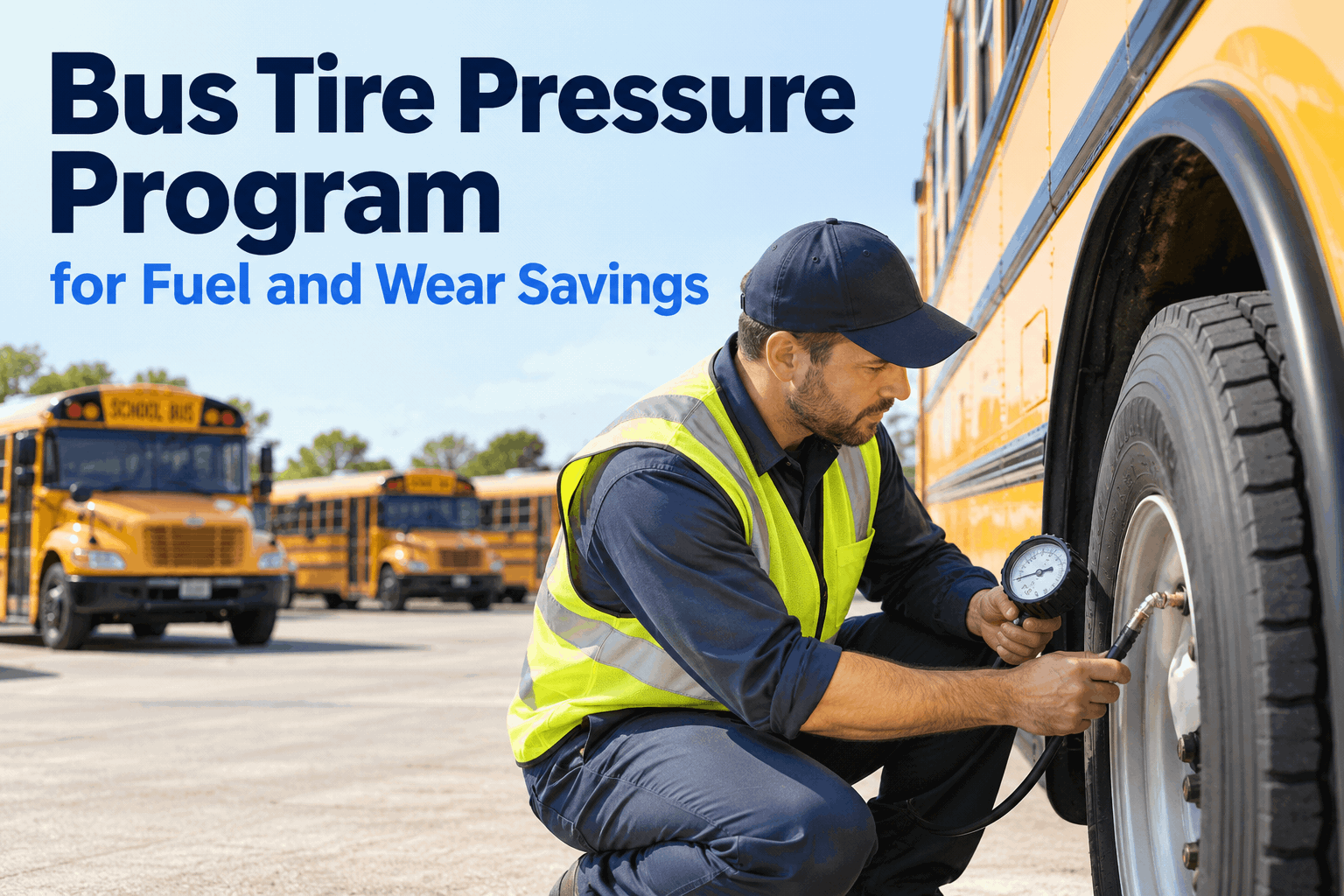
Small bus fleet operators face a different set of challenges than large organizations. A small charter operator with 8 buses, a rural school district with 12 buses, or a small transit system with 15 buses cannot afford enterprise software pricing ($25,000+ annually). They cannot hire dedicated maintenance managers, compliance specialists, or IT staff to manage systems. The owner or manager of a small fleet often wears multiple hats: dispatcher, maintenance coordinator, driver, bookkeeper. Adding complex software to this workload is counterproductive unless the software actually simplifies rather than complicates operations. Small fleet operators need affordable, easy-to-use software that handles the essential requirements: tracking maintenance due dates, documenting work performed, maintaining driver records, and generating compliance reports. The software must be accessible to non-technical users, require minimal IT support, and demonstrate clear return on investment. A small fleet operator cannot justify a $25,000 annual investment unless they see $30,000+ in value. That value comes from reduced downtime (keeping buses operating and generating revenue), improved maintenance efficiency (mechanics spending less time searching for information), and reduced regulatory risk (documentation ready for audits). Here's how small fleet operators use affordable, purpose-built CMMS software to manage operations professionally without enterprise complexity or pricing.
For Small Fleet Operators
Bus Fleet Management for Small Fleets
Built for small bus operators with 10-50 vehicles. DOT compliance, PM tracking, digital inspections without enterprise pricing. Scales from single-location to multi-site operations.
For 25-Bus Fleet
$4,800/year
Approximately $200 per bus annually
The Small Fleet Owner Challenge
A small fleet operator typically lacks specialized staff. The owner manages dispatch, handles customer calls, coordinates maintenance, and reviews finances. A maintenance supervisor or lead mechanic might handle day-to-day maintenance coordination, but they're also performing repairs, not just managing. Drivers might double as vehicle inspectors. This lean staffing creates operational fragility: when someone is sick or on vacation, coverage becomes challenging. When a critical task is forgotten (annual vehicle inspection, driver certification renewal), the problem compounds. A CMMS system designed for small operators must be intuitive enough that non-technical staff can use it without extensive training. Adding complexity actually decreases adoption and creates more work, not less.
Affordability constraint: Enterprise CMMS systems cost $15,000-$50,000 annually for a fleet of 50 buses. A small operator with 25 buses cannot justify this cost. Return on investment must be clear: if you're not saving at least $100,000 annually through improved efficiency and prevented downtime, the system is not worth the cost. Small fleet operators need systems costing $200-$500 per bus per year, generating value through simplified operations rather than automation of complex processes.
Multi-site growth challenges: Many small operators are growing. A small school district acquires another school, requiring management of buses at two locations. A charter operator opens a second depot. Suddenly they need a system that scales to multiple locations without proportional cost increase. A system built for small fleets should support growth without requiring replacement or major cost increases. Migrating to a new system at 50 buses because your original system doesn't support multiple locations is wasteful and risky.
Regulatory burden on small operators: Small operators face the same regulatory requirements as large operators: DOT compliance, state vehicle inspections, driver qualification files, maintenance documentation. A small operator with limited staff struggles to maintain these records manually. A single non-compliance finding during a state inspection can result in operating restrictions or fines. Documentation showing good-faith compliance efforts can reduce penalties. A system that simplifies compliance documentation provides disproportionate value to small operators with limited staff.
Simplicity and Ease of Use
Designed for non-technical users: A system built for small fleets assumes users have limited technical skills. No complicated configuration screens. No need to hire IT consultants. Simple workflows: record maintenance work, view upcoming due dates, generate inspection reports. Data entry should be straightforward: mechanics record work performed in plain language, not complex coding systems. A CMMS that requires training sessions and reference manuals is too complex for small operators with limited IT support.
Mobile accessibility for small teams: Small operations often have mechanics working independently without office staff. A mobile app allows mechanics to record work performed at the bus location rather than returning to an office to fill out forms. Drivers can submit inspection reports from their mobile device after their route. Supervisors can check system status from anywhere, not just the office. Mobile accessibility increases adoption and accuracy compared to collecting information manually and entering it later.
Pre-configured for common needs: Small operators don't want to spend months customizing a system. A small fleet CMMS should come pre-configured with common maintenance requirements: oil changes, tire inspections, brake checks, light repairs. Pre-built templates for compliance inspections (annual DOT, state safety inspections, emergency exit checks) save configuration time. Operators can customize for their specific needs, but the system should work out of the box for typical small fleet operations.
Cloud-based to avoid IT infrastructure: A system that doesn't require servers, database administrators, or IT staff is inherently simpler for small operators. Cloud-based systems handle backup, security, and updates automatically. Small operators access the system through web browser or mobile app without managing infrastructure. This eliminates the need for IT staff and reduces overall ownership cost.
Real Value for Small Operations
Case study: Rural school district with 18 buses: A small rural school district operated 18 buses serving three schools. The transportation director managed dispatch, route scheduling, and maintenance coordination. Maintenance records were kept in paper files at the maintenance facility. When a bus failed unexpectedly, there was no quick way to determine if a component was recently serviced or had never been maintained. Annual state safety inspections required gathering documents from file cabinets, creating multi-day administrative burden. The director estimated spending 8-10 hours per week on administrative tasks that could be automated.
After implementing an affordable CMMS, the director gained visibility into each bus's maintenance status and upcoming due dates. The system automatically tracked state inspection dates and alerted when inspections were overdue. When a bus failed, the maintenance history was instantly available. State inspection documentation was generated automatically by the system. Administrative time spent on maintenance management decreased from 8-10 hours per week to 2-3 hours per week. With the freed time, the director was able to implement planned preventive maintenance more consistently, reducing emergency repairs by 40%. The system cost $2,400 annually for 18 buses, less than the director's time savings in the first 6 months.
Revenue protection for charter operators: A small charter operator with 12 coaches experienced periodic breakdowns disrupting trips. Customers were inconvenienced, refunds or discounts were offered, and the operator's reputation suffered. A small-fleet CMMS providing predictive maintenance visibility allowed the operator to plan maintenance strategically during slow periods. Emergency breakdowns decreased 58%, reducing disrupted trips from an average of 8-10 per year to 3-4 per year. With an average trip value of $2,000, preventing 5 disrupted trips per year saved $10,000 in lost revenue and goodwill. The system cost $2,600 annually, achieving rapid payback through prevented disruptions.
Compliance confidence for growing operators: A small operator growing from 15 buses to 25 buses was concerned about losing control of compliance as the fleet grew. An affordable CMMS allowed the operator to maintain compliance visibility even during expansion. When growth was further accelerated to 35 buses, the operator was confident the system could scale with the growth, eliminating the need for migration or replacement.
Specific Features for Small Fleet Needs
Maintenance reminders and notifications: A primary value of any CMMS is preventing forgotten maintenance. The system tracks when services are due and notifies mechanics or supervisors before services are overdue. Email or SMS reminders about upcoming maintenance reduce reliance on anyone remembering. A service due in one week gets flagged early enough to schedule it during planned downtime rather than causing emergency service.
Pre-trip inspection support: Many small operators require drivers to perform pre-trip inspections but struggle with consistent documentation. A mobile form on a driver's phone allows quick inspection documentation: check brakes, lights, tires, safety equipment, sign off that the bus is safe to operate. This creates a documented record of inspections and alerts mechanics to defects immediately rather than waiting for verbal reporting.
Work order to service record flow: A mechanic receives a work order to replace brake pads. They perform the work, record the parts used, the time spent, and any issues discovered. The work order automatically converts to a service record documenting the maintenance. The system tracks parts inventory depletion and generates work orders for replacement parts when stock runs low. This flow simplifies operations and prevents information gaps.
Budget tracking for small operators: Small operators need to understand maintenance spending and budget accordingly. A CMMS tracks maintenance cost by bus, by month, by service type. The director can see if maintenance costs are increasing unexpectedly (indicating potential issues) or if certain buses are expensive to maintain (suggesting replacement candidates). This visibility helps with financial planning and capital equipment decisions.
Audit-ready documentation generation: When a state inspector arrives for a vehicle safety inspection, the operator can generate documentation showing when the vehicle was last inspected, any defects found, and what repairs were made. This demonstrates good maintenance practices and regulatory compliance. For small operators without dedicated compliance staff, this automated documentation generation provides significant value.
Small Fleet CMMS Questions
Is a CMMS worth it for a fleet as small as 10-15 buses?
Yes, if the right system is chosen. A small-fleet CMMS designed for affordability and simplicity delivers value through time savings and prevented breakdowns. A 12-bus operator saving 5-10 hours per week of administrative time, plus preventing 3-5 emergency repairs annually, sees clear return on investment. The key is choosing a system designed for small operators, not an expensive enterprise system that's overkill for your needs.
How much time does implementation take?
For a small fleet system, implementation is typically 1-3 weeks. You add your buses and drivers to the system, configure maintenance schedules (often using pre-built templates), and train staff on how to use it. Small-fleet systems are designed for quick implementation without months of customization. You can be operational in days if needed.
Can a single person manage the system, or do we need dedicated staff?
A single person can manage a small-fleet CMMS. One staff member (often the transportation manager or maintenance supervisor) manages the system as a secondary responsibility, not a full-time job. The system handles most tracking and notifications automatically, so management burden is minimal once initial configuration is complete.
What happens as we grow from 15 to 40 buses?
A well-designed small-fleet system scales with your growth. You can add buses, drivers, and maintenance facilities without replacing the system or significantly increasing cost per unit. The cost per bus typically decreases as the fleet grows, improving your ROI. Look for systems designed to grow with you rather than systems that require replacement at 50 buses.
Do we still need paper records?
A digital CMMS should eliminate most paper records. However, regulatory authorities sometimes still require original signatures or physical documentation. Check your specific state regulations. Most states accept digital records as long as digital authenticity can be verified. Digital records are easier to manage, backup, and search than paper files.
How much of our historical maintenance data do we need to migrate?
You should migrate at least the past 12-24 months of maintenance history so the system has baseline data for tracking patterns and planning maintenance intervals. Older data is less critical for operational purposes but valuable for analysis and compliance. The system typically handles bulk data import to reduce manual data entry burden.
Can a small operator integrate with their accounting system?
Yes. Many small-fleet CMMS systems integrate with common accounting software (QuickBooks, Wave, etc.) so maintenance costs flow automatically to accounting records. This eliminates manual entry of maintenance expenses and improves financial visibility. Check integration availability when evaluating systems.
Start Managing Your Fleet Professionally
Small fleet operators deserve software designed for their needs: affordable, simple, and focused on what matters. BusCMMS helps small operators manage maintenance, ensure compliance, and prevent costly downtime without enterprise complexity. See how small fleets use CMMS to operate more efficiently and reliably.