1
Battery Load Testing & Replacement
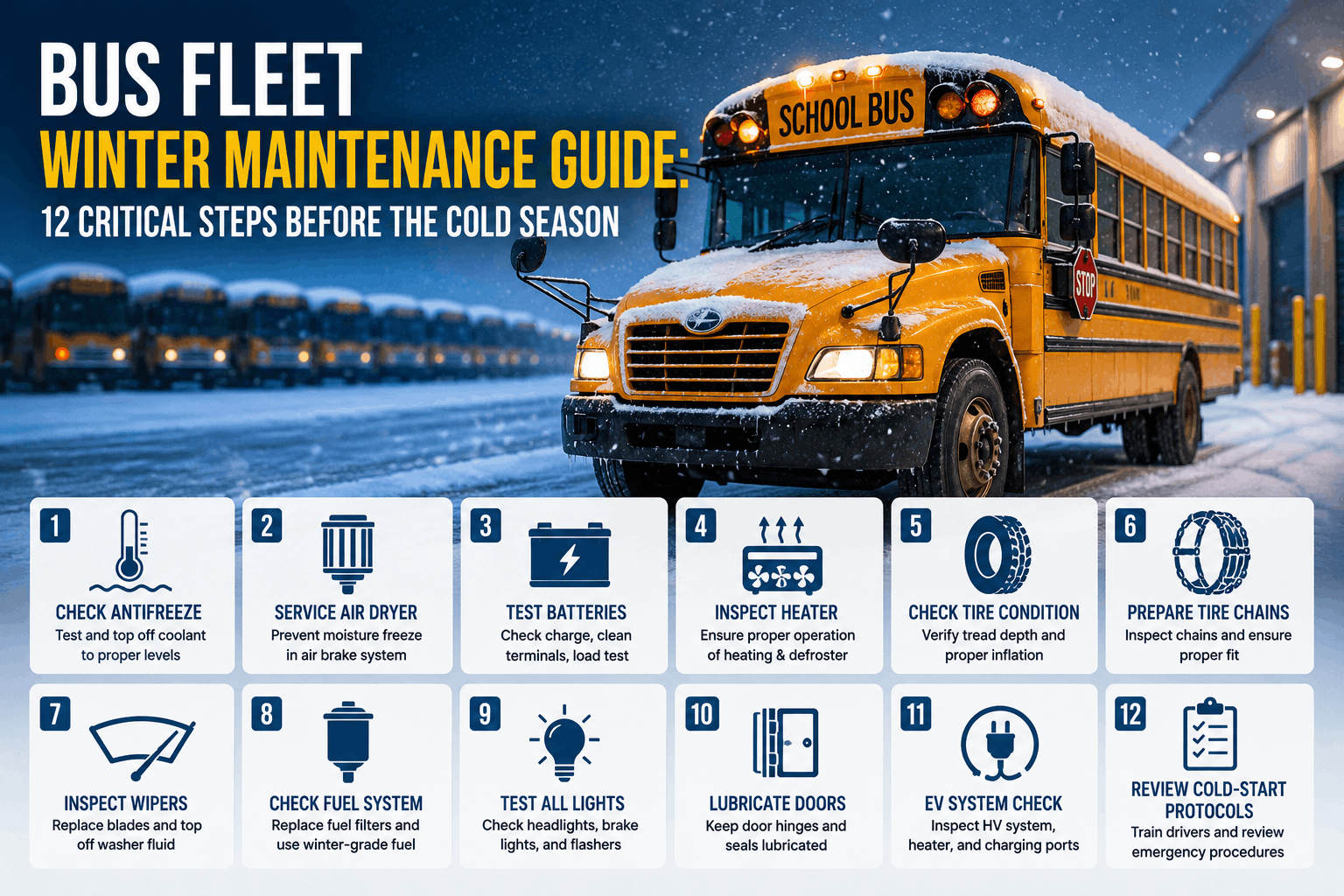
Cold weather reduces battery capacity by 30–60%. Load test all batteries. Any showing less than 75% capacity in fall testing should be replaced. Load test again in January after first cold snap. Inspect terminals for corrosion. Ensure secure mounting. A dead battery in winter isn't just inconvenience — it's a safety hazard.
✓ Test all batteries BEFORE cold weather arrives
✓ Replace batteries showing <75% capacity
✓ Clean corrosion from terminals
2
Antifreeze & Coolant System Service
Antifreeze should protect to at least 20°F below your region's coldest expected temperature. For most northern climates, this means -34°F protection, achieved with 50/50 coolant-to-water ratio. Test with refractometer for accuracy. Water freezes and expands with tremendous force — it cracks engine blocks, splits radiators, and pops freeze plugs. Inspect hoses for leaks and damage. Check thermostat function. Ensure cabin heater produces adequate heat.
✓ Test coolant concentration with refractometer
✓ Verify protection level covers expected low temps
✓ Inspect and replace cracked hoses
3
Air Dryer Service & Moisture Control
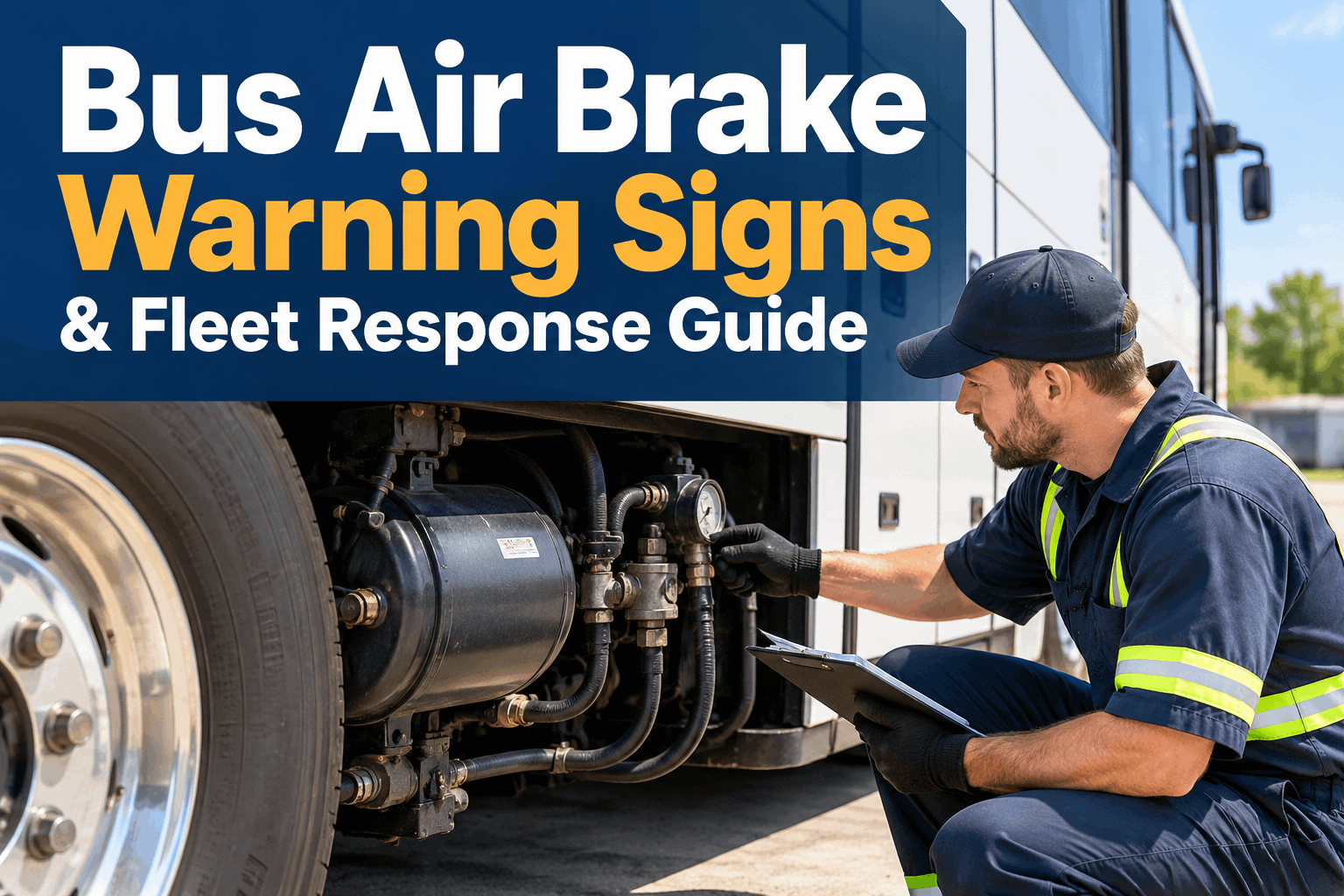
For vehicles with air brake systems, replace air dryer cartridges before winter. Water accumulation in air reservoirs can freeze, damaging braking and pneumatic systems. Regularly drain air tanks to remove moisture and dirt. Moisture in compressed air is the leading cause of air brake system failures in winter. This is not optional — frozen air systems disable brakes.
✓ Replace air dryer cartridges
✓ Drain air tanks weekly during winter
✓ Avoid adding air-line antifreeze to Air Disc Brakes (damages seals)
4
Fuel System Winter Treatment
Switch to winter-grade diesel fuel blend when temperatures regularly drop below 15°F. Add anti-gel and cetane additives to fuel tanks. Top off fuel tanks to prevent condensation inside tanks (water in fuel = fuel line freeze-up). Untreated diesel begins forming wax crystals at 10–15°F, blocking fuel filters and starving engines of fuel. This is a preventable failure if you use additives and winter-grade fuel.
✓ Switch fuel suppliers if local fuel not winter-treated
✓ Use anti-gel additives below 15°F
✓ Top off fuel tanks to minimize condensation
5
Tire Pressure & Tread Depth Verification
Cold temperatures cause tire pressure to drop 1–2 PSI for every 10°F temperature decrease. Check tire pressure when tires are cold (vehicle hasn't been driven for 3+ hours). Inflate to manufacturer spec. Verify tread depth minimum 4/32" (steer tires require deeper tread than drive tires). Check for sidewall damage, cuts, or bulges. Winter traction is critical — underprepared tires cause preventable accidents.
✓ Check pressure in cold conditions, not after driving
✓ Verify tread depth meets winter minimums
✓ Replace tires showing sidewall damage
6
Brake System Inspection & Air Pressure Testing
Test service and parking brakes. Inspect hoses for cracking or moisture buildup. Measure brake stroke and verify air pressure holding (no more than 3 PSI drop per minute). Confirm air dryer is functioning. Brakes are most critical safety system — cold weather reduces their effectiveness, so they must start in optimal condition.
✓ Measure brake air pressure holding with gauge
✓ Inspect hoses for damage
✓ Test parking brake holding on incline
7
Heating System & Defroster Testing
Test HVAC, cab heater, and defroster for full function before winter. No defrost = driver can't see = accident. Drivers must have warm cabs — cold, fatigued drivers make poor decisions. Ensure heater produces adequate heat. Check for leaks in heating lines. In winter, a broken heater isn't comfort — it's a safety issue.
✓ Test heater producing hot air within 30 seconds
✓ Test defroster clearing windshield
✓ Inspect heating hoses for leaks
8
Lighting & Visibility Preparation
Ensure all lights are clean and functional. Replace worn wiper blades. Use winter-grade windshield washer fluid (rated to -20°F or below). Clean windshield completely before cold season. Remove ice, snow, and salt from ADAS sensors, cameras, and radar units. Winter darkness and snow reduce visibility — lighting must be flawless.
✓ Test all headlights, taillights, and marker lights
✓ Replace wiper blades if streaking
✓ Verify washer fluid rated for winter temps
9
DEF System Winter Readiness (Diesel Only)
DEF (diesel exhaust fluid) begins freezing around 12°F. Verify heaters are functioning on DEF tanks. Don't let DEF sit in idle tractors without power — it will freeze. For fleets with overnight parking outdoors, consider parking in heated bay or using engine block heaters to keep DEF fluid warm. Frozen DEF blocks diesel engine operation — prevent this with heating.
✓ Verify DEF tank heaters working
✓ Park buses with heaters running if outdoors overnight
✓ Monitor DEF level — don't let tanks get empty (promotes freezing)
10
Block Heater Installation & Schedule Setup
If buses park outdoors overnight, install block heaters (keeps engine warm, reduces cold-start stress). Schedule heaters to activate 2–3 hours before morning start. Block heaters reduce engine wear and improve cold-start reliability significantly. Consider shore power connections at depots — allows overnight charging and heating without running engines.
✓ Verify block heaters functioning
✓ Set timer for 2–3 hours before first route
✓ Test plug-in connections at dock
11
Driver Training & Cold-Weather Protocol
Mandatory driver training on winter operations: checking tire pressure, verifying lights, confirming heater/defroster work before dispatch. Establish protocol: longer warm-up time (3–5 minutes idling to ensure hydraulic fluid warms), slower acceleration to prevent wheel spin, increased following distance, recognition of black ice conditions. Drivers are your first line of defense against winter breakdowns.
✓ Conduct driver safety briefing before winter
✓ Provide cold-weather driving guidelines
✓ Emphasize pre-trip inspection importance in winter
12
Emergency Supply Stocking
Each bus needs winter emergency kit: heavy-duty ice scrapers, snow brushes, traction mats, bags of sand or absorbent material, folding shovel, jump starter battery packs (rated for diesel engines), heavy-duty jumper cables, blankets, flashlight, extra layers, water, food, first aid kit, tire chains if operating in mountain terrain. Stranded drivers need supplies to stay safe until rescue arrives.
✓ Stock all buses with emergency kits
✓ Verify supplies at start of winter and mid-winter
✓ Train drivers on kit location and proper usage