Fleet maintenance has evolved from clipboard checklists and paper trails to sophisticated digital ecosystems that protect lives and optimize operations. For US manufacturing professionals managing bus fleets, the implementation of comprehensive maintenance software represents a critical investment in safety, efficiency, and regulatory compliance. With fleet downtime costing companies an average of $760 per vehicle per day, the stakes for getting maintenance right have never been higher.
Modern bus maintenance software serves as the central nervous system of fleet operations, connecting real-time vehicle diagnostics with predictive analytics, compliance tracking, and automated scheduling. This technological transformation isn't just about preventing breakdowns—it's about creating a proactive safety culture that protects drivers, passengers, and your organization's reputation. As federal regulations tighten and safety expectations rise, the right maintenance software becomes not just an operational tool, but a strategic differentiator in the competitive transportation landscape.
Understanding Modern Bus Maintenance Software Capabilities
Today's bus maintenance software goes far beyond simple work order management. These comprehensive platforms integrate multiple functionalities that work together to create a seamless maintenance ecosystem. At the core, you'll find automated scheduling systems that track every component's lifecycle, from engine hours to tire tread depth, ensuring nothing slips through the cracks. The software monitors manufacturer recommendations, regulatory requirements, and historical performance data to create optimized maintenance schedules that balance safety with operational efficiency.
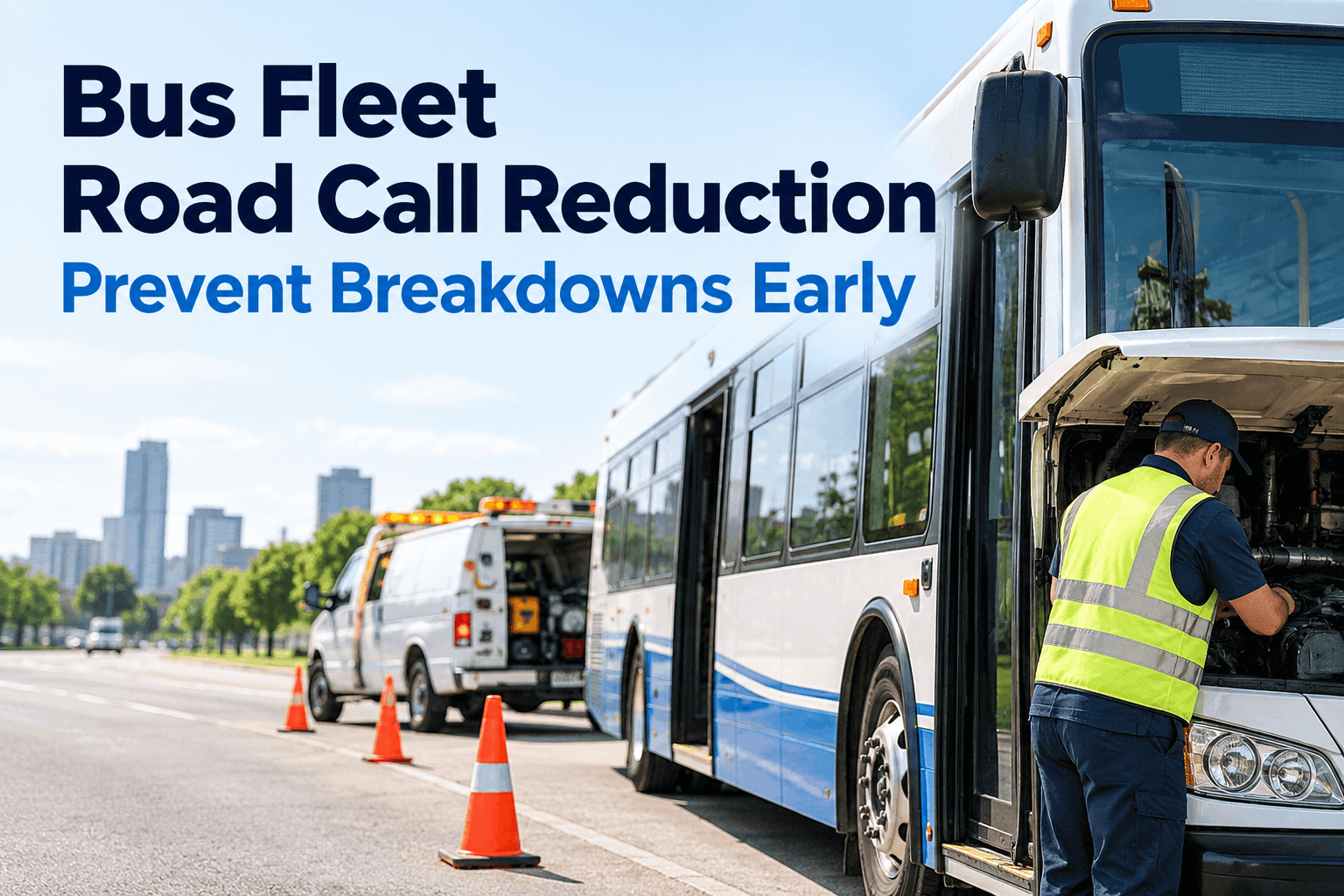
Real-time diagnostics have revolutionized how fleet managers approach vehicle health. Modern CMMS systems connect directly to vehicle telematics, pulling diagnostic trouble codes, sensor readings, and performance metrics continuously. This constant stream of data enables predictive maintenance strategies that identify potential failures before they occur. For instance, subtle changes in engine temperature patterns or brake pressure readings can trigger automated alerts, allowing technicians to address issues during scheduled downtime rather than emergency repairs.
The integration capabilities of contemporary maintenance software extend throughout the organization. These systems seamlessly connect with parts inventory management, ensuring critical components are always in stock. They interface with GPS systems for location-based maintenance routing and integrate with financial software for accurate cost tracking and budgeting. This holistic approach transforms maintenance from a reactive cost center into a proactive value driver that enhances safety while reducing operational expenses.
Implementing Preventive Maintenance for Maximum Safety
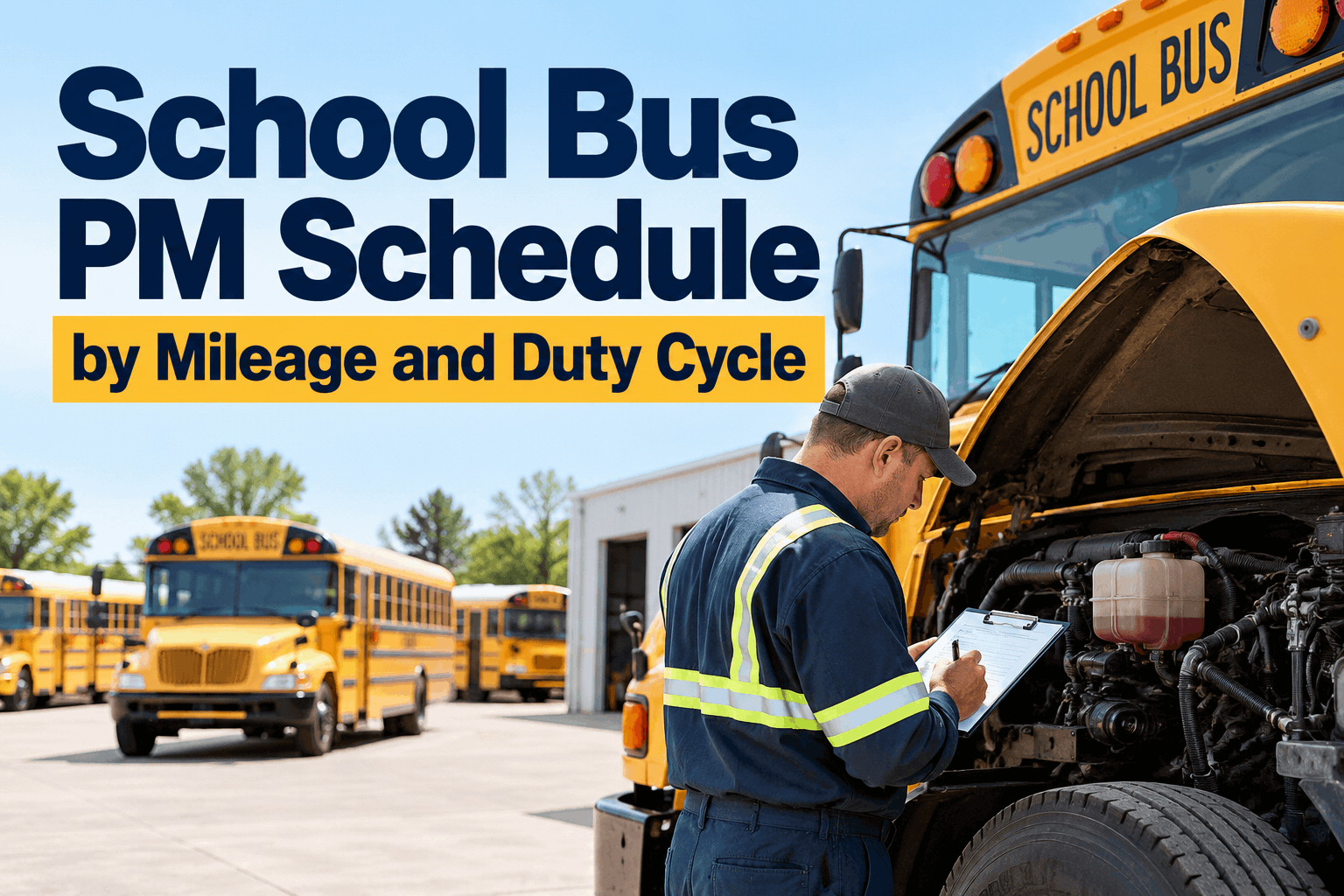
Preventive maintenance forms the backbone of any successful fleet safety program. Bus maintenance software automates and optimizes this critical function by creating intelligent schedules based on multiple variables including mileage, engine hours, calendar time, and specific component wear patterns. This multi-dimensional approach ensures that maintenance activities align with actual vehicle usage rather than arbitrary timelines, maximizing both safety and efficiency.
The software's ability to track and analyze historical maintenance data provides invaluable insights for continuous improvement. By identifying patterns in component failures and maintenance needs across your fleet, the system helps refine preventive maintenance schedules to address issues before they impact safety. For example, if brake components consistently show wear at 15,000 miles instead of the manufacturer's suggested 20,000, the software automatically adjusts inspection intervals to maintain optimal safety margins.
Digital inspection processes revolutionize how technicians conduct preventive maintenance. Mobile-enabled maintenance software allows mechanics to complete detailed inspections using tablets or smartphones, with built-in checklists ensuring nothing is overlooked. Photo documentation capabilities enable technicians to capture and catalog wear patterns, creating visual maintenance histories that improve diagnostic accuracy and training effectiveness. These digital records also provide crucial documentation for regulatory compliance and liability protection.
Transform your fleet's safety performance with comprehensive maintenance software. Discover how digital maintenance management can reduce downtime and protect your drivers.
Getting StartedBook a Demo
Compliance Management and Regulatory Adherence
Navigating the complex web of federal, state, and local regulations governing bus fleet maintenance requires sophisticated tracking and documentation capabilities. Modern maintenance software serves as a compliance command center, automatically tracking inspection due dates, maintaining detailed service records, and generating reports that satisfy regulatory requirements. The software ensures your fleet meets DOT regulations, state inspection requirements, and industry-specific standards without the administrative burden of manual tracking.
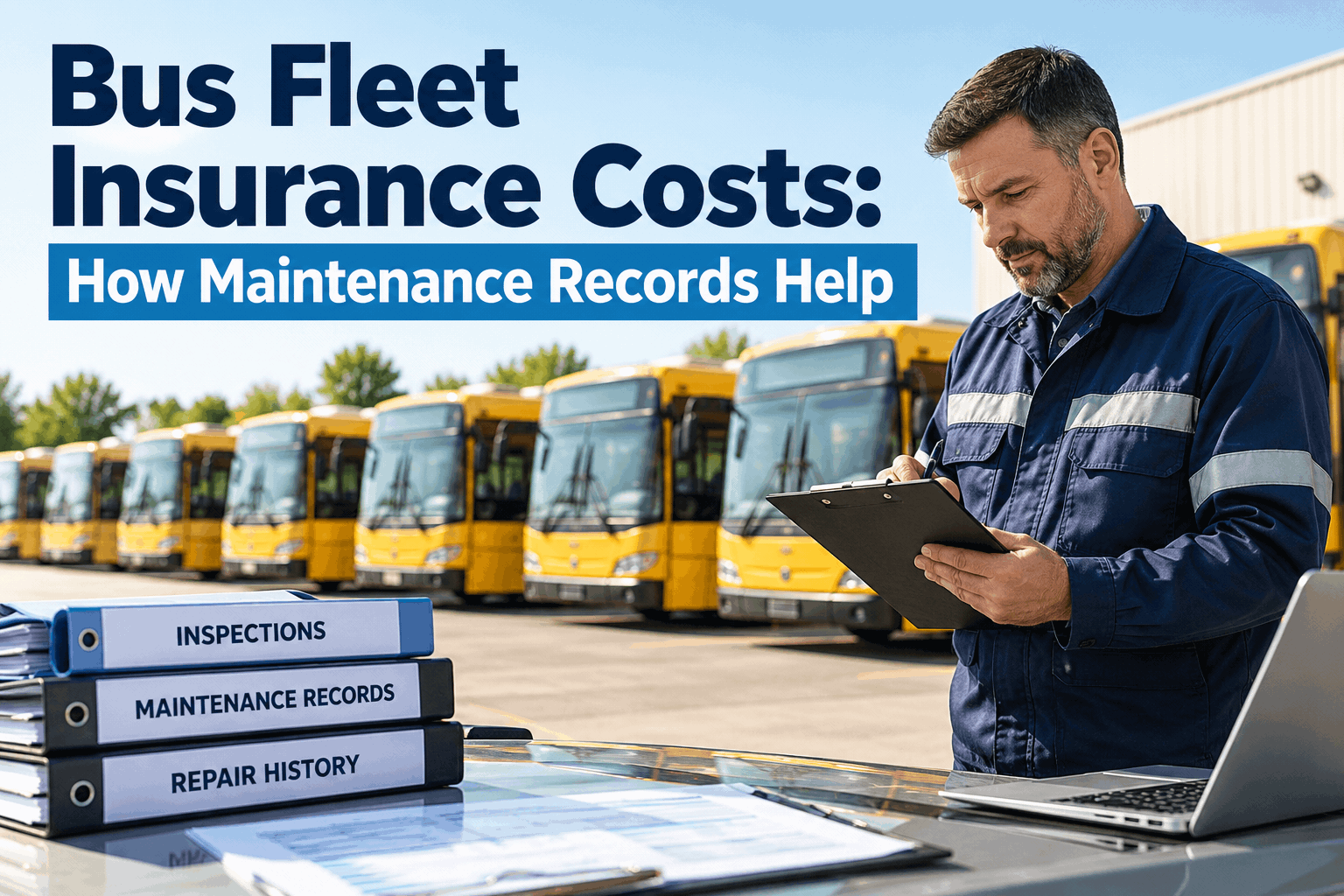
Automated compliance alerts prevent costly oversights that could result in violations, fines, or worse—safety incidents. The system monitors multiple compliance timelines simultaneously, from annual DOT inspections to daily pre-trip checks, sending proactive notifications to ensure nothing falls through the cracks. When audits occur, comprehensive digital records can be instantly accessed and exported, demonstrating your commitment to safety and regulatory adherence. This level of documentation not only satisfies regulators but also provides powerful liability protection in the event of incidents.
The software's reporting capabilities extend beyond basic compliance, offering analytics that help identify compliance trends and potential issues before they become violations. Fleet managers can track inspection pass rates, identify vehicles or components with recurring issues, and demonstrate continuous improvement to regulators and stakeholders. This proactive approach to compliance management transforms regulatory requirements from burdensome obligations into opportunities for operational excellence.
Cost Optimization Through Intelligent Maintenance Management
While safety remains the primary driver for maintenance software adoption, the financial benefits are equally compelling. Intelligent maintenance management systems deliver ROI through multiple channels, from reduced emergency repair costs to extended vehicle lifespans. By shifting from reactive to predictive maintenance strategies, fleets typically see maintenance costs decrease by 25-35% while simultaneously improving vehicle reliability and safety.
The software's ability to track maintenance costs at granular levels—by vehicle, component, technician, and vendor—provides unprecedented visibility into spending patterns. This data enables strategic decision-making about vehicle replacement timing, vendor selection, and resource allocation. For instance, comprehensive cost-per-mile analytics help identify vehicles that have become uneconomical to maintain, supporting data-driven fleet renewal strategies. Similarly, vendor performance tracking ensures you're getting the best value from parts suppliers and service providers.
Labor optimization represents another significant cost-saving opportunity. Maintenance software streamlines work order management, reducing administrative time and improving technician productivity. Automated parts ordering, digital work instructions, and mobile access to vehicle histories enable technicians to complete repairs more efficiently. The software can also balance workloads across maintenance staff, ensuring optimal resource utilization while preventing burnout. These efficiency gains translate directly to bottom-line savings while maintaining the highest safety standards.
Integration with Fleet Management Ecosystems
The true power of modern bus maintenance software emerges when it integrates seamlessly with broader fleet management systems. This integration creates a unified operational platform where maintenance data informs route planning, driver assignments, and strategic decision-making. For example, when a bus requires maintenance, the system can automatically adjust route assignments, ensuring that vehicles with upcoming service needs operate on shorter routes near maintenance facilities.
GPS tracking integration enables location-based maintenance strategies that minimize deadhead miles and maximize vehicle utilization. Real-time location data helps maintenance teams coordinate service activities, retrieve broken-down vehicles efficiently, and ensure that preventive maintenance doesn't disrupt critical routes. The combination of maintenance scheduling and route optimization can reduce overall fleet mileage by 10-15%, delivering both safety and environmental benefits.
Advanced analytics capabilities transform raw maintenance data into actionable business intelligence. By combining maintenance records with operational data, fleet managers gain insights that drive continuous improvement. They can identify correlations between driving patterns and maintenance needs, optimize PM schedules based on actual usage patterns, and predict future maintenance budgets with unprecedented accuracy. This data-driven approach elevates maintenance from a necessary expense to a strategic advantage.
Ready to revolutionize your fleet maintenance operations? Take the first step toward enhanced safety, reduced downtime, and optimized costs with our comprehensive bus maintenance software solution.
Getting StartedBook a Demo
Bus maintenance software has evolved from a nice-to-have tool to an essential component of modern fleet operations. For US manufacturing professionals managing bus fleets, these systems deliver a powerful combination of enhanced safety, regulatory compliance, and operational efficiency. The ability to predict and prevent failures, automate compliance tracking, and optimize maintenance resources fundamentally changes how organizations approach fleet safety.
As the transportation industry continues to evolve with new technologies and tightening regulations, the organizations that embrace comprehensive maintenance software will find themselves better positioned to protect their passengers, drivers, and bottom line. The question isn't whether to implement maintenance software, but how quickly you can leverage these tools to transform your fleet's safety performance and operational excellence. The future of fleet maintenance is digital, predictive, and proactive—and it's available today.
Frequently Asked Questions
Q: How long does it typically take to implement bus maintenance software across a fleet?
A: Implementation timelines vary based on fleet size and complexity, but most organizations complete the process in 4-12 weeks. This includes initial setup, data migration, system integration, and staff training. Phased rollouts often work best, starting with a pilot group of vehicles before expanding fleet-wide. The key to successful implementation is thorough planning and adequate training to ensure all team members can effectively use the new system.
Q: What are the essential features to look for in bus maintenance software?
A: Essential features include automated PM scheduling, real-time diagnostic integration, mobile accessibility for technicians, comprehensive reporting capabilities, parts inventory management, and regulatory compliance tracking. Look for systems that offer customizable inspection checklists, photo documentation capabilities, and seamless integration with existing fleet management tools. The software should also provide robust analytics for cost tracking and performance optimization.
Q: How does maintenance software improve safety beyond preventing breakdowns?
A: Maintenance software enhances safety through multiple mechanisms including ensuring critical safety components receive timely attention, maintaining detailed inspection histories that reveal wear patterns, enabling proactive replacement of components before failure, and providing comprehensive documentation for safety audits. The software also helps identify systemic issues across the fleet, supports driver training by documenting vehicle-specific quirks, and ensures compliance with all safety regulations.
Q: What kind of ROI can we expect from implementing maintenance software?
A: Most fleets see positive ROI within 6-12 months through reduced emergency repairs (30-40% decrease), lower parts inventory costs (20% reduction through better planning), decreased vehicle downtime (45% improvement), and extended vehicle lifespan (15-20% increase). Annual savings typically range from $2,000-5,000 per vehicle, depending on fleet size and current maintenance practices. Additional benefits include reduced liability exposure and improved regulatory compliance.
Q: Can maintenance software integrate with older buses that lack modern telematics?
A: Yes, maintenance software can effectively manage older vehicles through manual data entry and aftermarket telematics solutions. While newer buses offer deeper integration possibilities, older vehicles can be equipped with plug-in diagnostic devices that provide essential data. The software can still track maintenance schedules, manage work orders, and ensure compliance for older buses, with technicians manually entering inspection results and meter readings through mobile devices.