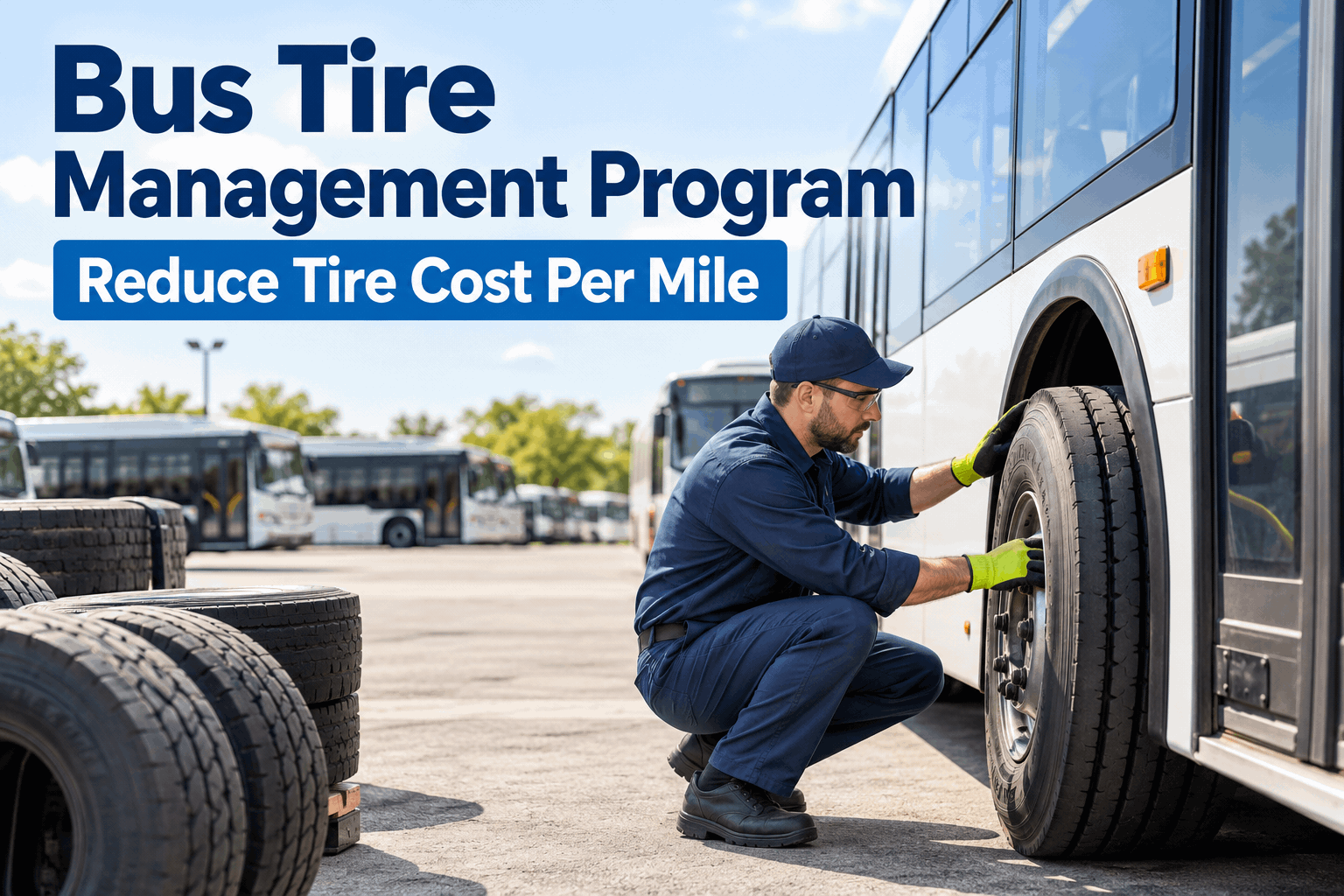
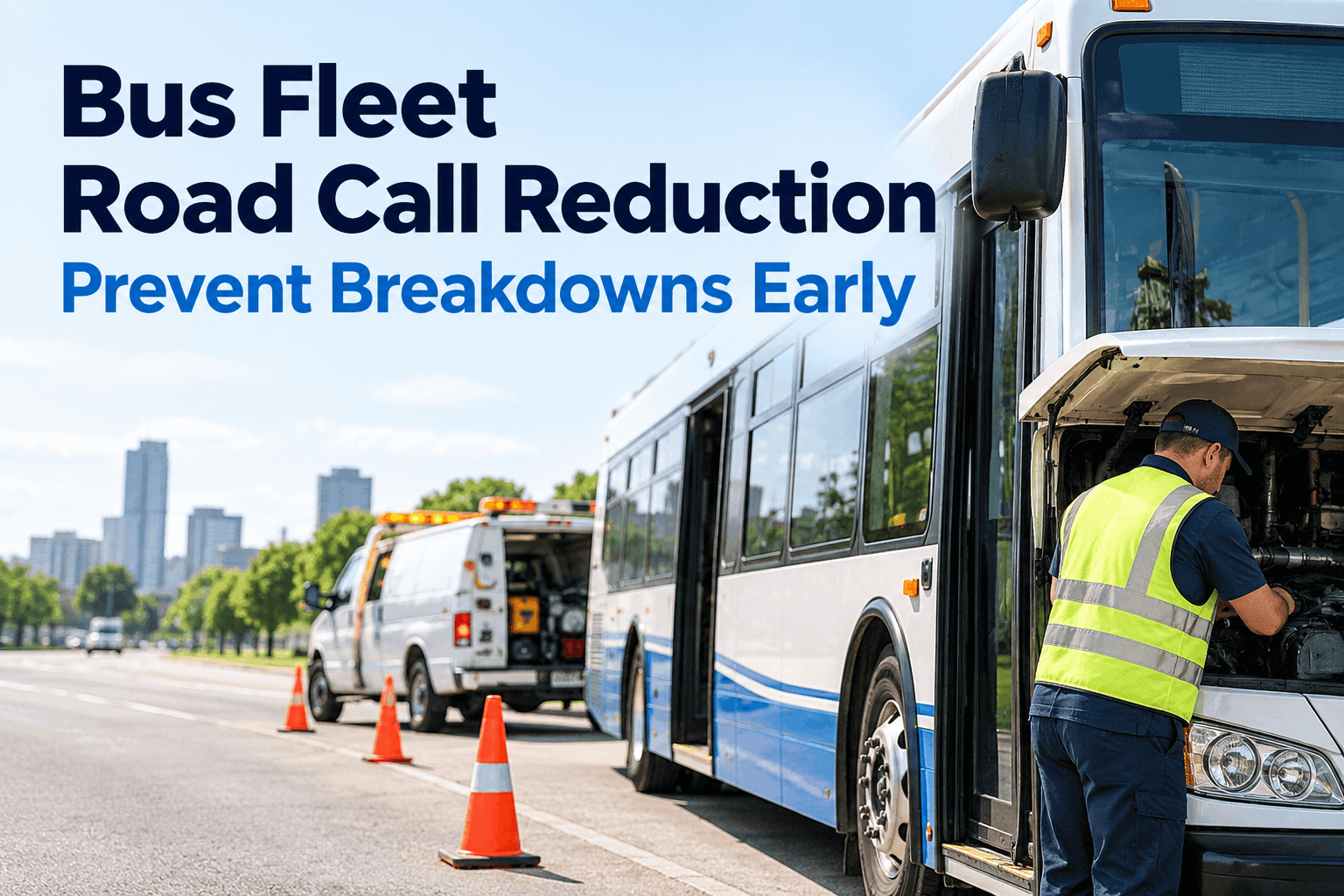
For US manufacturing professionals managing bus fleets, whether for employee transportation, material handling, or customer services, implementing a safety-first approach to maintenance software can be the difference between smooth operations and costly disruptions. This comprehensive guide will walk you through everything you need to know about selecting, implementing, and maximizing the value of bus maintenance software with safety as your primary focus.
Why Safety Should Be Your Top Priority in Bus Fleet Management
The manufacturing sector in the United States faces unique challenges when it comes to fleet management. With over 250,000 buses operating in various manufacturing and industrial contexts, the stakes for safety have never been higher. A single safety incident can result in significant financial losses, regulatory penalties, and most importantly, put lives at risk.
Modern bus maintenance software serves as your first line of defense against potential safety hazards. By providing real-time monitoring, predictive analytics, and comprehensive maintenance scheduling, these systems help you identify and address issues before they become safety risks.
The True Cost of Safety Oversights
- Regulatory Penalties: FMCSA violations can cost between $1,000 to $16,000 per incident
- Insurance Premium Increases: Safety incidents can increase premiums by 25-40%
- Operational Downtime: Unplanned maintenance can cost $500-$1,500 per day per vehicle
- Reputation Damage: Safety incidents can impact customer relationships and employee morale
- Legal Liability: Accident-related lawsuits average $1.2 million in the transportation sector
Essential Safety Features to Look for in Bus Maintenance Software
Not all maintenance software is created equal, especially when it comes to safety-critical applications. When evaluating solutions for your manufacturing operation, prioritize these essential safety features:
Real-Time Vehicle Monitoring
Your software should provide continuous monitoring of critical safety systems including brakes, steering, suspension, and engine performance. Look for solutions that integrate with telematics systems to provide real-time alerts when safety parameters fall outside acceptable ranges.
Automated Inspection Scheduling
Federal and state regulations require regular safety inspections. Your maintenance software should automatically schedule and track DOT inspections, pre-trip inspections, and manufacturer-recommended safety checks. The system should send alerts well in advance of due dates to prevent compliance lapses.
Driver Vehicle Inspection Reports (DVIR) Integration
Seamless integration with digital DVIR systems ensures that driver-reported issues are immediately logged and prioritized based on safety criticality. This feature is particularly important for manufacturing environments where buses operate in challenging conditions.
Book a Demo
Predictive Analytics and AI-Powered Insights
Advanced maintenance software leverages machine learning algorithms to predict potential failures before they occur. This is particularly crucial for safety-critical components like braking systems, where early detection can prevent catastrophic failures.
Compliance and Regulatory Requirements Made Simple
Navigating the complex web of federal, state, and local regulations can be overwhelming for manufacturing professionals. The right maintenance software should simplify compliance by automating regulatory tracking and ensuring your fleet meets all applicable safety standards.
Federal Motor Carrier Safety Administration (FMCSA) Compliance
Your software must track and manage FMCSA requirements including:
- Annual inspections and certifications
- Driver qualification files
- Hours of service compliance
- Drug and alcohol testing records
- Accident reporting and investigation documentation
State and Local Regulations
Manufacturing operations often span multiple states, each with unique regulatory requirements. Your maintenance software should accommodate varying inspection frequencies, emission standards, and safety requirements across different jurisdictions.
Industry-Specific Standards
Manufacturing environments may require additional safety considerations such as:
- OSHA workplace safety standards
- Environmental Protection Agency (EPA) emission requirements
- Industry-specific safety protocols
- Customer safety requirements and certifications
Predictive Maintenance: Preventing Safety Issues Before They Occur
The evolution from reactive to predictive maintenance represents one of the most significant advances in fleet safety management. For manufacturing professionals, this shift can mean the difference between planned maintenance during scheduled downtime and emergency repairs that disrupt critical operations.
Key Predictive Maintenance Capabilities
- Condition Monitoring: Continuous tracking of component wear and performance degradation
- Failure Pattern Analysis: AI-powered analysis of historical data to identify failure patterns
- Optimal Maintenance Timing: Recommendations for maintenance timing that maximizes safety while minimizing costs
- Parts Inventory Optimization: Predictive ordering of safety-critical components before they're needed
- Maintenance Resource Planning: Scheduling maintenance activities to minimize operational disruption
ROI of Predictive Maintenance in Manufacturing
Manufacturing operations that implement predictive maintenance strategies typically see:
- 40-60% reduction in maintenance costs
- 75% reduction in unexpected breakdowns
- 25% increase in equipment lifespan
- 85% improvement in maintenance efficiency
- 95% reduction in safety-related incidents
Implementation Best Practices for Maximum Safety ROI
Successfully implementing bus maintenance software requires more than just purchasing the right system. For manufacturing professionals looking to maximize their safety ROI, following these best practices is essential:
Phase 1: Assessment and Planning
Begin with a comprehensive assessment of your current maintenance practices, safety performance, and regulatory compliance status. This baseline will help you measure the success of your implementation and identify priority areas for improvement.
Phase 2: Staff Training and Change Management
The most sophisticated software is only as effective as the people using it. Invest in comprehensive training programs that cover not just the technical aspects of the software, but also the safety implications of proper usage.
Phase 3: Data Integration and Migration
Ensure that historical maintenance data, inspection records, and safety documentation are properly migrated to the new system. This historical data is crucial for predictive analytics and trend analysis.
Phase 4: Continuous Improvement
Implement regular reviews of safety metrics, maintenance performance, and system utilization. Use this data to continuously refine your maintenance processes and safety protocols.
Conclusion: Making Safety Your Competitive Advantage
In today's manufacturing environment, safety-first bus maintenance software isn't just about compliance—it's about creating a competitive advantage through operational excellence, cost reduction, and risk mitigation. By implementing the right solution with proper planning and execution, manufacturing professionals can achieve significant improvements in safety performance while reducing total cost of ownership.
The key to success lies in selecting software that prioritizes safety features, provides comprehensive compliance management, and offers predictive maintenance capabilities. With the right system in place, your organization can move beyond reactive maintenance to a proactive safety-first approach that protects your people, assets, and bottom line.
Remember, the cost of implementing comprehensive maintenance software is minimal compared to the potential costs of safety incidents, regulatory violations, and unplanned downtime. For US manufacturing professionals, the question isn't whether you can afford to implement safety-first maintenance software—it's whether you can afford not to.