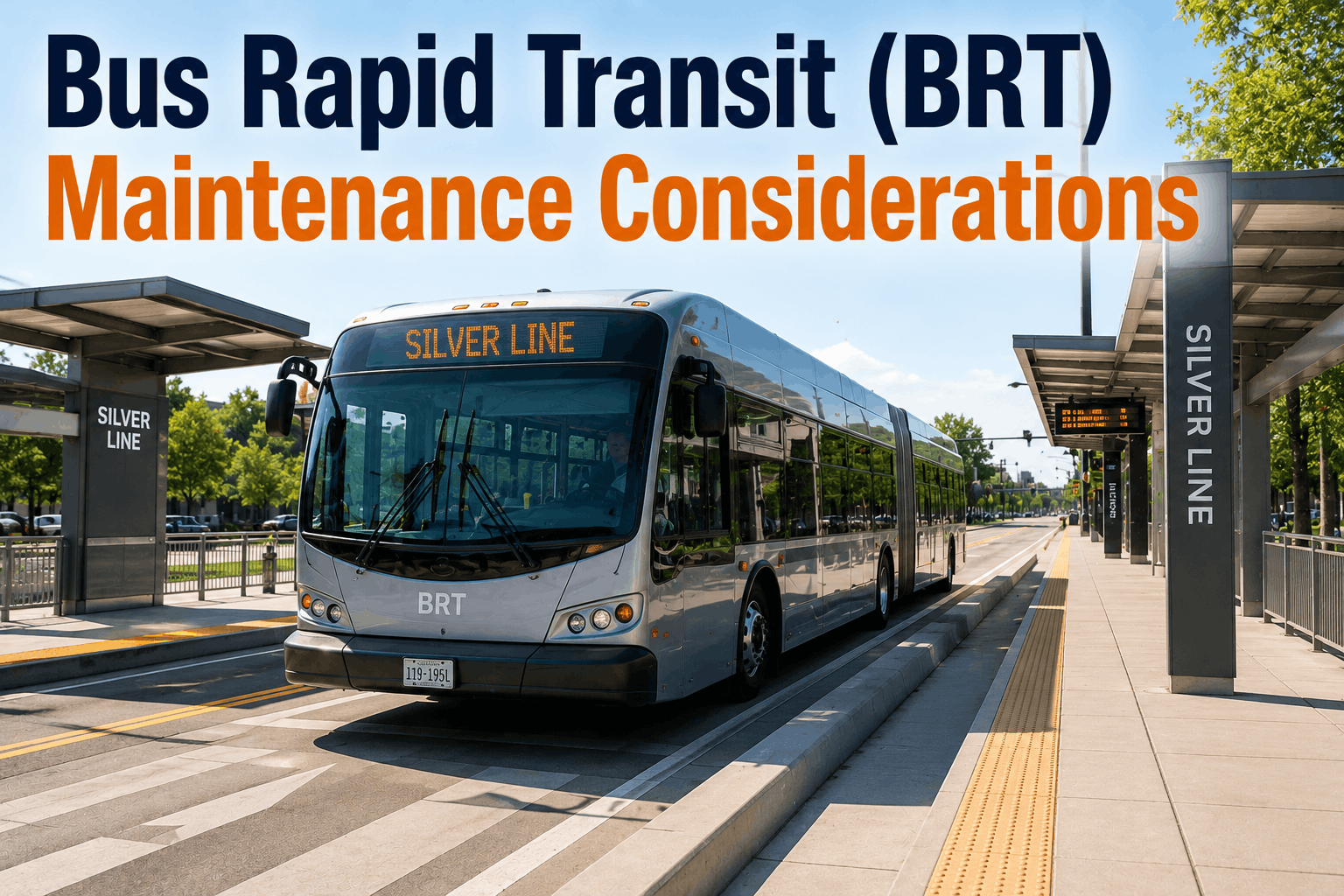
Bus Rapid Transit (BRT) systems operate buses on dedicated lanes with frequent stops, higher passenger loads, and more aggressive operating schedules than standard transit. A BRT bus might accumulate 100,000+ miles annually (compared to 35,000–50,000 for typical transit), make 200+ stops per day (vs. 50–100 for conventional routes), and carry peak loads of 100+ passengers multiple times daily. This aggressive duty cycle creates maintenance demands unlike conventional bus operations. Transmission shifts harder, brakes work hotter and more frequently, doors cycle faster, and structural stress compounds faster. BRT fleets require specialized maintenance programs tuned to high-demand operation. This comprehensive guide explains BRT-specific maintenance challenges, the unique systems that fail first, how to extend component life in high-mileage service, and how to structure a maintenance program that keeps BRT buses operational in their demanding environment.
Specialized Transit
Bus Rapid Transit (BRT) Maintenance: High-Demand Fleet Considerations
BRT runs hard on dedicated lanes. Learn unique maintenance demands, failure points, and strategies for keeping BRT buses reliable in aggressive service.
Why BRT Maintenance Differs From Conventional Transit
BRT (Bus Rapid Transit) systems use regular buses but operate them in ways that accelerate wear compared to conventional transit. Key differences: dedicated lanes allow higher speeds between stops (aggressive acceleration/braking cycles), frequent stops (door cycles 2–3x higher), peak loads (heavier passenger weight), and longer operating windows (extended duty cycles). A conventional bus might last 12–15 years in standard transit. A BRT bus in the same fleet might need major overhaul or replacement at 8–10 years if maintenance isn't optimized for high-demand operation.
Annual Mileage
Conventional Transit: 35,000–50,000 mi/year
BRT: 100,000–120,000 mi/year (2–3x higher)
Daily Door Cycles
Conventional: 100–150 cycles/day
BRT: 300–400 cycles/day (3–4x higher)
Brake Applications
Conventional: 50–80/day
BRT: 150–200/day (frequent stops on dedicated lane)
Transmission Shifts
Conventional: Moderate duty
BRT: High-duty (rapid acceleration between stops)
BRT-Specific Failure Points & Accelerated Wear
Transmission (Most Common Early Failure)
High-frequency shifting and aggressive acceleration in BRT service stress transmission fluid, seals, and gears faster than conventional service. Expected life drops 30–40%.
Mitigation: Transmission fluid analysis every 50,000 miles. Replace fluid at 150,000–200,000 miles (vs. 200,000–250,000 conventional). Monitor for slipping or hard shifts.
Door Systems (Multiple Failures)
300–400 cycles/day (vs. 100–150 conventional) means door motors, solenoids, hinges, and seals fail 3–4x faster. Door system becomes major maintenance item.
Mitigation: Quarterly door system inspection. Replace door motors/solenoids proactively (don't wait for failure). Lubricate hinges monthly. Budget door overhaul every 3–4 years.
Brake Systems (Temperature & Wear)
150–200 brake applications/day (vs. 50–80) generate heat and wear. Brake chambers, slack adjusters, and linings wear 2–3x faster. Fade risk increases.
Mitigation: Monthly brake stroke measurement (vs. quarterly conventional). Air dryer cartridge replacement every 12 months (not 18–24). Monitor brake temperature on downhill grades.
Air Suspension (If Equipped)
Frequent loading/unloading cycles from high passenger turnover stress air springs and leveling systems. Failures common at 500,000–700,000 miles (vs. 800,000–1,000,000).
Mitigation: Quarterly air suspension inspection. Replace air springs at first sign of leakage (don't repair). Check leveling valve function monthly.
Cooling System (High-Duty Engine Operation)
Aggressive acceleration cycles keep engine running hotter. Coolant degrades faster. Radiator clogs faster from extended high-temperature operation.
Mitigation: Coolant flush every 100,000 miles (vs. 150,000–200,000). Radiator inspection/cleaning every 200,000 miles. Monitor coolant temperature continuously.
BRT-Optimized Maintenance Strategy
1. Shorten PM Intervals Across the Board
Standard transit PM intervals don't apply to BRT. Compress intervals by 30–40%: oil changes at 15,000 instead of 20,000, transmission service at 150,000 instead of 200,000, brake service at 50,000 instead of 75,000. Proactive maintenance prevents catastrophic failures that ground buses during peak revenue hours.
2. Implement Predictive Monitoring for High-Risk Systems
Use telematics to monitor transmission temperature, brake fade, door cycle counts, and engine load. Set alerts when thresholds approach. Replace components before failure — preventive replacement costs 60–70% less than emergency replacement.
3. Budget for Mid-Life Major Overhauls
Plan for transmission, air suspension, and brake system overhaul at 600,000–700,000 miles (vs. 900,000–1,000,000 conventional). Overhaul extends component life 200,000+ miles. Cost ~$15,000–$25,000 per bus but prevents replacement.
4. Stock Critical Spare Parts
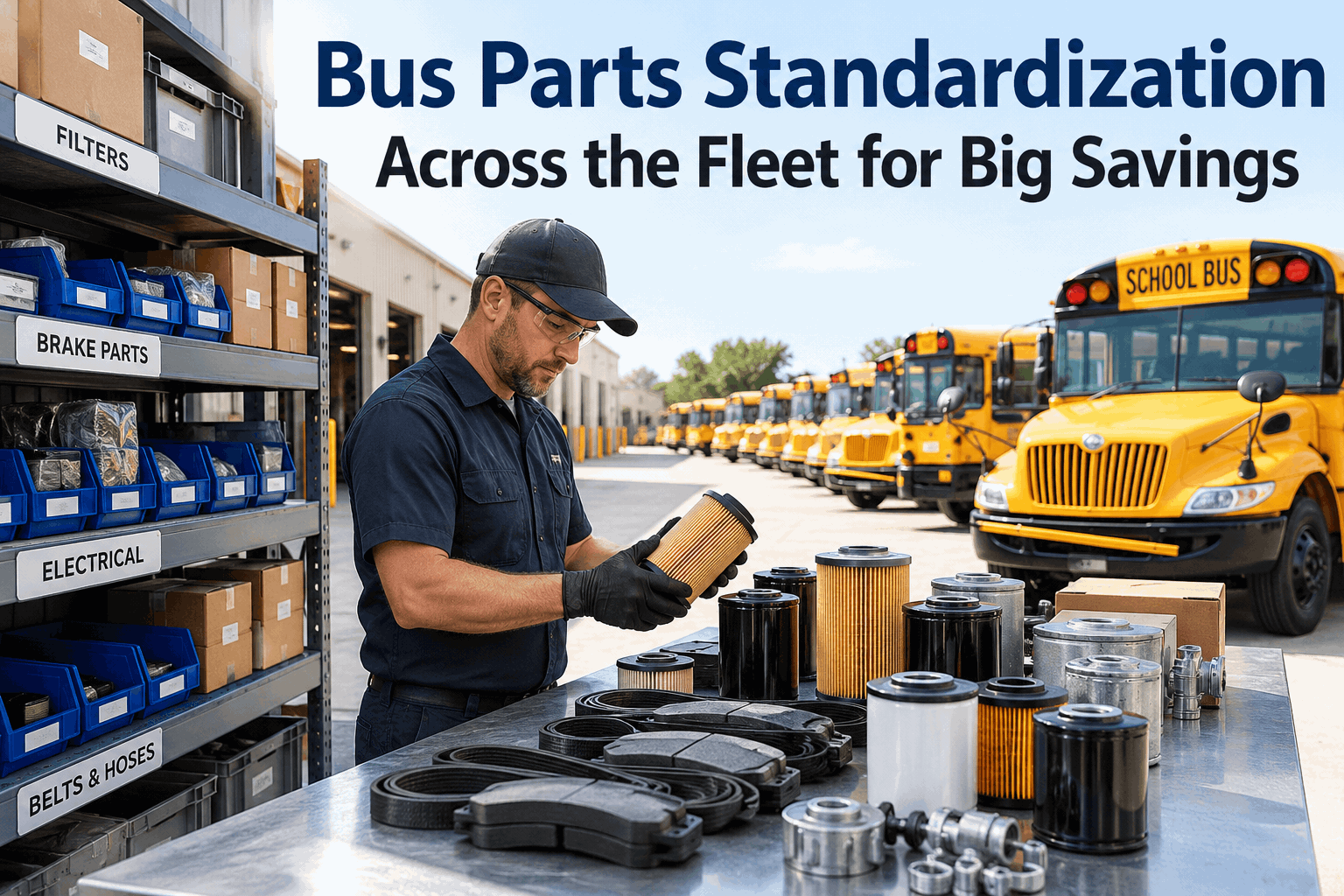
Door motors, solenoids, brake chambers, transmission seals — these fail regularly on BRT fleets. Maintain spare inventory so repairs complete within 24 hours (not 3–5 days waiting for parts).
"We operated a 30-bus BRT fleet with standard transit maintenance intervals. Doors failed constantly, transmissions started slipping at 400,000 miles, brakes needed adjustment every 30,000 miles. We were spending 25% of revenue on maintenance. Switched to BRT-specific intervals — shortened PM cycles, replaced components proactively, implemented predictive monitoring. Maintenance cost dropped to 15% of revenue. Buses now run reliably to 750,000 miles before major overhaul. The key is accepting that BRT duty is different from conventional — maintenance programs need to match that reality."
— Fleet Director, 30-bus BRT system, Texas
Optimize Maintenance for BRT Duty Cycle
BRT buses demand specialized care. Implement predictive maintenance and shortened intervals to keep high-demand fleets reliable.