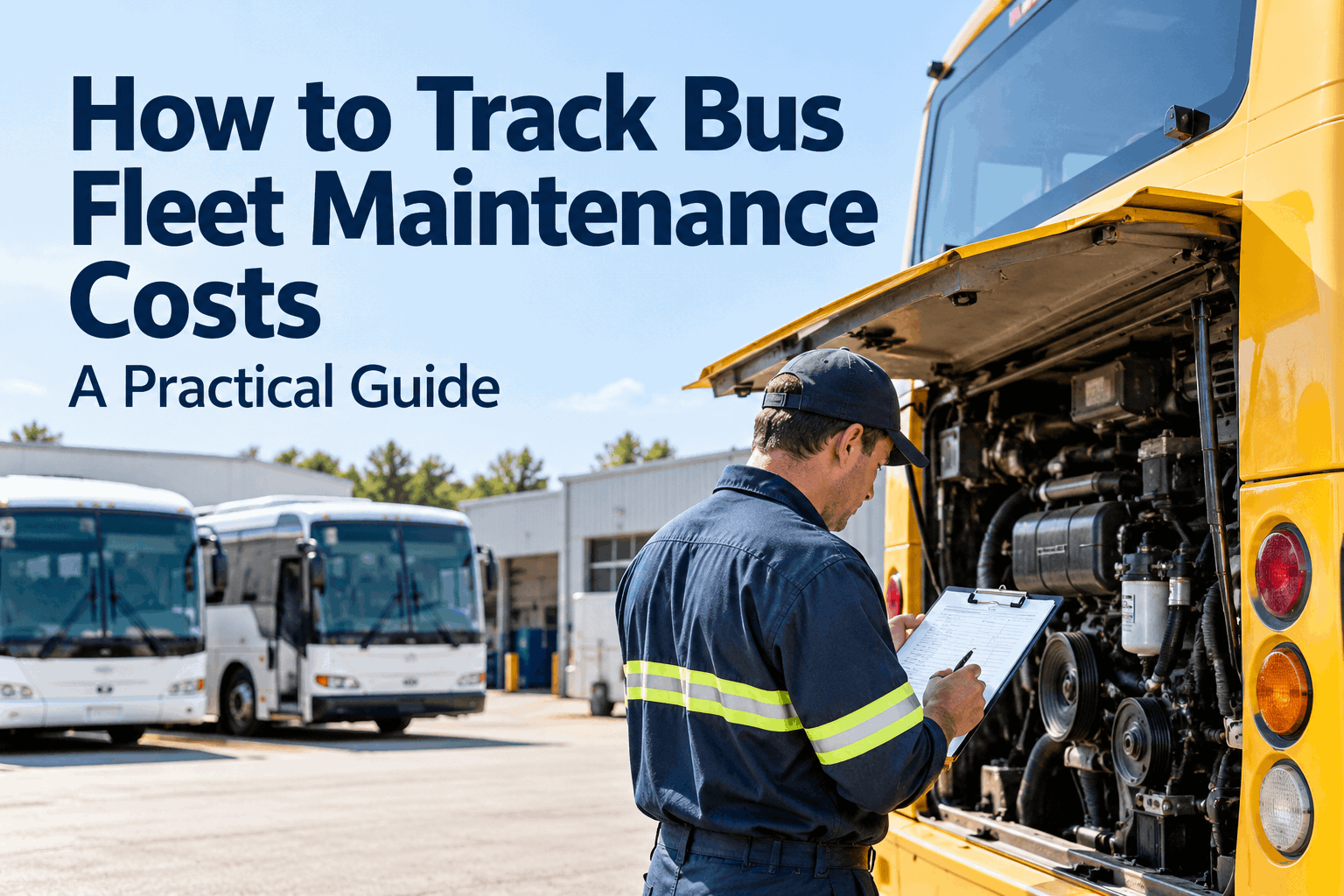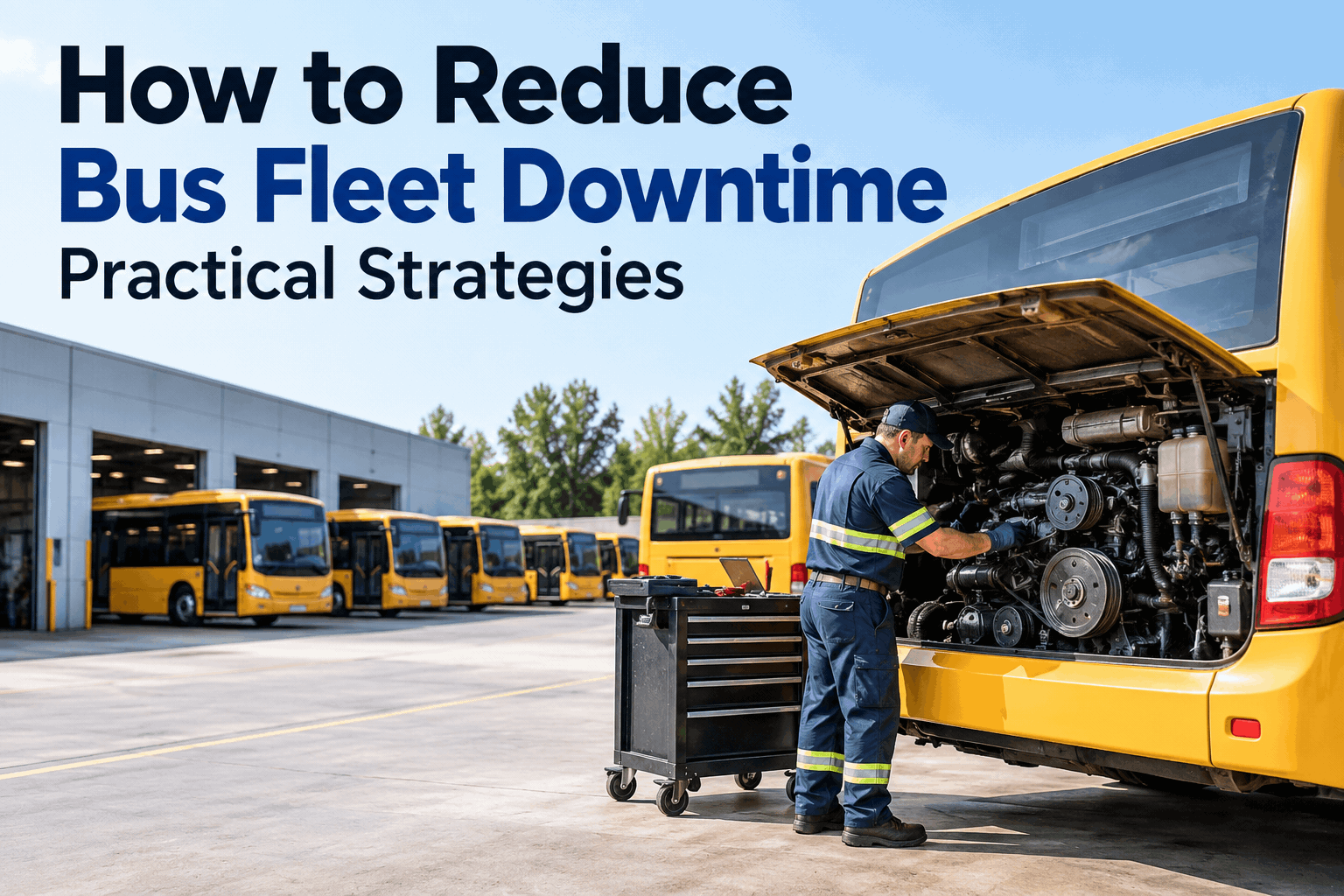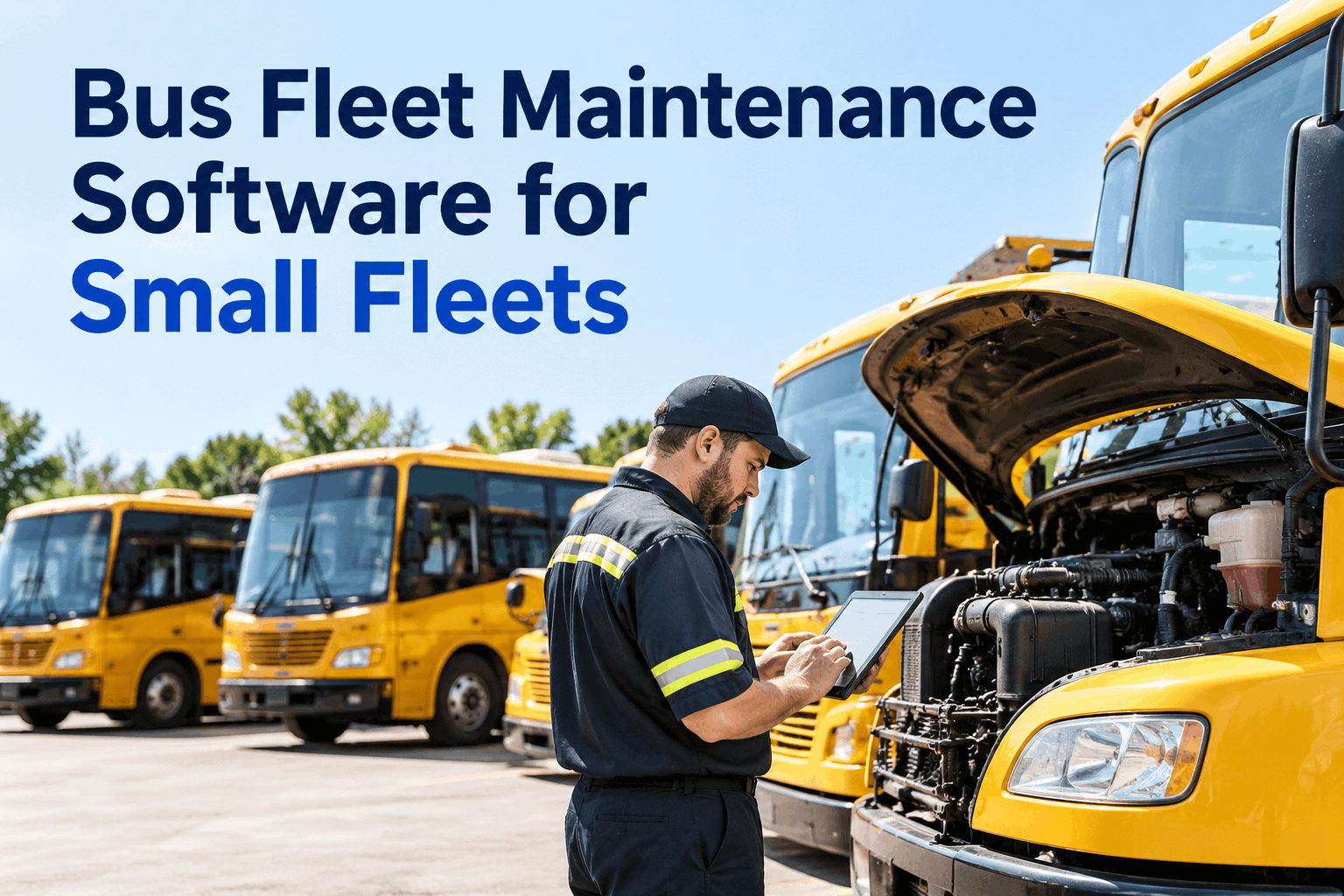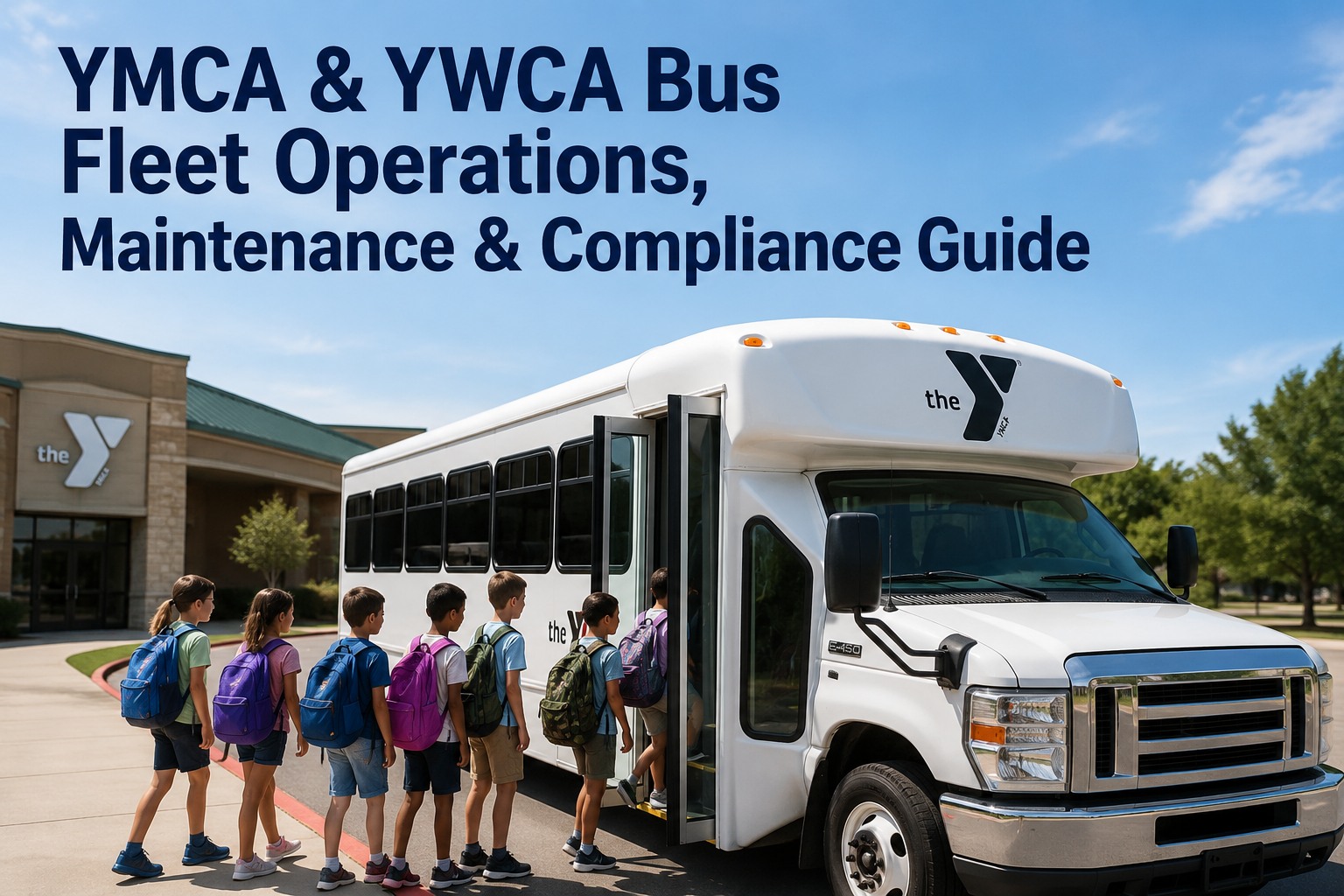
It is 8 PM on Sunday. The camp director just remembered that the field trip to the state park is scheduled for 9 AM Monday morning. The 15-passenger van that will carry the 8-year-olds has not moved in three weeks, no one is sure if the tires are properly inflated, the CDL of the volunteer driver expired six weeks ago, and the pre-trip inspection log has not been signed since June. If that trip happens without those five gaps being closed, and something goes wrong, the YMCA is exposed to legal, insurance, and reputational risk that a nonprofit does not survive quickly. If they are closed, the trip runs smoothly and no one thinks twice about it. This is the 2026 guide to running a compliant YMCA or YWCA bus fleet -- covering the FMCSA and state DOT rules that actually apply, the 15-passenger van safety reality, driver qualification file requirements, preventive maintenance cadence for smaller nonprofit fleets, and the youth-specific safety standards that protect the kids and the organization.
YMCA & YWCA Bus Fleet Operations, Maintenance & Compliance
A practical guide for YMCA and YWCA transportation coordinators, camp directors, and program managers responsible for youth transportation. Covers regulatory triggers, 15-passenger van safety, driver qualification, preventive maintenance, and youth-specific safety standards.
Day Camp Fleet
Summer day camp with weekly field trips to parks, museums, pools, and sporting venues.
- Fleet: 4-8 vehicles (15-pax vans + mini-buses)
- Trips: 3-5/week · 8-10 week summer season
- Reg anchor: Intrastate typical · state DOT primary
After-School Fleet
Daily school-to-Y transport for K-8 after-school programs during the school year.
- Fleet: 2-5 vehicles (mini-buses primarily)
- Trips: Daily M-F school pickup · 36-week year
- Reg anchor: State DOT + local school district contracts
Community & Senior Programs
Weekly outings, medical appointments, community events for adult and senior members.
- Fleet: 1-3 vehicles (accessible mini-buses)
- Trips: Weekly outings + on-demand transport
- Reg anchor: ADA + state DOT + insurance carrier terms
Which Regulations Actually Apply to Your YMCA Fleet?
The rules that apply to your YMCA depend on three questions: how many passengers can your vehicle carry, do you cross state lines, and are you compensated (directly or indirectly) for the transportation. Work through these three decision points before spending money on compliance you may not need or skipping compliance you do.
-
Q1
Does any vehicle carry 9+ passengers (including driver) for compensation, or 16+ passengers regardless of compensation?
If yes: FMCSA regulations (49 CFR Parts 391-396) apply to that vehicle. This covers driver qualification, hours of service, vehicle equipment, and inspection/maintenance rules. Nearly all YMCA 15-passenger vans and larger buses fall in this bucket.
-
Q2
Do you cross state lines with passengers?
If yes: Full FMCSA compliance including USDOT number registration, more stringent driver qualification, and interstate authority (in many cases). Even a single interstate field trip per year can trigger these requirements. Most YMCAs stay intrastate for exactly this reason.
-
Q3
Do drivers operate vehicles designed for 16 or more passengers (including driver)?
If yes: Commercial Driver's License (CDL) with Passenger (P) endorsement is required. Most 15-passenger vans do NOT require CDL because they seat 15 including driver -- exactly at the CDL threshold. This is why the 15-pax van is so common in YMCA fleets and why the safety concerns discussed below are so critical.
-
Q4
Are you transporting adults with disabilities or complying with an accessibility program?
If yes: ADA Title III applies. Accessible vehicles, driver training on accommodation, service-animal policies, and mobility-device securement all become required. Community and senior programs almost always hit this bucket.
The 15-Passenger Van Reality
The most common youth-transport vehicle in the YMCA fleet is also the most safety-scrutinized vehicle on U.S. roads. NHTSA has issued repeated consumer advisories on 15-passenger van rollover risk when fully loaded. Federal law (49 USC 30125) prohibits their use as school buses for children pre-K through grade 12 in most transportation-for-hire contexts. Nonprofit youth programs occupy the middle ground -- legal to use, but with real risks that require deliberate mitigation.
Rollover Risk When Loaded
Center of gravity rises significantly with rear-row passengers. NHTSA data indicates rollover risk rises sharply when 10+ passengers are aboard. Weight distribution matters -- do not overload the rear.
Tire Age & Pressure
15-pax vans often sit for weeks between uses. Tires degrade whether the vehicle moves or not. Check pressure before every trip; replace tires 6 years from manufacture regardless of tread.
Driver Experience Matters
Handling is materially different from a passenger car. Drivers should complete a hands-on 15-pax van training before their first trip with kids aboard. Do not use a volunteer's regular license as a training substitute.
Seatbelt Every Seat
Every passenger belted, every trip, no exceptions. Belt use is the single largest survivability factor in rollover events. Driver responsible for enforcing before departure.
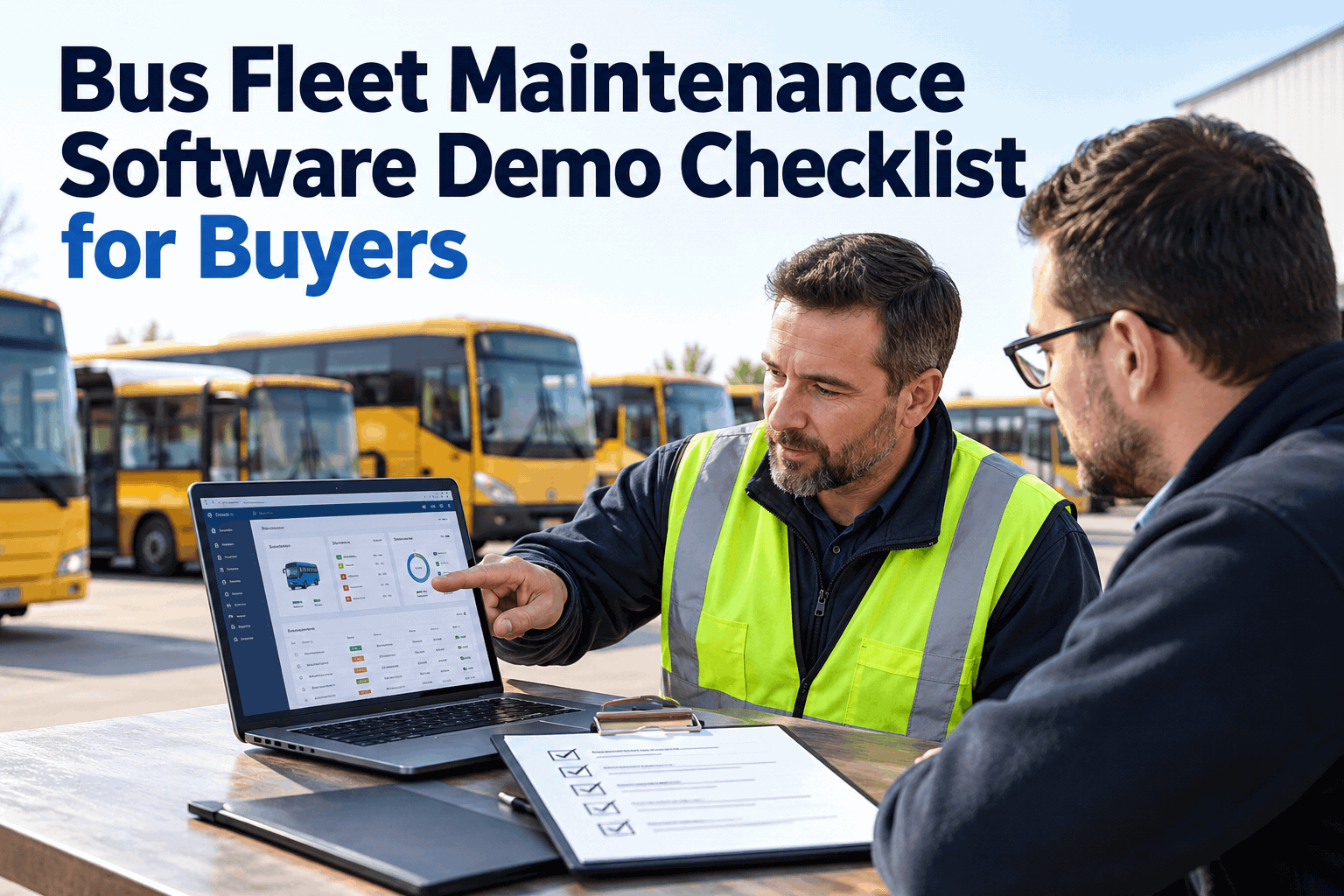
The 15-passenger van is legal for nonprofit youth transport in most jurisdictions, but it demands proactive safety practices that other vehicles do not. Districts that treat these vans like any other vehicle in the fleet are the districts NHTSA data cites in serious incident reports. Book a demo to see how BusCMMS tracks 15-passenger van specific maintenance and driver qualification.
Driver Qualification (DQ) File Requirements
Every driver (paid or volunteer) operating a YMCA vehicle in scope of FMCSA needs a driver qualification file. State DOT rules apply similar requirements for intrastate operations. The DQ file below covers both bases and protects the YMCA when a driver's fitness is questioned.
Employment Application
Completed application with 3+ years employment history, especially any commercial driving history. Required by 49 CFR 391.21.
Motor Vehicle Record (MVR)
Initial MVR from every state the driver has been licensed in during the last 3 years. Annual MVR check thereafter (49 CFR 391.25).
Medical Examiner's Certificate
Federal DOT medical card from an FMCSA-listed examiner. Valid up to 24 months. Copy in DQ file, original with driver (49 CFR 391.41-391.49).
Road Test or Equivalent
Documented road test in the type of vehicle the driver will operate. Certificate signed by qualified examiner. Or valid CDL as equivalent for CDL-required vehicles (49 CFR 391.31-391.33).
Criminal Background Check
Especially critical for youth-serving organizations. Sex offender registry, national criminal history, and state repository checks. YMCA of the USA has specific standards -- confirm with your regional office.
Drug & Alcohol Testing Records
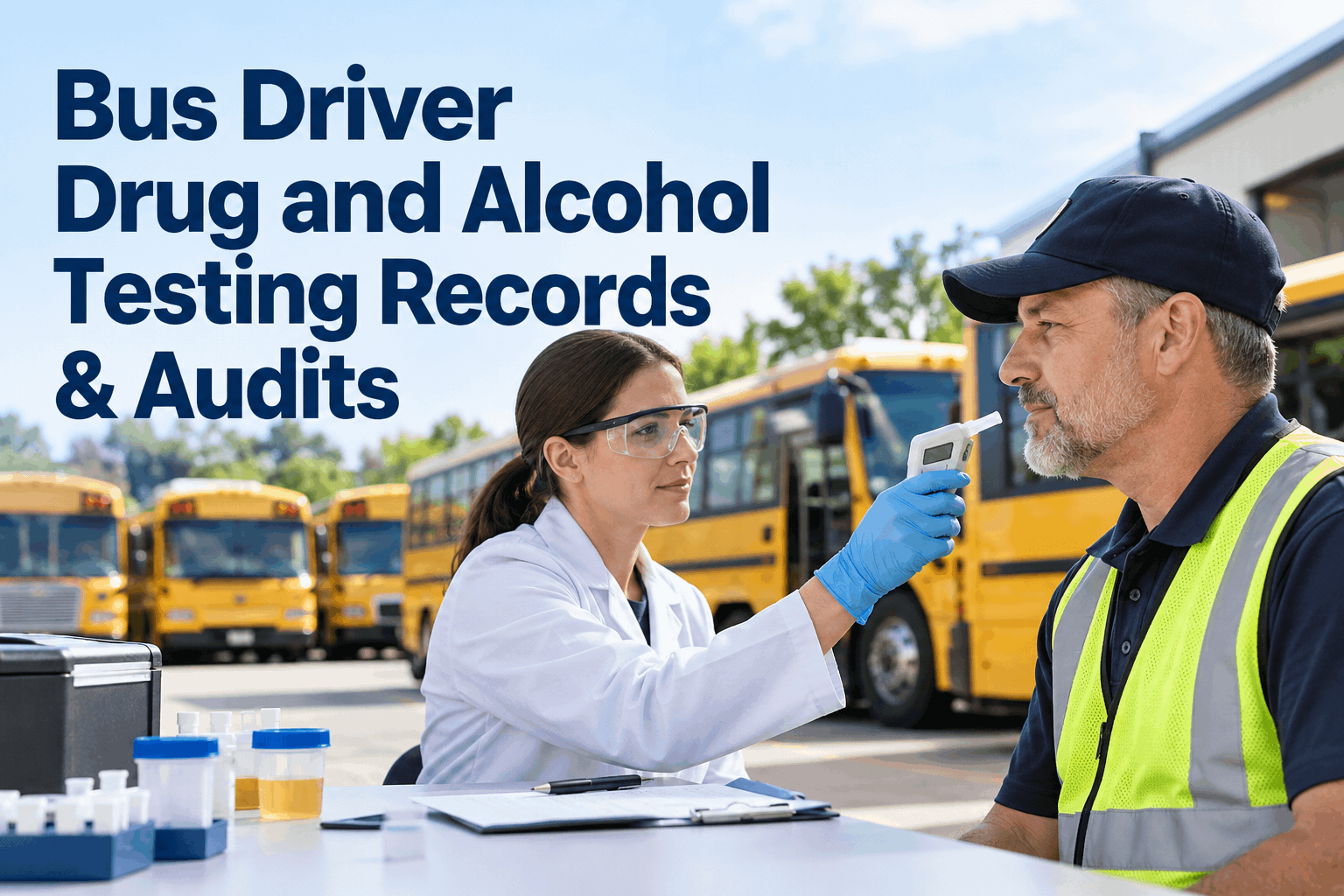
Pre-employment drug test result plus enrollment in random testing pool for CDL drivers (49 CFR Part 382). Non-CDL drivers still subject to Y policy testing.
Annual Review of Driving Record
Annual review documented in the DQ file, signed and dated by the employer. Confirms driver remains qualified (49 CFR 391.25).
Youth Safety Training Certificate
Documentation of youth transportation safety training including behavior management, emergency evacuation, mandatory reporter status, and boundary policies. Renewed annually.
PM Cadence for Nonprofit Youth-Transport Fleets
YMCA fleets often sit unused for weeks, then run intensively during camp season. This on-off usage pattern is different from school district fleets (which run daily) and requires a cadence that catches the risks of sitting AND the risks of intensive use.
- Driver pre-trip walkaround inspection
- Tire pressure check (all tires + spare)
- Fluid levels (oil, coolant, washer)
- Lights, mirrors, horn functional
- Seatbelt condition check
- DVIR log entry (pass/fail)
- Tire tread depth measurement
- Battery load test
- Belts + hoses inspection
- Emergency equipment (extinguisher, kit)
- Interior cleanliness + damage check
- Fuel/DEF top-off
- Chassis lubrication (per manual)
- Filter inspection (air, cabin)
- Brake performance test
- Suspension bushing check
- Emissions system diagnostic scan
- PM sticker + record update
- State DOT annual inspection
- FMCSA 396.17 annual inspection
- Brake disassembly + measurement
- Fluid replacement per manual
- Frame + underbody rust survey
- Insurance carrier documentation
Book a demo to see how BusCMMS auto-schedules PM around your YMCA's seasonal use pattern.
Pre-Trip Inspection (DVIR) for YMCA Drivers
FMCSA 49 CFR 396.11 requires a Driver Vehicle Inspection Report (DVIR) at the end of each driving day for FMCSA-scope vehicles. Best-practice YMCAs run DVIR at both pre-trip and post-trip for every driver, every day. Below is the minimum item set every driver should confirm before the kids climb aboard.
Exterior
- Tires (pressure, tread, sidewall damage)
- Wheels + lug nuts secure
- Lights (head, tail, brake, signal, hazard)
- Mirrors clean + adjusted
- Windshield + wipers
- Body damage since last trip
Under Hood
- Engine oil level + condition
- Coolant level
- Brake fluid + power steering fluid
- Battery terminals secure + clean
- Belts + hoses no cracks/leaks
- Air filter visible check
Interior
- Seatbelts every seat operational
- Emergency exits accessible + labeled
- Fire extinguisher charged + accessible
- First aid kit stocked
- Reflective triangles present
- Horn, defroster, HVAC functional
Documentation
- Driver license + medical card current
- Vehicle registration current
- Insurance certificate on board
- Prior DVIR reviewed (any defects)
- DVIR signed + submitted post-trip
- Emergency contact info accessible
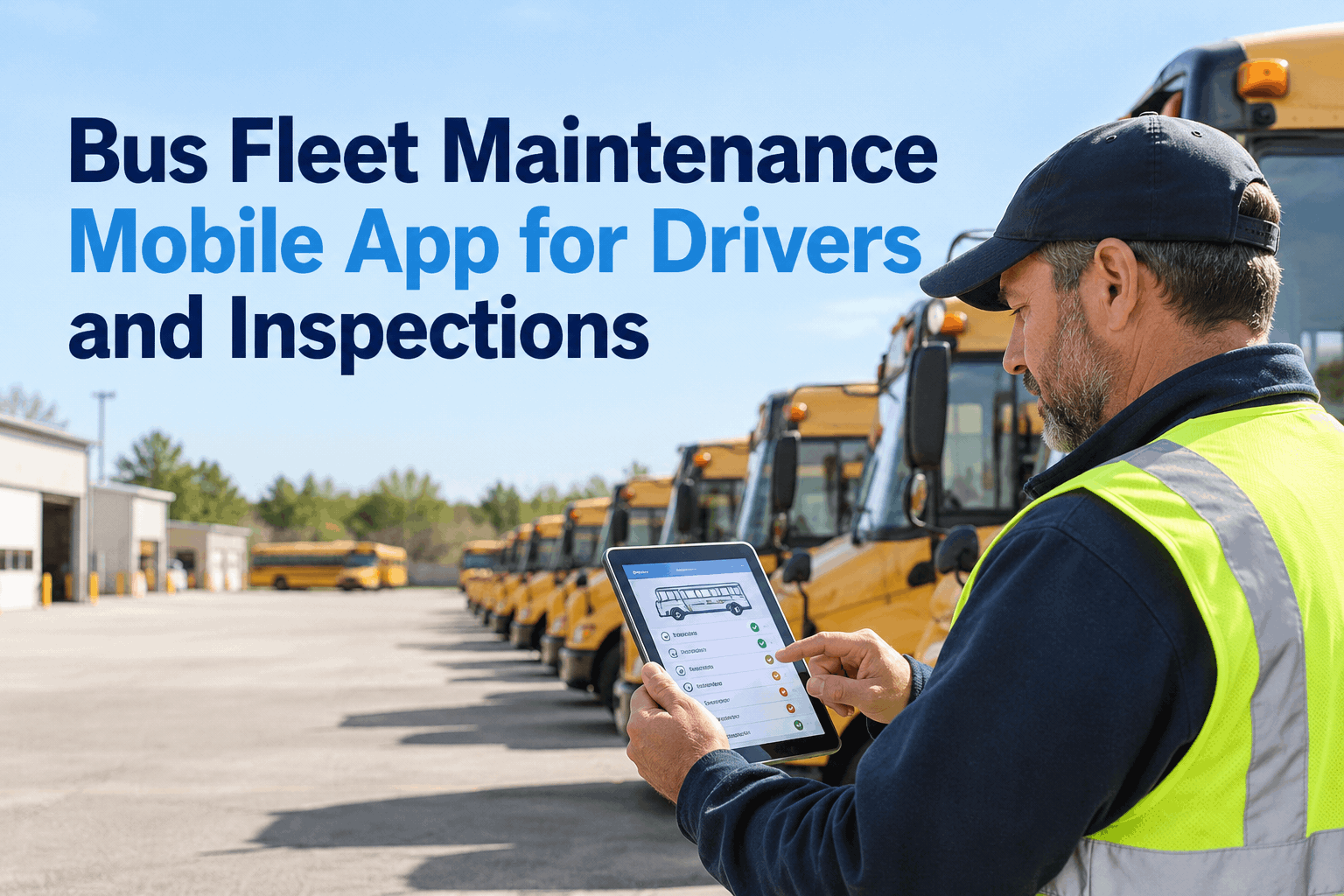
Book a demo to see how BusCMMS delivers digital DVIRs to driver mobile devices for every YMCA trip.
Youth-Specific Safety Standards for YMCA Transportation
YMCA of the USA has specific transportation policies for its member associations. Combined with state-level youth transport laws, these standards create a floor -- your local Y can (and often should) exceed them.
-
Under 5
Toddlers & Preschool
Age-appropriate child restraint (car seat or booster) required per state law. Never transport in 15-passenger vans -- these vehicles have no child restraint anchors in most rows. Use passenger vehicles or approved child care transport.
-
Ages 5-11
Elementary-Age Campers
Booster seat under 4'9" in most states. 15-pax van permitted with seatbelts and trained driver. Chaperone ratio minimum 1:10 with at least one adult per vehicle beyond the driver. Emergency evacuation drill quarterly.
-
Ages 12-15
Middle School Programs
Standard seatbelt use required. Chaperone ratio minimum 1:12. Behavior management training for drivers. Mandatory reporter policy in effect for all staff during transport. Youth Protection training documented in DQ file.
-
Ages 16+
High School & Teen Programs
Chaperone ratio 1:15 acceptable. Peer-to-peer boundary training. Consent for release policies documented in writing per trip. Emergency contact list carried by driver and lead chaperone.
Book a demo to see how BusCMMS tracks chaperone assignments alongside driver qualification.
Why YMCA Fleets Need Bus-Specific (Not Generic) Fleet Software
A YMCA fleet is not a construction fleet, a trucking fleet, or a rental fleet. The compliance rules, the vehicle types, the driver mix, and the passenger population are all different. Generic fleet software papered onto a YMCA operation misses more than it catches.
Bus-specific DVIRs pre-loaded
Stop arms, wheelchair lifts, student mirrors, 8-light warning systems where applicable -- generic tools do not know these items exist.
15-passenger van tracking
Special maintenance flags, tire age monitoring, driver training verification specific to this vehicle class.
DQ file automation
MVR renewal reminders, medical card expiration alerts, annual review scheduling, background check tracking.
Seasonal PM scheduling
Camp seasonality built into the schedule -- ramps up for summer, backs off in shoulder seasons, avoids wasteful mid-winter service on parked vans.
Nonprofit-appropriate pricing
No enterprise minimums, no per-vehicle pricing structure that penalizes smaller fleets. Purpose-built for the YMCA operating budget.
Insurance carrier reporting
Ready-to-submit inspection logs, DQ file summaries, and PM records for annual carrier renewals. Reduces premium exposure.
Does our YMCA need a USDOT number for our vans?
If any of your vehicles carry 9+ passengers (including driver) for compensation, or 16+ passengers regardless of compensation, in interstate commerce, then yes -- USDOT number registration is required. Most YMCAs avoid interstate operations for exactly this reason. If you operate purely intrastate, your state DOT determines whether a state-level USDOT-equivalent registration applies. Contact your state DOT motor carrier division to confirm. Note that even "just a summer trip across state lines to a camp" can trigger interstate compliance requirements.
Do our volunteer drivers need a CDL?
CDL is required for anyone operating a vehicle designed to carry 16 or more passengers including the driver. The common YMCA 15-passenger van seats exactly 15 (14 passengers + driver), specifically to avoid the CDL threshold. If your YMCA operates a mini-bus or full-size bus with 16+ seats, drivers need CDL Class B or C with Passenger (P) endorsement. Some states require additional endorsements or air-brake certification depending on vehicle configuration. Verify with your state DMV commercial licensing division.
What is the biggest safety concern with 15-passenger vans?
Rollover risk when fully loaded. NHTSA has issued repeated consumer advisories on this -- when the van is loaded with passengers and cargo in the rear rows, the center of gravity rises significantly and stability decreases sharply. Second-tier concerns: older tires (these vans often sit for weeks and tires degrade with age regardless of tread), driver inexperience with the vehicle's handling, and seatbelt non-use. Every mitigation strategy in the "15-Passenger Van Reality" section above targets these specific risks. The vans are legal for nonprofit use in most contexts, but they require deliberate safety practices that generic passenger cars do not.
How often should we replace 15-passenger van tires?
Every 6 years from manufacture date regardless of tread wear, per NHTSA and most vehicle manufacturers. Tires degrade chemically over time whether the vehicle is driven or not, and 15-pax van tires often have plenty of tread while being dangerously past their safe age. Check the DOT date code on the sidewall (four-digit code where first two digits are week, last two are year of manufacture -- "2019" means 20th week of 2019). Combined with weekly pressure checks and pre-trip inspection, tire management is the single most impactful maintenance practice on a 15-pax van.
How does BusCMMS help a smaller YMCA fleet?
BusCMMS handles the whole compliance stack in one platform -- DQ file tracking (including background checks, medical cards, MVR renewals, annual reviews), PM scheduling with seasonal camp-season adjustments, digital DVIRs on driver mobile devices, 15-passenger van specific maintenance flags, chaperone assignment tracking alongside driver assignments, and insurance-carrier-ready reporting. Pricing scales with fleet size, so a 3-vehicle YMCA and a 3,000-vehicle school district use the same underlying platform without enterprise minimums. Book a 20-minute demo to see the YMCA-fit configuration, or start a 30-day free trial.