As a manufacturing professional managing fleet vehicles, you understand that equipment downtime isn't just inconvenient—it's costly. Vehicle breakdowns can halt production lines, delay shipments, and impact your bottom line. That's why implementing a robust fleet vehicle inspection program isn't just good practice; it's essential for maintaining operational efficiency and regulatory compliance.
Whether you're overseeing delivery trucks, forklifts, or service vehicles, this guide will walk you through everything you need to know about fleet vehicle inspections in just five minutes. From understanding DVIR requirements to leveraging digital inspection tools, we'll cover the essentials that every manufacturing operation needs to stay compliant and productive.
Understanding the Legal Requirements: DVIR and Beyond
The Driver Vehicle Inspection Report (DVIR) isn't just paperwork—it's your legal shield against liability and regulatory violations. Under Federal Motor Carrier Safety Administration (FMCSA) regulations, commercial vehicles over 10,001 pounds must undergo daily pre-trip and post-trip inspections.
For manufacturing companies, this means your delivery trucks, heavy equipment transporters, and specialized vehicles all fall under these requirements. The inspection must cover critical safety components including brakes, steering, tires, lights, and coupling devices. Failure to maintain proper DVIR records can result in fines ranging from $1,000 to $11,000 per violation.
Key Legal Points: DVIR records must be retained for 90 days, drivers must sign off on inspections, and any defects must be documented and addressed before the vehicle returns to service.
Essential Components of Fleet Vehicle Checks
Effective vehicle inspections go beyond basic visual checks. Your inspection program should systematically evaluate both safety-critical and operational components to prevent unexpected breakdowns that could disrupt your manufacturing schedule.
Safety-Critical Components
- Braking System: Check brake pads, fluid levels, and air pressure (for air brake systems)
- Steering and Suspension: Inspect for excessive play, leaks, or worn components
- Tires and Wheels: Verify proper inflation, tread depth, and wheel integrity
- Lighting and Electrical: Test all lights, signals, and warning devices
Operational Components
- Engine Performance: Monitor fluid levels, belt condition, and unusual noises
- Transmission: Check fluid levels and shifting performance
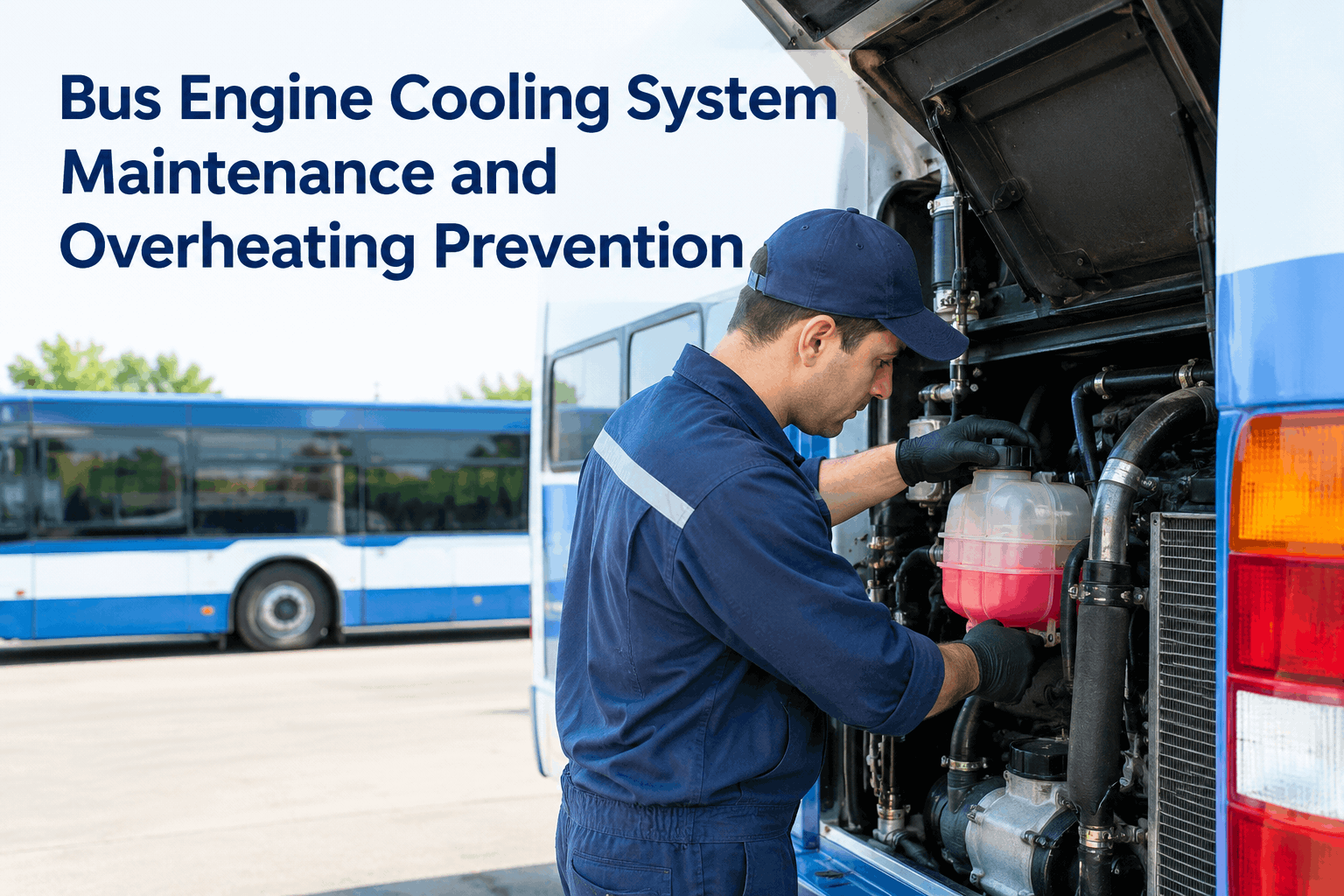
- Cooling System: Inspect coolant levels and hose conditions
- Specialized Equipment: Test hydraulic systems, lifts, or manufacturing-specific attachments
Digital Inspections: The Modern Advantage
Paper-based inspections are becoming obsolete in modern manufacturing environments. Digital inspection platforms offer significant advantages that directly impact your operational efficiency and compliance posture.
Digital inspections eliminate common issues like illegible handwriting, lost paperwork, and incomplete documentation. More importantly, they provide real-time data that helps you make informed decisions about vehicle maintenance and replacement schedules.
Benefits of Digital Inspection Systems
- Real-Time Reporting: Instant notifications when issues are discovered
- Automated Compliance: Built-in regulatory requirements and automatic record-keeping
- Photo Documentation: Visual evidence of defects and repairs
- Trend Analysis: Identify recurring issues before they become costly problems
- Mobile Accessibility: Inspections can be completed anywhere, anytime
DVIR Apps: Streamlining Your Inspection Process
DVIR apps represent the evolution of fleet inspection technology, specifically designed to meet federal compliance requirements while improving operational efficiency. These specialized applications go beyond generic inspection tools by incorporating specific regulatory requirements and industry best practices.
Modern DVIR apps integrate with your existing maintenance management systems, creating a seamless workflow from inspection to repair completion. This integration is particularly valuable for manufacturing operations where vehicle downtime must be minimized and scheduled around production requirements.
Features to Look for in DVIR Apps
- Offline Capability: Inspections can be completed without internet connectivity
- Customizable Checklists: Tailor inspections to specific vehicle types and operational needs
- Automatic Reporting: Generate compliance reports for regulatory audits
- Integration Capabilities: Connect with maintenance management and ERP systems
- Driver Training Modules: Ensure consistent inspection quality across your team
Building an Effective Inspection Schedule
Successful fleet management isn't just about conducting inspections—it's about conducting them at the right frequency and intensity. Manufacturing operations require a strategic approach that balances regulatory compliance with operational demands.
Your inspection schedule should consider vehicle utilization patterns, operating conditions, and the critical nature of each vehicle to your manufacturing process. High-utilization vehicles operating in harsh conditions may require more frequent inspections than occasional-use vehicles in controlled environments.
Inspection Frequency Guidelines
- Daily Inspections: All commercial vehicles before first use and after completion of work
- Weekly Inspections: Detailed checks for high-mileage or specialized equipment
- Monthly Inspections: Comprehensive system evaluations and preventive maintenance checks
- Annual Inspections: DOT-required inspections for commercial vehicles
Pro Tip: Schedule inspections during shift changes or planned downtime to minimize impact on production schedules.
Conclusion: Your Path to Inspection Excellence
Fleet vehicle inspections are more than a regulatory requirement—they're a strategic investment in your manufacturing operation's reliability and efficiency. By implementing a comprehensive inspection program that combines regulatory compliance with operational best practices, you protect your business from costly breakdowns and liability issues.
The transition to digital inspections and DVIR apps isn't just about modernization; it's about gaining competitive advantage through improved data visibility, faster response times, and reduced administrative burden. Manufacturing professionals who embrace these technologies position themselves for long-term success in an increasingly competitive marketplace.
Remember, the best inspection program is one that's consistently executed. Start with the basics, leverage technology to improve efficiency, and continuously refine your approach based on real-world results. Your fleet—and your bottom line—will thank you.