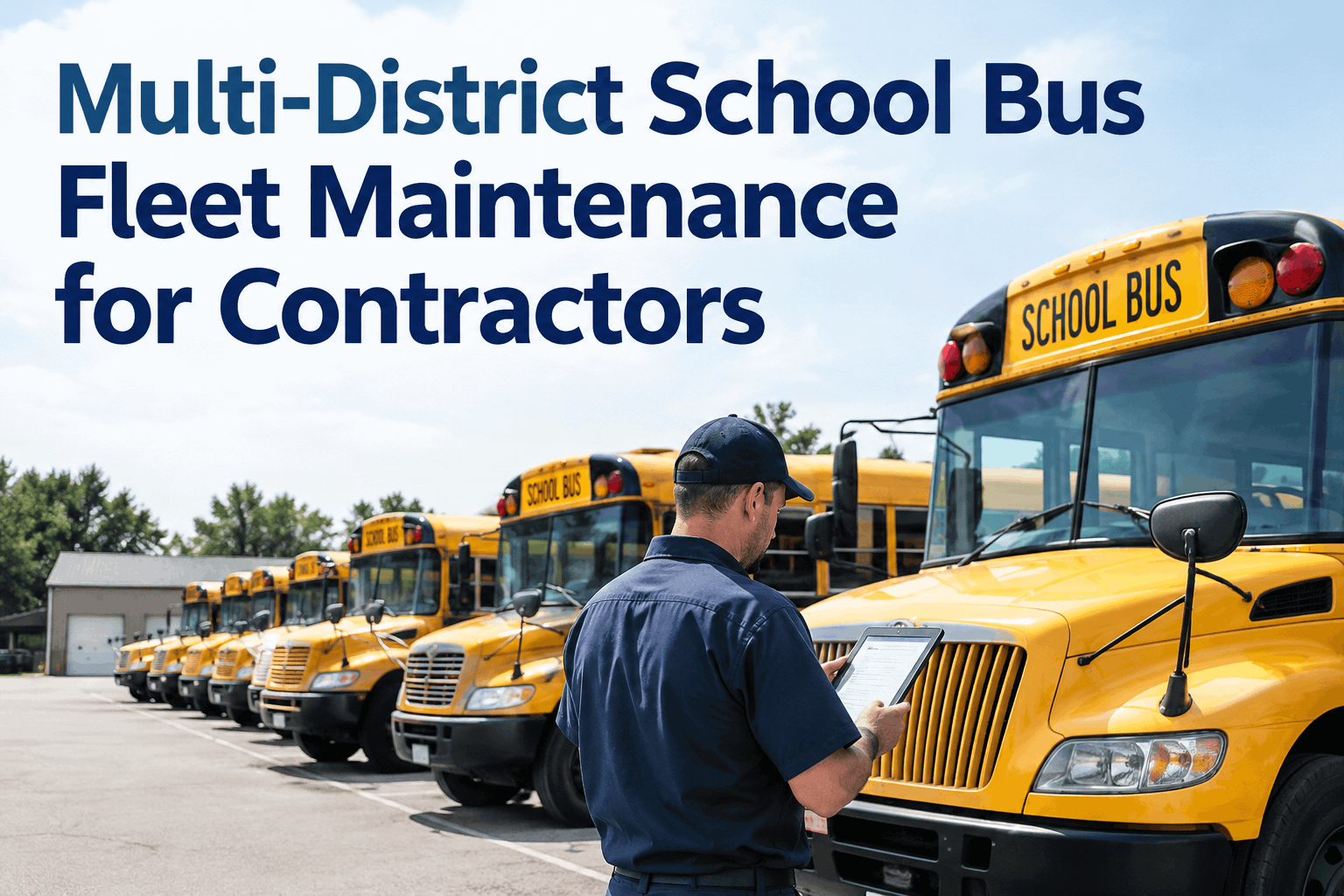
Running a successful bus company in today's competitive landscape requires more than just reliable vehicles and skilled drivers. With rising operational costs, increasing regulatory requirements, and growing customer expectations, fleet maintenance has become the backbone of profitable bus operations. The right maintenance tools can mean the difference between costly breakdowns and smooth, efficient service delivery.
Modern fleet maintenance software has evolved far beyond simple scheduling systems. Today's best-in-class solutions integrate predictive analytics, real-time diagnostics, compliance tracking, and comprehensive fleet insights to help bus companies maximize vehicle uptime while minimizing maintenance costs. For US manufacturing professionals managing bus fleets, choosing the right maintenance tools isn't just about efficiency—it's about staying competitive in an increasingly demanding market.
Did you know? Companies using advanced fleet maintenance software report up to 35% reduction in unplanned downtime and 20% decrease in maintenance costs, according to recent industry studies.
Essential Features of Modern Fleet Maintenance Software
The landscape of fleet maintenance tools has transformed dramatically, with modern CMMS (Computerized Maintenance Management System) tools offering unprecedented capabilities. Today's leading fleet software solutions provide comprehensive maintenance scheduling that goes beyond basic calendar reminders to incorporate predictive analytics and real-time vehicle health monitoring.
Telematics integration has become a game-changer for bus fleet maintenance. By connecting directly with vehicle diagnostic systems, modern maintenance software can predict potential failures before they occur, automatically schedule preventive maintenance, and provide detailed fleet insights that help managers make data-driven decisions. This level of fleet automation significantly reduces the administrative burden on maintenance teams while improving overall fleet efficiency.
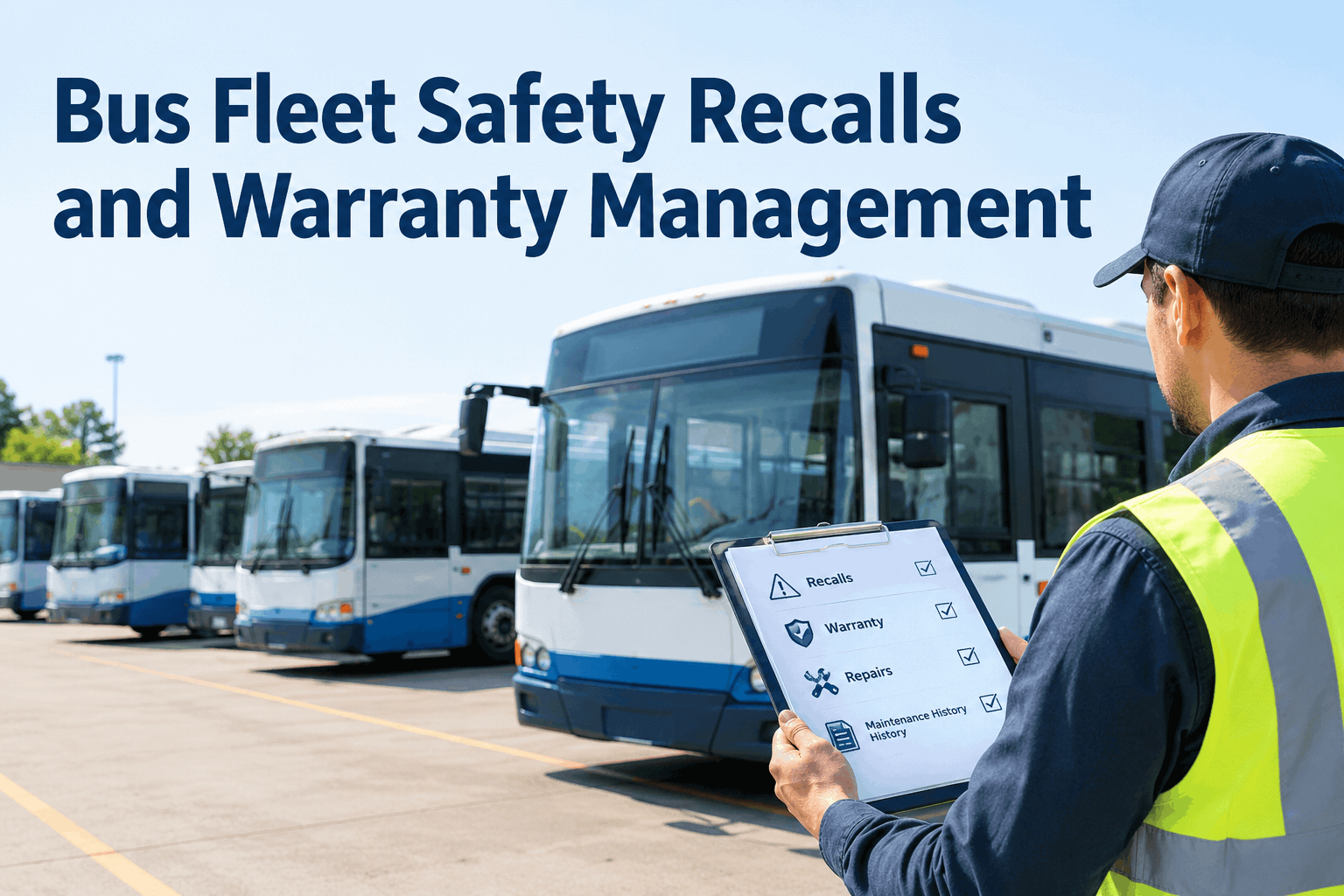
Compliance tracking represents another critical component of modern fleet maintenance tools. With constantly evolving DOT regulations and safety requirements, automated compliance management ensures that all vehicles meet regulatory standards while maintaining detailed audit trails. This feature alone can save bus companies thousands of dollars in potential fines and regulatory issues.
Top Fleet Maintenance Tools Revolutionizing Bus Operations
The market for bus fleet maintenance solutions has seen remarkable innovation, with several standout platforms leading the charge. These comprehensive CMMS tools combine traditional maintenance scheduling with cutting-edge predictive analytics and seamless telematics integration to deliver unparalleled fleet management capabilities.
Modern fleet software solutions excel in diagnostic systems integration, providing real-time monitoring of engine performance, brake systems, transmission health, and other critical components. This continuous monitoring enables maintenance teams to address issues proactively rather than reactively, significantly improving vehicle uptime and reducing emergency repair costs.
Route optimization features integrated within these maintenance platforms help bus companies coordinate maintenance activities with operational schedules, ensuring minimal service disruption. By analyzing historical maintenance data and current vehicle conditions, these tools can recommend optimal timing for maintenance activities while maintaining service reliability.
Ready to Transform Your Fleet Maintenance?
Discover how modern fleet maintenance tools can reduce your operational costs and improve vehicle uptime.
Getting StartedBook a Demo
Predictive Analytics: The Future of Fleet Maintenance
Predictive analytics represents the most significant advancement in fleet maintenance technology. By analyzing vast amounts of historical maintenance data, vehicle performance metrics, and real-time diagnostic information, these systems can predict component failures weeks or months before they occur. This capability transforms maintenance from a reactive to a proactive discipline.
The integration of machine learning algorithms into fleet maintenance software allows systems to continuously improve their prediction accuracy. As the system processes more data from your specific fleet, it becomes increasingly adept at identifying patterns unique to your operations, vehicle types, and operating conditions. This personalized approach to predictive maintenance delivers superior results compared to generic maintenance schedules.
Advanced fleet insights generated through predictive analytics help maintenance managers optimize inventory levels, schedule maintenance activities more effectively, and allocate resources based on actual vehicle needs rather than predetermined schedules. This data-driven approach typically results in 15-25% reduction in maintenance costs while improving overall fleet reliability.
Integration Capabilities and Compliance Management
Modern fleet maintenance tools excel in their ability to integrate with existing business systems and telematics platforms. This integration capability ensures that maintenance data flows seamlessly between different operational systems, eliminating data silos and providing comprehensive visibility into fleet performance.
Compliance tracking features within these platforms automatically monitor regulatory requirements, track inspection schedules, and generate necessary documentation for audits. With regulations constantly evolving, automated compliance management ensures that bus companies remain current with all applicable requirements while reducing the administrative burden on maintenance staff.
The integration with diagnostic systems enables real-time monitoring of vehicle health metrics, allowing maintenance teams to identify potential issues immediately rather than waiting for scheduled inspections. This immediate visibility into vehicle conditions enables more responsive maintenance strategies and significantly reduces the risk of unexpected breakdowns.
Maximizing ROI Through Strategic Fleet Maintenance
Implementing best-in-class fleet maintenance tools requires strategic planning to maximize return on investment. The most successful deployments involve comprehensive training programs, gradual implementation phases, and continuous optimization based on performance metrics and fleet insights.
Fleet automation features within modern maintenance platforms can significantly reduce labor costs while improving accuracy. Automated work order generation, parts ordering, and maintenance scheduling free up valuable staff time for more strategic activities while ensuring that routine maintenance tasks are never overlooked.
The key to maximizing ROI lies in selecting maintenance software that scales with your operations and provides flexibility to adapt to changing business requirements. Look for platforms that offer robust reporting capabilities, customizable dashboards, and integration options that support your specific operational needs.
Take Control of Your Fleet Maintenance Today
Join thousands of bus companies already benefiting from advanced fleet maintenance solutions.
Getting StartedBook a Demo
Conclusion
The evolution of fleet maintenance tools has created unprecedented opportunities for bus companies to optimize operations, reduce costs, and improve service reliability. By embracing modern CMMS tools that incorporate predictive analytics, telematics integration, and comprehensive compliance tracking, companies can transform their maintenance operations from cost centers into competitive advantages.
The investment in best-in-class fleet maintenance software pays dividends through reduced downtime, lower maintenance costs, improved compliance, and enhanced fleet efficiency. As the industry continues to evolve, companies that adopt these advanced tools will be better positioned to meet growing customer expectations while maintaining profitable operations.
Success in fleet maintenance requires more than just software—it demands a strategic approach that combines the right tools with proper training, clear processes, and continuous optimization. By partnering with proven fleet maintenance solutions and leveraging the power of predictive analytics and fleet automation, bus companies can achieve new levels of operational excellence.