Northern bus fleets face a relentless attack from road salt, liquid de‑icers, and freeze‑thaw cycles. Underbody corrosion is not a cosmetic issue—it is a structural and safety threat that silently eats frame rails, brake lines, fuel lines, and suspension mounting points. This dedicated underbody corrosion inspection checklist is built for fleets operating in the Rust Belt, Northeast, Midwest, and any region where winter road treatments are a fact of life. It walks technicians through every critical underbody component, from main frame rails to the smallest brake line clip, and links inspection findings to a mandatory washdown and undercoating schedule that can double the service life of a bus chassis.
Rust Belt Fleet Guide 2026
Bus Underbody Corrosion Inspection Checklist (Northern Fleets)
Step‑by‑step underbody corrosion inspection for salt‑belt buses. Frame rails, crossmembers, brake lines, fuel lines, suspension brackets, air tanks, and washdown compliance tracking.
Why Underbody Corrosion Inspections Are Non‑Negotiable in Salt‑Belt States
Road salt (sodium chloride) and modern liquid de‑icers—magnesium chloride, calcium chloride, and brine solutions—are highly conductive electrolytes that accelerate steel corrosion by a factor of five or more compared to plain water. These chemicals cling to underbody surfaces, wick into crevices, and remain active long after winter ends. For buses, the result is pervasive: frame rails thin from the inside out, brake line walls weaken until a panic stop blows a line, and fuel line pitting can lead to diesel leaks directly above hot exhaust components. The National Transportation Safety Board has highlighted underbody corrosion as a contributing factor in several school bus and motorcoach structural failures. Annual or semi‑annual underbody inspections, combined with a strict washdown and undercoating protocol, are the only proven defense.
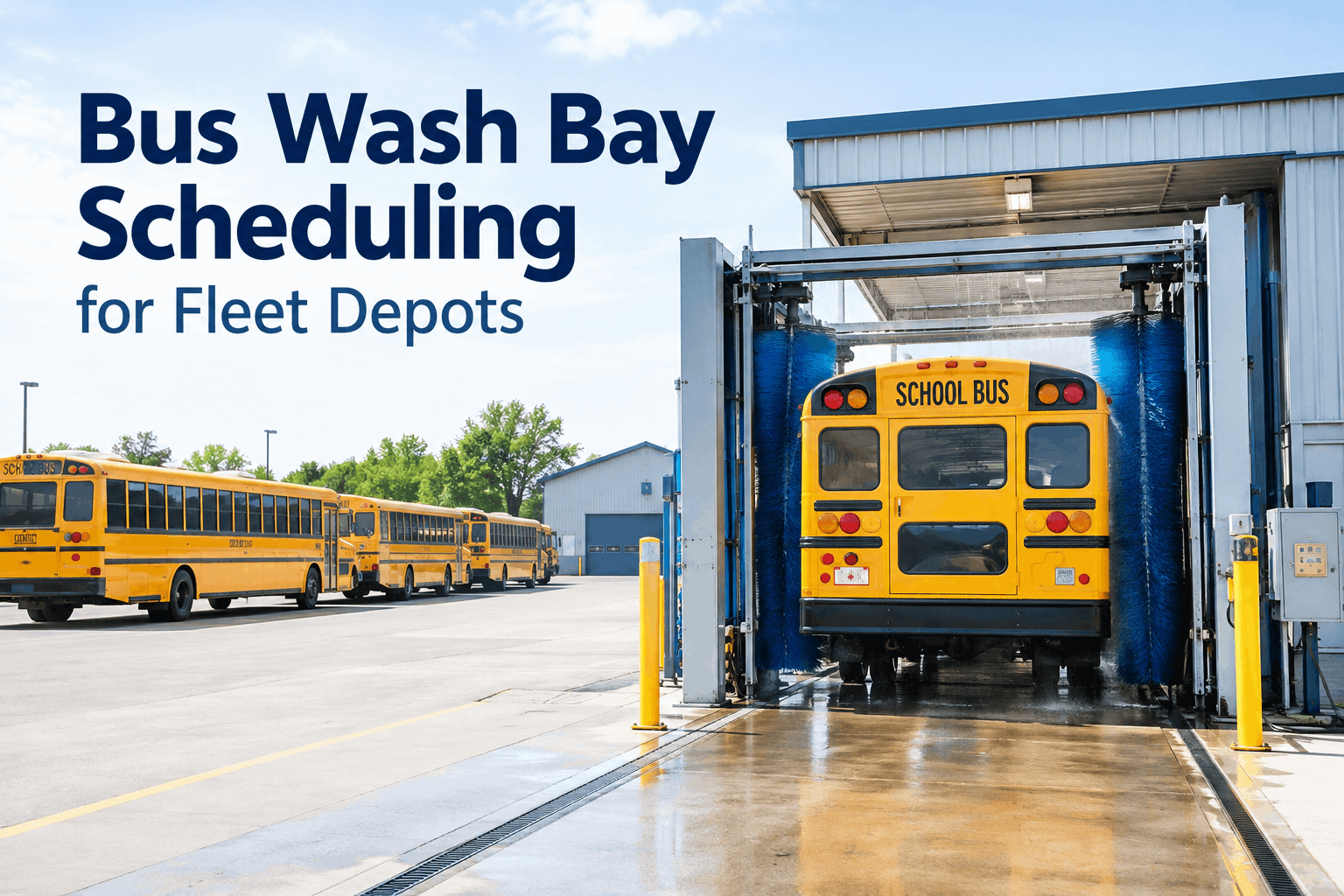
Data from northern bus fleets shows that buses which follow a quarterly underbody washdown and annual inspection program exhibit 60% less frame rust progression over ten years compared to buses washed only seasonally. Yet many shops struggle to enforce the washdown schedule because it isn’t tied to the preventive maintenance work order. Schedule a demo to see how BusCMMS links washdown compliance directly to your underbody inspection intervals and creates an irrefutable service trail for each vehicle.
Underbody Corrosion Inspection Categories: What Salt Attacks First
Main Frame Rails
Inspect from front to rear for scale rust, pitting, and section loss. Use a hammer and ultrasonic gauge. Pay special attention to the area above rear axles where salt spray accumulates.
Crossmembers & Gussets
Check every crossmember for rust jacking at rivet and bolt connections. Gusset plates often trap moisture—probe behind them with a pick to detect hidden thinning.
Brake Lines & Fittings
Examine all steel brake lines from master cylinder to wheel ends for external rust blooms and pinhole leaks. Corrosion at line clamps is a leading cause of sudden air or hydraulic failure.
Fuel Lines & Tank Straps
Inspect fuel supply and return lines for pitting and wet spots. Rusted tank straps can snap, dropping a fuel tank. Replace any strap showing more than 25% thickness loss.
Suspension Brackets & Spring Hangers
These heavily loaded brackets are high‑stress corrosion zones. Cracks often initiate at rust pits. Clean and inspect with dye penetrant if scaling is present.
Air Tanks & Reservoirs
Corrosion on air tank bottoms leads to pinhole leaks that can drain air systems overnight. Drain tanks daily in winter and inspect for internal rust during annual service.
Complete Underbody Corrosion Inspection Checklist
This 10‑item checklist targets every underbody component that road salt threatens. Perform this inspection annually as part of the spring PM to assess winter damage, and again in fall to verify undercoating and washdown readiness.
Underbody Corrosion Defect Rates by Component
The chart emphasizes that suspension brackets—carrying both road salt spray and high static loads—are the number one corrosion hot spot. Crossmembers and frame rails follow closely because they trap moisture inside box sections. A digital corrosion inspection form like BusCMMS’s underbody checklist forces the technician to document each zone, attach photos, and trigger a follow‑up undercoating work order if a threshold is exceeded. Start a free trial to see how underbody condition is tracked across your fleet.
Common Underbody Corrosion Issues & Root Causes in Salt‑Belt Fleets
Frame Rail Internal Rust Jacking
Cause: Salt slurry entering frame rail holes and accumulating inside. Fix: Drill drain holes at low points, flush inside with rust inhibitor, weld reinforcement fishplate if section loss exceeds 25%.
Brake Line Failure at Clamps
Cause: Vibration and trapped salt moisture corroding the line where it contacts the clamp. Fix: Replace entire line section, use stainless steel or coated lines, isolate with rubber-lined clamps.
Spring Hanger Crack Initiation
Cause: Deep rust pits acting as stress risers under cyclic loads. Fix: Grind out pit, dye‑penetrant check for cracks, weld repair, then prime and undercoat. Monitor every 6 months.
Crossmember Rivet Corrosion & Loosening
Cause: Galvanic corrosion between steel rivet and aluminum or steel crossmember. Fix: Replace rivet with structural bolt of correct grade, apply isolating sealant, and recoat area.
Fuel Tank Strap Snap
Cause: Constant moisture and road salt pitting straps to failure. Fix: Replace straps every 5 years or when pitting exceeds 1/32‑inch. Use stainless straps where available.
Air Tank Pinhole Leak from Bottom Corrosion
Cause: Water and salt pooling at tank bottom due to infrequent draining. Fix: Drain daily, inspect tank internally with borescope, replace tank if wall thickness below DOT minimum.
Our fleet of 72 school buses in upstate New York was losing frame rails and brake lines at an alarming rate. Since we implemented this underbody corrosion inspection checklist inside BusCMMS and tied it to mandatory quarterly washdowns, we’ve detected and repaired 34 frame sections that were thinning below 70%, replaced 11 brake lines that had clamp corrosion invisible to the naked eye, and undercoated every bus with a commercial salt‑belt product. Our annual underbody repair spend dropped 45% in two years, and we haven’t had a single road‑call related to a rusted brake line since. The photo‑documented inspection history is invaluable for state audits and insurance reviews.
Stop Salt Corrosion from Eating Your Fleet
BusCMMS schedules underbody washdowns, corrosion inspections, and undercoating applications as recurring PM tasks. Every inspection point is logged, photo‑documented, and linked to the asset’s permanent structural health record. No more skipped underbody PMs and no more rust‑related surprises.
Underbody Corrosion & Salt‑Belt Bus Maintenance FAQs (USA)
How often should a bus underbody be washed in winter?
Buses operating in heavy road salt should have a dedicated underbody wash at least once every two weeks during active salting season. Many northern fleets install automated underbody spray arches to make this feasible.
What is the best undercoating for salt‑belt school buses?
Petroleum‑based, self‑healing undercoatings that creep into seams are preferred. Products like NH Oil Undercoating® or Fluid Film® are widely used and can be reapplied annually after a thorough wash and dry.
How do I inspect brake lines that are covered by chassis components?
Use an inspection mirror and bright flashlight to view hidden areas. For lines routed inside frame rails, an articulating borescope is essential to check clamp points without removing body panels.
When should a bus frame rail be replaced due to rust?
Industry standard for school and transit buses is replacement if section loss exceeds 30% of the original thickness, or if any crack is found in a high‑stress area like a spring hanger zone.
Can internal frame rail corrosion be stopped once it starts?
Yes. Drill drain holes at the lowest points, flush the inside with a rust converter, and fog the interior with a cavity wax. Annual re‑application is needed to maintain protection.
What are the first signs of a rusted fuel line about to leak?
Surface pitting deeper than 0.5 mm and wet spots that don’t dry are immediate red flags. Any visible blistering under paint near a line support bracket indicates internal corrosion at that point.
Is stainless steel brake line tubing worth the extra cost for salt‑belt buses?
Yes. Copper‑nickel or full stainless brake lines are standard on many new transit buses and pay for themselves by eliminating line‑failure road calls over the bus’s service life.
Does BusCMMS handle underbody washdown scheduling?
Yes. BusCMMS allows you to create a PM schedule specifically for underbody washdowns linked to the corrosion inspection checklist, and it tracks compliance with timestamps and technician sign‑offs.
Make Underbody Corrosion Inspection a Fleet‑Wide Habit
Underbody corrosion in northern bus fleets is a predictable, preventable problem. With a thorough, documented annual inspection that covers frame rails, brake lines, fuel lines, suspension brackets, and air tanks, and a consistent washdown and undercoating schedule, fleets can dramatically reduce the number of structural repairs and safety‑critical line failures. Digitizing this process with BusCMMS ensures no bus ever slips past its corrosion inspection date, and every frame thickness reading, brake line photo, and undercoating application is stored in a permanent, tamper‑proof record. In the salt‑belt, that record is your best defense against roadside emergencies and skyrocketing frame replacement costs.