Managing a bus fleet in today's competitive transportation landscape requires more than just keeping vehicles running – it demands strategic cost management throughout the entire vehicle lifecycle. For US manufacturing professionals overseeing fleet operations, understanding and optimizing total lifecycle expenses can mean the difference between a profitable operation and one that struggles to break even.
The reality is sobering: most fleet operators only track 60-70% of their actual costs, missing critical expenses that eat into profitability. Hidden costs in maintenance, fuel inefficiency, downtime, and suboptimal replacement timing can add up to hundreds of thousands of dollars annually for mid-sized fleets. This comprehensive guide will show you how to conduct thorough cost analysis and implement proven strategies that can reduce your total lifecycle expenses by 25-40%.
Industry Benchmark
Leading fleet operators achieve 35-40% lower lifecycle costs compared to industry averages through systematic cost analysis and optimization strategies.
Understanding True Total Cost of Ownership (TCO)
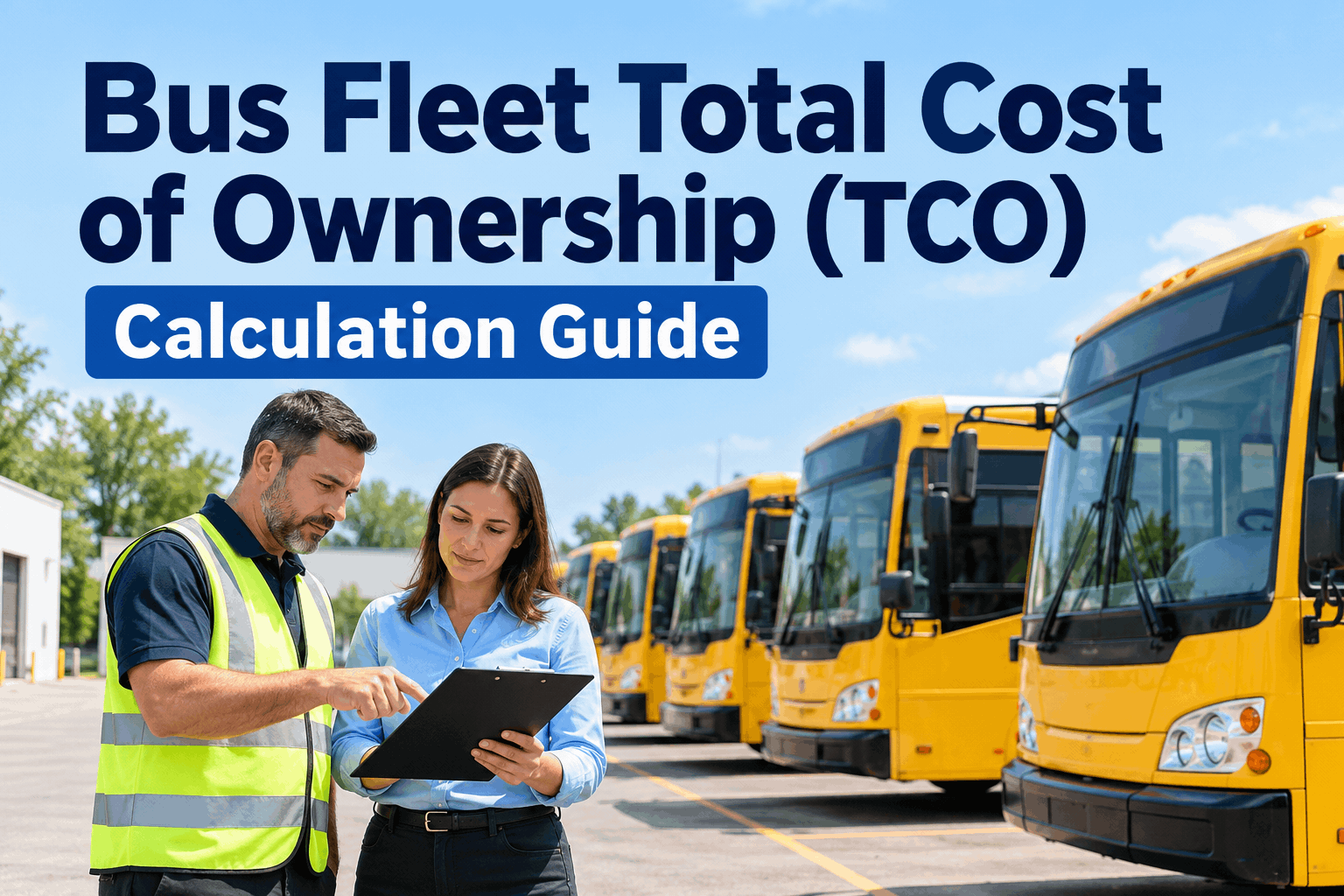
Total Cost of Ownership goes far beyond the initial purchase price. It encompasses every expense associated with owning and operating a bus throughout its entire service life. Most fleet managers focus primarily on acquisition costs and obvious operational expenses, but the complete picture includes numerous hidden costs that can significantly impact your bottom line.
Complete TCO Components:
- Acquisition Costs: Purchase price, financing, taxes, registration, initial modifications
- Operational Costs: Fuel, insurance, licensing, driver wages, route optimization
- Maintenance Costs: Scheduled maintenance, repairs, parts inventory, labor, downtime
- Compliance Costs: Inspections, emissions testing, safety certifications, regulatory updates
- Depreciation: Asset value decline, market factors, technology obsolescence
- Opportunity Costs: Lost revenue from downtime, suboptimal routing, delayed replacements
Advanced fleet operators use sophisticated tracking systems to monitor these costs in real-time, enabling data-driven decisions that optimize performance across all cost categories. This comprehensive approach typically reveals 15-25% in previously untracked expenses that can be immediately addressed through targeted interventions.
Strategic Maintenance Optimization
Maintenance represents the largest controllable cost component in bus fleet operations, typically accounting for 35-45% of total lifecycle expenses. The transition from reactive to predictive maintenance strategies can deliver immediate and substantial cost reductions while improving vehicle reliability and extending service life.
Predictive Maintenance Implementation
Modern predictive maintenance systems use sensor data, telematics, and advanced analytics to identify potential failures before they occur. This approach can reduce maintenance costs by 30-50% while increasing vehicle uptime by 20-25%. The key is implementing a comprehensive monitoring system that tracks critical components and provides actionable insights for maintenance scheduling.
Parts Inventory Optimization
Inefficient parts inventory management is a hidden cost driver that can consume 10-15% of total maintenance budgets. Implementing demand forecasting algorithms and strategic supplier partnerships can reduce inventory carrying costs by 25-35% while ensuring parts availability when needed. This optimization includes identifying high-failure components, establishing optimal reorder points, and negotiating volume discounts with suppliers.
Cost Reduction Opportunity: Fleet operators who implement comprehensive maintenance optimization strategies typically see 25-40% reduction in maintenance-related expenses within the first 18 months of implementation.
Ready to Optimize Your Fleet's Maintenance Costs?
Discover how advanced maintenance management can reduce your lifecycle expenses by up to 40%.
Getting Started Book a DemoFuel Efficiency and Operational Optimization
Fuel costs represent 25-35% of total operating expenses for most bus fleets, making fuel efficiency optimization a critical component of cost reduction strategies. Beyond simple fuel consumption tracking, comprehensive optimization includes route planning, driver behavior monitoring, and vehicle performance analysis.
Advanced Route Optimization
Modern route optimization software can reduce fuel consumption by 15-25% through intelligent routing, traffic pattern analysis, and dynamic scheduling adjustments. These systems consider factors like traffic conditions, passenger demand patterns, vehicle capacity, and driver schedules to create optimal routes that minimize both fuel consumption and operational costs.
Driver Performance Management
Driver behavior significantly impacts fuel efficiency and vehicle wear. Implementing comprehensive driver training programs and real-time feedback systems can improve fuel economy by 10-20% while reducing maintenance costs through better vehicle handling. Key metrics include acceleration patterns, braking efficiency, idle time, and speed management.
Vehicle Performance Monitoring
Continuous monitoring of vehicle performance metrics enables early identification of efficiency-reducing issues. Parameters like engine performance, tire pressure, aerodynamics, and weight distribution all impact fuel consumption. Regular analysis of these factors can identify optimization opportunities that deliver immediate cost savings.
Technology Integration and Data-Driven Decision Making
The most successful fleet operators leverage technology to create integrated systems that provide comprehensive visibility into all aspects of fleet performance. This technology-driven approach enables data-driven decision making that consistently identifies cost reduction opportunities across all operational areas.
Fleet Management System Integration
Integrated fleet management systems combine telematics, maintenance scheduling, fuel monitoring, and performance analytics into a single platform. This integration provides real-time visibility into fleet operations and enables proactive management of cost drivers. The result is typically 20-30% improvement in operational efficiency and cost control.
Predictive Analytics Implementation
Advanced analytics platforms use machine learning algorithms to identify patterns and predict future performance trends. These systems can forecast maintenance needs, optimize replacement timing, and identify operational inefficiencies before they impact costs. Fleet operators using predictive analytics report 25-35% better cost control compared to traditional reactive management approaches.
Real-Time Performance Monitoring
Real-time monitoring systems provide immediate visibility into fleet performance, enabling rapid response to emerging issues. This capability is particularly valuable for identifying and addressing cost-driving problems before they escalate. Key benefits include reduced downtime, improved maintenance scheduling, and better resource allocation.
Technology ROI: Fleet operators who invest in comprehensive technology integration typically see positive ROI within 6-12 months through improved efficiency and reduced operational costs.
Lifecycle Planning and Replacement Strategy
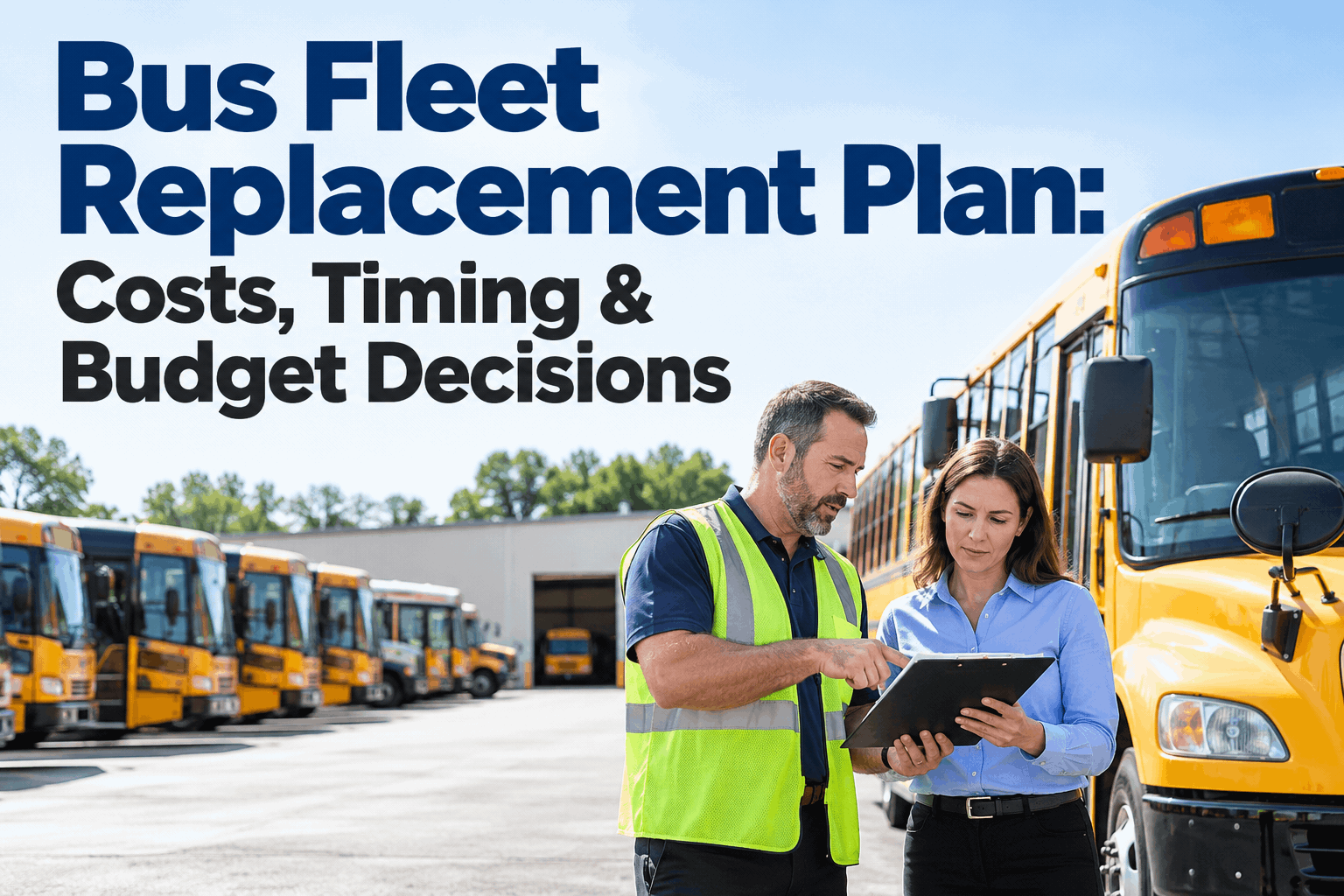
Strategic lifecycle planning is crucial for minimizing total cost of ownership. This involves developing comprehensive replacement strategies that consider not just vehicle age and mileage, but also maintenance costs, fuel efficiency, reliability trends, and market conditions. Optimal replacement timing can reduce total lifecycle costs by 15-25% compared to reactive replacement approaches.
Economic Life Analysis
Economic life analysis determines the optimal replacement point for each vehicle based on comprehensive cost modeling. This analysis considers acquisition costs, operational expenses, maintenance trends, and resale values to identify the point where continued operation becomes more expensive than replacement. Advanced modeling can extend or shorten replacement cycles based on actual performance data.
Technology Upgrade Considerations
Rapid technological advancement in bus manufacturing means that newer vehicles often offer significant operational advantages over older models. Considerations include fuel efficiency improvements, maintenance cost reductions, compliance with new regulations, and passenger comfort enhancements. Strategic technology upgrades can deliver immediate cost savings that justify accelerated replacement schedules.
Market Timing and Resale Value Optimization
Understanding market conditions and timing vehicle disposals to maximize resale value is a critical component of lifecycle cost optimization. This includes monitoring market demand, seasonal variations, regulatory changes, and technology trends that impact vehicle values. Strategic timing of disposals can improve net lifecycle costs by 10-20%.
Transform Your Fleet Cost Management Today
Join hundreds of US fleet operators who have reduced their lifecycle costs by 35% or more through strategic cost analysis and optimization.
Getting Started Book a DemoConclusion
Effective bus fleet cost analysis and lifecycle expense reduction require a comprehensive, data-driven approach that addresses every aspect of fleet operations. The most successful fleet operators don't just track costs – they actively manage them through strategic planning, technology integration, and continuous optimization.
The opportunities for cost reduction are substantial and immediately actionable. From predictive maintenance and fuel optimization to strategic replacement planning and technology integration, every aspect of fleet operations offers potential for improvement. Fleet operators who implement these strategies typically see 25-40% reduction in total lifecycle costs within the first two years.
The key to success lies in moving beyond traditional cost tracking to embrace comprehensive lifecycle management. This means investing in the right technology, developing data-driven processes, and creating a culture of continuous improvement. The fleet operators who act now will have significant competitive advantages as the transportation industry continues to evolve.
Don't let uncontrolled costs erode your profitability. Take action today to implement comprehensive cost analysis and optimization strategies that will position your fleet for long-term success and profitability.