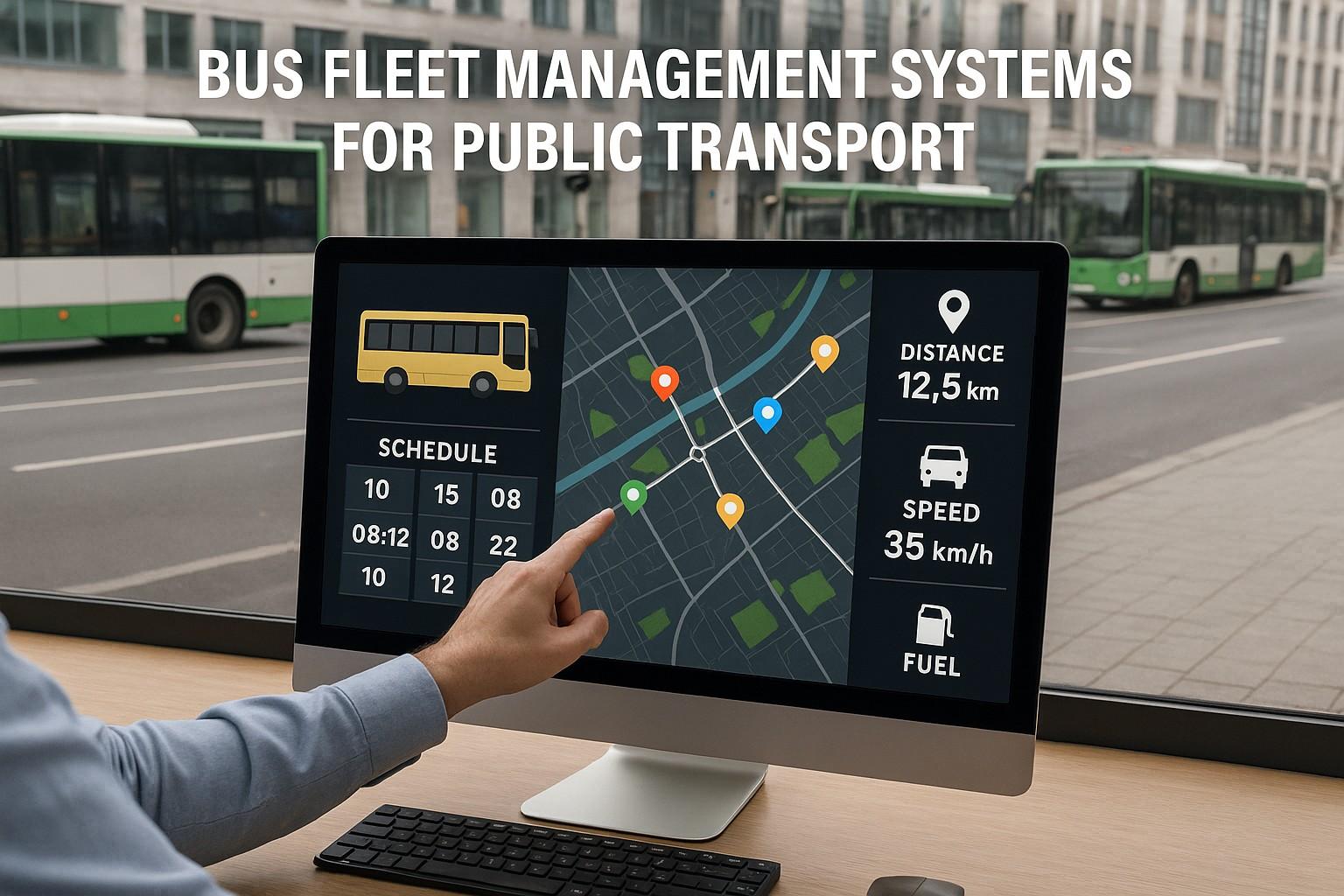
Public transit systems across the United States face unprecedented challenges in delivering reliable, efficient, and cost-effective transportation services to millions of passengers daily. From aging infrastructure to stringent fleet compliance requirements, transit authorities must balance operational excellence with fiscal responsibility while maintaining the highest safety standards. Modern bus fleet management systems have emerged as the cornerstone technology enabling public-transit operators to optimize every aspect of their operations through integrated fleet software solutions.
For manufacturing professionals involved in public transport operations, understanding the strategic impact of comprehensive fleet management software isn't just about operational efficiency—it's about building sustainable transit operations that serve communities effectively while maximizing resource utilization. Today's transit operations demand integrated solutions that connect vehicle diagnostics, driver management, maintenance software, and route optimization into cohesive CMMS systems that drive measurable performance improvements.
Comprehensive Transit Operations Management and Integration
Modern public transport systems require sophisticated coordination between multiple operational components, from real-time fleet tracking to predictive maintenance scheduling. Bus fleet management systems provide the technological foundation that enables transit authorities to monitor, control, and optimize their entire operations from centralized command centers.
These integrated systems enable transit authorities to respond immediately to service disruptions, optimize resource allocation, and maintain consistent service quality across their entire network. By connecting vehicle performance data with passenger demand patterns, fleet management software transforms reactive operations into proactive, data-driven public transport systems that anticipate and address challenges before they impact service delivery.
Advanced Vehicle Diagnostics and Preventive Maintenance
Public transit vehicles operate under demanding conditions that require sophisticated maintenance strategies to ensure safety, reliability, and cost-effectiveness. Modern CMMS systems integrate directly with vehicle diagnostics to provide real-time health monitoring, predictive maintenance alerts, and comprehensive maintenance software that optimizes vehicle uptime while minimizing operational costs.
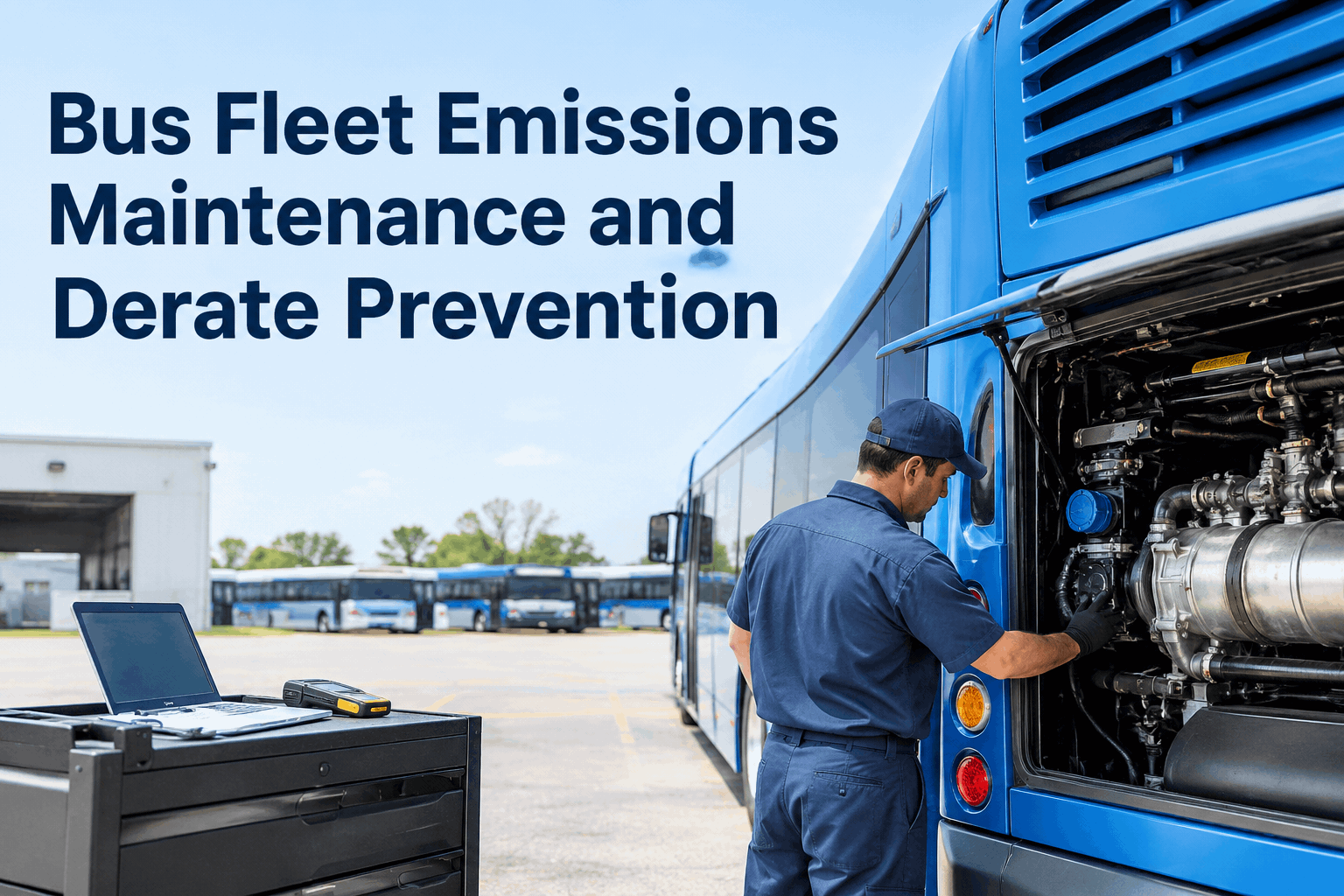
Maintenance Excellence: Integrated vehicle diagnostics systems monitor engine performance, transmission health, brake conditions, and emission systems in real-time. This continuous monitoring enables maintenance teams to address potential issues before they cause service disruptions or safety concerns.
The software automatically schedules preventive maintenance based on actual vehicle usage patterns, operating conditions, and manufacturer specifications. This approach ensures optimal vehicle performance while reducing emergency repairs and extending vehicle life cycles. For transit authorities managing mixed fleets with varying vehicle ages and configurations, this standardized approach to maintenance software creates operational consistency and cost predictability.
Fleet Compliance and Regulatory Management
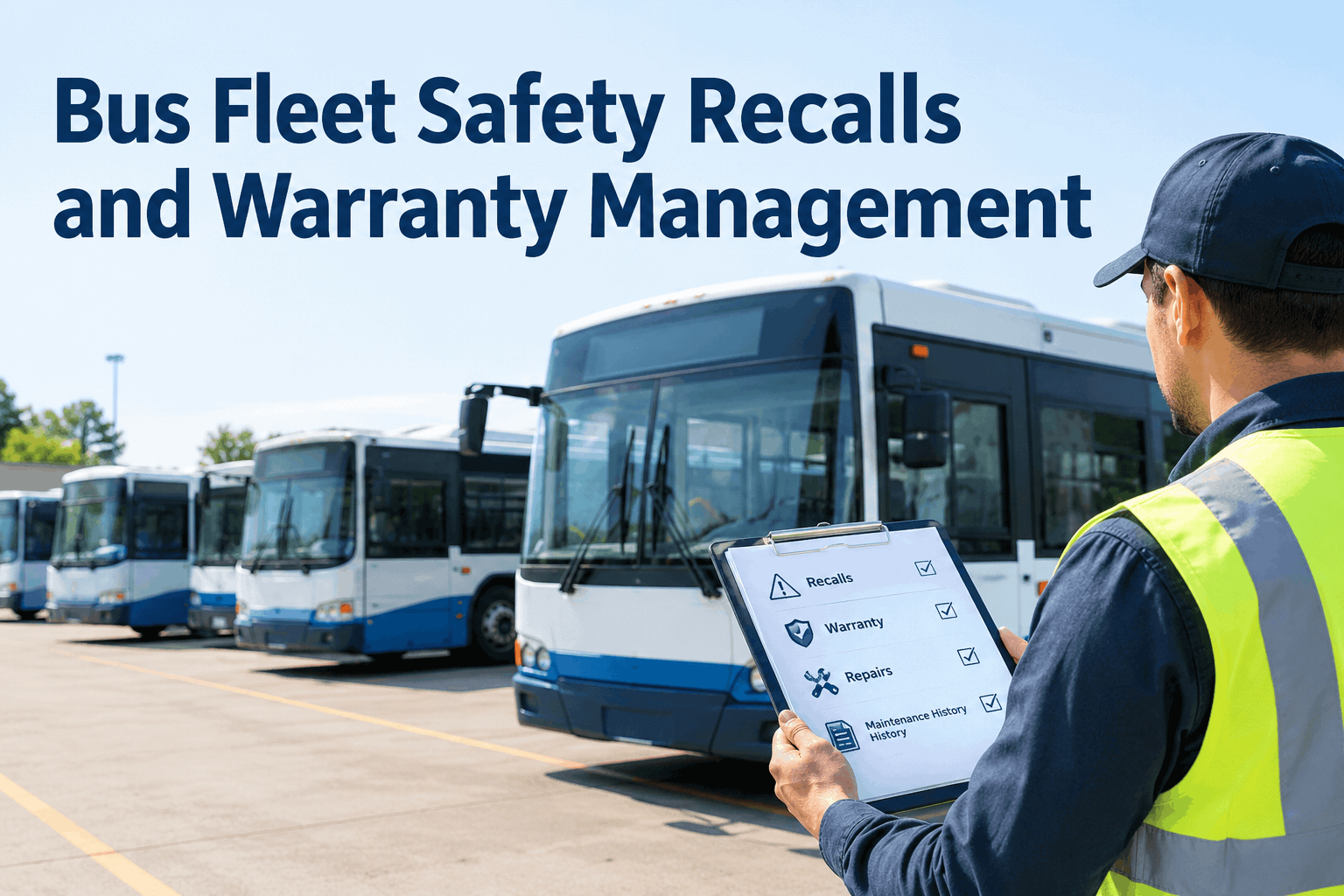
Public transport operations must navigate complex regulatory environments that include federal safety standards, state environmental regulations, and local operational requirements. Bus fleet management systems automate fleet compliance processes, ensuring that all vehicles, drivers, and operations meet required standards while maintaining comprehensive documentation for regulatory audits.
The system manages bus inspection schedules, driver certification tracking, vehicle registration renewals, and safety compliance reporting through automated workflows that eliminate manual oversight gaps. This comprehensive approach to compliance management reduces administrative burden while ensuring 100% adherence to regulatory requirements across all aspects of transit operations.
Automated Inspection Scheduling
Bus inspection requirements are automatically tracked and scheduled based on mileage, time intervals, and regulatory deadlines.
Driver Certification Management
Comprehensive driver management systems track licenses, medical certifications, training requirements, and performance metrics.
Environmental Compliance
Emission monitoring, fuel efficiency tracking, and environmental reporting automated for regulatory compliance.
Route Optimization and Passenger Service Enhancement
Efficient route optimization represents one of the most impactful applications of fleet management software in public transport systems. Advanced algorithms analyze passenger demand patterns, traffic conditions, vehicle capacity, and operational constraints to optimize route planning, scheduling, and resource allocation across entire transit networks.
The system continuously monitors actual versus scheduled performance, identifying bottlenecks, delays, and optimization opportunities that improve on-time performance while reducing operational costs. Real-time fleet tracking enables dynamic route adjustments that maintain service quality despite unexpected disruptions such as traffic incidents, weather conditions, or equipment issues.
This optimization extends beyond individual routes to encompass system-wide efficiency improvements. The software analyzes fuel efficiency patterns, vehicle utilization rates, and maintenance scheduling to optimize the entire fleet operation. For transit authorities serving diverse communities with varying transportation needs, this data-driven approach ensures equitable service delivery while maximizing operational efficiency.
Driver Management and Performance Optimization
Professional drivers represent the front line of public transport service delivery, making comprehensive driver management systems essential for operational success. Modern fleet software integrates driver scheduling, training management, performance monitoring, and safety compliance into unified platforms that support driver development while ensuring service quality.
The system tracks driver performance metrics including on-time performance, fuel efficiency, passenger feedback, and safety records. This data enables targeted training programs, performance improvement initiatives, and recognition programs that enhance overall service quality while supporting driver professional development.
Advanced telematics tools monitor driving behaviors such as acceleration patterns, braking efficiency, and route adherence, providing objective data for driver coaching and safety improvement programs. This approach creates a culture of continuous improvement that benefits both operational efficiency and passenger satisfaction.
Transform your public transit operations with comprehensive fleet management solutions. Discover how integrated systems can enhance efficiency, compliance, and passenger satisfaction.
Getting StartedBook a Demo
Technology Integration and Future-Ready Operations
Modern public transport systems must accommodate evolving technology landscapes that include electric vehicles, autonomous systems, and emerging payment technologies. Bus fleet management systems provide the flexible architecture needed to integrate new technologies while maintaining operational continuity and service reliability.
The software's modular design supports integration with emerging telematics tools, passenger information systems, and smart city infrastructure. This adaptability ensures that current technology investments remain valuable as public-transit systems evolve to meet changing community needs and technological capabilities.
For manufacturing professionals planning long-term public transport strategies, this technological flexibility represents a critical competitive advantage. The system's ability to integrate with existing infrastructure while supporting future innovations creates a foundation for sustainable operational excellence that adapts to changing requirements without requiring complete system replacements.
Bus fleet management systems represent the technological foundation enabling public transport authorities to deliver reliable, efficient, and cost-effective transit services that serve community needs while maintaining operational excellence.
For US manufacturing professionals, implementing comprehensive fleet software solutions creates opportunities for measurable improvements in operational efficiency, regulatory compliance, and passenger satisfaction across all aspects of public transit operations.
Frequently Asked Questions
Q: How does fleet management software improve public transit operational efficiency?
A: Comprehensive fleet software integrates real-time fleet tracking, vehicle diagnostics, maintenance software, and route optimization into unified systems. This integration enables proactive maintenance scheduling, dynamic route adjustments, optimized resource allocation, and data-driven decision making that improves on-time performance while reducing operational costs.
Q: What compliance benefits do CMMS systems provide for public transport authorities?
A: Modern CMMS systems automate bus inspection scheduling, driver certification tracking, vehicle registration management, and safety compliance reporting. This automation ensures 100% adherence to federal, state, and local regulations while maintaining comprehensive documentation for audits and reducing administrative burden on operations staff.
Q: How do vehicle diagnostics systems enhance transit operations and maintenance?
A: Advanced vehicle diagnostics provide real-time monitoring of engine performance, transmission health, brake conditions, and emission systems. This continuous monitoring enables predictive maintenance that addresses potential issues before they cause service disruptions, extends vehicle life cycles, and optimizes maintenance scheduling based on actual usage patterns.
Q: What role does driver management play in public transport fleet systems?
A: Comprehensive driver management systems integrate scheduling, training, performance monitoring, and safety compliance into unified platforms. Telematics tools track driving behaviors and performance metrics, enabling targeted training programs, safety improvement initiatives, and objective performance evaluation that enhances service quality and operational efficiency.
Q: How does route optimization software improve passenger service and operational costs?
A: Route optimization algorithms analyze passenger demand patterns, traffic conditions, vehicle capacity, and operational constraints to optimize scheduling and resource allocation. Real-time fleet tracking enables dynamic adjustments that maintain service quality despite disruptions, while system-wide analysis improves fuel efficiency and vehicle utilization across entire transit networks.