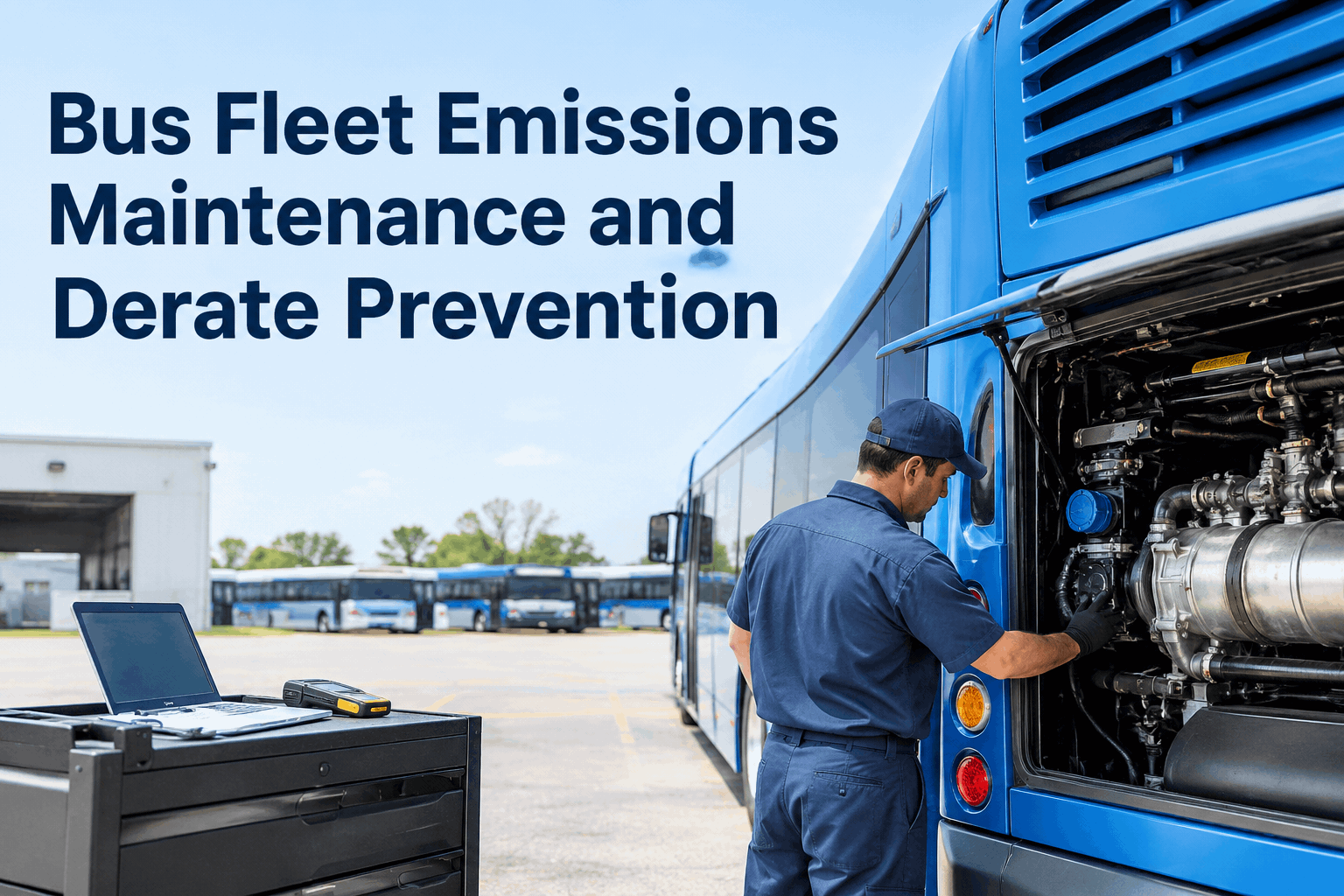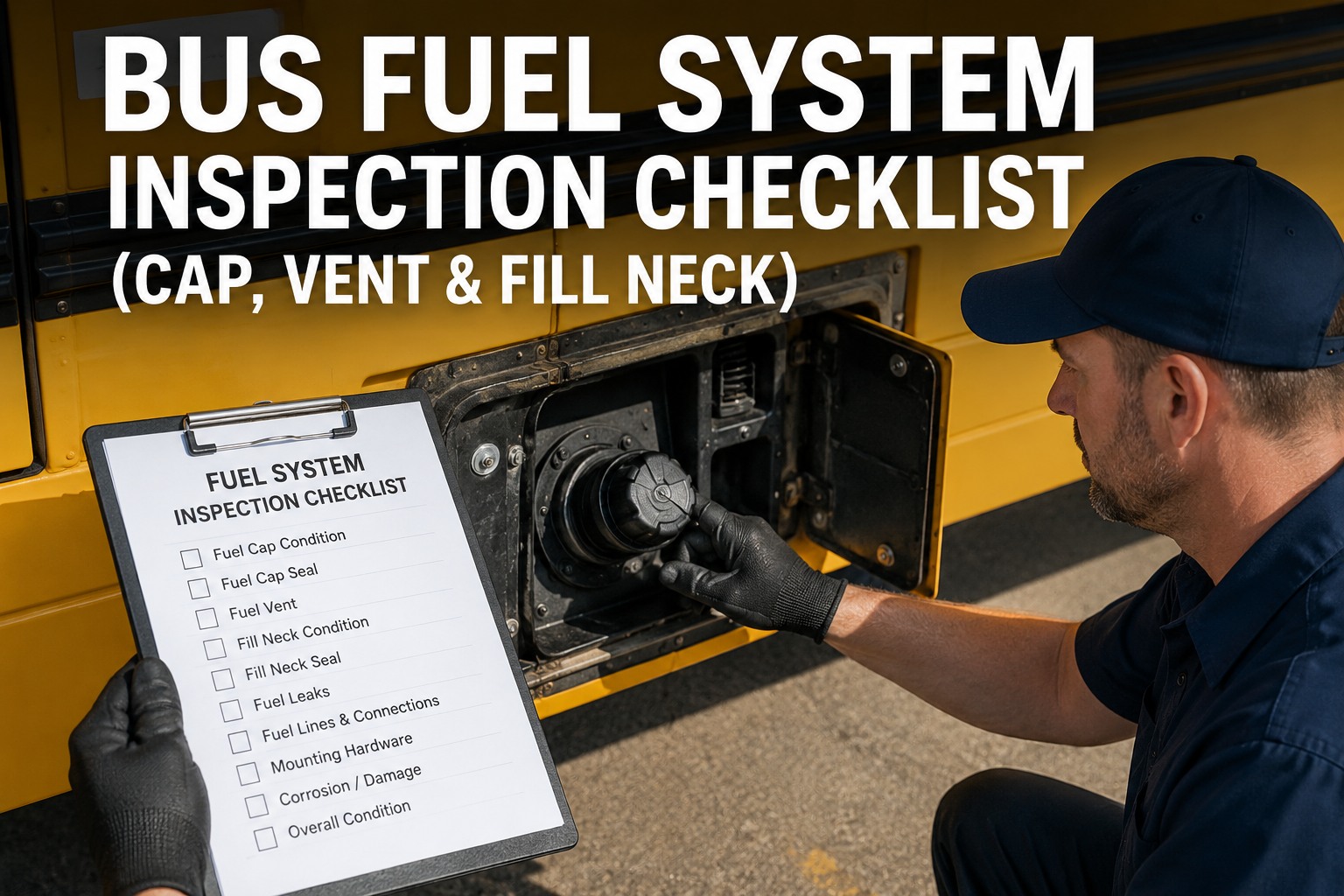
The fuel system is the single most critical safety system in any bus—a fuel leak can cause fire, explosion, or environmental contamination. With fleets operating multiple fuel types—diesel, compressed natural gas (CNG), LPG, and increasingly electric powertrains—inspection requirements vary significantly by fuel type. A diesel fuel leak creates an environmental hazard and fire risk. A CNG leak creates an explosion risk. An LPG leak is heavier than air and pools in low areas. An electric bus charging system failure can cause thermal runaway and battery fire. This comprehensive bus fuel system inspection checklist covers diesel, CNG, LPG, and electric powertrains—tank inspection, fuel lines, filters, leak detection systems, pressure regulators, emergency shutoffs, and charging infrastructure. Use it as your standard procedure for every fuel system PM and safety inspection.
Multi-Fuel Safety Guide 2026
Bus Fuel System Inspection Checklist (Diesel, CNG, LPG, Electric)
Bus fuel system inspection across diesel, CNG, LPG and electric powertrains. Tank, lines, filters, leak detection, regulators and emergency shutoffs.
Why Fuel System Inspections Are Critical: The Safety Reality
Fuel system failures are among the most dangerous breakdowns in bus fleet operations. A diesel fuel leak can ignite and cause a fire that destroys the bus in minutes. A CNG leak creates an explosive atmosphere—a single spark can cause a catastrophic explosion. An LPG leak pools in low areas and can ignite without warning. An electric bus battery fire is extremely difficult to extinguish and can reignite days later. The most common fuel system failures include: fuel line leaks, tank damage, filter blockage, pressure regulator failure, and electrical faults in charging systems.
Regulatory requirements for fuel system inspection vary by fuel type. Diesel systems fall under EPA and FMCSA regulations. CNG and LPG systems are governed by DOT, NFPA 52, and NFPA 58 standards. Electric bus charging systems are covered by NFPA 70E and UL standards. A structured fuel system inspection process is the most effective way to prevent fuel-related accidents and ensure regulatory compliance.
Fuel System Types: Inspection Points by Powertrain
Diesel Fuel Systems
Inspect fuel tanks for leaks and damage. Check fuel lines for chafing or cracks. Replace fuel filters at specified intervals. Drain water separators daily. Check for fuel contamination.
CNG Fuel Systems
Inspect CNG tanks for damage (dent, scratch, corrosion). Check pressure regulators and relief valves. Test fuel lines for leaks with electronic leak detector. Verify emergency shutoff function.
LPG Fuel Systems
Inspect LPG tanks for corrosion and damage. Check liquid and vapor lines for leaks. Verify pressure relief valves function correctly. Test emergency shutoffs.
Electric Bus Charging Systems
Inspect charging connectors for damage or wear. Check high-voltage cables for insulation integrity. Verify thermal management systems. Test ground fault detection circuits.
Fuel System Inspection Checklist: The Complete Inspection
This comprehensive fuel system inspection checklist covers every major fuel system component by fuel type. Use it during every fuel system PM service, safety inspection, and annual DOT inspection.
Fuel Type Comparison: Key Inspection Differences
The chart above shows typical inspection frequency requirements by fuel type. CNG and LPG systems require more frequent inspections due to the higher safety risk of gas leaks. Diesel systems require regular filter changes and leak inspection. Electric systems require charging connector inspection and thermal management system verification. Hybrid systems combine requirements from both electric and internal combustion systems.
Common Fuel System Issues by Fuel Type
Diesel: Fuel Contamination
Cause: Water in fuel, microbial growth, or dirt/debris. Fix: Drain water separator. Replace fuel filters. Treat fuel with biocide. Monitor for future contamination.
CNG: Gas Leak
Cause: Fitting failure, hose damage, or valve seal failure. Fix: Identify leak with electronic detector. Replace damaged components. Test system after repairs.
LPG: Pressure Regulator Failure
Cause: Internal diaphragm failure or seal degradation. Fix: Replace pressure regulator. Inspect associated lines and fittings. Test system after replacement.
Electric: Charging Connector Wear
Cause: Repeated plugging/unplugging cycles causing contact wear. Fix: Inspect pins for wear or damage. Replace connectors proactively. Document replacement cycles.
Diesel: Injection Pump Failure
Cause: Fuel contamination, lubrication failure, or wear. Fix: Diagnose pump condition. Replace with rebuilt or new pump. Prevent contamination through regular filtration.
CNG: Tank Certification Expired
Cause: CNG tanks require hydrostatic testing every 3-5 years. Fix: Remove and test tanks at certified facility. Replace if test fails. Track expiration dates.
We implemented this fuel system inspection checklist across our 85-bus fleet. In the first year, we caught 14 diesel fuel leaks that could have caused fires, 6 CNG leaks that would have created explosion hazards, and 8 LPG system issues. We prevented what could have been multiple catastrophic accidents. The checklist also helped us identify 4 CNG tanks approaching certification expiration. The inspection program paid for itself in safety risk reduction alone.
Digitize Your Fuel System Inspection Process
BusCMMS guides technicians through every fuel system inspection point—tank condition, fuel lines, filters, leak detection, pressure regulators, emergency shutoffs, and charging system verification. Auto-schedule fuel system PM intervals based on mileage and fuel type. Complete audit trail for every fuel system component in your fleet.
Bus Fuel System FAQs
How often should diesel fuel filters be changed?
Diesel fuel filters should be changed at manufacturer-specified intervals, typically every 10,000–15,000 miles. Water separators should be drained daily or weekly depending on fuel quality and moisture levels. More frequent changes may be needed with poor fuel quality.
What is the correct leak test procedure for CNG systems?
CNG systems should be leak tested using a calibrated electronic gas detector. Test all fittings, connections, hoses, and valves. Perform test with system at operating pressure. Small leaks (below 2% LEL) may be acceptable per NFPA 52, but any leak should be repaired promptly.
How often should CNG tanks be certified?
CNG tanks require hydrostatic testing every 3-5 years depending on type and manufacturer. Type 1 (metal) tanks: every 3 years. Type 2-4 (composite) tanks: every 3-5 years. Track certification dates carefully—expired tanks are a safety violation and must be removed from service.
What are the signs of diesel fuel contamination?
Signs include: dark or cloudy fuel, water droplets in fuel samples, fuel filter clogging more frequently, reduced engine performance, black smoke from exhaust, and microbial growth visible in fuel samples. Regular fuel sampling and testing catches contamination early.
What should I check on electric bus charging connectors?
Inspect pins for wear, corrosion, or damage. Check for debris or contamination in connector. Verify cable insulation integrity. Test lock mechanism function. Monitor connector temperature during charging sessions. Replace connectors showing wear or damage.
Can BusCMMS track fuel system inspection history?
Yes. BusCMMS tracks fuel system inspection results, filter replacement dates, leak test results, CNG tank certification dates, and repair records. This creates a complete fuel system history for each bus, helping ensure regulatory compliance and identifying maintenance patterns across your fleet.
The Bottom Line
Bus fuel system inspections are not optional—they are safety-critical tasks that protect your passengers, your drivers, your fleet, and the public. A single fuel leak can cause fire, explosion, or environmental contamination. CNG and LPG systems require specialized inspection procedures and equipment. Electric charging systems require electrical safety verification. This checklist provides the step-by-step procedure your technicians need to inspect every fuel system component—tanks, lines, filters, leak detection, regulators, shutoffs, and charging systems. When combined with BusCMMS digital inspection forms, auto-scheduled PM intervals, and complete fuel system history tracking, your fuel maintenance program becomes proactive—catching issues before they become safety hazards or regulatory violations.