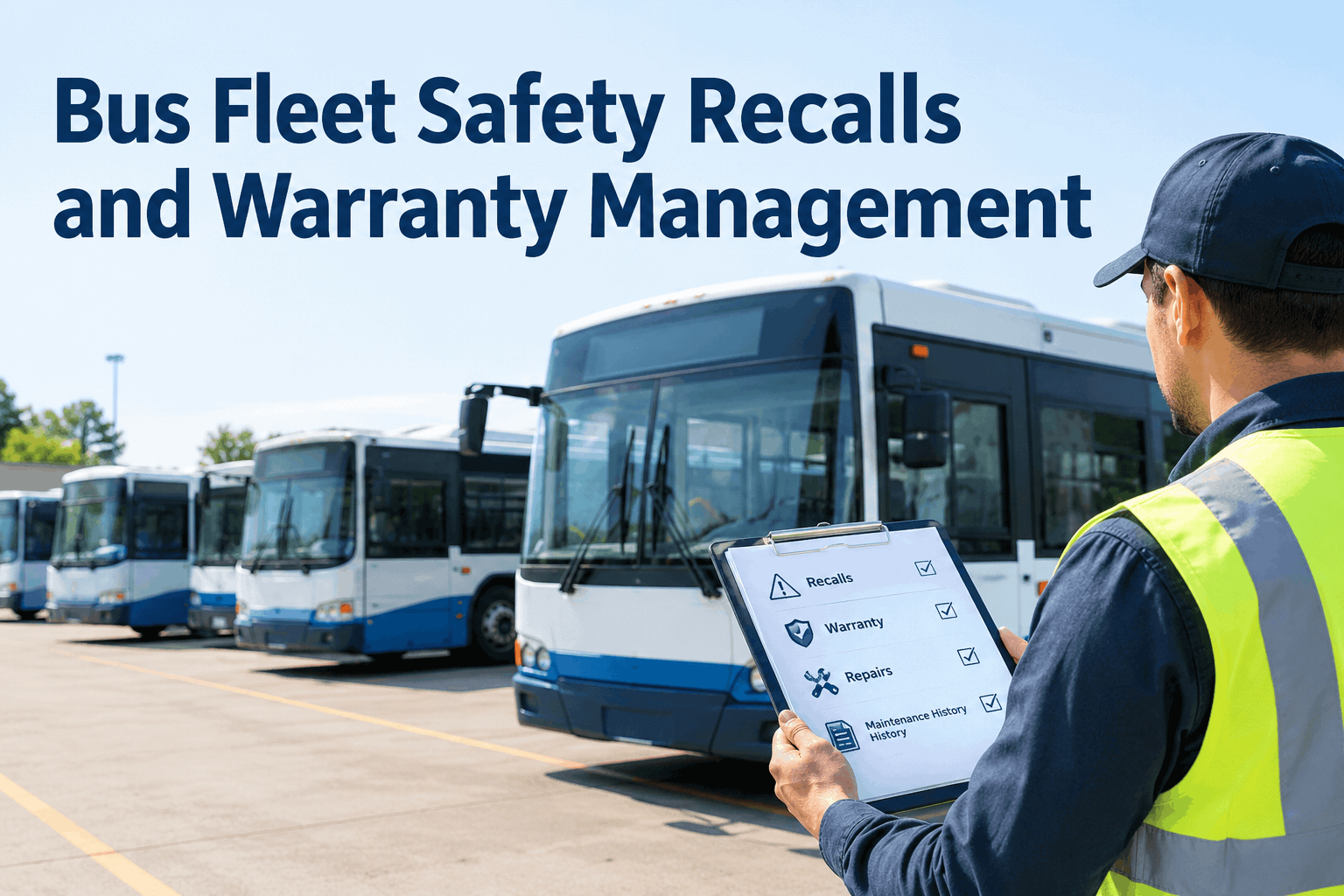
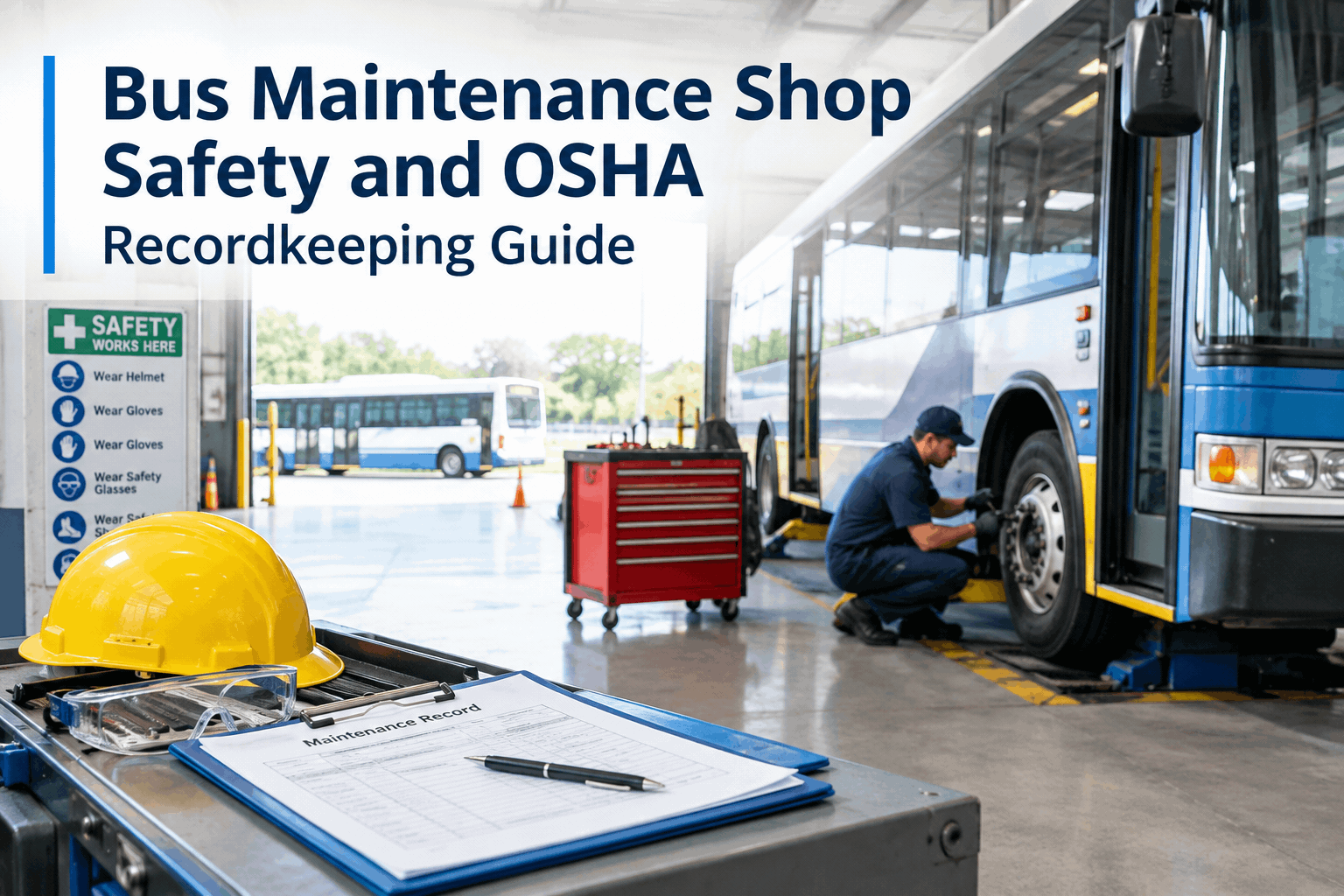
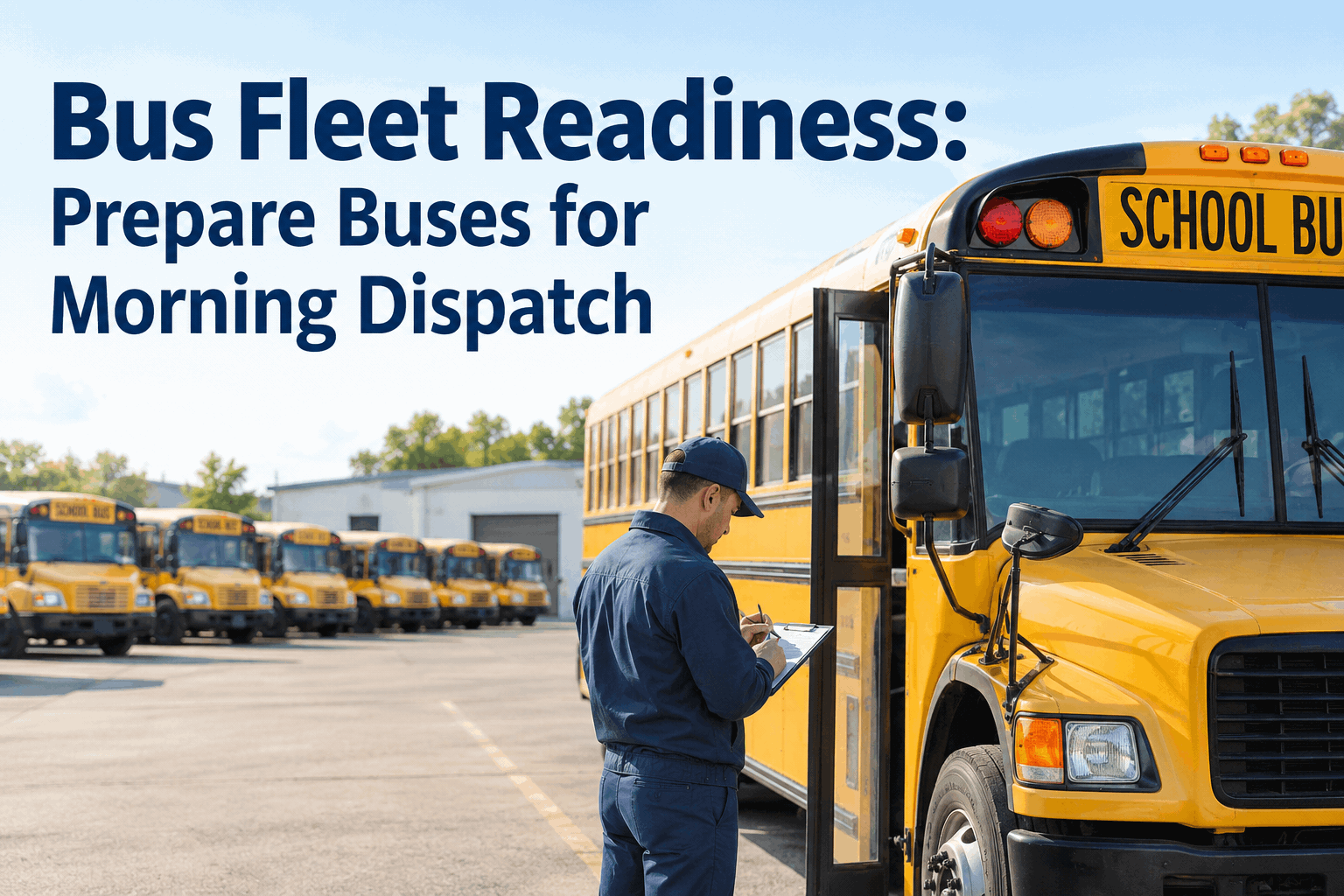
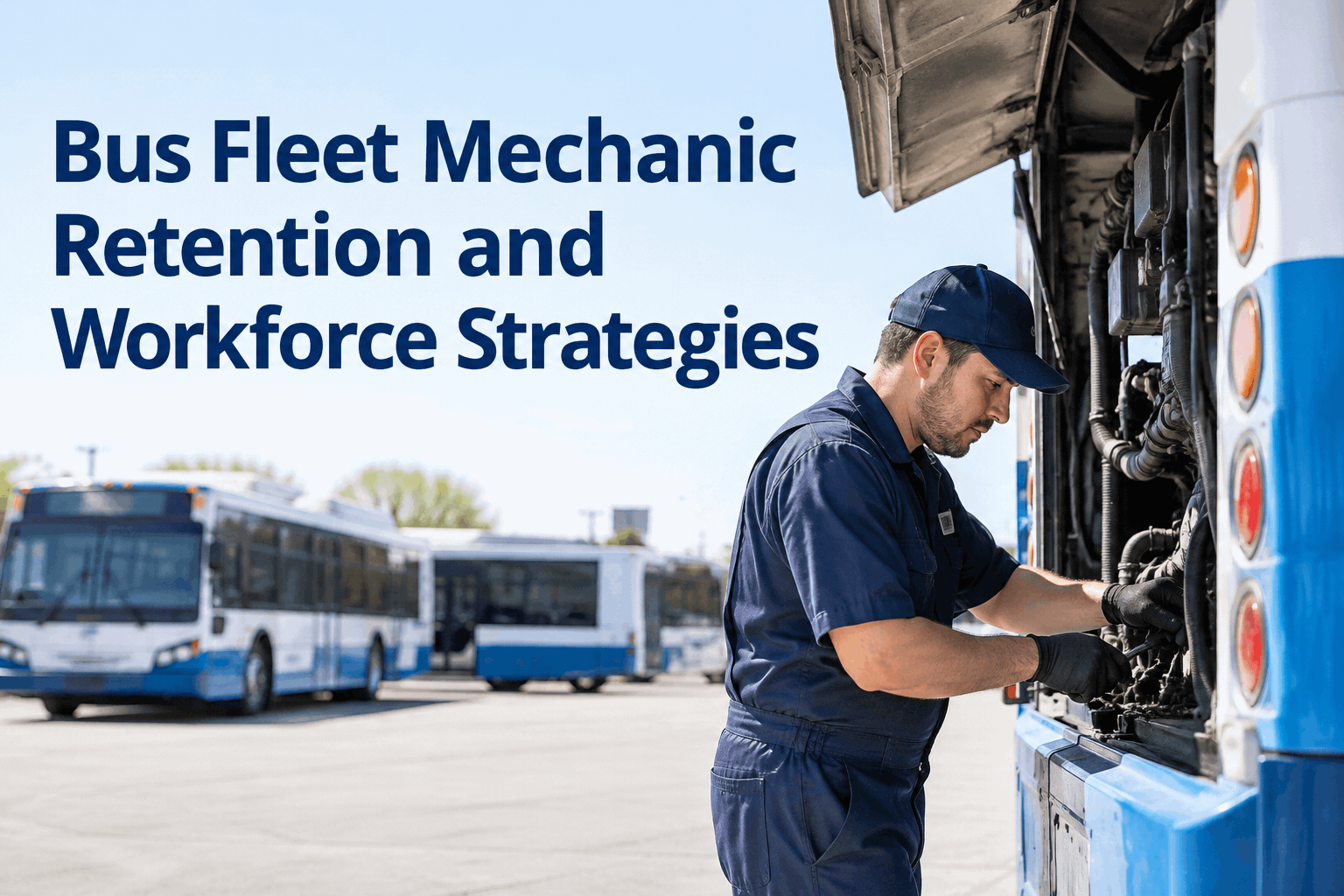
This bus maintenance guide for fleet managers 2026 is your complete roadmap to running a safer, more efficient, and cost-effective bus fleet. Whether you manage school buses, transit vehicles, or charter operations, this guide covers everything you needfrom daily inspections and preventive maintenance scheduling to CMMS workflows and DOT compliance management.
In 2026, reactive maintenance is no longer an option. Rising repair costs, tighter regulations, and higher passenger expectations mean fleet managers must adopt proactive strategies. This guide gives you the practical framework, proven schedules, and actionable steps to reduce breakdowns, cut costs, and keep your buses on the road.
The Maintenance Pyramid: Foundation to Excellence
Think of your maintenance program as a pyramid. You can't skip levels—each one builds on the one below. Most struggling fleets try to jump straight to "predictive maintenance" while ignoring basic inspections. Here's the right order:
Most fleets operate at levels 1-2. The best fleets—those with 93%+ uptime—have mastered all four. The good news? Moving up each level delivers compounding returns. See how BusCMMS helps fleets climb the pyramid →
The 70/20/10 Rule for Maintenance Mix
World-class fleets follow a simple ratio for their maintenance work:
If your reactive maintenance exceeds 30%, you're leaving money on the table. Each 10% shift from reactive to preventive cuts total maintenance costs by 6-8%.
5 Pillars of Effective Bus Maintenance
Daily Inspections
Pre-trip and post-trip checks catch 80% of issues before they become breakdowns. Digital DVIRs ensure nothing slips through the cracks.
- Lights, signals, mirrors
- Fluid levels and leaks
- Tire condition and pressure
- Brake system check
PM Scheduling
Set service intervals based on mileage, engine hours, or calendar time—whichever comes first. Automate reminders so nothing gets missed.
- PM-A: 6,000 miles (basic)
- PM-B: 24,000 miles (intermediate)
- PM-C: 48,000 miles (major)
- Annual DOT inspection
Work Order Management
Every repair starts with a work order. Track labor hours, parts used, and costs to understand your true maintenance spend.
- Digital work order creation
- Technician assignment
- Parts tracking
- Cost capture
Parts Inventory
Stock high-failure items, track usage patterns, and set reorder points. Running out of brake pads shouldn't ground a bus for a week.
- Min/max stock levels
- Automated reorder alerts
- Usage history tracking
- Vendor management
Compliance Tracking
DOT inspections, driver certifications, emissions tests—miss one and you're looking at fines or out-of-service orders.
- Annual DOT inspections
- State safety certifications
- Emissions compliance
- 14-month record retention
Build Your Maintenance Foundation
BusCMMS connects all five pillars in one platform—inspections, scheduling, work orders, inventory, and compliance. See how it works for your fleet.
PM Intervals: What to Service and When
Every fleet needs clear service intervals. Here's a baseline schedule you can adapt to your specific operating conditions:
Pre/Post-Trip Inspection
- Walk-around visual check
- Fluid levels (oil, coolant, washer)
- Tire pressure and condition
- Lights and signals
- Brake test
- Emergency equipment check
Detailed Systems Check
- Battery terminals and charge
- Belt tension and condition
- Air filter inspection
- Wheelchair lift operation
- HVAC performance
- Interior safety equipment
Basic Service
- Oil and filter change
- Lubrication points
- Tire rotation
- Brake measurement
- Fluid top-off
- Diagnostic scan
Intermediate Service
- All PM-A items plus:
- Transmission fluid check
- Coolant system service
- Air filter replacement
- Fuel filter replacement
- Suspension inspection
Major Service
- All PM-B items plus:
- Transmission service
- Differential service
- Brake system overhaul
- Steering system check
- Exhaust system inspection
Compliance & Deep Inspection
- DOT annual inspection
- State safety certification
- Emissions testing
- Full electrical system test
- Structural inspection
- Complete documentation review
Adjust intervals based on operating conditions—stop-and-go city routes, extreme temperatures, or dusty environments may require more frequent service. Create custom PM schedules in BusCMMS →
The Cost of Getting It Wrong
Let's be direct about what poor maintenance really costs:
The math is simple: a $60 oil change you skip today becomes a $6,000 engine replacement tomorrow. Multiply that by your fleet size, and the difference between preventive and reactive maintenance can easily reach six figures annually.
Why CMMS Changes Everything
Spreadsheets and whiteboards worked when fleets were smaller and simpler. In 2026, they're a liability. Here's what modern fleet maintenance software delivers:
Single Source of Truth
Every bus, every service record, every cost—in one place. No more hunting through filing cabinets during audits.
Automated Reminders
PM alerts based on mileage, hours, or date—whichever triggers first. Nothing falls through the cracks.
Cost Visibility
Know your true cost per mile. Identify buses bleeding money before they drain your budget.
Compliance Confidence
DOT-ready documentation, automatic certification tracking, and audit-ready reports at the click of a button.
Mobile Access
Drivers complete inspections on their phones. Technicians access work orders from the shop floor. Real-time updates everywhere.
Trend Analysis
Spot repeat failures, identify problem buses, and make data-driven replacement decisions instead of guessing.
Ready to Transform Your Fleet Maintenance?
Join hundreds of fleet managers who've moved from reactive firefighting to proactive maintenance management. BusCMMS is built specifically for bus fleets—not adapted from generic manufacturing software.
Quick Wins: Start Here This Week
You don't need to overhaul everything at once. These five actions deliver immediate impact:
Audit your PM compliance rate
Pull your last 90 days of service records. What percentage of scheduled PMs were completed on time? If it's below 85%, that's your first priority.
Digitize daily inspections
Paper DVIRs get lost. Digital inspections create instant records, flag defects automatically, and build your compliance documentation.
Identify your "money pit" buses
Which buses have the highest repair costs? Industry data shows 15% of buses often consume 45% of maintenance budgets. Find them and address them.
Stock your top 10 failure parts
What parts do you order most often in emergencies? Keep them on the shelf. Reducing parts wait time cuts downtime dramatically.
Set up one automated reminder
Even if you're not ready for full CMMS implementation, automate reminders for your most critical PM—usually oil changes. Try BusCMMS free →
The Bottom Line
Effective bus maintenance isn't about doing more—it's about doing the right things at the right time. Build your foundation with consistent inspections and documentation. Layer on preventive maintenance with clear intervals. Track everything in a system that grows with your fleet. The fleets that master this formula spend less, break down less, and operate with confidence.
Frequently Asked Questions
What's the ideal PM compliance rate for a bus fleet?
Target 95% or higher PM compliance. World-class fleets achieve 95-98% on-time completion of scheduled maintenance. Fleets below 80% typically experience 50% more breakdowns and significantly higher repair costs. Every 10% improvement in PM compliance reduces total maintenance costs by 6-8%.
How much should I budget for bus maintenance annually?
Budget $0.15-0.25 per mile or $8,000-15,000 per bus annually, depending on fleet age and operating conditions. Allocate 70% to preventive maintenance, 20% to predictive/condition-based work, and reserve 10% for unavoidable reactive repairs. Older buses (7+ years) typically cost 35% more to maintain than newer vehicles.
What's the difference between CMMS and fleet management software?
Fleet management software typically focuses on GPS tracking, routing, and dispatch. CMMS (Computerized Maintenance Management System) focuses specifically on maintenance—scheduling, work orders, parts inventory, and compliance tracking. The best bus fleet operations use both, often integrated. BusCMMS is purpose-built for bus maintenance specifically.
How long does it take to implement a maintenance management system?
Basic implementation takes 2-4 weeks for most fleets. This includes uploading your vehicle list, setting PM schedules, and training drivers on digital inspections. Full optimization—including parts inventory, custom reports, and workflow refinement—typically takes 3-6 months. Most fleets see measurable improvements within 90 days.
What records do I need to keep for DOT compliance?
FMCSA requires 14-month retention of all inspection reports and maintenance records. Keep documentation of annual inspections, driver vehicle inspection reports (DVIRs), repair records, and evidence of defect correction. Digital records are acceptable and preferred—they're easier to search during audits and can't be lost in a filing cabinet.