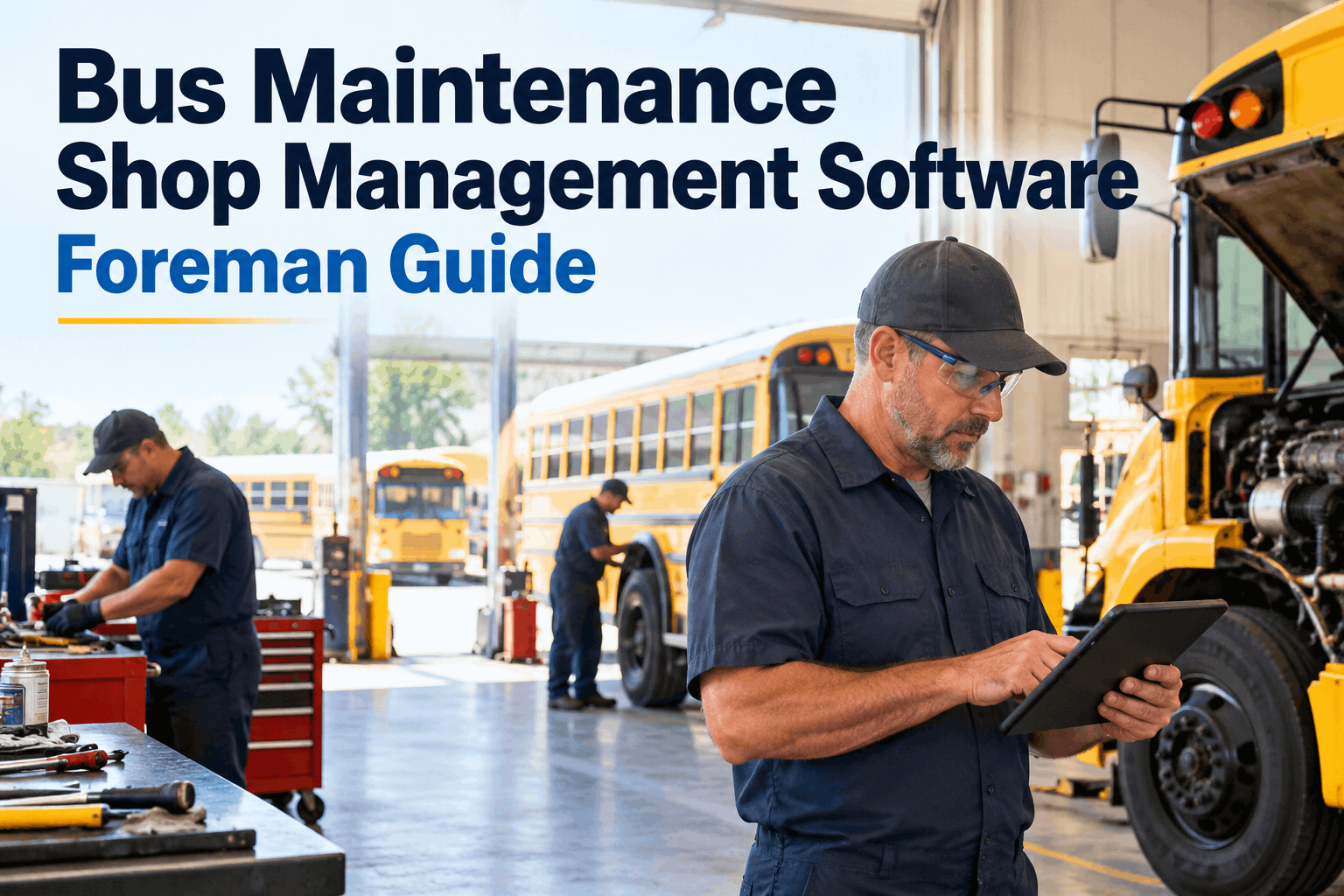
Preventive maintenance is the foundation of fleet reliability and the most cost-effective strategy for reducing unexpected breakdowns, extending vehicle lifespan, and maintaining operational excellence. Buses operating without structured preventive maintenance experience breakdowns at 6-8 times higher rates than properly maintained fleets, creating unpredictable downtime that disrupts routes, frustrates passengers, and drives maintenance costs through the roof. The difference between a fleet experiencing 2-3 emergency roadside calls per 100,000 miles and a fleet experiencing 12-15 calls per 100,000 miles is not equipment quality—it's maintenance discipline. A structured preventive maintenance program following manufacturer specifications and industry best practices reduces breakdowns by 65-75%, extends component life by 40-50%, reduces emergency repair costs by 70%, and improves overall fleet reliability. This comprehensive preventive maintenance checklist provides monthly, quarterly, and annual PM intervals with specific tasks, acceptance criteria, and documentation requirements. It's the standard used by transit agencies and commercial fleets nationwide to transform maintenance from reactive crisis management into proactive reliability engineering .
Bus Preventive Maintenance Checklist
Professional PM schedule covering monthly, quarterly, and annual intervals. Reduce breakdowns by 65% with structured preventive maintenance. Complete maintenance template used by transit agencies and commercial fleets. Free downloadable PM schedule aligned with manufacturer specifications.
"Implementing a structured preventive maintenance program using this comprehensive PM schedule transformed our fleet from constant emergency repairs to predictable, planned maintenance. We reduced roadside breakdowns from 14 per month to 2-3 per month, extended bus life from 8 years to 12 years, and reduced annual maintenance costs by $42,000 per vehicle. This is professional fleet management done right."
Monthly Preventive Maintenance (Every 500-1,000 Miles)
Monthly preventive maintenance occurs on the shortest interval and focuses on fluid conditions, filter conditions, and visual inspection of critical systems. Monthly inspections catch developing problems before they become major failures. An oil change every 500-1,000 miles removes contamination particles that accumulate during operation and keeps engine oil at proper viscosity and performance grade. A filter change prevents restriction that would reduce fuel efficiency and engine performance. Fluid level checks identify slow leaks before they cause component damage. Monthly PM is the most frequent interval because it catches problems early when repair costs are minimal.
Monthly maintenance should be documented with completed work orders noting mileage, date, technician name, specific tasks performed, and any defects discovered. This documentation creates accountability and enables tracking of maintenance history for each bus. CMMS systems automate monthly maintenance scheduling and generate work orders so mechanics know exactly what tasks are due and when. Documentation becomes critical evidence if warranty disputes arise or if accident investigation requires proof that recommended maintenance was performed.
Quarterly Preventive Maintenance (Every 3,000-5,000 Miles)
Quarterly maintenance intervals (every 3-5 months depending on mileage accumulation) address systems that develop problems more slowly than monthly intervals: brake pad wear, filter condition across all systems, hose condition, electrical connections, and belt tension. Quarterly inspections are deeper than monthly and often require removing components to assess internal condition. Brake pad thickness is critical because brake failure is the leading cause of bus accidents and brake pads wearing below minimum specification is an out-of-service violation. A quarterly brake inspection identifies when pads are approaching minimum thickness so replacement can be scheduled before emergency situations develop.
Quarterly inspections also assess system health through testing and measurement rather than visual inspection alone. Brake pad thickness is measured, not estimated. Battery voltage is tested, not assumed adequate. Air brake system pressure is verified against manufacturer specifications. This combination of detailed inspection and quantitative testing identifies problems at early stages when correction is inexpensive rather than waiting until failure occurs and emergency repairs are necessary.
Annual Preventive Maintenance (Every 12 Months)
Annual preventive maintenance is the most comprehensive interval and addresses major components and systems that develop problems on annual timescales. Annual inspections include full brake system service, transmission fluid analysis, engine compression testing, suspension alignment, and complete electrical system diagnosis. Annual maintenance often requires taking buses out of service for 1-2 days to perform thorough inspections and necessary repairs. This significant downtime and labor investment is justified because annual PM prevents catastrophic failures that would require emergency repairs taking buses out of service for weeks or months.
Annual inspections are typically coordinated with DOT vehicle safety inspections and emissions testing. A bus that passes annual PM inspection with flying colors typically passes DOT inspection without violations. Annual PM also serves as transition point where fleet managers evaluate bus condition and make replacement decisions. A bus with excessive wear, cumulative defects, or declining reliability identified during annual inspection might be candidates for replacement rather than continuing investment in repairs. This data-driven replacement planning extends fleet life where appropriate and eliminates chronic problem buses that consume disproportionate maintenance resources.
Preventive Maintenance Cost Analysis & ROI
Preventive maintenance costs average $8,000-$12,000 per bus annually for structured PM programs. This investment prevents average $45,000-$65,000 in annual emergency repair costs for fleets that operate without preventive maintenance. The return on investment is 4-6x: for every dollar spent on preventive maintenance, fleets save $4-6 in avoided emergency repairs. This financial case for PM is supported by decades of maintenance data from transit agencies and commercial operators worldwide. A fleet of 100 buses investing $900,000 annually in PM prevents approximately $4,500,000-$6,500,000 in emergency repairs, creating net savings of $3,600,000-$5,600,000 annually.
Beyond direct repair cost savings, preventive maintenance extends vehicle lifespan from 8-10 years to 12-15 years, increasing total return on capital investment. It reduces unscheduled downtime that disrupts service and frustrates passengers. It improves driver safety because vehicles maintained according to manufacturer specifications have fewer brake failures, mechanical breakdowns, and roadside emergencies. It reduces insurance premiums as carriers reward fleets demonstrating disciplined maintenance practices. Insurance discounts of 5-12% are common for fleets with documented PM programs, translating to additional annual savings of $50,000-$150,000 for a 100-bus fleet depending on carrier and coverage levels.
Preventive Maintenance Impact on Fleet Performance
Bus Preventive Maintenance FAQs
What is the difference between preventive maintenance and reactive maintenance?
Preventive maintenance is planned service performed on regular intervals to keep systems functioning properly and prevent failures. Reactive maintenance repairs items only after they fail, creating emergency situations, downtime, and high costs. Preventive maintenance costs less and delivers superior reliability; reactive maintenance is expensive and unreliable.
How often should oil changes be performed on commercial buses?
Oil changes are typically due every 500-1,000 miles depending on engine type and oil grade. Synthetic oils may extend intervals to 1,500 miles. Consult manufacturer specifications for your specific engine. Using OEM or equivalent oil and replacing filters every oil change is critical for proper engine protection.
What is the expected return on investment for preventive maintenance programs?
ROI typically ranges from 4:1 to 6:1—for every dollar spent on preventive maintenance, fleets save $4-6 in avoided emergency repairs. A $10,000 annual PM investment prevents $40,000-$60,000 in emergency repairs, producing net savings of $30,000-$50,000 per bus annually.
How does preventive maintenance extend vehicle lifespan?
Proper PM keeps systems functioning at design specifications, reducing wear on components. Buses with structured PM programs typically operate 12-15 years versus 8-10 years for reactive-maintenance fleets. This extends total return on capital investment and reduces cumulative ownership costs by 30-40%.
What components require brake service during quarterly maintenance intervals?
Quarterly brake inspections should measure pad thickness, inspect rotors for damage or warping, check brake hoses for leaks or cracks, and verify air brake system pressure. Brake pads below 3/16 inch thickness should be replaced. Any hose damage requires immediate service before operation resumes.
Should fleets use OEM parts or aftermarket parts for preventive maintenance?
OEM parts are recommended for critical systems (brakes, steering, transmission) because they meet manufacturer specifications and often carry warranty coverage. Aftermarket parts may be acceptable for routine items (filters, fluids) if certified equivalent. Consult warranty terms—some warranties require OEM parts for coverage.
How can fleets monitor whether PM schedules are being followed correctly?
CMMS systems generate PM work orders on schedule, mechanics document completed work with photos and notes, and fleet managers audit completed work orders to verify schedule compliance. Periodic surprise inspections of buses between PM intervals verify that work is actually being performed according to specifications.
Can preventive maintenance be skipped or extended during periods of lower utilization?
No. Both time-based and mileage-based intervals should be maintained regardless of utilization. A bus sitting idle for months still requires scheduled maintenance because time-based deterioration (fluid oxidation, seal hardening, corrosion) occurs even without operation. Skip PM intervals and you risk component failure when the bus returns to service.
Implement Professional Preventive Maintenance Today
Download our comprehensive monthly, quarterly, and annual PM schedule template. Structured preventive maintenance reduces breakdowns by 65-75%, extends bus life by 40-50%, and saves $45,000+ per vehicle annually. BusCMMS automates PM scheduling, work order generation, and compliance tracking so your entire fleet maintains proper maintenance intervals. Start building fleet reliability today with professional preventive maintenance practices.