The American school bus industry is experiencing its most significant transformation in decades. From coast to coast, school districts are embracing revolutionary technologies that are fundamentally changing how 26 million students get to school each day. For manufacturing professionals in the transportation sector, understanding these changes isn't just about keeping up with trends—it's about recognizing the massive shift toward intelligent, connected, and sustainable student transportation systems.
This transformation goes far beyond simply upgrading vehicles. Today's school bus innovations encompass comprehensive fleet management systems, predictive maintenance technologies, real-time safety monitoring, and environmental sustainability initiatives that are reshaping the entire student transportation ecosystem. Manufacturing companies that understand and adapt to these changes are positioning themselves at the forefront of a $20 billion industry revolution.
Advanced Fleet Management and Route Optimization Technology
Modern school bus operations now rely heavily on sophisticated fleet software and route optimization systems that would have been unimaginable just a decade ago. These technologies are transforming how school districts manage their transportation networks, reducing costs while improving service reliability and student safety.
Leading manufacturers like Blue Bird Corporation have integrated comprehensive fleet management platforms directly into their vehicles. These systems provide real-time tracking, automated maintenance scheduling, and predictive analytics that help transportation directors optimize routes, reduce fuel consumption, and minimize vehicle downtime. The result is a more efficient transportation system that better serves students while reducing operational costs for school districts.
Route optimization technology now uses artificial intelligence and machine learning algorithms to analyze traffic patterns, weather conditions, and student ridership data. This enables dynamic route adjustments that can reduce travel times by up to 15% while ensuring students arrive at school safely and on time. For manufacturing professionals, this represents a significant opportunity to develop and integrate smart transportation solutions that go beyond traditional vehicle manufacturing.
Transform Your School Transportation Fleet Today! Discover how advanced CMMS tools and predictive analytics can revolutionize your bus operations and ensure student safety.
Getting Started Book a DemoRevolutionary Safety Enhancements and Student Protection Systems
Student safety remains the paramount concern in school bus innovation, driving the development of advanced safety technologies that are setting new industry standards. Modern school buses now feature comprehensive safety monitoring systems that monitor both driver behavior and student activities in real-time.
Interior and exterior camera systems with AI-powered analytics can detect unsafe behaviors, automatically alert drivers to potential hazards, and provide school administrators with detailed incident reports. These systems include features like automatic emergency braking, blind spot detection, and pedestrian detection systems that significantly reduce the risk of accidents involving school buses.
Driver safety monitoring systems track driver fatigue, distraction, and adherence to safety protocols. When combined with GPS tracking and route monitoring, these technologies create a comprehensive safety net that protects both students and other road users. The integration of these systems into modern school bus designs represents a fundamental shift toward proactive safety management rather than reactive incident response.
Environmental Sustainability and Clean Energy Initiatives
The push toward environmental sustainability is driving one of the most significant changes in school bus manufacturing and operations. The EPA's Clean School Bus Program, with its $5 billion investment, is accelerating the adoption of electric and alternative-fuel school buses across the United States.
Electric school buses are no longer experimental vehicles—they're becoming mainstream solutions that offer significant advantages over traditional diesel buses. These vehicles produce zero direct emissions, operate more quietly, and provide lower total cost of ownership through reduced fuel and maintenance costs. Leading manufacturers are now producing electric school buses with ranges exceeding 100 miles, making them viable for the vast majority of school transportation routes.
Beyond environmental benefits, electric school buses serve as mobile power sources for communities during emergencies. Many districts are exploring vehicle-to-grid technologies that allow school buses to provide power back to schools or serve as emergency power sources during natural disasters, creating additional value from these investments.
Ready to Modernize Your School Bus Fleet? See how our cutting-edge bus management software can optimize your operations and reduce costs by 25%!
Getting Started Book a DemoIntegrated Maintenance Management and Predictive Analytics
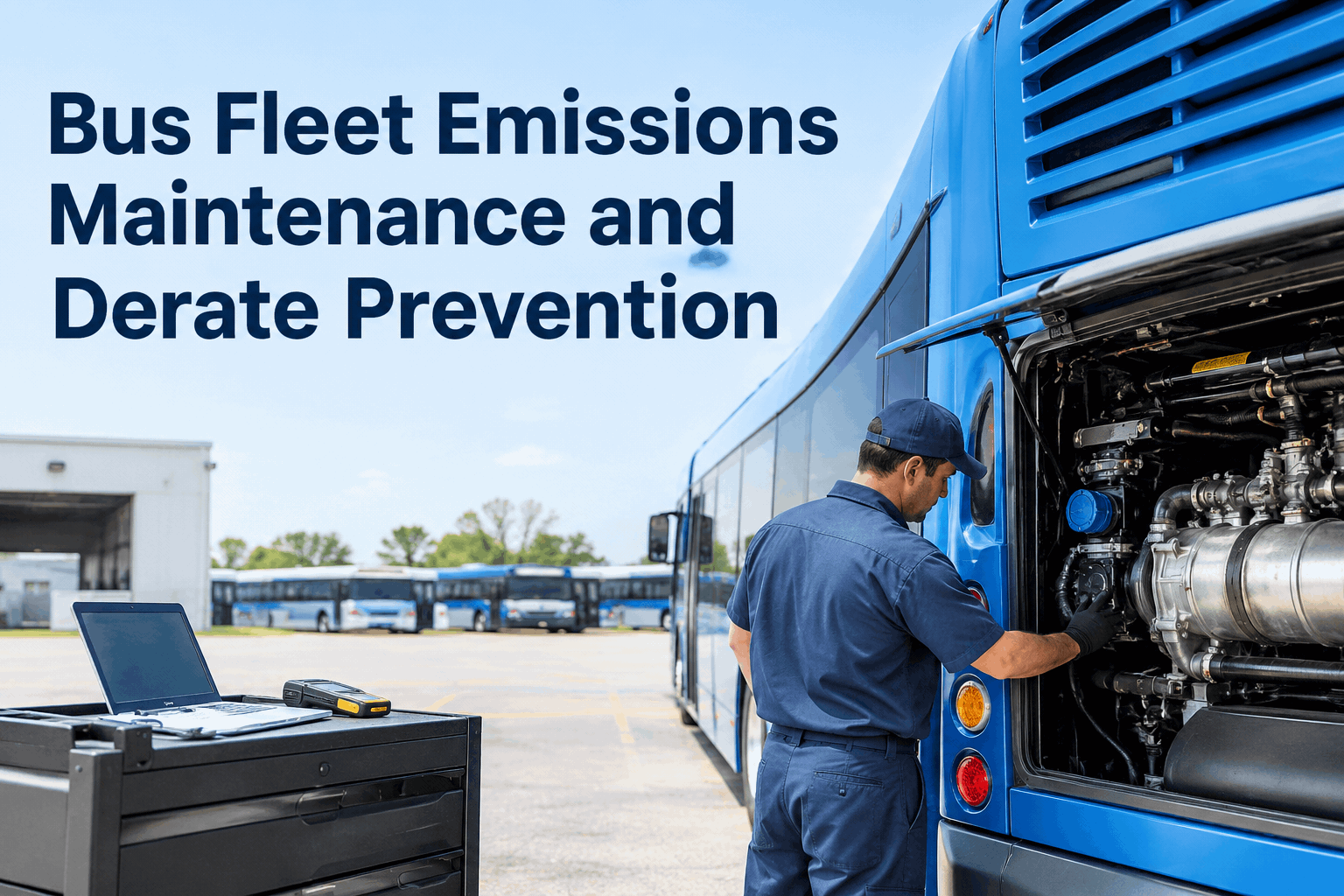
Modern school bus fleets are leveraging sophisticated CMMS systems and predictive analytics to revolutionize maintenance operations. These technologies enable transportation departments to move from reactive maintenance schedules to predictive maintenance programs that prevent breakdowns before they occur.
Advanced diagnostic systems continuously monitor vehicle performance, tracking everything from engine parameters to brake wear patterns. This data feeds into maintenance software that can predict when components will need replacement, automatically schedule maintenance appointments, and ensure compliance with federal and state safety regulations. The result is improved vehicle reliability, reduced maintenance costs, and enhanced safety for students.
For manufacturing professionals, this shift toward predictive maintenance represents an opportunity to develop integrated solutions that combine hardware manufacturing with software services. Companies that can provide comprehensive maintenance management platforms alongside their vehicles are better positioned to build long-term relationships with school districts and provide ongoing value throughout the vehicle lifecycle.
Communication Technology and Parent Engagement Systems
Modern school transportation systems recognize that effective communication with parents and students is essential for building trust and ensuring smooth operations. Advanced GPS tracking systems now provide real-time bus location information to parents through mobile apps, reducing anxiety and improving planning for families.
These communication systems extend beyond simple tracking. Parents can receive automated notifications about delays, route changes, or early dismissals. Students can use mobile apps to see when their bus will arrive, reducing wait times and improving safety by minimizing time spent at bus stops. Some systems even include features like automatic parent notifications when students board or exit the bus.
The integration of communication technology into school bus operations represents a fundamental shift toward transparency and customer service in public transportation. For manufacturers and technology providers, this creates opportunities to develop comprehensive communication platforms that enhance the overall student transportation experience.
Join the School Transportation Revolution! Implement smart bus tracking and fleet management solutions that ensure student safety while reducing operational costs.
Getting Started Book a DemoThe transformation of American school bus systems represents more than just technological advancement—it's a fundamental reimagining of how student transportation can serve communities more effectively, safely, and sustainably. From advanced fleet management systems to electric powertrains and predictive maintenance technologies, these innovations are creating new opportunities for manufacturing professionals to develop integrated solutions that go beyond traditional vehicle manufacturing.
For US manufacturing professionals, the key to success in this evolving market lies in understanding that today's school transportation customers want comprehensive solutions, not just vehicles. Companies that can integrate advanced technologies, provide ongoing support services, and demonstrate measurable improvements in safety, efficiency, and environmental performance will lead the next generation of student transportation innovation.
Frequently Asked Questions
Q: What are the main technological innovations transforming school buses in the USA?
A: Key innovations include advanced GPS tracking and route optimization systems, electric and alternative-fuel powertrains, AI-powered safety monitoring, predictive maintenance technologies, and integrated parent communication platforms. These technologies work together to create safer, more efficient, and environmentally sustainable student transportation systems.
Q: How are electric school buses changing student transportation?
A: Electric school buses offer zero direct emissions, quieter operation, lower fuel costs, and reduced maintenance requirements. With ranges now exceeding 100 miles and support from federal funding programs like the EPA's Clean School Bus Program, electric buses are becoming viable alternatives to diesel buses for most school transportation routes.
Q: What safety improvements are being implemented in modern school buses?
A: Modern school buses feature comprehensive safety systems including interior and exterior AI-powered cameras, automatic emergency braking, blind spot detection, pedestrian detection, driver fatigue monitoring, and real-time behavior analysis. These systems provide proactive safety management and detailed incident reporting capabilities.
Q: How do modern fleet management systems benefit school districts?
A: Advanced fleet management systems provide real-time vehicle tracking, automated maintenance scheduling, route optimization, fuel consumption monitoring, and compliance tracking. These systems help school districts reduce operational costs by up to 25%, improve vehicle reliability, and enhance service quality for students and families.
Q: What opportunities exist for manufacturing professionals in the evolving school bus market?
A: Manufacturing professionals can capitalize on opportunities in electric vehicle production, integrated technology systems, predictive maintenance platforms, communication technologies, and comprehensive fleet management solutions. Success requires developing integrated solutions that combine traditional manufacturing expertise with advanced technology services and ongoing customer support.