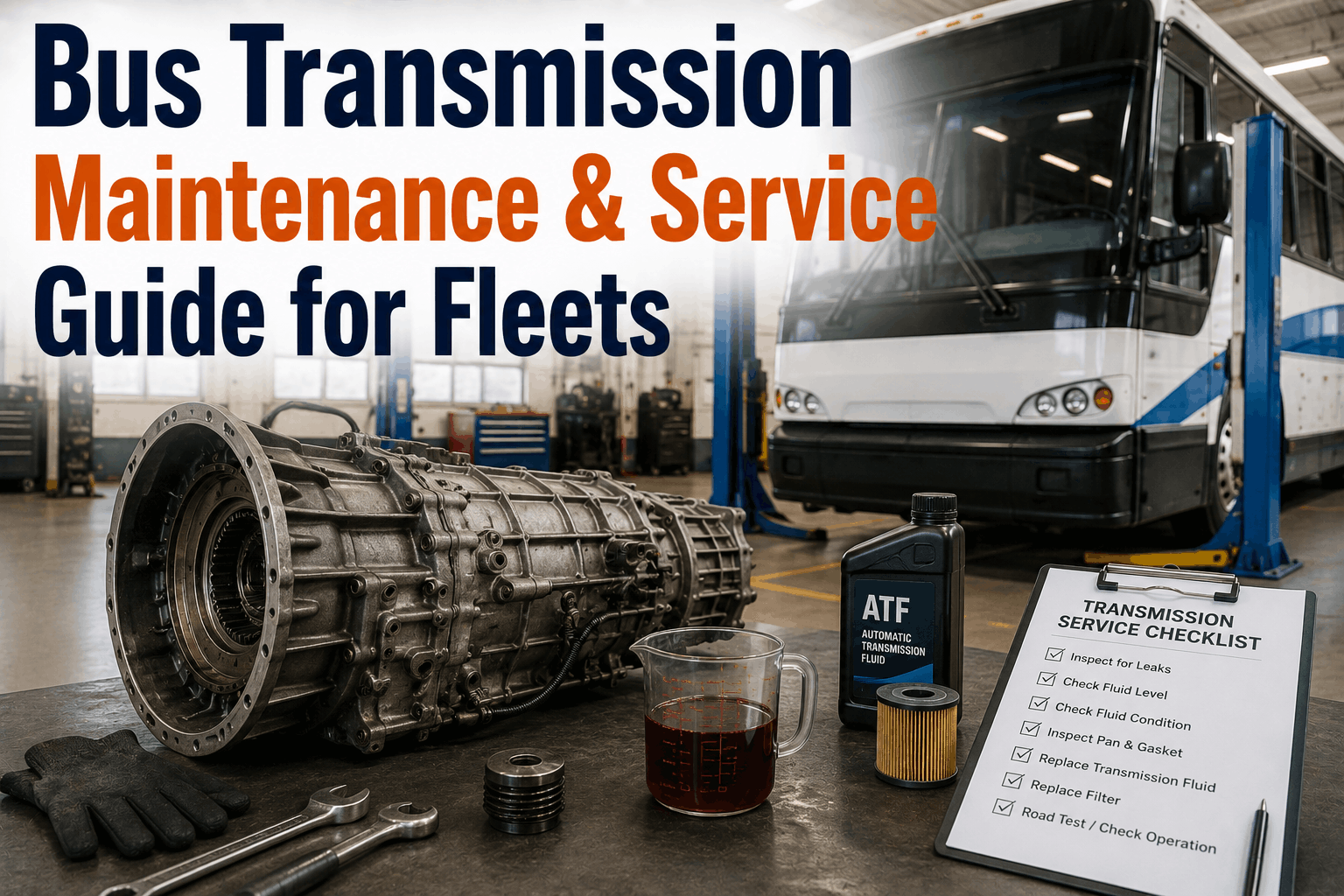
In a heavy-duty commercial transit or school bus operation, the automatic transmission is arguably the most complex and financially vulnerable component in the entire drivetrain. Replacing a failed commercial gearbox—such as an Allison transit-series transmission—can easily cost a fleet anywhere from $15,000 to $25,000 in hardware and specialized labor, not to mention weeks of costly vehicle downtime. Unlike long-haul trucks that enjoy sustained highway cruising, urban transit buses endure an extreme duty cycle characterized by continuous stop-and-go driving, high passenger weight variations, and intense thermal stress. This constant shifting generates massive internal friction and heat, which serves as the primary catalyst for transmission fluid oxidation and premature mechanical failure. Many fleet managers treat transmission servicing as a reactive task, waiting for shift hesitation or active dashboard fault codes before taking action. However, once a driver reports slipping gears or severe shuddering, catastrophic internal clutch or torque converter damage has likely already occurred. To safeguard asset longevity and protect shop budgets, maintenance teams must transition to rigid, data-driven preventative maintenance practices. This technical service guide breaks down the hidden vulnerabilities within commercial gearboxes, outlines essential monitoring zones, and provides a clear strategy to maximize transmission life using active CMMS tracking.
Maintenance
Bus Transmission Maintenance & Service Guide for Fleets
Transmission failures are incredibly expensive and entirely preventable. Discover the critical fluid intervals, hidden warning signs, and proactive shop habits that preserve heavy-duty gearbox health.
Four Critical Blind Spots in Heavy-Duty Transmission Management
Relying strictly on calendar milestones rather than real-world operating conditions often causes mechanics to miss early indicators of transmission wear. Understanding the underlying structural vulnerabilities of heavy-duty transmissions is vital for eliminating catastrophic road calls:
Reason 1: Thermal Stress and Fluid Breakdown
Excessive heat is the number one killer of automatic transmissions. When operating fluid temperatures climb above 220°F, the protective additives inside the oil degrade rapidly, losing their lubrication qualities and causing internal seals to harden and leak.
Reason 2: Overlooking Microscopic Sump Debris
As internal clutches naturally wear, they shed fine friction material. If filter replacement cycles lag behind, this particulate matter bypasses filtration, plugs complex valve body channels, and scratches precision hydraulic shift pins.
Reason 3: Inconsistent Fluid Level Checks
Checking commercial transmission fluid requires strict adherence to temperature-specific hot and cold procedures. Low fluid levels cause pump cavitation and devastating air pockets, while overfilling leads to fluid foaming and rapid overheating.
Reason 4: Disregarding Hidden Electronic Fault Codes
Modern Transmission Control Modules (TCMs) often log temporary slip or pressure faults long before triggering a solid check-engine light. Ignoring these silent diagnostic codes allows minor sensor errors to cascade into complete planetary gear failures.
The Strategic Checkpoints of Commercial Transmission Care
To keep heavy-duty gearboxes running smoothly, maintenance teams must regularly verify fluid chemistry, hydraulic integrity, and electronic diagnostic parameters during routine garage loops.
Drivetrain Verification Zones vs. Preventive Maintenance Requirements
Zone: Fluid Quality and Chemical Chemistry Analysis
Regular fluid sampling reveals the hidden story inside the case. Technicians must monitor oil color, smell for burnt odors, and utilize regular oil analysis labs to check for metal PPM wear counts, moisture ingress, and remaining additive levels.
Zone: High-Efficiency Filtration Networks
Modern automatic gearboxes utilize dual main-pressure and lubrication filters. These filters must be swapped out strictly according to severe-duty operational hour schedules rather than basic odometer readings to ensure maximum particulate trapping.
Zone: External Heat Exchangers and Cooling Lines
The external transmission radiator lines and oil coolers are critical safety valves. Inspections must confirm that lines are free of physical kinks, mounting brackets are secure, and cooling fins are clean of road grime that hinders thermal exchange.
Zone: Electronic Shift Calibrations and Adaptives
As internal components wear, the TCM constantly adjusts hydraulic pressure timing to keep shifts crisp. Mechanics should scan the TCM regularly to review these adaptive clutch-pack volumes and identify anomalies before structural slippage begins.
The Fix: Establishing a Data-Driven Transmission Protocol
Eliminate unexpected gearbox failures by integrating specialized drivetrain monitoring rules directly into your shop’s automated fleet maintenance management software:
1
Build Engine-Hour Driven Oil Analysis Schedules
Configure your CMMS platform to automatically trigger an oil sampling task every 500 operating hours. This proactive warning loop ensures fluid chemistry is scientifically reviewed long before a scheduled drain interval arrives.
2
Enforce High-Spec Synthetic Fluid Standards
Standardize your inventory within the software on high-performance, fully synthetic oils meeting modern commercial specifications (like TES-295). This significantly extends drain intervals and improves thermal stability on extreme summer routes.
3
Integrate Automated Telematics Temperature Alerts
Link your bus telematics network to your centralized asset database. Set an instant high-priority work order trigger if any bus transmission sump logs an operating temperature exceeding 230°F on active duty.
4
Mandate TCM Health Audits During Routine PM Loops
Upgrade your standard physical inspection checklists. Require mechanics to connect a diagnostic scanner and pull hidden clutch clearance logs and adaptives data every time an asset enters the bay for a major oil change.
"Managing a regional network of 60 transit buses meant we were regularly hit with two or three catastrophic transmission failures every single year. Each instance completely destroyed our maintenance budgets and caused major scheduling headaches. When we shifted our powertrain tracking off paper logs and onto a dedicated digital CMMS platform, everything changed. We moved from generic mileage tracking to strict, engine-hour driven fluid analysis intervals and real-time temperature monitoring. By catching a leaking oil cooler line and a slipping third-clutch valve during routine, software-guided shop inspections, we prevented two major road rebuilds this past year alone. Our unexpected transmission repair costs dropped by 85%, and our buses are staying out on their routes where they belong."
— Superintendent of Fleet Operations, Regional Metro Fleet, Indiana
Maximize Gearbox Lifespans and Drastically Lower Shop Expenditures
Stop treating your fleet's most expensive drivetrain assets with reactive maintenance habits. Safeguard vehicle reliability, automate complex fluid sampling loops, and streamline part inventory control with a modern fleet management solution.