The American transportation industry is experiencing a digital transformation that's reshaping how bus fleets operate, maintain safety standards, and deliver reliable service. For manufacturing professionals in the transit sector, understanding the role of advanced bus transportation software has become essential for competitive advantage and operational excellence. Modern transit-software solutions go far beyond basic GPS tracking—they're comprehensive platforms that integrate fleet management, predictive maintenance, route optimization and safety compliance into unified systems that drive measurable results.
Today's bus fleet management software represents a convergence of technologies that manufacturing professionals have long sought: real-time operational visibility, predictive analytics, automated compliance tracking, and data-driven decision making. Whether managing school transport operations, municipal transit systems, or private charter services, the right fleet software can transform operational efficiency while reducing costs and improving safety outcomes. Explore these comprehensive fleet management capabilities in action.
Unlock Your Fleet's Full Potential
Experience how integrated bus transportation software can reduce operational costs by 23% while improving safety and compliance.
Getting Started Book a DemoComprehensive Fleet Management: Beyond Traditional Tracking Systems
Modern bus fleet management solutions have evolved from simple vehicle tracking to sophisticated CMMS systems that provide complete operational oversight. These platforms integrate vehicle diagnostics, driver performance monitoring, fuel management, and maintenance scheduling into cohesive dashboards that give fleet managers unprecedented control over their operations. Organizations can implement these integrated CMMS systems today.
The most effective bus transportation software platforms offer real-time fleet automation capabilities that adapt to changing conditions. These systems monitor everything from engine performance and brake wear to driver behavior patterns and passenger load data. For manufacturing professionals, this level of integration represents the same operational intelligence that Industry 4.0 has brought to production facilities—applied to mobile assets.
Advanced GPS systems within these platforms don't just track location; they provide geofencing capabilities, automated route adherence monitoring, and integration with traffic management systems. This comprehensive approach to fleet visibility enables proactive management rather than reactive responses to operational challenges. Explore these advanced GPS tracking features.
Safety and Compliance: Integrated Solutions for Regulatory Excellence
Driver safety and regulatory compliance represent two of the most critical challenges facing modern bus operations. Advanced transportation software addresses these challenges through integrated monitoring, automated reporting, and predictive analytics that identify potential issues before they become problems.
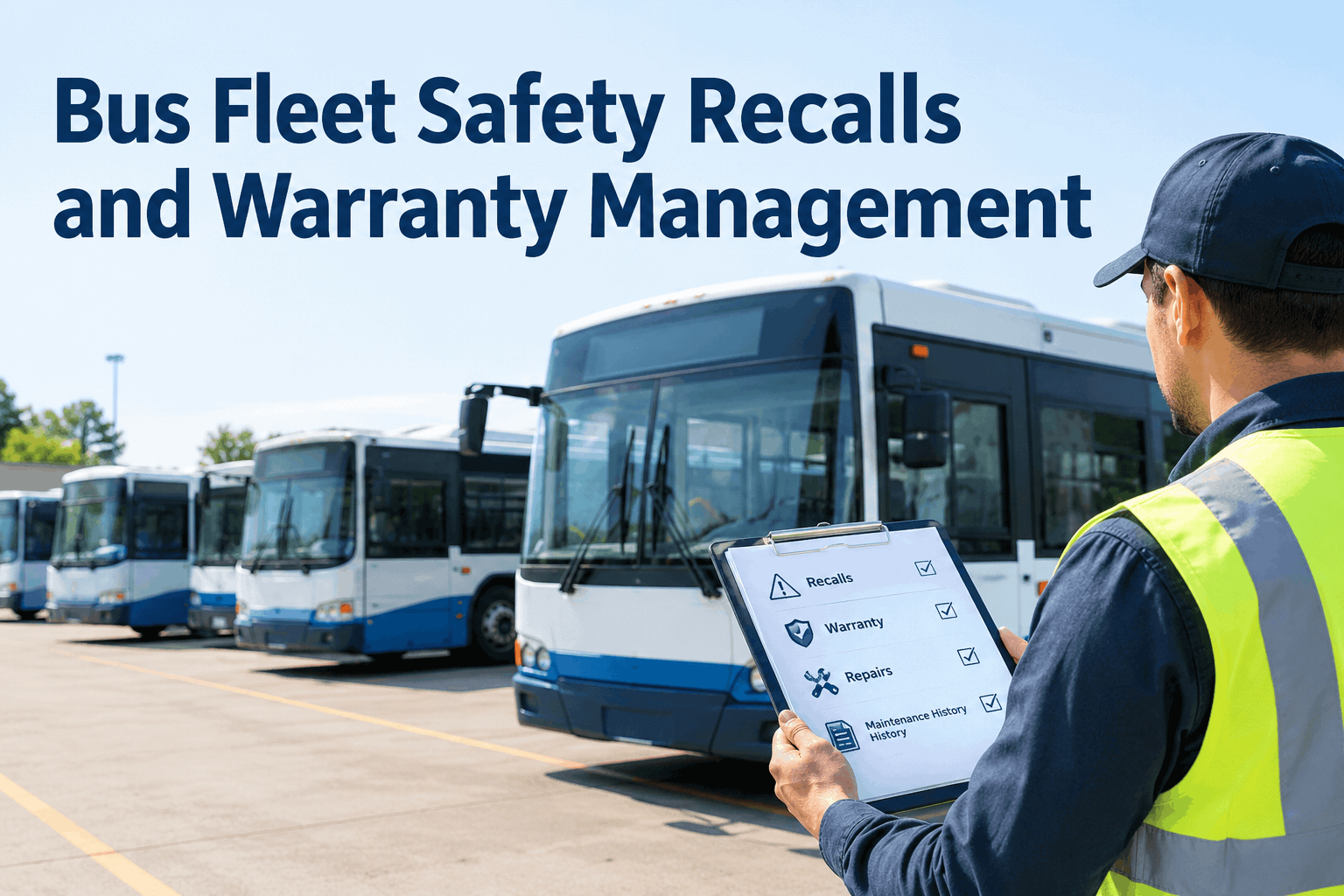
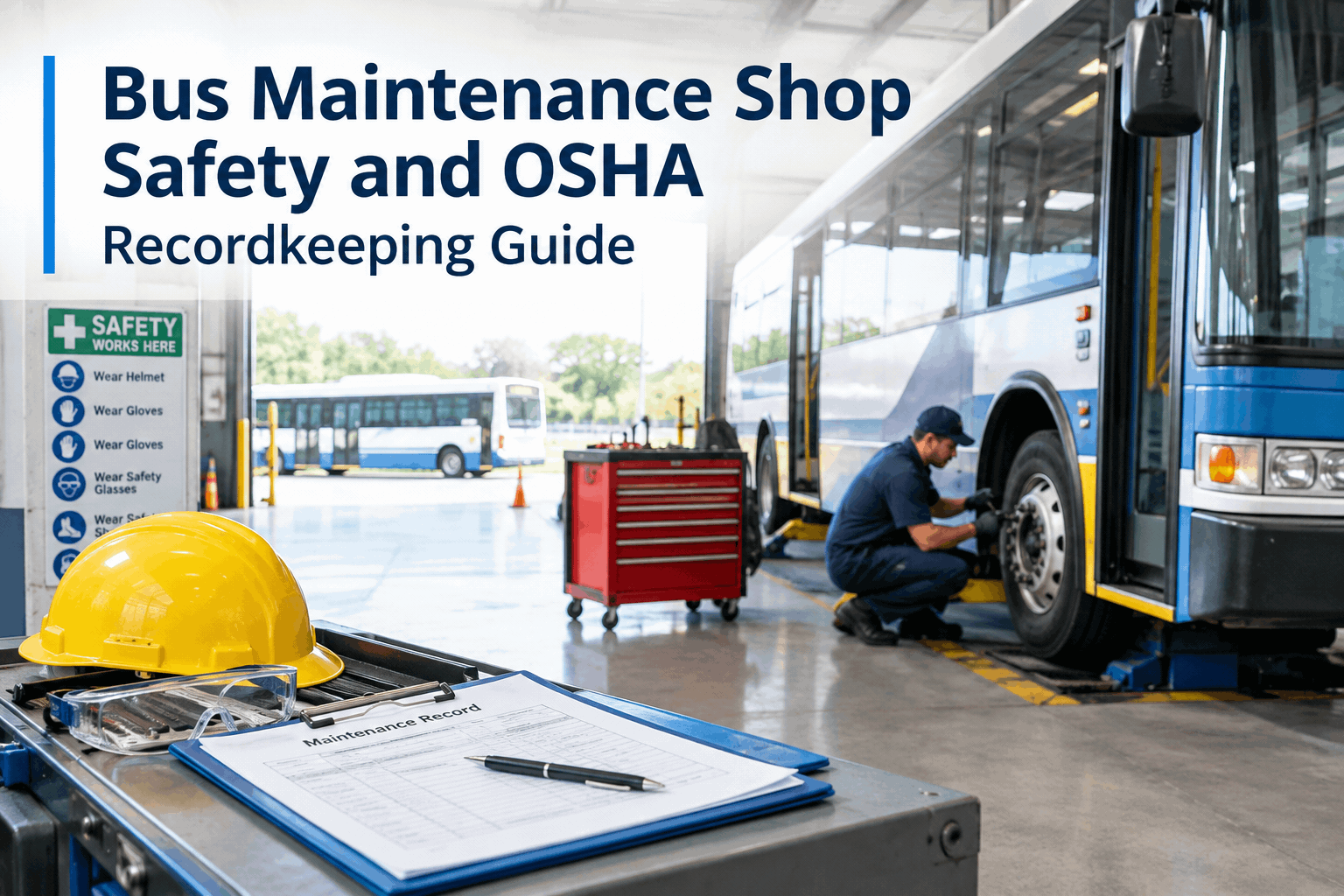
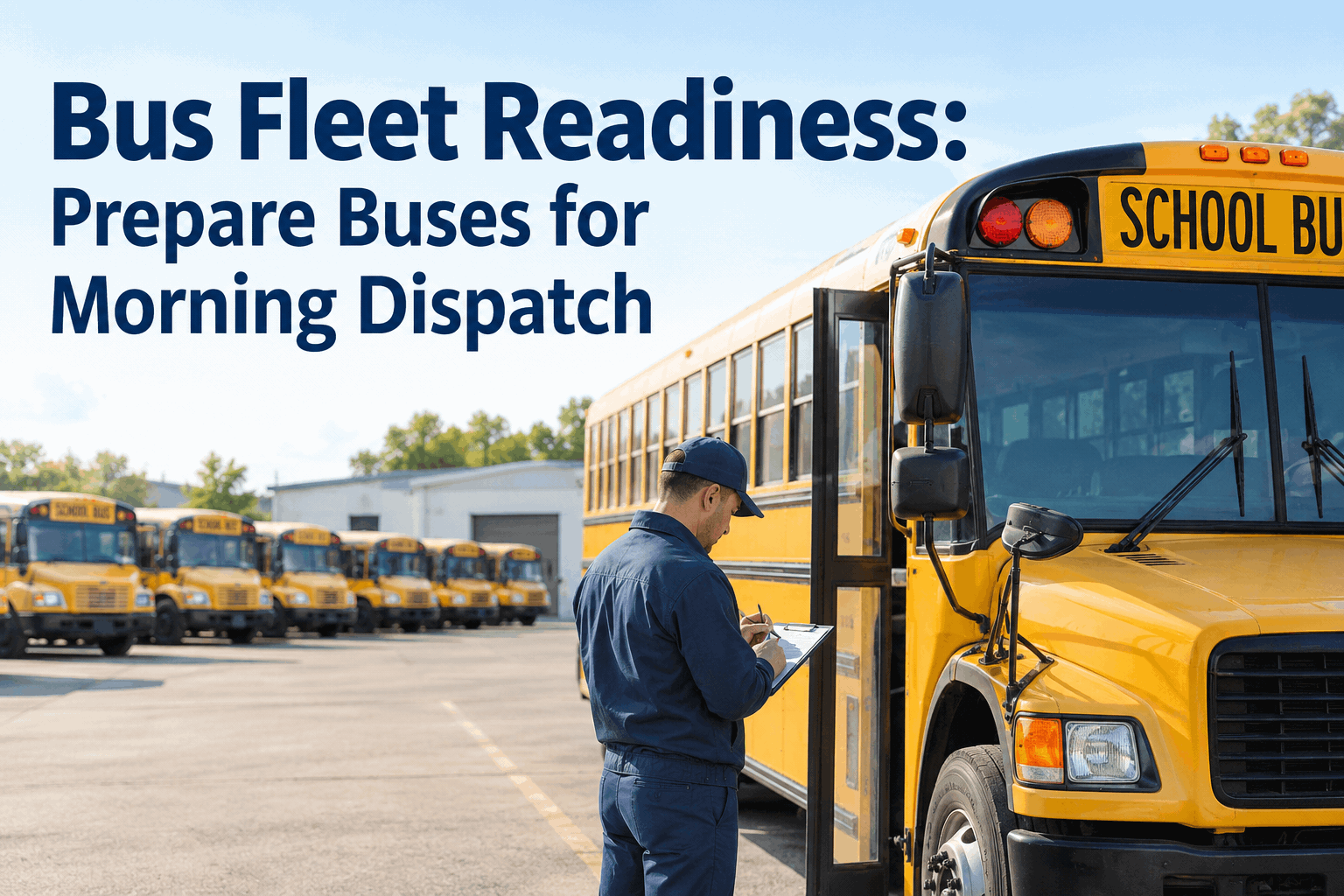
Modern fleet compliance systems automatically track driver hours, vehicle inspection schedules, maintenance requirements, and safety training records. These platforms generate the documentation required for DOT audits, state inspections, and insurance reviews while providing real-time alerts when compliance deadlines approach. For school transport operations, automated safety compliance systems include automated parent notifications, emergency communication systems, and detailed trip logging.
Driver safety monitoring has become increasingly sophisticated, with systems that track acceleration patterns, braking behavior, speed compliance, and route adherence. AI fleet tools analyze this data to identify training opportunities, recognize safe driving patterns, and provide coaching recommendations that improve overall fleet safety performance.
Manufacturing Insight: The most successful bus transportation software implementations treat safety and compliance as integrated operational components rather than separate administrative functions. This approach reduces administrative overhead while improving safety outcomes through data-driven insights. Learn more about integrated compliance management solutions.
Revolutionize Your Maintenance Operations
Discover how predictive analytics and automated scheduling can reduce maintenance costs by 25% while extending vehicle life.
Getting Started Book a DemoAdvanced Maintenance Scheduling and Predictive Analytics
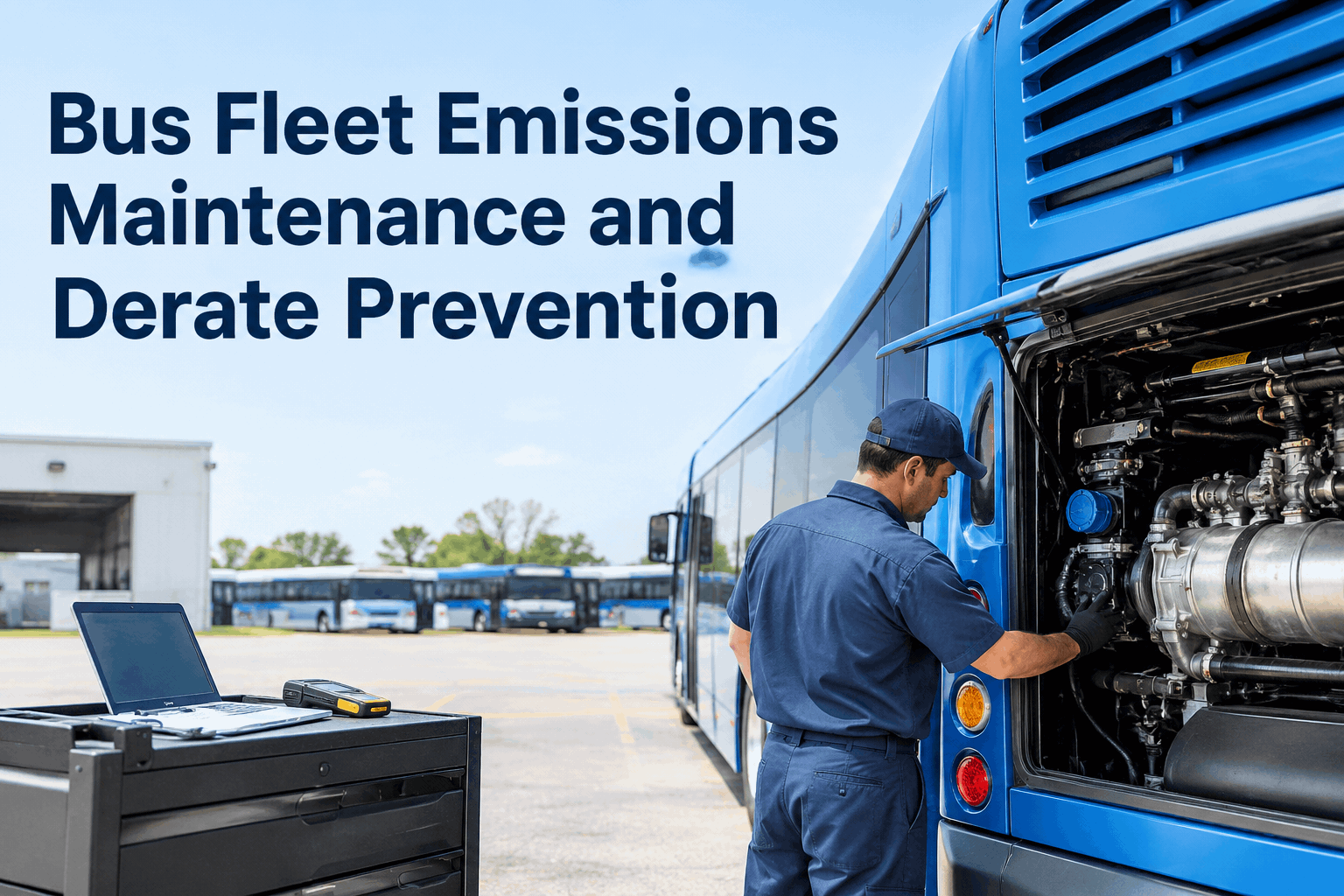
Maintenance software within modern bus transportation platforms has evolved from basic scheduling tools to sophisticated predictive systems that optimize vehicle availability while minimizing maintenance costs. These CMMS systems integrate directly with vehicle diagnostic systems, automatically scheduling maintenance based on actual operating conditions rather than arbitrary time intervals. Fleet managers can implement predictive maintenance analytics immediately.
Predictive analytics capabilities analyze historical maintenance data, operating patterns, and vehicle performance metrics to forecast component failures before they occur. This approach allows fleet managers to schedule maintenance during optimal windows, reduce emergency repairs, and extend vehicle life through proactive care. The integration of maintenance scheduling with route optimization ensures that vehicles are serviced without disrupting operational commitments.
For manufacturing professionals familiar with lean production principles, these maintenance systems apply similar concepts to fleet operations. Just-in-time parts ordering, automated work order generation, and performance-based maintenance intervals reduce waste while improving reliability. The result is higher vehicle availability, lower maintenance costs, and improved operational predictability.
Route Optimization and Operational Intelligence
Route optimization represents one of the most immediately valuable features of modern bus transportation software. These systems analyze traffic patterns, passenger demand, fuel consumption, and vehicle capacity to generate optimal routing solutions that reduce operational costs while improving service quality. Advanced algorithms consider multiple variables simultaneously, creating routes that balance efficiency with service requirements. Experience real-time route optimization technology.
Real-time route optimization capabilities allow systems to adapt to changing conditions throughout the day. Traffic delays, vehicle breakdowns, or unexpected passenger loads trigger automatic route adjustments that minimize disruption while maintaining service levels. This dynamic approach to route management requires sophisticated fleet automation systems that can coordinate multiple vehicles simultaneously.
Integration with Modern Manufacturing Systems
For manufacturing professionals operating in the transit space, the integration capabilities of bus transportation software with existing enterprise systems represent a critical advantage. Modern platforms offer APIs and integration tools that connect with ERP systems, financial software, and business intelligence platforms. This connectivity enables comprehensive operational analysis and supports data-driven decision making across the entire organization. Companies can leverage seamless system integration platforms today.
Cloud-based transportation software platforms provide the scalability and accessibility that modern manufacturing operations require. These systems support remote monitoring, mobile access for field personnel, and real-time data sharing between operational teams. The result is improved coordination, faster response times, and better resource utilization across the entire fleet operation.
Advanced reporting and analytics capabilities transform operational data into actionable insights. Fleet managers can analyze cost per mile, vehicle utilization rates, driver performance metrics, and maintenance efficiency through customizable dashboards that present information in formats that support strategic decision making. This level of operational intelligence enables continuous improvement processes similar to those used in manufacturing operations. Explore advanced analytics dashboards.
Start Your Digital Transformation Journey
Join leading transportation companies leveraging advanced bus transportation software to achieve operational excellence and competitive advantage.
Getting Started Book a DemoBus transportation software has evolved from basic tracking tools to comprehensive operational platforms that deliver measurable improvements in efficiency, safety, and cost management. For US manufacturing professionals in the transit industry, these systems represent essential infrastructure for competitive operations.
The integration of fleet management, maintenance scheduling, route optimization, and safety compliance into unified platforms creates operational advantages that translate directly to improved profitability and service quality. Success in today's transit market requires embracing these technological capabilities as core operational competencies.
Frequently Asked Questions
Q: What features should I prioritize when selecting bus transportation software?
A: Focus on platforms that integrate fleet management, maintenance scheduling, route optimization, and safety compliance. Look for real-time GPS tracking, automated maintenance alerts, driver performance monitoring, and comprehensive reporting capabilities. The system should offer scalability and integration with your existing business systems while providing mobile access for field operations.
Q: How does predictive maintenance in bus transportation software reduce costs?
A: Predictive maintenance analyzes vehicle performance data and historical patterns to forecast component failures before they occur. This allows you to schedule maintenance during optimal windows, reduce emergency repairs, extend vehicle life, and maintain higher fleet availability. The result is typically 15-25% reduction in maintenance costs and 18% improvement in vehicle uptime.
Q: Can bus transportation software help with regulatory compliance?
A: Yes, modern systems automatically track driver hours, vehicle inspections, maintenance schedules, and safety training records. They generate required documentation for DOT audits, provide real-time compliance alerts, and maintain detailed logs that support regulatory requirements. This automation reduces compliance-related administrative work by up to 60% while improving accuracy.
Q: What ROI can I expect from implementing bus transportation software?
A: Most operations see 15-30% reduction in operational costs within the first year, primarily through improved fuel efficiency, reduced maintenance costs, and optimized routing. Additional benefits include reduced insurance costs through improved safety scores, decreased administrative overhead, and improved asset utilization. Payback periods typically range from 8-18 months depending on fleet size and current operational efficiency.
Q: How does route optimization in transportation software work?
A: Route optimization uses advanced algorithms to analyze traffic patterns, passenger demand, fuel consumption, vehicle capacity, and driver schedules to create the most efficient routes. The system continuously monitors conditions and can make real-time adjustments for traffic delays, vehicle breakdowns, or schedule changes. This typically improves fuel efficiency by 10-15% and increases on-time performance by 20-25%.