In today's competitive transportation landscape, manufacturing professionals overseeing fleet operations know that efficient route optimization can make or break operational success. The integration of BusPlanner software with GPS systems represents a paradigm shift in how we approach fleet management, transforming traditional reactive scheduling into proactive, data-driven route optimization. This comprehensive integration doesn't just improve efficiency—it revolutionizes the entire approach to bus fleet management, maintenance scheduling, and compliance tracking.
For US manufacturing professionals managing transportation fleets, understanding how BusPlanner and GPS integration works is crucial for maintaining competitive advantage. Whether you're overseeing school transport operations, managing employee shuttle services, or coordinating complex logistics networks, this technology combination offers unprecedented visibility and control over your mobile assets.
Understanding BusPlanner and GPS Integration Fundamentals
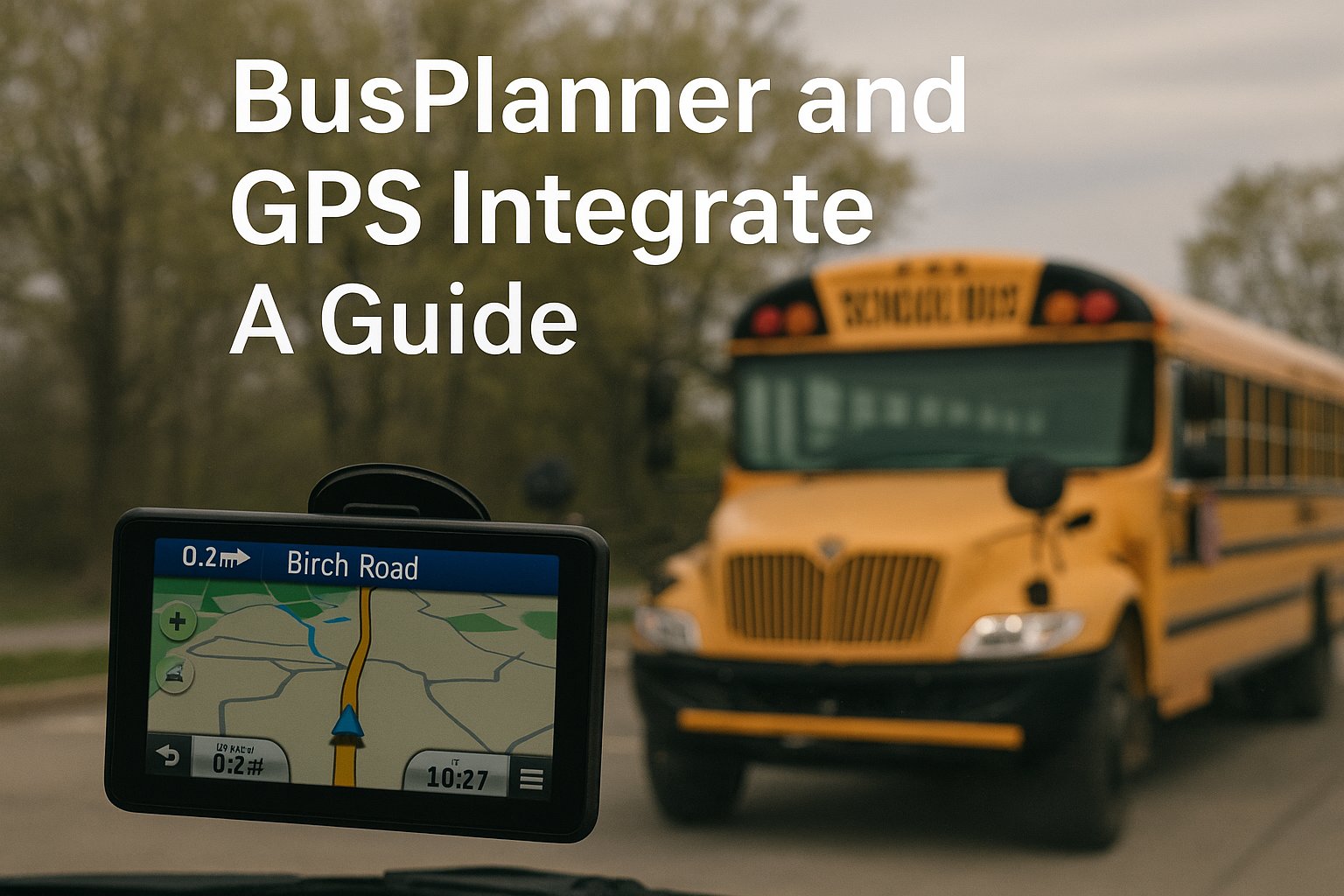
The foundation of effective route optimization lies in the seamless integration between planning software and real-time GPS tracking systems. BusPlanner serves as the strategic brain, while GPS provides the real-time nervous system that keeps operations running smoothly.
BusPlanner software creates the framework for optimal route design by analyzing historical data, student locations, traffic patterns, and operational constraints. When integrated with GPS systems, this static planning becomes dynamic, allowing for real-time adjustments that account for traffic conditions, weather impacts, and unexpected route changes. This integration enables fleet software to provide continuous feedback loops that improve route efficiency over time.
The technical architecture behind this integration involves API connections that allow GPS data to flow directly into the planning system. Real-time vehicle positions, speed data, and route deviations are automatically captured and analyzed, creating a comprehensive picture of fleet performance. This data feeds back into the planning algorithms, enabling continuous route optimization based on actual performance rather than theoretical models.
Advanced Route Optimization Through Data Integration
The power of BusPlanner and GPS integration truly shines in its ability to process multiple data streams simultaneously. Modern CMMS systems work alongside this integration to create a comprehensive fleet automation solution that addresses every aspect of bus fleet management. The system continuously analyzes traffic patterns, historical route performance, maintenance schedules, and driver availability to optimize routes in real-time.
Route optimization becomes particularly sophisticated when the system considers multiple variables simultaneously. Weather conditions, school event schedules, construction zones, and seasonal traffic variations all factor into the dynamic route calculations. The GPS integration provides the real-time data necessary to make instant adjustments, while BusPlanner's algorithms ensure these changes align with broader operational objectives.
Manufacturing Insight: The most successful fleet operations treat route optimization as a continuous process rather than a one-time setup. Integration allows for constant refinement based on actual performance data, leading to compounding efficiency gains over time.
AI fleet tools embedded within modern BusPlanner systems can predict optimal route adjustments before problems occur. By analyzing patterns in GPS data, these systems identify recurring inefficiencies and automatically suggest route modifications. This predictive approach to route optimization helps prevent issues rather than just responding to them.
Fleet Compliance and Safety Through Integrated Monitoring
Fleet compliance requirements in the transportation industry are becoming increasingly stringent, making integrated monitoring systems essential for manufacturing professionals managing bus fleets. BusPlanner and GPS integration creates comprehensive audit trails that document every aspect of route execution, from departure times to speed compliance and route adherence.
Driver safety monitoring becomes significantly more effective when GPS data is integrated with planning systems. The combination allows for real-time monitoring of speed limits, route compliance, and driving behavior patterns. Automated alerts can notify supervisors of safety violations or route deviations immediately, enabling quick corrective action and maintaining high safety standards.
School bus tracking systems benefit enormously from this integration, providing parents and school administrators with real-time location information while ensuring drivers follow approved routes. The system automatically generates compliance reports that demonstrate adherence to safety protocols and regulatory requirements, significantly reducing administrative burden while improving safety outcomes.
Integrated systems provide automatic documentation for regulatory compliance, reducing manual reporting requirements by up to 75% while improving accuracy and completeness of safety records.
Maintenance Scheduling and Fleet Automation Benefits
The integration of BusPlanner with GPS systems extends far beyond route optimization, creating opportunities for advanced maintenance scheduling based on actual vehicle usage patterns. GPS data provides precise mileage tracking, engine hours, and route difficulty assessments that enable more accurate maintenance predictions than traditional time-based schedules.
Maintenance software integration allows the system to consider vehicle maintenance schedules when optimizing routes. Buses approaching service intervals can be automatically assigned to shorter or less demanding routes, while vehicles fresh from maintenance can handle the most challenging assignments. This intelligent scheduling extends vehicle life while maintaining service reliability.
Fleet automation reaches new levels of sophistication when maintenance data, route optimization, and GPS tracking work together. The system can automatically flag vehicles showing performance anomalies, schedule preventive maintenance based on actual usage patterns, and adjust routes to account for vehicles temporarily out of service. This holistic approach to fleet management reduces unexpected breakdowns and improves overall fleet availability.
Implementation Strategies for Maximum ROI
Successfully implementing BusPlanner and GPS integration requires a strategic approach that considers both technical requirements and organizational change management. Manufacturing professionals must evaluate their current fleet software capabilities, GPS infrastructure, and staff training needs to ensure smooth implementation and maximum return on investment.
The implementation process typically begins with data migration from existing systems, followed by staff training and gradual rollout of integrated features. Starting with basic route optimization and gradually adding advanced features like predictive maintenance and automated compliance reporting allows organizations to realize benefits quickly while building internal expertise.
Key Implementation Phases:
System assessment and requirements analysis form the foundation, followed by data integration and staff training. Pilot testing with select routes allows for refinement before full deployment, while ongoing optimization ensures continued improvement in fleet performance.
Success metrics should focus on quantifiable improvements in route efficiency, fuel consumption, maintenance costs, and compliance scores. Regular performance reviews and system adjustments ensure the integration continues delivering value as operational requirements evolve.
Ready to transform your fleet operations with integrated BusPlanner and GPS solutions? Discover how our comprehensive fleet management platform can optimize your routes and improve operational efficiency.
Getting StartedBook a Demo
The integration of BusPlanner and GPS systems represents a fundamental advancement in fleet management technology, offering manufacturing professionals unprecedented control over transportation operations. By combining strategic route planning with real-time monitoring and automated optimization, this integration delivers measurable improvements in efficiency, safety, and cost control.
For organizations ready to embrace this technology, the benefits extend far beyond simple route optimization to encompass comprehensive fleet automation, predictive maintenance, and enhanced compliance management. The investment in integrated systems pays dividends through reduced operational costs, improved safety outcomes, and enhanced service reliability.
Frequently Asked Questions
Q: How does BusPlanner and GPS integration improve route optimization compared to traditional methods?
A: Integration enables real-time route adjustments based on actual traffic conditions, vehicle performance, and operational constraints. Unlike static route planning, the integrated system continuously analyzes GPS data to optimize routes dynamically, typically achieving 15-25% efficiency improvements while maintaining service quality and safety standards.
Q: What are the key technical requirements for implementing BusPlanner and GPS integration?
A: Implementation requires compatible GPS tracking devices, reliable cellular data connectivity, and fleet software capable of API integration. The system needs sufficient bandwidth for real-time data transmission and processing power to handle route optimization algorithms. Most modern fleet management platforms support these integrations with minimal additional hardware requirements.
Q: How does integrated fleet management affect maintenance scheduling and compliance tracking?
A: GPS integration provides precise mileage and usage data that enables predictive maintenance scheduling based on actual vehicle performance rather than estimated intervals. The system automatically generates compliance reports, tracks route adherence, and monitors driver safety metrics, reducing manual reporting requirements by up to 75% while improving accuracy.
Q: What ROI can organizations expect from BusPlanner and GPS integration?
A: Organizations typically see fuel cost reductions of 12-18%, maintenance cost savings through predictive scheduling, and improved fleet utilization rates. Additional benefits include reduced administrative costs through automated compliance reporting, improved safety scores, and enhanced customer satisfaction through more reliable service delivery.
Q: How does the integration enhance student safety and parental communication in school transportation?
A: Real-time GPS tracking enables automatic parent notifications about bus locations and arrival times, while route monitoring ensures drivers follow approved paths. The system provides immediate alerts for route deviations or safety violations, enables rapid response to emergencies, and maintains comprehensive records for safety audits and incident investigations.