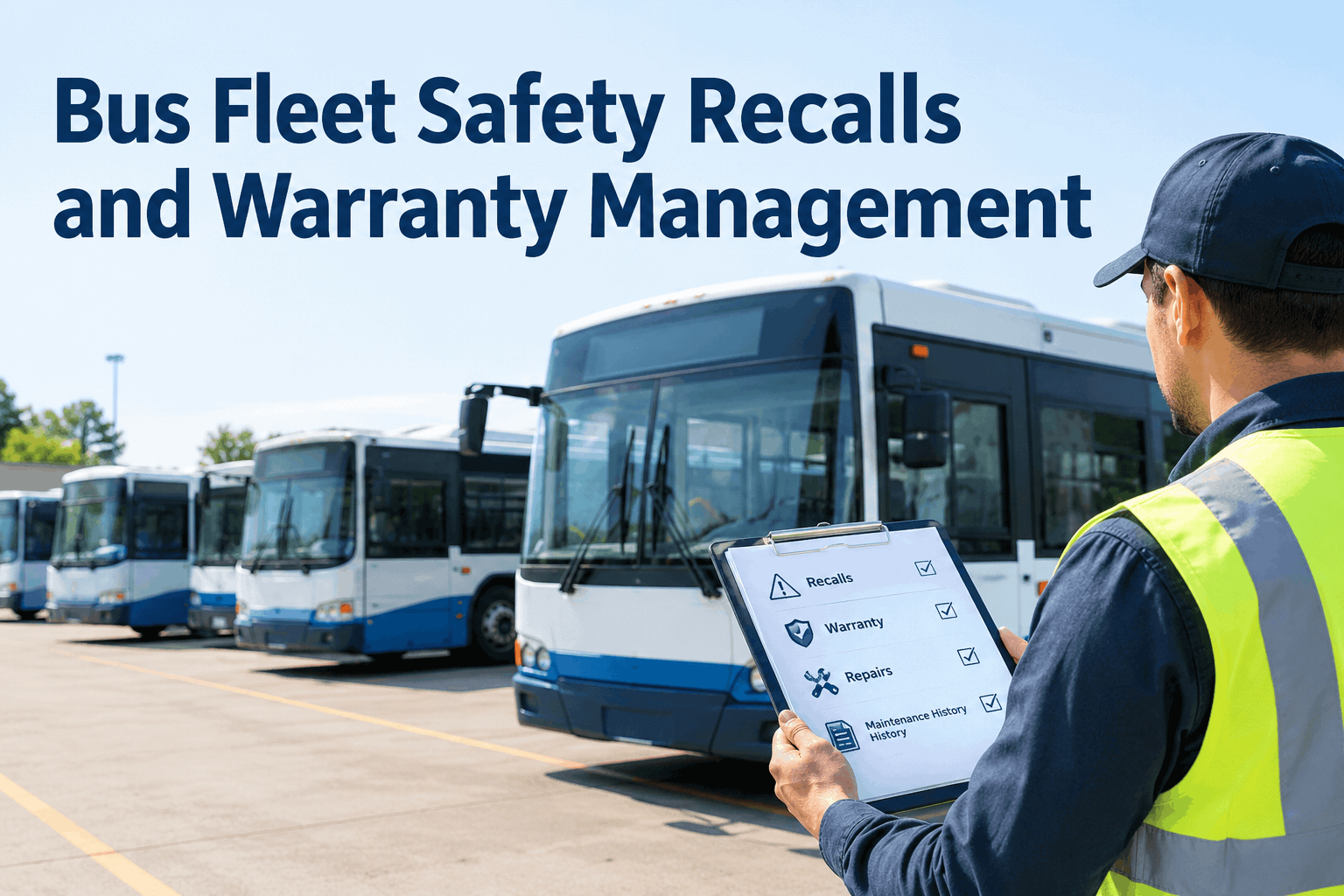
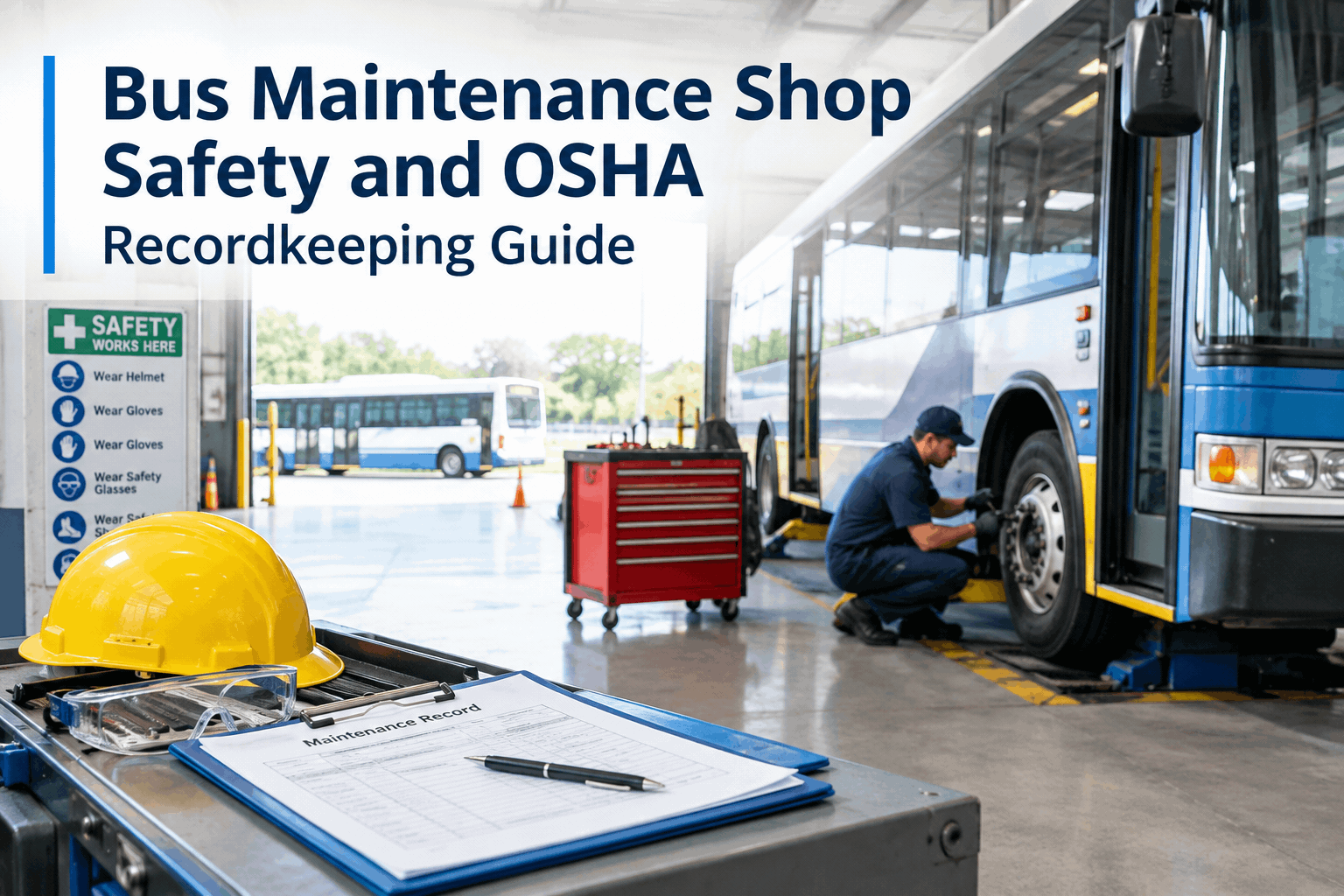
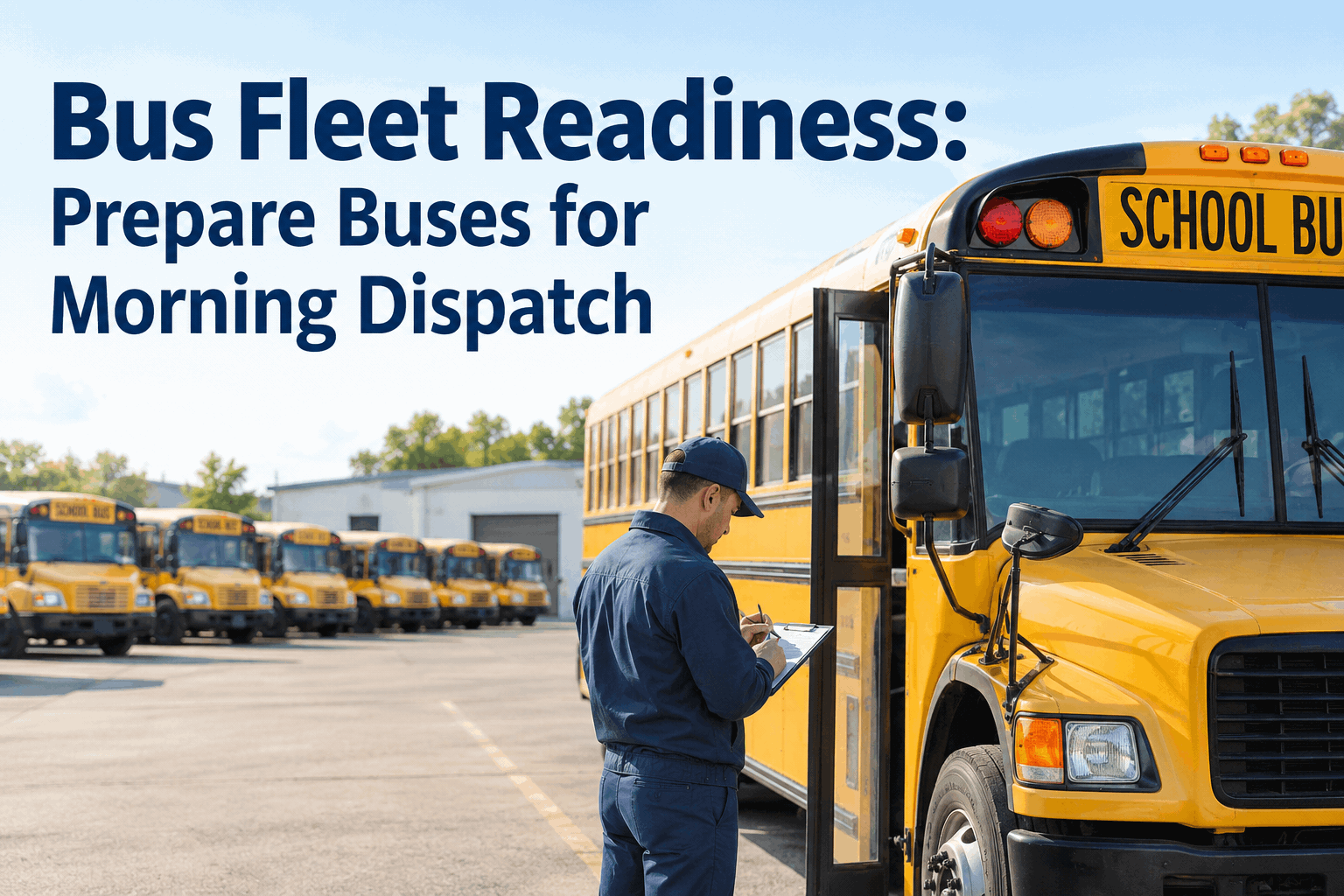
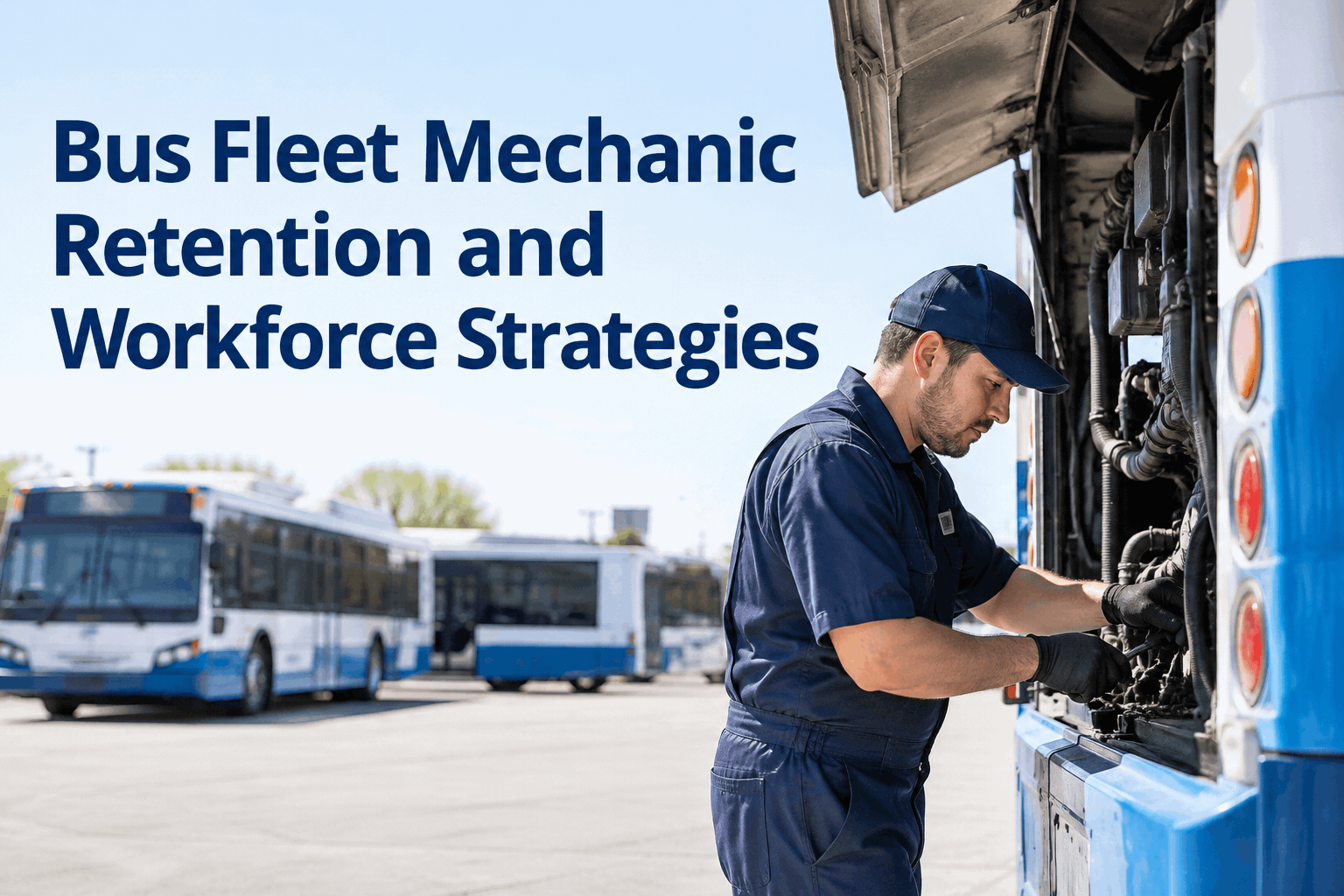
Implementing a Computerized Maintenance Management System doesn't have to feel like navigating a maze blindfolded. Yet, according to industry research, nearly 40% of CMMS implementations fail to deliver expected resultsnot because the software lacks features, but because the rollout never became a real operational change.
For US bus fleet managers overseeing school transportation or transit operations, the stakes are higher than most industries. Student safety depends on maintenance being done right, documented properly, and never falling through the cracks. This guide walks you through a proven implementation framework that transforms your maintenance operations from reactive firefighting to proactive fleet management—typically within 2-4 weeks.
Whether you are managing a 15-bus school district fleet or a 200-vehicle transit authority, these implementation steps will help you achieve measurable ROI within months, not years. Ready to see how a structured CMMS setup can transform your fleet operations? Let's dive in.
Define goals and success metrics
Assemble implementation team
Audit current maintenance processes
Inventory existing data sources
Clean and prepare data for migration
Build asset hierarchy structure
Configure PM schedules
Set up user roles and permissions
Train technicians on mobile app
Train supervisors on work orders
Launch pilot with select vehicles
Gather feedback and adjust
Expand to entire fleet
Activate all PM schedules
Enable reporting dashboards
Establish optimization rhythm
Phase 1: Planning Your Implementation Foundation
Before touching any software, successful CMMS implementation starts with understanding where you are today and defining where you want to go. This planning phase typically takes 3-5 days but saves weeks of rework later. Skip this step, and you'll find yourself rebuilding your system six months down the road.
Start by documenting your current maintenance processes. How do work orders flow from identification to completion? Where are the bottlenecks? What tribal knowledge exists only in your senior technician's head? These questions reveal the gaps your CMMS needs to fill—and the habits your team will need to change.
Your implementation team should include a maintenance supervisor who understands daily workflows, a technician champion who can advocate for the system among peers, an operations representative, and IT support for any integration needs. This cross-functional approach ensures the CMMS addresses real operational requirements—not just management reporting wishes.
Define clear success metrics before you begin. Common KPIs for bus fleet CMMS include:
Phase 2: Building Your Asset Hierarchy
Your asset hierarchy is the backbone of effective CMMS operations. Without a logical structure, you'll waste hours searching for information, create duplicate records, and generate meaningless reports. Get this right, and everything else becomes easier. This is where many implementations go wrong—rushing to enter data without establishing a framework first.
Think of your asset hierarchy as a family tree for your fleet. Every vehicle belongs to a location, every major system belongs to a vehicle, and every component belongs to a system. This parent-child relationship enables powerful features: when you mark a bus as out-of-service, all pending work orders for that vehicle automatically update. When you replace an engine, the new component inherits the maintenance schedule.
Create a consistent naming convention that anyone in your organization can interpret instantly. A structure like DEPOT-TYPE-NUMBER prevents confusion when you have multiple locations or vehicle types.
Pro Tip: Start with your most critical assets first—the vehicles that cause the biggest headaches when they break down. You don't need to document every nut and bolt on day one.
Need help structuring your specific fleet's asset hierarchy? Schedule a demo to see how BusCMMS handles multi-location setups with built-in bus-specific configurations that save hours of manual setup.
Phase 3: Data Migration Without the Headaches
Data migration is where many implementations stumble. You're moving from a familiar chaos of spreadsheets, paper logs, and tribal knowledge into a structured system. The goal isn't to migrate everything—it's to migrate the right data in clean, usable formats. Bad data in equals bad data out, and your technicians will quickly lose trust in a system that shows incorrect information.
Your CMMS vendor should handle the technical migration, but you're responsible for data accuracy. Walk through imported records with your maintenance supervisor to catch any errors before going live. This validation step typically takes 2-3 hours for a 50-bus fleet and prevents weeks of frustration correcting mistakes discovered mid-operation.
Our implementation team handles the heavy lifting—data migration, configuration, and training—so your operations continue uninterrupted. Most fleets are fully operational within 2-4 weeks.
Phase 4: Configuring Preventive Maintenance Schedules
Preventive maintenance (PM) scheduling is where your CMMS delivers the fastest ROI. Moving from reactive "fix it when it breaks" to proactive maintenance can reduce emergency repairs by 20-30% within the first two months—that's immediate budget relief and fewer 6 AM crisis calls. The key is setting up schedules that match how your fleet actually operates.
Configure your CMMS to trigger PM work orders based on whichever comes first: mileage, engine hours, or calendar dates. This multi-trigger approach ensures school buses that sit idle during summer still receive time-based maintenance, while high-mileage transit vehicles get more frequent service based on actual usage. Learn more about modern fleet maintenance strategies that maximize uptime.
There's nothing more frustrating than scheduling a brake job only to discover you're out of pads. Smart CMMS platforms automatically check stock levels when generating work orders and trigger reorder alerts when inventory drops below thresholds.
Phase 5: Training Your Team for Adoption Success
Here's the uncomfortable truth: the #1 reason CMMS implementations fail isn't technical—it's human. Technicians who feel the system was forced on them without input will find workarounds, skip entries, or revert to paper logs. We've seen technically superior systems fail because mechanics refused to use them. Winning buy-in requires intentional training and early wins.
The most successful fleet software implementations involve technicians in the selection process from day one. When your senior mechanic helps evaluate which mobile app works best in a greasy shop environment, they become an advocate rather than a resistor.
Phase 6: Reporting and Continuous Optimization
Your CMMS isn't a set-it-and-forget-it tool—it's a living system that improves as you feed it better data and refine your processes. After the initial 30-day implementation, shift focus to optimization and reporting that drives continuous improvement. The fleets seeing the biggest ROI treat their CMMS as an evolving platform, not a static database.
Schedule monthly reviews of your CMMS data with the maintenance team. Look for patterns: Which vehicles consistently have higher costs? What components fail most frequently? Are certain technicians completing work orders faster? These insights help you make data-driven decisions about training needs, vehicle replacement timing, and process improvements.
After 90 days, conduct a formal implementation review. Compare current metrics against your pre-implementation baseline. Use this data to secure continued investment in system enhancements or expansion to additional locations. Ready to see your fleet's potential? Book a personalized demo and we'll show you exactly how BusCMMS reporting can transform your operations.
Conclusion SectionSuccessful CMMS implementation isn't about finding perfect software—it's about following a proven process that transforms how your team manages maintenance. The fleets seeing $8,000-12,000 monthly savings aren't using magic technology; they're executing disciplined implementations with clear goals, clean data, proper training, and continuous optimization.
Your students and passengers depend on reliable transportation. Your technicians deserve tools that make their jobs easier, not harder. And your budget needs predictable maintenance costs instead of emergency repair surprises. A well-implemented CMMS delivers all three—typically within weeks, not months.
Join 500+ fleet operators who've transformed their maintenance operations with BusCMMS. Our implementation team handles data migration, configuration, and training—so you see results in weeks, not months.
Most bus fleets are fully operational within 2-4 weeks. Smaller operations with straightforward requirements can complete implementation faster, while larger fleets with multiple locations may require additional phases for site-by-site rollout. The key factors affecting timeline include data readiness, integration requirements, and training capacity. We recommend focusing on "quick wins" in weeks 1-2 to build momentum—basic work order management and PM scheduling—before adding advanced features like predictive analytics and comprehensive reporting.
Fleet operators typically see positive ROI within 4-8 months of implementation. Documented benefits include 20-30% reduction in emergency repairs through proactive PM scheduling, 15-25% decrease in parts inventory costs through better tracking and forecasting, 30-40% reduction in technician overtime by eliminating after-hours emergencies, and 25-35% overall maintenance cost savings. A 50-bus fleet typically saves $8,000-12,000 monthly once the system is fully adopted. The key is choosing software that addresses your biggest pain points first.
The #1 mistake is underestimating the importance of technician buy-in. We've seen technically superior systems fail because mechanics refused to use them or found workarounds that bypassed the system entirely. Successful implementations involve technicians in the selection process, choose user-friendly mobile interfaces that work in shop environments, provide adequate hands-on training time, and celebrate early wins publicly. The #2 mistake is trying to do everything at once—start with basic PM scheduling and work orders, then add advanced features once everyone is comfortable with the fundamentals.
Use a logical parent-child structure that reflects your operational reality: Fleet Location → Vehicle Type → Individual Bus → Major Systems → Components. Create consistent naming conventions that anyone can interpret instantly (e.g., MAIN-SB-042 for Main Depot School Bus #42). Start with critical assets and high-failure components first—you don't need to document every nut and bolt on day one. Expand the hierarchy over time as your team gains confidence. Most importantly, standardize naming before migration to prevent duplicate entries and searching confusion later.
Essential data to migrate includes: complete vehicle roster with VIN, mileage, and acquisition dates; active warranties and service contracts; DOT inspection schedules and certifications; current parts inventory with stock levels and locations; and vendor contact information. Also migrate the last 12-24 months of maintenance records for trend analysis and warranty claims. Leave behind: outdated records for disposed vehicles, duplicate entries from inconsistent data entry, data older than 2-3 years (unless needed for specific compliance requirements), and incomplete records that don't provide actionable information. Always clean and standardize data formats before migration.