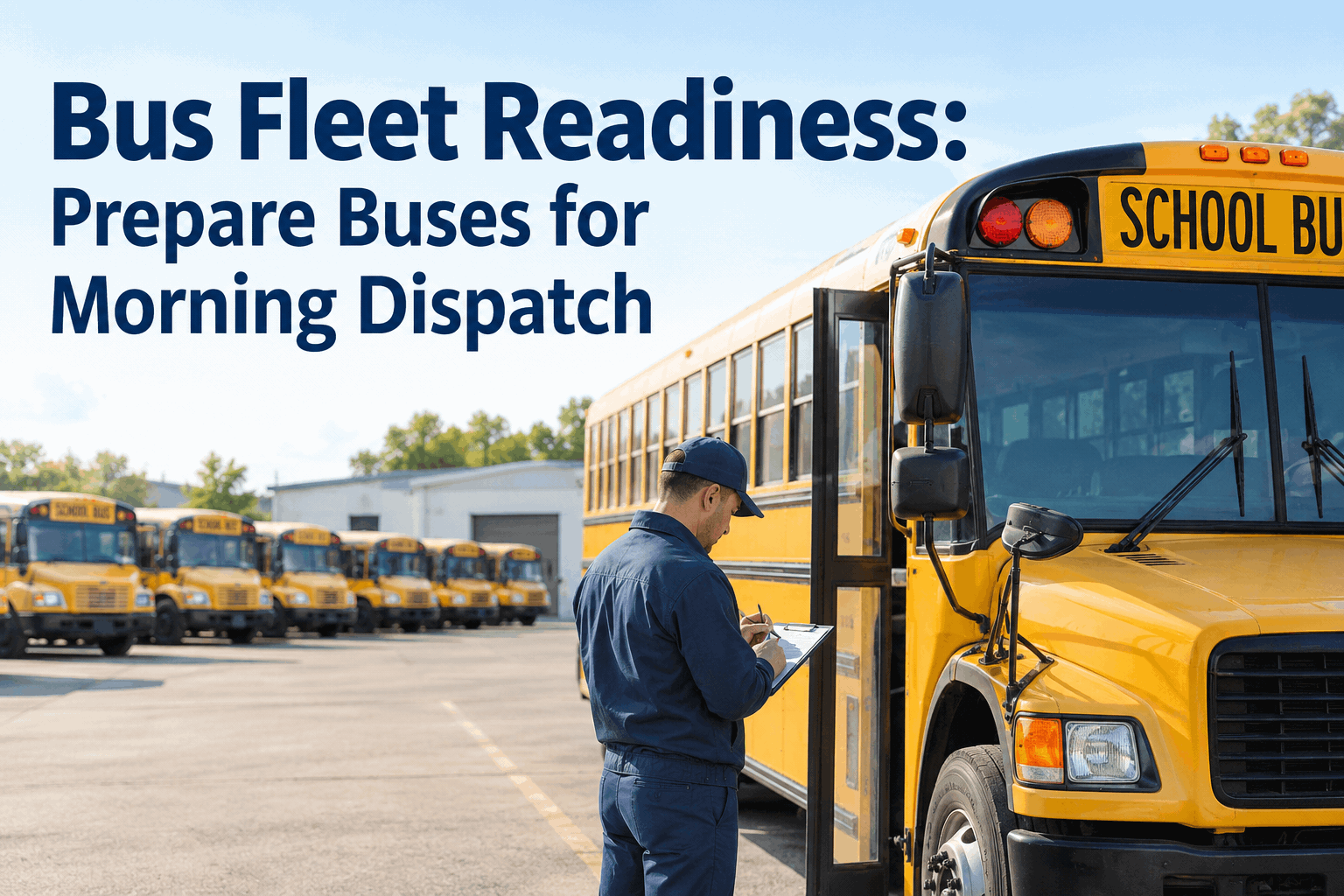
Every school day, millions of American children depend on school buses for safe transportation to and from their educational institutions. Yet a disturbing trend continues to plague our roadways: the alarming number of motorists who illegally pass stopped school buses, putting young lives at risk. For US manufacturing professionals in the transportation sector, this crisis presents both a sobering reality and an unprecedented opportunity to leverage cutting-edge technology in creating safer school transportation systems.
The statistics paint a stark picture of the challenges facing school transport safety. According to recent studies, school buses are passed illegally millions of times each year, with many incidents going unreported. This disregard for stopped school buses has prompted manufacturers, fleet operators, and technology companies to develop innovative solutions that go far beyond traditional safety measures. Today's school-bus-safety-tech represents a convergence of GPS systems, AI fleet tools and comprehensive CMMS systems designed to protect our most precious cargo.
The Growing Crisis: Understanding the Scope of School Bus Violations
The magnitude of illegal school bus passing incidents reveals a critical safety gap that technology must address. Recent nationwide surveys indicate that on a single day, school bus drivers report an average of 17 million illegal passing violations annually. This staggering number represents more than just statistics—each violation puts children's lives in immediate danger.
Manufacturing professionals understand that addressing this crisis requires more than traditional approaches. The integration of advanced fleet software and maintenance software has become essential for comprehensive school transport safety. Modern bus fleet management systems now incorporate real-time monitoring, automated compliance tracking, and predictive analytics to create multiple layers of protection.
Advanced Safety Technologies Transforming School Transportation
The evolution of school-bus-safety-tech represents one of the most significant advances in transportation manufacturing. Today's school buses are equipped with sophisticated systems that extend far beyond basic stop-arm cameras. These integrated platforms combine GPS systems, AI-powered analytics, and comprehensive fleet automation to create unprecedented levels of safety and accountability.
Leading manufacturers like Blue Bird Corporation have revolutionized their approach to student safety through comprehensive technology integration. Their electric and traditional school buses now feature advanced telematics systems that provide real-time monitoring of driver behavior, route optimization, and maintenance scheduling. These systems don't just record violations—they actively work to prevent them through predictive analytics and automated alerts.
Technology Integration Insight: Modern school buses function as mobile data centers, collecting and analyzing thousands of data points daily to optimize safety, efficiency, and compliance. This approach transforms reactive safety measures into proactive protection systems.
The implementation of AI fleet tools has enabled school districts to identify patterns in traffic violations, optimize bus routes to minimize high-risk interactions, and provide law enforcement with actionable data for targeted enforcement efforts. These systems represent a paradigm shift from passive safety equipment to active protection networks that continuously adapt and improve.
Fleet Management Systems: The Backbone of Modern School Bus Safety
Comprehensive bus fleet management has emerged as the cornerstone of effective school transport safety programs. Modern CMMS systems integrate multiple safety technologies into unified platforms that provide fleet managers with unprecedented visibility and control over their operations. These systems address not just immediate safety concerns but also long-term fleet optimization and compliance management.
Advanced maintenance software now incorporates predictive analytics that can identify potential safety issues before they compromise vehicle performance. This proactive approach ensures that critical safety systems—from stop arms to warning lights—maintain peak performance throughout the vehicle's operational life. For manufacturing professionals, this represents a shift toward total lifecycle management rather than reactive maintenance approaches.
Route optimization technology has become particularly crucial in addressing school bus safety challenges. By analyzing traffic patterns, violation hotspots, and timing data, modern fleet software can recommend route modifications that minimize high-risk scenarios. This data-driven approach to route planning represents a significant advancement over traditional routing methods and demonstrates how technology can actively contribute to safety improvements.
AI and Predictive Analytics: Preventing Accidents Before They Happen
The integration of artificial intelligence into school transport systems marks a revolutionary advancement in driver safety and student protection. AI fleet tools now analyze vast amounts of data from GPS systems, traffic cameras, and historical violation patterns to predict and prevent dangerous situations before they occur. This predictive capability represents the next evolution in school-bus-safety-tech.
Machine learning algorithms can identify specific locations, times, and conditions where violations are most likely to occur. This information enables proactive measures such as increased law enforcement presence, enhanced warning systems, and optimized timing for bus operations. The result is a comprehensive safety network that continuously learns and adapts to changing conditions.
Advanced analytics platforms can now process real-time traffic data, weather conditions, and historical violation patterns to provide dynamic route recommendations and timing adjustments. This level of sophistication transforms school transportation from a static service into an adaptive, intelligent system that prioritizes student safety above all other considerations.
For US manufacturing professionals, these AI-driven systems demonstrate the importance of building platforms rather than standalone products. The most successful implementations integrate multiple data sources and technologies into cohesive systems that provide comprehensive situational awareness and automated response capabilities.
Government Initiatives and Compliance: Driving Technology Adoption
Federal and state initiatives have accelerated the adoption of advanced school bus safety technologies through targeted funding programs and regulatory requirements. The intersection of fleet compliance mandates and available technology solutions has created an environment where comprehensive safety systems are becoming standard rather than optional equipment.
The EPA's Clean School Bus Program, which provided $5 billion in funding for electric and alternative-fuel school buses, includes specific requirements for advanced safety and monitoring systems. This program has driven manufacturers to integrate comprehensive CMMS systems, GPS tracking, and automated compliance reporting into their standard offerings. The result is a new generation of school buses that are safer, more efficient, and more capable than ever before.
Fleet compliance requirements now extend beyond basic safety equipment to include comprehensive data collection, reporting, and analysis capabilities. Modern school transport systems must demonstrate not just compliance with safety regulations but also continuous improvement in safety performance through data-driven optimization and technology integration.
Ready to enhance your school bus fleet with cutting-edge safety and management solutions? Discover how advanced CMMS systems and predictive analytics can transform your transportation operations and protect student lives.
Getting StartedBook a Demo
The persistent problem of motorists disregarding stopped school buses has catalyzed a technological revolution in school transportation safety. For US manufacturing professionals, this crisis has revealed the critical importance of integrated technology solutions that go far beyond traditional safety equipment.
The future of school transport safety lies not in isolated technologies but in comprehensive systems that combine AI analytics, predictive maintenance, real-time monitoring, and automated compliance management. Success in this market requires manufacturers to think beyond individual components and develop platforms that provide total lifecycle management and continuous safety improvement.
As technology continues to evolve, the most successful manufacturers will be those who recognize that school bus safety is not just about building vehicles—it's about creating intelligent, adaptive systems that protect children, support drivers, and provide fleet managers with the tools they need to ensure safe, efficient operations.
Frequently Asked Questions
Q: How effective are modern school bus safety technologies in preventing violations?
A: Studies show that comprehensive safety camera systems reduce illegal passing violations by up to 95% when properly implemented. Modern systems combine high-definition cameras, AI analytics, and automated reporting to provide law enforcement with actionable evidence for prosecution, creating a strong deterrent effect.
Q: What role does AI play in school bus fleet management?
A: AI fleet tools analyze traffic patterns, historical violation data, and real-time conditions to predict high-risk scenarios and optimize routes accordingly. These systems can recommend timing adjustments, route modifications, and enforcement strategies that proactively reduce dangerous interactions between school buses and other vehicles.
Q: How do CMMS systems improve school bus safety beyond basic maintenance?
A: Modern CMMS systems integrate safety equipment monitoring, driver behavior analytics, and predictive maintenance scheduling to ensure all safety systems remain operational. They track performance metrics for stop arms, warning lights, cameras, and other critical safety equipment while providing automated alerts for any system failures or maintenance needs.
Q: What government funding is available for school bus safety technology upgrades?
A: The EPA's Clean School Bus Program provides significant funding for technology upgrades, with many grants specifically requiring advanced safety and monitoring systems. Additionally, various state and federal transportation safety grants support the implementation of comprehensive fleet management and safety technology platforms.
Q: How do GPS systems and route optimization contribute to school bus safety?
A: GPS systems provide real-time location tracking and enable dynamic route optimization based on traffic conditions, violation history, and safety concerns. This technology allows fleet managers to avoid high-risk areas, optimize timing to reduce traffic interactions, and provide parents and administrators with accurate arrival information, reducing unsafe behaviors around bus stops.