In today's competitive transportation landscape, bus fleet operators face mounting pressure to maximize efficiency while minimizing costs. Traditional dispatch methods, often relying on manual processes and reactive maintenance approaches, are no longer sufficient to meet the demands of modern fleet operations. Enter AI-powered dispatch systems – a revolutionary technology that's transforming how bus fleets operate across the United States.
For manufacturing professionals overseeing employee transportation and logistics, understanding the impact of AI-dispatch technology on fleet efficiency isn't just beneficial – it's essential for staying competitive. These intelligent systems are delivering measurable results: up to 25% reduction in operational costs, 30% improvement in vehicle uptime, and 40% decrease in unplanned maintenance events.
Ready to Transform Your Fleet Operations?
See how AI-powered dispatch can optimize your bus fleet efficiency and reduce maintenance costs.
Getting Started Book a DemoReal-Time Route Optimization and Dynamic Scheduling
AI-powered dispatch systems excel at processing vast amounts of real-time data to optimize routes and schedules dynamically. Unlike traditional static routing, these intelligent systems continuously analyze traffic patterns, weather conditions, passenger demand, and vehicle performance metrics to make instant adjustments.
Key benefits of AI-driven route optimization include:
- Fuel efficiency improvements: Smart routing algorithms reduce unnecessary mileage and optimize fuel consumption patterns
- Reduced passenger wait times: Dynamic scheduling adjusts to real-time conditions, improving service reliability
- Traffic pattern learning: AI systems learn from historical data to predict and avoid congestion hotspots
- Weather-responsive routing: Automatic route adjustments based on weather forecasts and road conditions
Manufacturing facilities with employee shuttle services have reported 22% reduction in fuel costs and 35% improvement in on-time performance after implementing AI-powered dispatch systems with route optimization capabilities.
Predictive Maintenance and Vehicle Health Monitoring
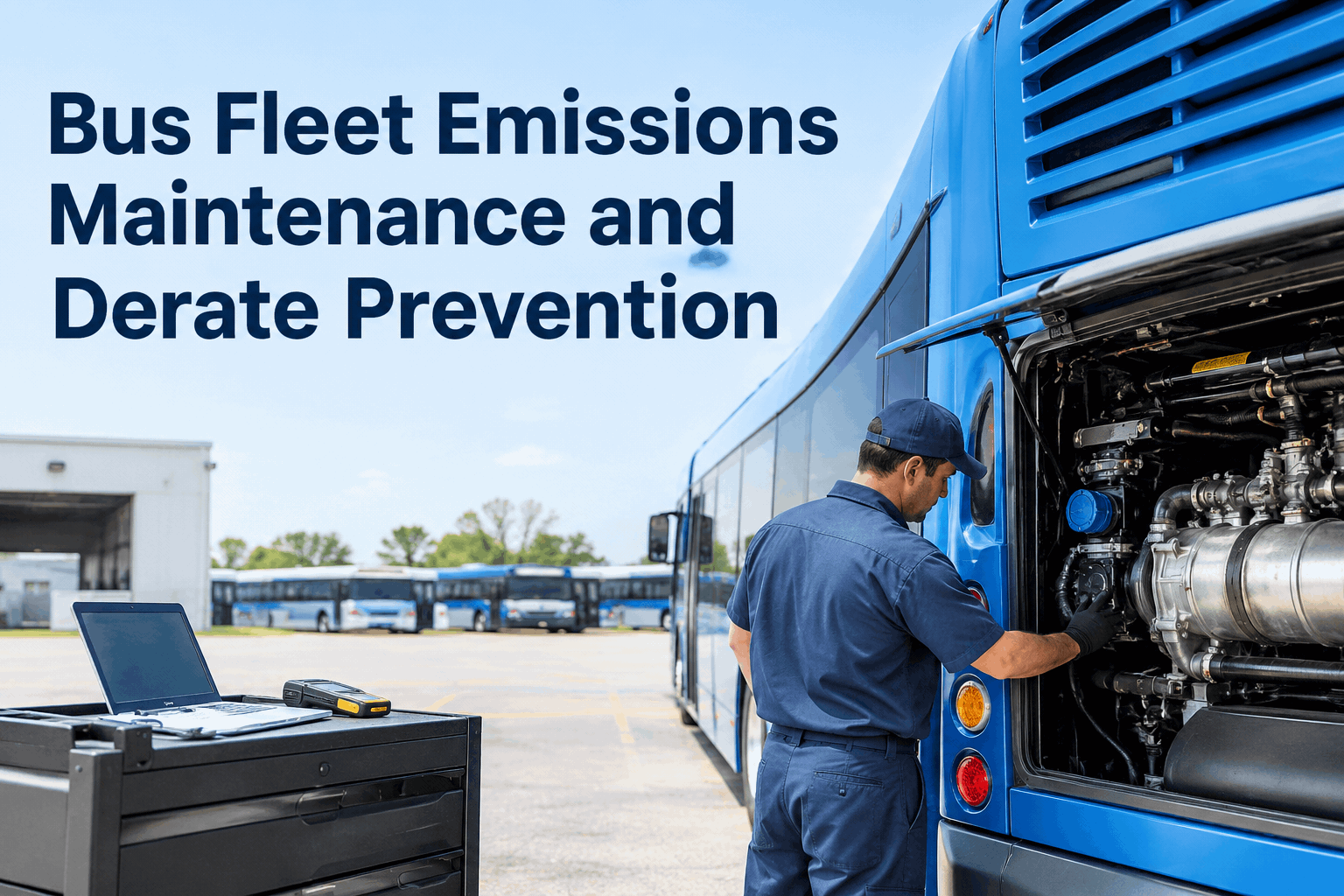
One of the most transformative aspects of AI-powered dispatch is its ability to predict maintenance needs before failures occur. Through telematics integration and diagnostic systems, these platforms continuously monitor vehicle health indicators, analyzing patterns that precede mechanical issues.
Predictive Analytics in Action: Advanced algorithms analyze engine performance data, brake wear patterns, transmission health, and dozens of other parameters to predict when components will require maintenance, often weeks or months in advance.
Maintenance software integration provides:
- Automated maintenance scheduling: CMMS tools automatically schedule preventive maintenance based on predictive insights
- Parts inventory optimization: Predictive analytics help maintain optimal spare parts inventory levels
- Maintenance cost reduction: Preventing breakdowns costs significantly less than emergency repairs
- Extended vehicle lifespan: Proactive maintenance extends asset life and maximizes ROI
The impact on fleet automation is substantial. Manufacturing companies using AI-powered predictive maintenance report 45% reduction in emergency repairs and 28% increase in vehicle lifespan.
Enhanced Fleet Efficiency Through Data-Driven Insights
AI-powered dispatch systems generate comprehensive fleet insights that enable data-driven decision making. These platforms aggregate information from multiple sources – vehicle sensors, driver behavior monitoring, passenger feedback, and external data feeds – to provide actionable intelligence.
Fleet efficiency improvements through AI include:
- Driver performance optimization: Real-time coaching and feedback systems improve driving efficiency and safety
- Capacity utilization analysis: AI identifies underutilized routes and suggests consolidation opportunities
- Energy consumption monitoring: Detailed analysis of fuel and energy usage patterns across the fleet
- Service quality metrics: Continuous monitoring of passenger satisfaction and service reliability indicators
Automated Compliance Tracking and Regulatory Management
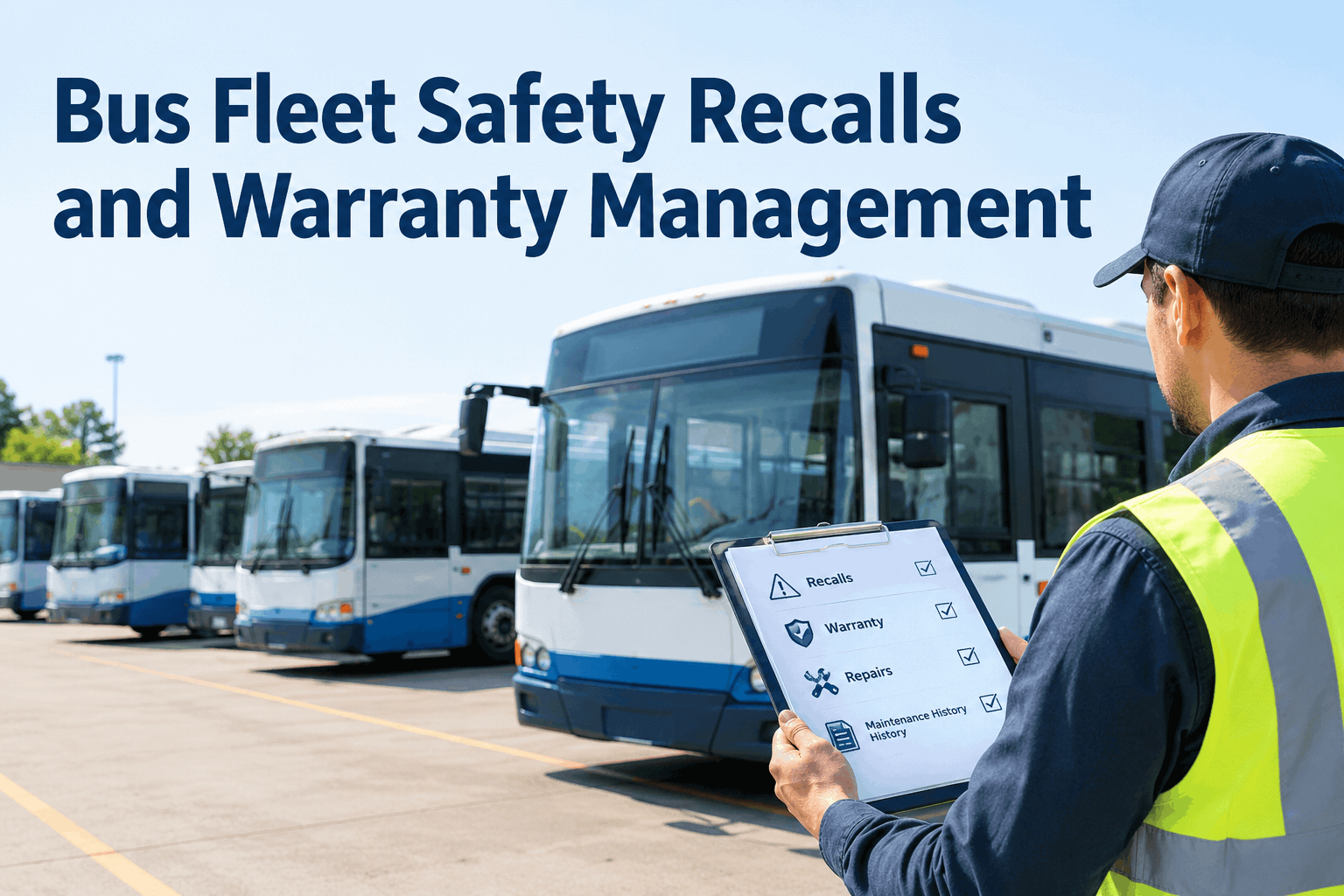
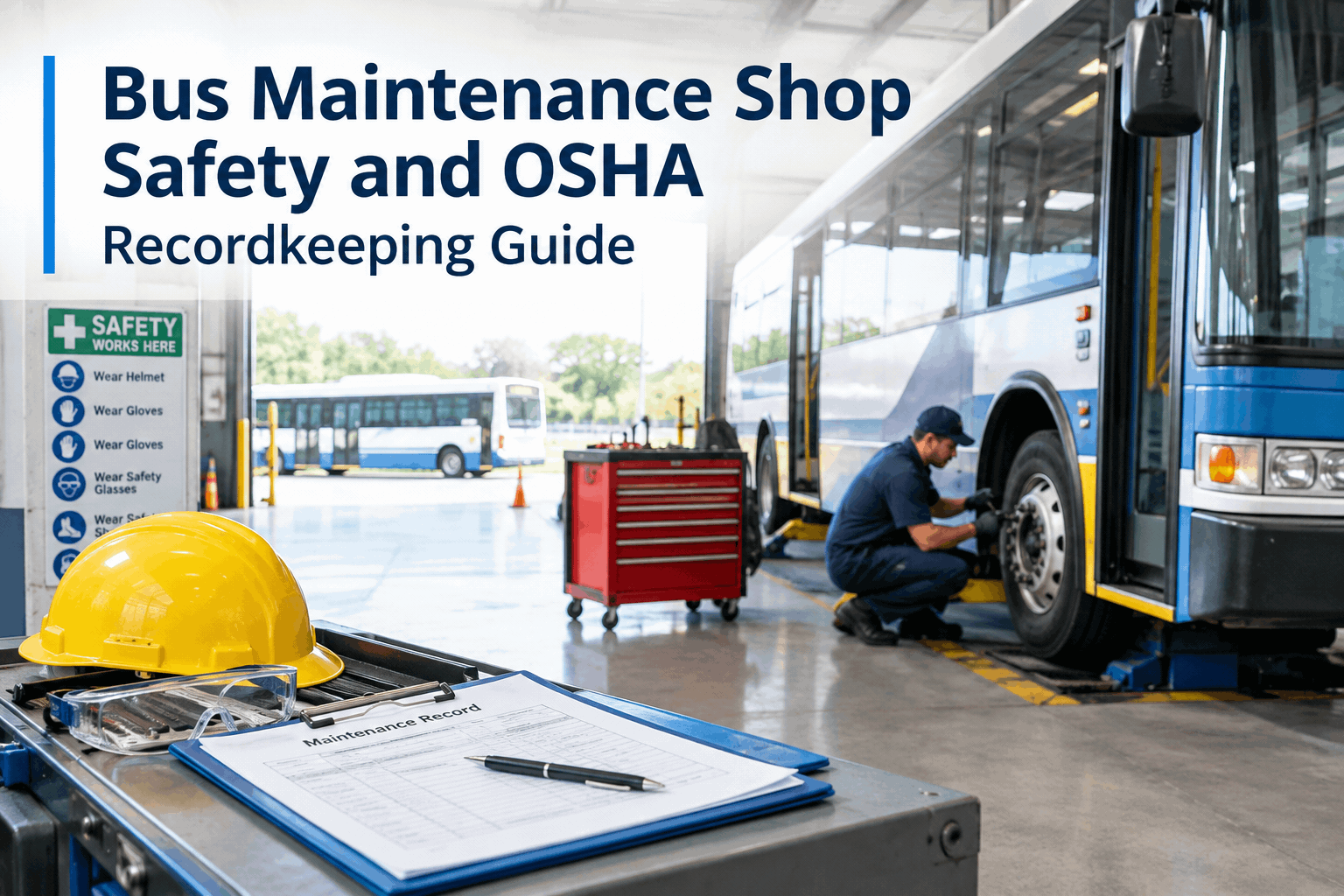
For manufacturing professionals, regulatory compliance is non-negotiable. AI-powered dispatch systems excel at compliance tracking, automatically monitoring and documenting adherence to Department of Transportation regulations, safety standards, and industry-specific requirements.
Compliance automation features:
- Hours of Service (HOS) monitoring: Automatic tracking of driver work hours and mandatory rest periods
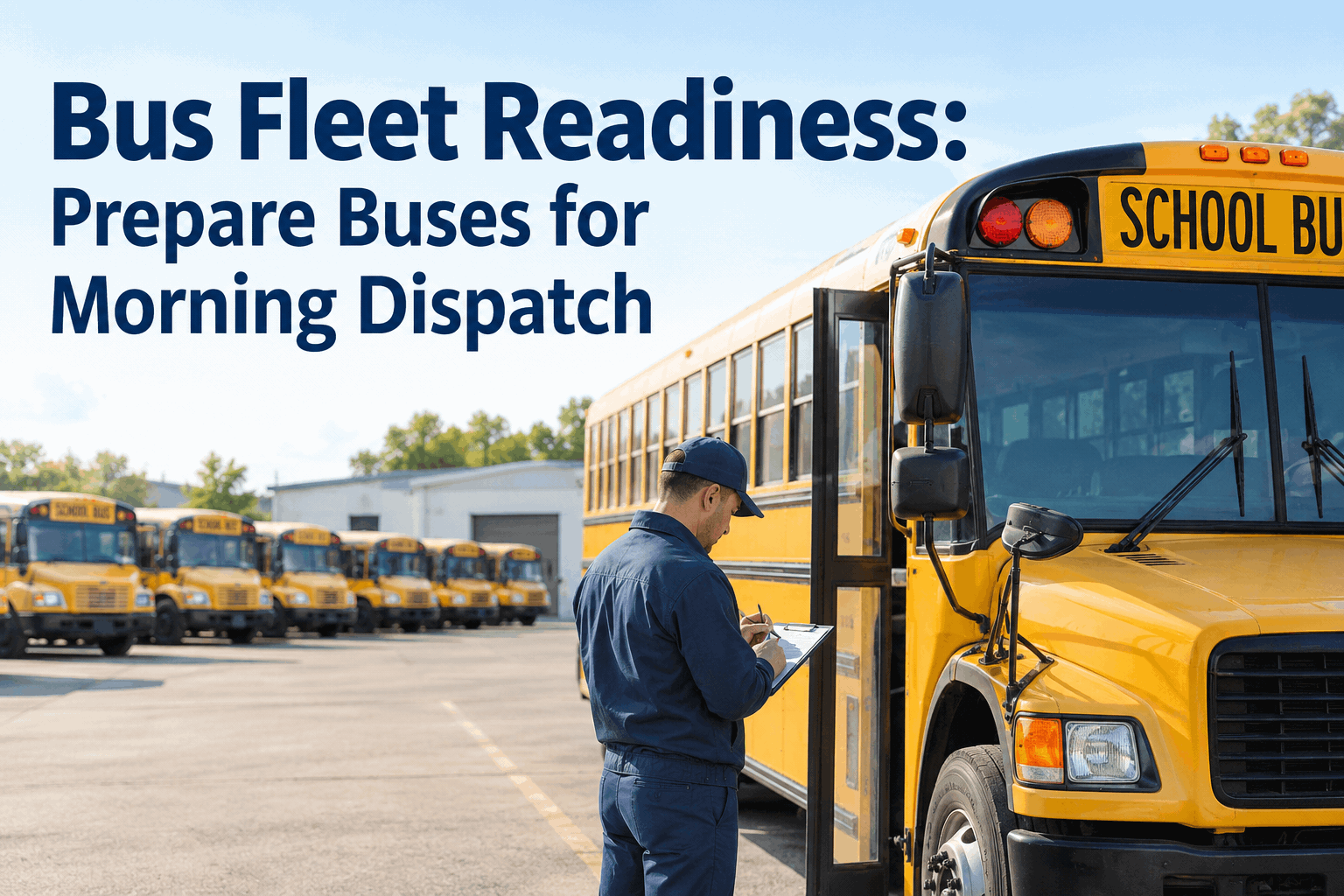
- Vehicle inspection scheduling: Automated scheduling and documentation of required safety inspections
- Regulatory reporting: Automatic generation of compliance reports for regulatory submissions
- Safety incident tracking: Comprehensive documentation and analysis of safety events
Compliance Cost Savings: Automated compliance tracking reduces administrative overhead by up to 60% while virtually eliminating compliance violations and associated penalties.
Integration with Existing Manufacturing Systems
Modern AI-powered dispatch systems are designed to integrate seamlessly with existing manufacturing enterprise systems. This integration capability is crucial for manufacturing professionals who need fleet operations to align with production schedules, shift changes, and facility security requirements.
System integration benefits:
- ERP system connectivity: Direct integration with enterprise resource planning systems for comprehensive operational visibility
- Production schedule alignment: Fleet schedules automatically adjust to accommodate production line changes
- Employee management integration: Coordination with HR systems for accurate passenger manifests and access control
- Facility management coordination: Integration with building management systems for optimized pickup/drop-off scheduling
Transform Your Fleet Operations Today
Join hundreds of manufacturing companies already benefiting from AI-powered dispatch systems. Experience the difference intelligent fleet management makes.
Getting Started Book a DemoConclusion: The Future of Fleet Operations is Here
AI-powered dispatch represents a fundamental shift from reactive to proactive fleet management. For manufacturing professionals, this technology offers unprecedented opportunities to optimize transportation operations, reduce costs, and improve service reliability. The combination of predictive analytics, automated maintenance scheduling, and real-time optimization creates a powerful platform for achieving operational excellence.
The question isn't whether AI-powered dispatch will transform fleet operations – it already is. The question is whether your organization will be among the early adopters who gain a competitive advantage or among those playing catch-up. With proven ROI, measurable efficiency gains, and comprehensive integration capabilities, AI-powered dispatch systems offer manufacturing professionals a clear path to fleet optimization.
Take action today: The technology is mature, the benefits are proven, and your competitors are already making the move. Don't let manual dispatch methods hold your fleet operations back when intelligent automation can drive them forward.