The transportation industry is experiencing a revolutionary shift toward sustainable energy solutions, and hydrogen-powered buses are leading the charge in public transit innovation. As alternative-fuel-cmms systems become increasingly sophisticated, fleet managers across the United States are discovering how advanced Computerized Maintenance Management Systems (CMMS) can optimize their hydrogen bus operations while ensuring maximum efficiency, and minimal downtime.
The integration of predictive maintenance technologies with hydrogen bus fleets represents a game-changing approach to fleet software management. With the unique maintenance requirements of hydrogen fuel cell systems, traditional reactive maintenance strategies are no longer sufficient. Today's fleet operators need intelligent, data-driven solutions that can anticipate maintenance needs, optimize performance, and ensure compliance with evolving regulations.
The Evolution of Hydrogen Bus Fleet Management Systems
Modern bus fleet maintenance has evolved far beyond simple scheduling and repair tracking. Today's hydrogen bus CMMS platforms incorporate advanced predictive analytics that monitor fuel cell performance, hydrogen storage systems, and electric drive components in real-time. These sophisticated systems analyze thousands of data points to identify potential issues before they result in costly breakdowns or service interruptions.
The unique characteristics of hydrogen fuel cell technology require specialized maintenance protocols that differ significantly from traditional diesel or electric bus systems. Hydrogen buses operate with complex fuel cell stacks, high-pressure storage tanks, and sophisticated control systems that demand precise monitoring and maintenance. Advanced CMMS solutions now integrate telematics integration capabilities that provide continuous visibility into these critical components.
Fleet operators are increasingly recognizing that fleet efficiency depends not just on fuel performance but on the seamless integration of maintenance, operations and compliance management. Modern hydrogen bus CMMS platforms provide comprehensive dashboards that consolidate all aspects of fleet management into actionable insights, enabling managers to make informed decisions that optimize both performance and profitability.
Predictive Maintenance: The Future of Hydrogen Bus Operations
Predictive maintenance represents the most significant advancement in modern fleet management, particularly for hydrogen bus operations. By leveraging machine learning algorithms and IoT sensors, today's maintenance software can predict component failures weeks or months before they occur. This proactive approach dramatically improves vehicle uptime while reducing maintenance costs and extending equipment lifespan.
Hydrogen fuel cell systems generate vast amounts of operational data that can be analyzed to identify patterns indicative of impending maintenance needs. Advanced diagnostic systems monitor parameters such as fuel cell voltage, temperature variations, hydrogen purity levels, and system pressure fluctuations. When these systems detect anomalies or trending issues, they automatically generate maintenance alerts and work orders, ensuring that potential problems are addressed before they impact service delivery.
The implementation of predictive maintenance strategies has shown remarkable results in hydrogen bus fleets across the United States. Fleet operators report maintenance cost reductions of 15-25%, improved vehicle availability rates exceeding 95%, and significant extensions in component lifecycles. These improvements directly translate to enhanced passenger service reliability and improved return on investment for transit agencies.
Advanced Fleet Automation and Route Optimization
Modern hydrogen bus CMMS platforms incorporate sophisticated fleet automation capabilities that extend beyond maintenance management. These systems integrate with route optimization algorithms that consider hydrogen consumption patterns, refueling station locations, and real-time traffic conditions to maximize operational efficiency. The result is a comprehensive fleet management solution that optimizes every aspect of hydrogen bus operations.
Maintenance scheduling is automatically coordinated with route planning to minimize service disruptions. The system analyzes historical maintenance data, current vehicle conditions, and upcoming service requirements to suggest optimal maintenance windows that align with operational needs. This intelligent scheduling approach ensures that maintenance activities are performed at the most advantageous times, reducing the impact on passenger service.
Integration with hydrogen refueling infrastructure is another critical component of modern fleet automation. The CMMS communicates with refueling stations to coordinate hydrogen deliveries, monitor fuel quality, and optimize refueling schedules based on route requirements and vehicle availability. This level of integration ensures that hydrogen buses always have access to high-quality fuel when needed.
Compliance Tracking and Regulatory Management
The regulatory landscape for hydrogen-powered vehicles continues to evolve rapidly, making compliance tracking a critical component of fleet management. Modern CMMS platforms include comprehensive compliance management modules that automatically track inspection schedules, certification renewals, and regulatory reporting requirements specific to hydrogen fuel cell vehicles.
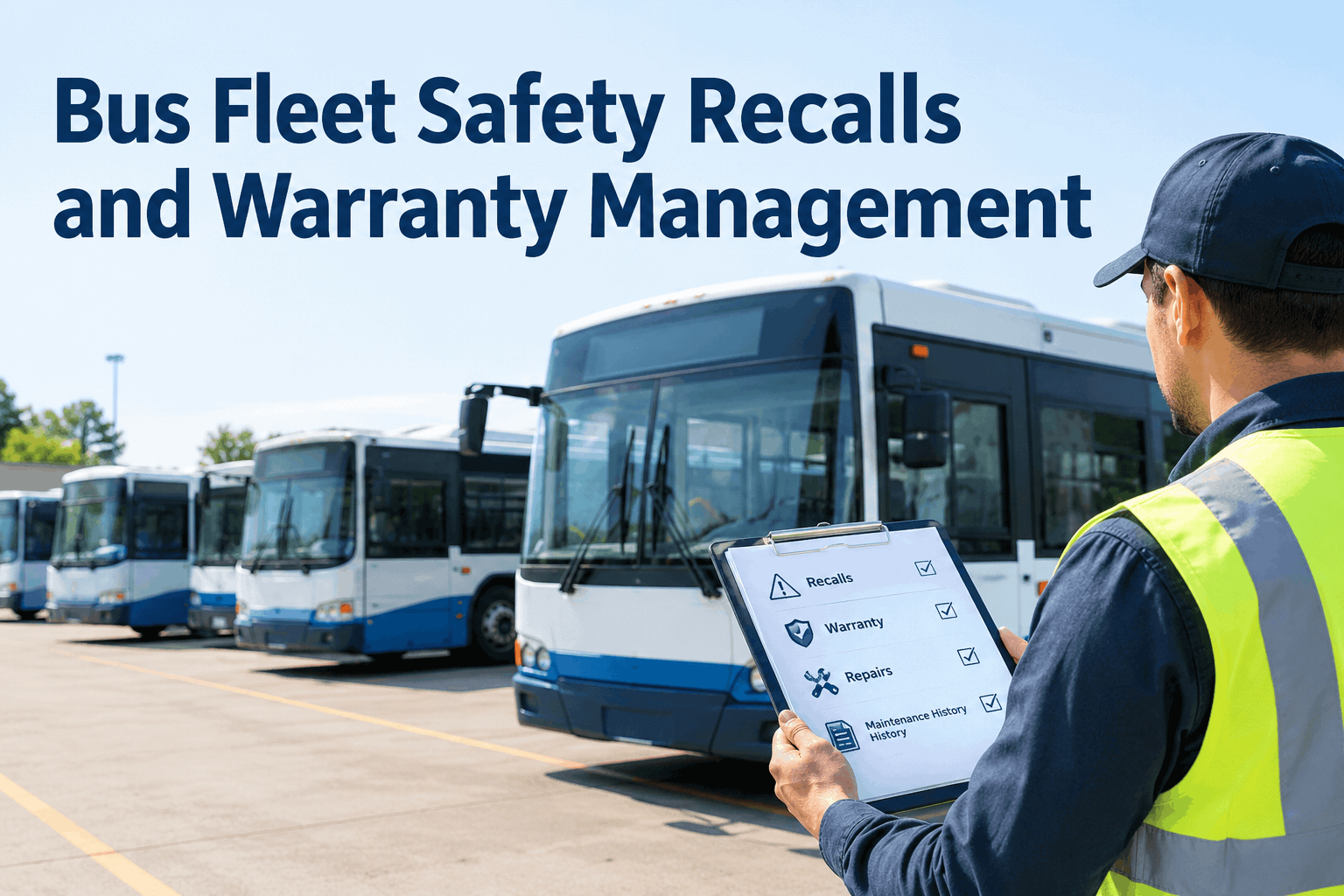
These systems maintain detailed records of all maintenance activities, component replacements, and safety inspections required for hydrogen bus operations. Automated reporting features ensure that fleet operators can quickly generate compliance documentation for regulatory agencies, insurance providers, and safety audits. The system also provides alerts for upcoming compliance deadlines, ensuring that critical certifications and inspections are never missed.
Safety management is particularly crucial for hydrogen bus operations due to the specialized nature of hydrogen fuel handling and storage. Advanced CMMS platforms include safety incident tracking, hazard analysis tools, and emergency response protocols specifically designed for hydrogen vehicle operations. These features help fleet operators maintain the highest safety standards while ensuring full regulatory compliance.
Real-Time Fleet Insights and Performance Analytics
The power of modern CMMS tools lies in their ability to transform raw operational data into actionable fleet insights. Advanced analytics dashboards provide fleet managers with real-time visibility into key performance indicators such as fuel cell efficiency, maintenance costs per mile, vehicle availability rates, and overall fleet performance metrics.
These comprehensive analytics enable data-driven decision-making that optimizes both short-term operations and long-term strategic planning. Fleet managers can identify trends in component performance, evaluate the effectiveness of maintenance strategies, and benchmark performance against industry standards. This level of insight is essential for maximizing the return on investment in hydrogen bus technology.
The integration of artificial intelligence and machine learning capabilities continues to enhance the analytical power of hydrogen bus CMMS platforms. These systems learn from operational patterns, maintenance histories, and performance data to provide increasingly accurate predictions and recommendations. As these systems mature, they become more effective at optimizing fleet operations and reducing total cost of ownership.
Ready to Revolutionize Your Hydrogen Bus Fleet Management?
Discover how our advanced CMMS solution can transform your hydrogen bus operations with predictive maintenance, automated scheduling, and comprehensive fleet insights.
Getting StartedBook a Demo
Conclusion: The Future of Sustainable Fleet Management
The convergence of hydrogen fuel cell technology and advanced CMMS platforms represents a transformative opportunity for public transit agencies and fleet operators across the United States. As hydrogen bus technology continues to mature and regulatory frameworks evolve, the importance of sophisticated maintenance management systems becomes increasingly apparent.
The emerging trends in hydrogen bus CMMS technology point toward even greater integration, automation, and intelligence in fleet management systems. Predictive maintenance capabilities will continue to improve, offering even more precise predictions and optimized maintenance strategies. The integration of renewable energy sources with hydrogen production will create new opportunities for sustainable fleet operations that align with environmental goals and economic objectives.
For fleet operators considering the transition to hydrogen-powered buses, investing in advanced CMMS technology is not just recommended—it's essential for success. The complexity of hydrogen fuel cell systems, the evolving regulatory landscape, and the competitive pressures facing public transit agencies all point toward the need for sophisticated, intelligent fleet management solutions.
The future of sustainable transportation depends on the successful deployment and operation of hydrogen-powered vehicles, and advanced CMMS technology will play a critical role in making this vision a reality. Fleet operators who embrace these technologies today will be best positioned to capitalize on the opportunities and overcome the challenges of tomorrow's transportation landscape.