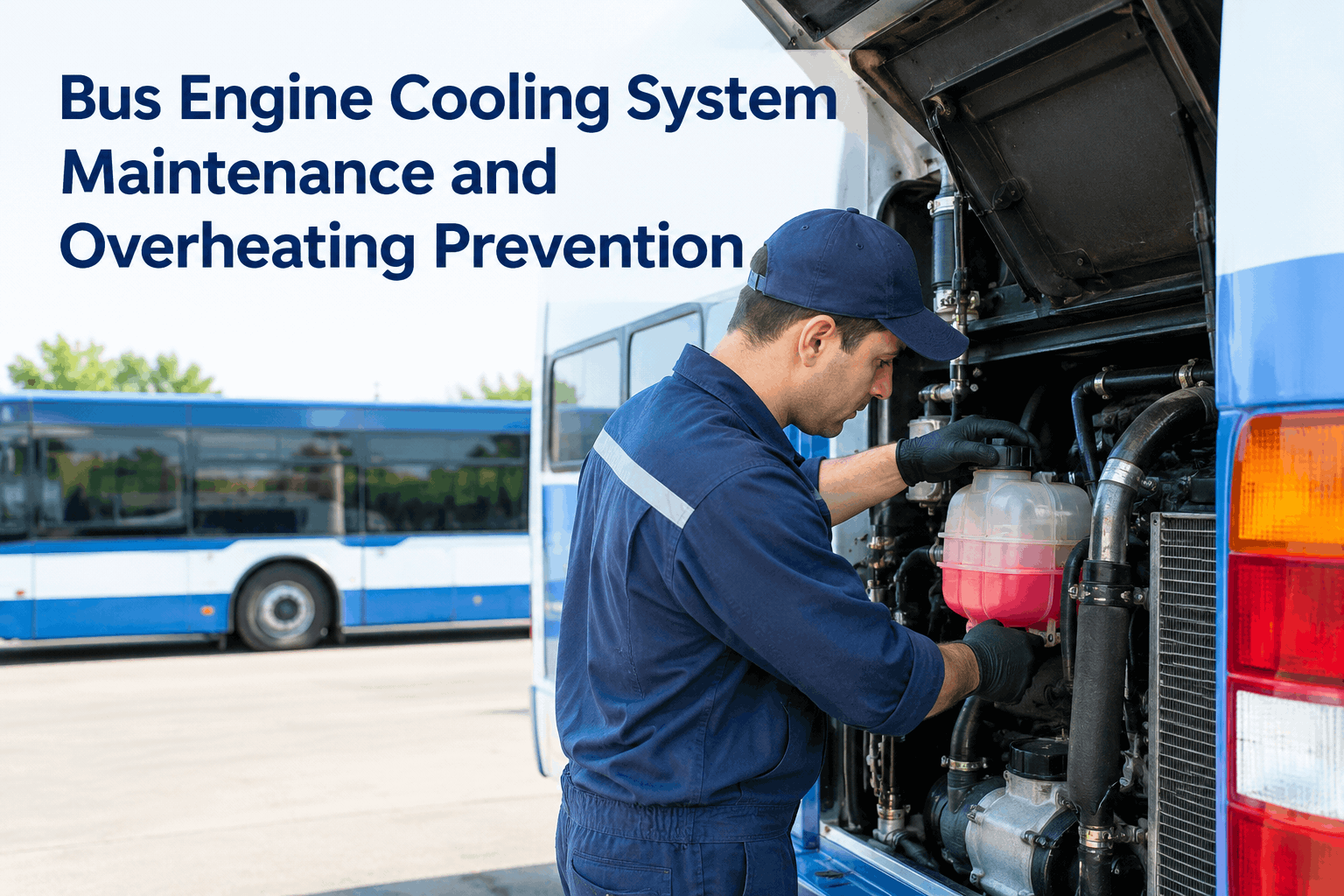
Hydrogen fuel cell electric buses (FCEBs) are transforming zero-emission transit. But maintaining these vehicles requires fundamentally different protocols than diesel, CNG, or even battery-electric fleets.
Your maintenance team needs specialized training, upgraded facilities, and CMMS software configured for hydrogen-specific safety tracking. Schedule a free demo to see how Bus CMMS handles hydrogen fleet maintenance workflows.
Quick Answer
Hydrogen bus maintenance management requires CMMS systems configured for fuel cell stack monitoring, high-pressure tank inspections, hydrogen leak detection protocols, and NFPA 2 safety compliance tracking. Unlike diesel buses, hydrogen FCEBs need ventilated maintenance bays, specialized technician certifications, and management-of-change procedures for any system modifications.
What Makes Hydrogen Bus Maintenance Different?
Hydrogen fuel cell buses share some components with battery-electric buseselectric motors, regenerative braking, HVAC systems. But the fuel cell stack and hydrogen storage system introduce entirely new maintenance categories. Sign up free to configure hydrogen-specific maintenance workflows.
Standard Bus Maintenance
Hydrogen Bus Maintenance
Key Insight
According to NREL fuel cell bus evaluations, fuel cell system roadcalls are primarily caused by balance-of-plant components—not the fuel cell stack itself. Proper preventive maintenance significantly improves reliability metrics.
Hydrogen Bus Technology Overview
Understanding hydrogen bus architecture helps maintenance teams identify critical inspection points. Modern fuel cell buses like New Flyer Xcelsior, Van Hool, Solaris Urbino Hydrogen, and Wrightbus Hydroliner share similar system layouts.
Fuel Cell Stack
Proton Exchange Membrane (PEM) converts hydrogen to electricity. Newer FCmove Gen 8 stacks require no freeze protection and offer 30% lower maintenance costs.
Hydrogen Storage
High-pressure composite tanks store hydrogen at 350 bar (5,000 psi). Tank valves are never opened during service—only by certified technicians.
Balance of Plant
Air compressors, humidifiers, cooling pumps, and power electronics support the fuel cell. Most maintenance focuses on these components.
Electric Drivetrain
Traction motors, inverters, and battery packs (for hybrid storage) are similar to battery-electric buses. Standard EV maintenance applies.
Maintenance Differences: Hydrogen vs Diesel vs Electric
Transit agencies transitioning to hydrogen need to understand how maintenance requirements shift across propulsion types.
← Swipe to view more →
Book a 15-minute demo to see how CMMS tracks certifications and facility compliance for mixed fleets.
Configure CMMS for Hydrogen Fleet Management
Track fuel cell hours, safety certifications, and NFPA 2 compliance in one platform.
Hydrogen Safety Protocols for Maintenance Facilities
Safety is the primary concern when maintaining hydrogen buses. NFPA 2 (Hydrogen Technologies Code) and local fire codes establish requirements for maintenance facilities.
Facility Ventilation
Maintenance bays require continuous ventilation with hydrogen sensors at ceiling level. H2 is lighter than air and accumulates at high points.
Leak Detection
Portable hydrogen leak detectors must be used during any work on fuel system components. Fixed sensors trigger alarms and automatic ventilation.
Defueling Procedures
Before major repairs, hydrogen must be safely vented through 11-foot stacks using nitrogen purge. Tank pressure reduced to 580 psi or less.
Management of Change
Any modification beyond "replacement-in-kind" requires formal MOC procedures. Consult hydrogen system designers for non-identical parts.
Three Levels of Hydrogen Bus Maintenance
Standard Mechanical Work
Wheels, suspension, HVAC, interior—no special precautions needed. Same as any other bus.
Fuel Cell & H2 System Work
Small H2 releases possible. Requires ventilated bay, leak detection, and certified technicians.
Tank Draining & Major Repairs
Large H2 quantities released. Requires defueling stack, full PPE, and specialized equipment.
CMMS Configuration for Hydrogen Bus Fleets
Standard CMMS templates don't cover hydrogen-specific requirements. Your system needs custom configuration for fuel cell assets, safety tracking, and compliance documentation. Create your free account to access hydrogen fleet templates.
Fuel Cell Hour Tracking
Track accumulated hours on each fuel cell stack separately from vehicle odometer. Stack replacement typically occurs at 20,000-30,000 hours.
Tank Inspection Scheduling
Composite hydrogen tanks require periodic inspection per manufacturer specifications. CMMS tracks inspection dates and certification status.
Technician Certifications
Assign work orders only to technicians with valid hydrogen safety certifications. System blocks unqualified personnel from H2 system tasks.
Safety Incident Logging
Document all hydrogen-related incidents and near-misses per NFPA 2 requirements. Maintain complete audit trail for regulatory compliance.
Parts Compatibility
Flag hydrogen-rated components in inventory. Prevent non-certified parts from being used in fuel system repairs.
MOC Documentation
Management of Change workflows ensure any system modifications are properly reviewed, approved, and documented before implementation.
Schedule a walkthrough to see hydrogen-specific CMMS configuration in action.
Hydrogen Bus PM Checklist
Preventive maintenance schedules for hydrogen buses combine standard transit bus items with fuel cell-specific inspections.
Daily Pre-Trip
Weekly/250 Hours
Monthly/1,000 Hours
Annual/5,000 Hours
Start Managing Your Hydrogen Fleet Today
Digital checklists, safety tracking, and compliance documentation—all in one platform.
Frequently Asked Questions
What is hydrogen bus maintenance management?
Hydrogen bus maintenance management involves specialized CMMS systems configured for fuel cell electric buses. This includes tracking fuel cell stack hours, scheduling high-pressure tank inspections, managing hydrogen safety certifications, and ensuring NFPA 2 compliance for maintenance facilities.
How is hydrogen bus maintenance different from diesel bus maintenance?
Hydrogen buses eliminate engine oil changes and exhaust system maintenance but require fuel cell stack monitoring, hydrogen leak detection protocols, specialized facility ventilation, and technicians certified in both high-voltage safety and hydrogen handling. Balance-of-plant components need regular inspection.
What safety protocols are required for hydrogen bus maintenance facilities?
Per NFPA 2 requirements, facilities need continuous ventilation with ceiling-mounted hydrogen sensors, portable leak detectors for service work, defueling equipment for major repairs, and management-of-change procedures for any system modifications beyond identical part replacements.
How does CMMS track hydrogen fuel cell maintenance?
CMMS tracks fuel cell stack hours separately from vehicle mileage, schedules PM based on operating hours, manages technician certifications for hydrogen work, documents safety incidents, flags hydrogen-rated parts in inventory, and maintains MOC audit trails for regulatory compliance.
What is the maintenance cost difference between hydrogen and diesel buses?
Newer fuel cell buses like those with FCmove Gen 8 stacks offer 30% lower maintenance costs than earlier generations. While hydrogen buses eliminate engine and transmission maintenance, they require specialized technician training and facility upgrades that offset some savings initially.