Managing a mixed-age bus fleet without per-vehicle cost data is like navigating without a map. You know roughly where you are, but every turn is a guess. BusCMMS gives U.S. fleet managers the exact cost-per-vehicle visibility, age-stratified PM scheduling, and audit-ready inspection records they need to make every maintenance and retirement decision with confidence. This page covers the CTA, FAQ, final recommendations, and conclusion -- use it alongside Part 1 for the complete picture.
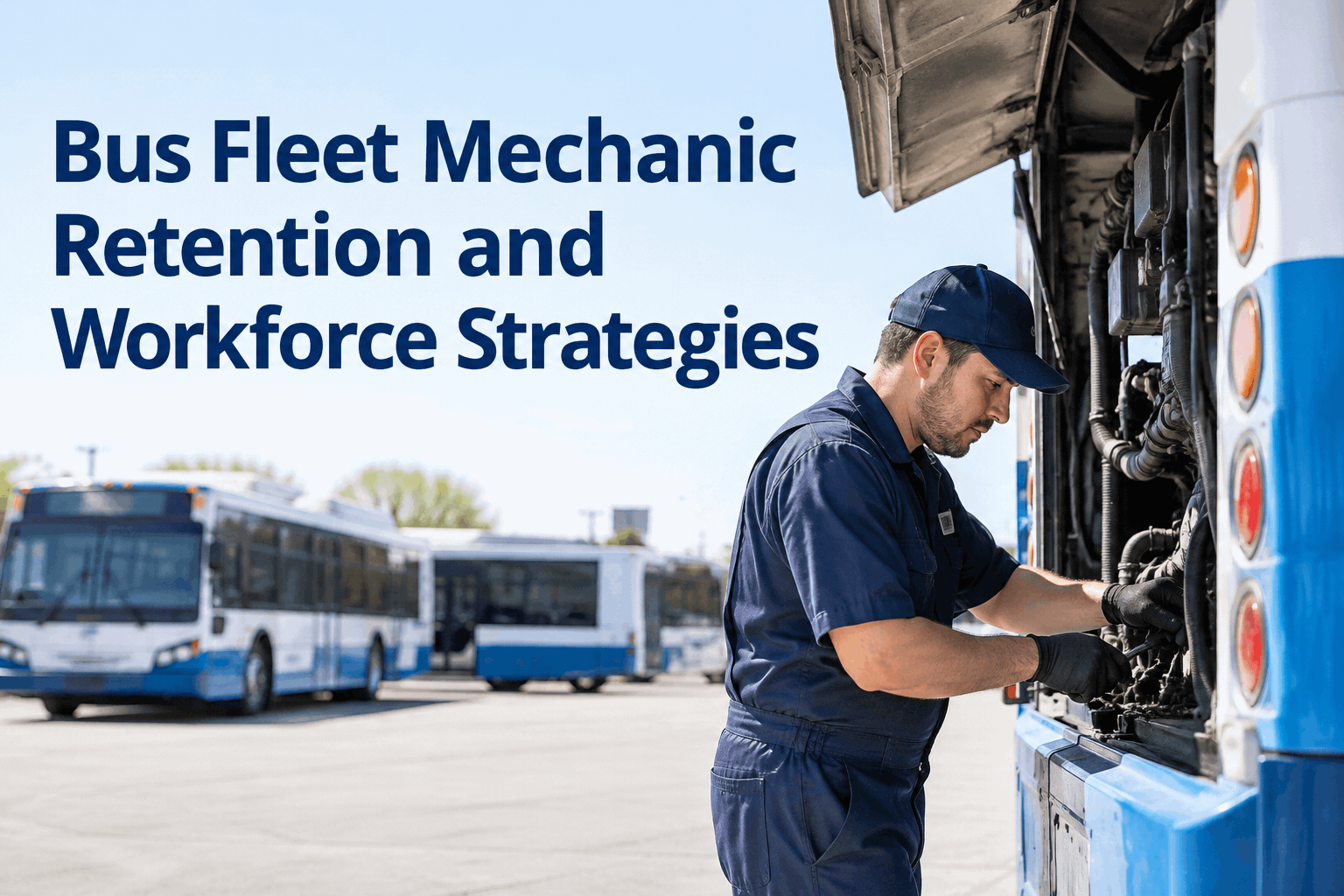
A mixed-age fleet does not just demand more maintenance hours -- it demands the right hours from the right technicians. A senior diesel mechanic diagnosing an intermittent air brake issue on a 17-year-old bus is a completely different labor demand than a junior tech performing a scheduled PM on a 3-year-old vehicle. Technician Management in BusCMMS lets you assign work orders by technician certification level, track hours logged per vehicle, and identify which techs are spending the most time on your oldest buses -- a direct indicator of aging fleet burden on your workforce.
When you can see that 60% of your senior tech's hours are going to the bottom quartile of your fleet by remaining useful life, you have a workforce planning conversation that was previously invisible. That data changes hiring decisions, training investments, and retirement timing simultaneously. No other platform built for bus operations surfaces this connection between vehicle age and labor allocation.
Predictive Maintenance is no longer a theoretical concept reserved for large transit agencies with engineering departments. BusCMMS brings practical predictive triggers to any fleet size. By analyzing historical defect frequency patterns, mileage accumulation rates, and seasonal repair trends per vehicle, the system generates proactive alerts before failures occur. An aging bus that generated two air system defect reports in the past 45 days receives an automatic alert to schedule a full air brake system inspection -- not because of a calendar date, but because the defect pattern predicts an imminent failure event.
For mixed-age fleets specifically, this predictive layer is most valuable on the 10-14 year cohort -- the buses on the cusp of the cost inflection point. Catching a major failure on a 13-year-old bus before it happens gives you the choice: repair it if the lifecycle economics still justify it, or accelerate retirement if the repair cost would push annual spend past your threshold. That choice only exists if you catch the signal early. Schedule Maintenance proactively with BusCMMS and that early warning becomes standard operating procedure.
Every U.S. state has its own school bus inspection and maintenance documentation requirements layered on top of federal FMCSA standards. Some states require annual third-party inspections. Others mandate monthly documented PM checks. FTA-funded transit programs must submit NTD maintenance data annually. The common thread is documentation -- and the common failure point in paper-based shops is that documentation is incomplete, inconsistently formatted, or simply lost by audit time.
BusCMMS eliminates this failure point by generating Maintenance Reporting automatically from every closed work order and completed inspection. DVIR records carry the three-signature chain -- driver, mechanic, and certifying official -- that DOT auditors look for first. PM completion reports show every scheduled task, its actual completion date, and the technician who signed off. Cost reports show annual spend per vehicle in formats that match state transportation department reporting templates. When an auditor arrives, your documentation is complete, current, and exportable in minutes rather than assembled from filing cabinets over days.
What is the right annual maintenance cost threshold to trigger a bus retirement review?
Can BusCMMS handle school buses, transit buses, and charter buses in the same account?
How does BusCMMS help with state DOT and FMCSA audits?
What is the difference between age-based and cost-based fleet retirement strategy?
How long does it take to get a fleet set up in BusCMMS?
Does BusCMMS integrate with existing fleet management or routing software?
Can drivers complete inspections without a data connection in rural areas?
How does BusCMMS handle the 2026 eDVIR rule compliance requirement?
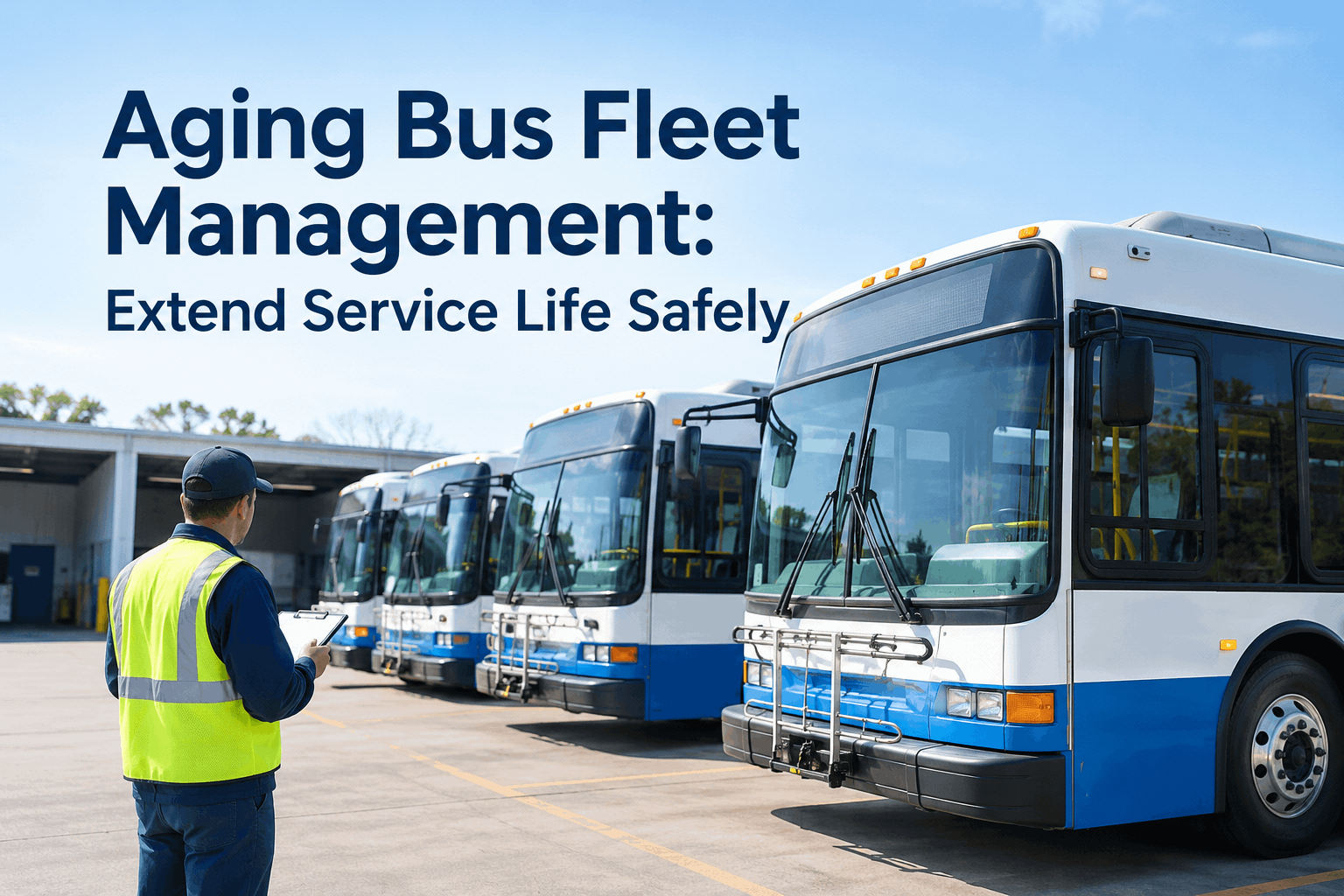
Every U.S. school district, transit agency, and charter operation will run a mixed-age fleet for the foreseeable future. Capital budgets do not allow full-fleet replacement cycles. The question is not whether you have old buses -- it is whether you know which old buses are worth keeping, which are approaching the cost cliff, and which are already past it. That question cannot be answered with paper DVIRs, spreadsheet guesses, or age-based calendar decisions.
BusCMMS was built to answer it. Per-vehicle cost tracking, age-stratified preventive maintenance, predictive defect alerts, digital inspection enforcement, and audit-ready documentation -- all converging on a single platform purpose-built for bus operations. The fleet managers who adopt Fleet Maintenance Software like BusCMMS do not just reduce maintenance costs. They gain the institutional knowledge and decision-making infrastructure that makes every capital request defensible, every audit routine, and every route day safer for the passengers on board.
The data your fleet generates every day is either working for you or going to waste. Start Free with BusCMMS and put that data to work. Or Book Demo and let us walk you through exactly what per-vehicle cost visibility looks like for a fleet like yours.