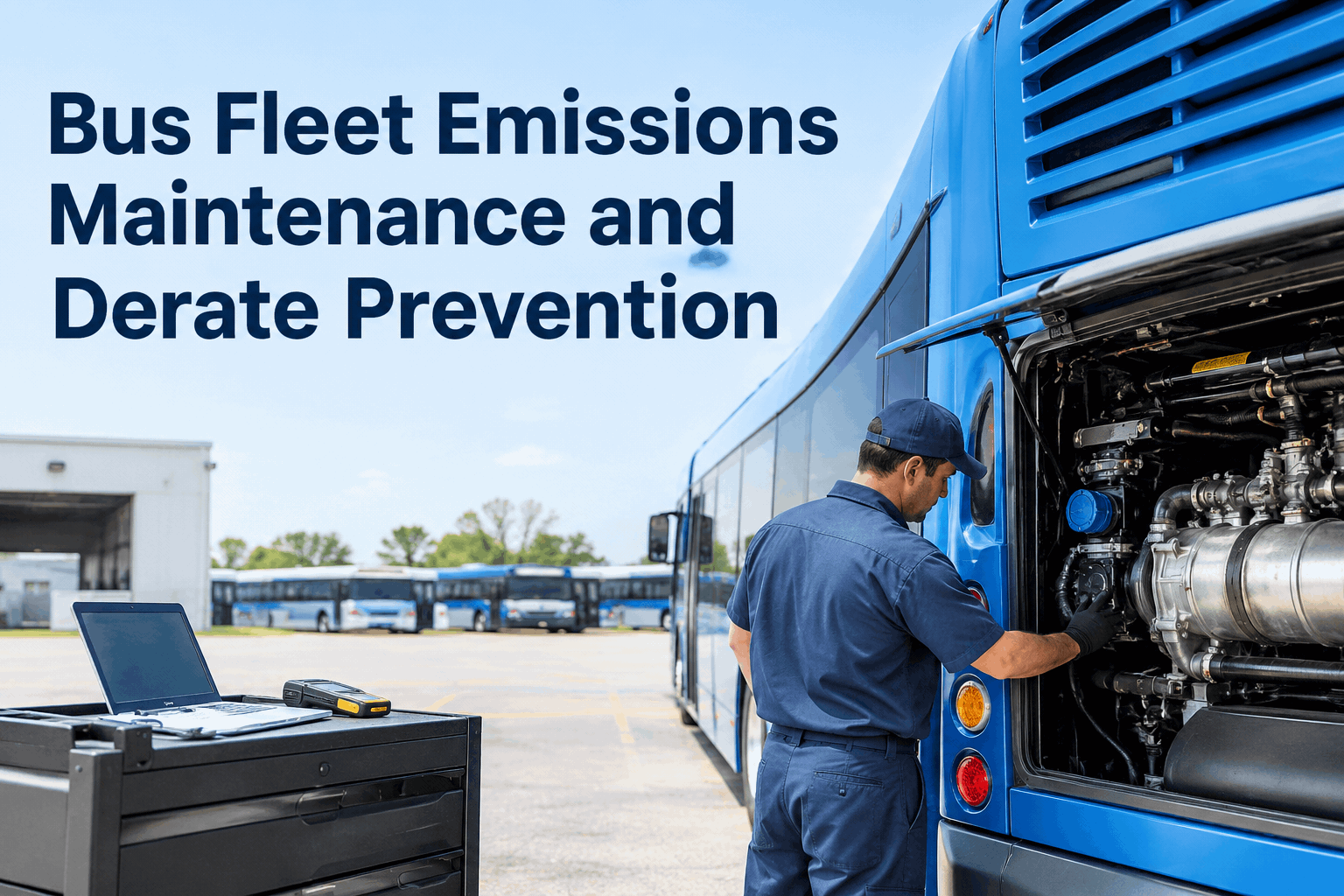
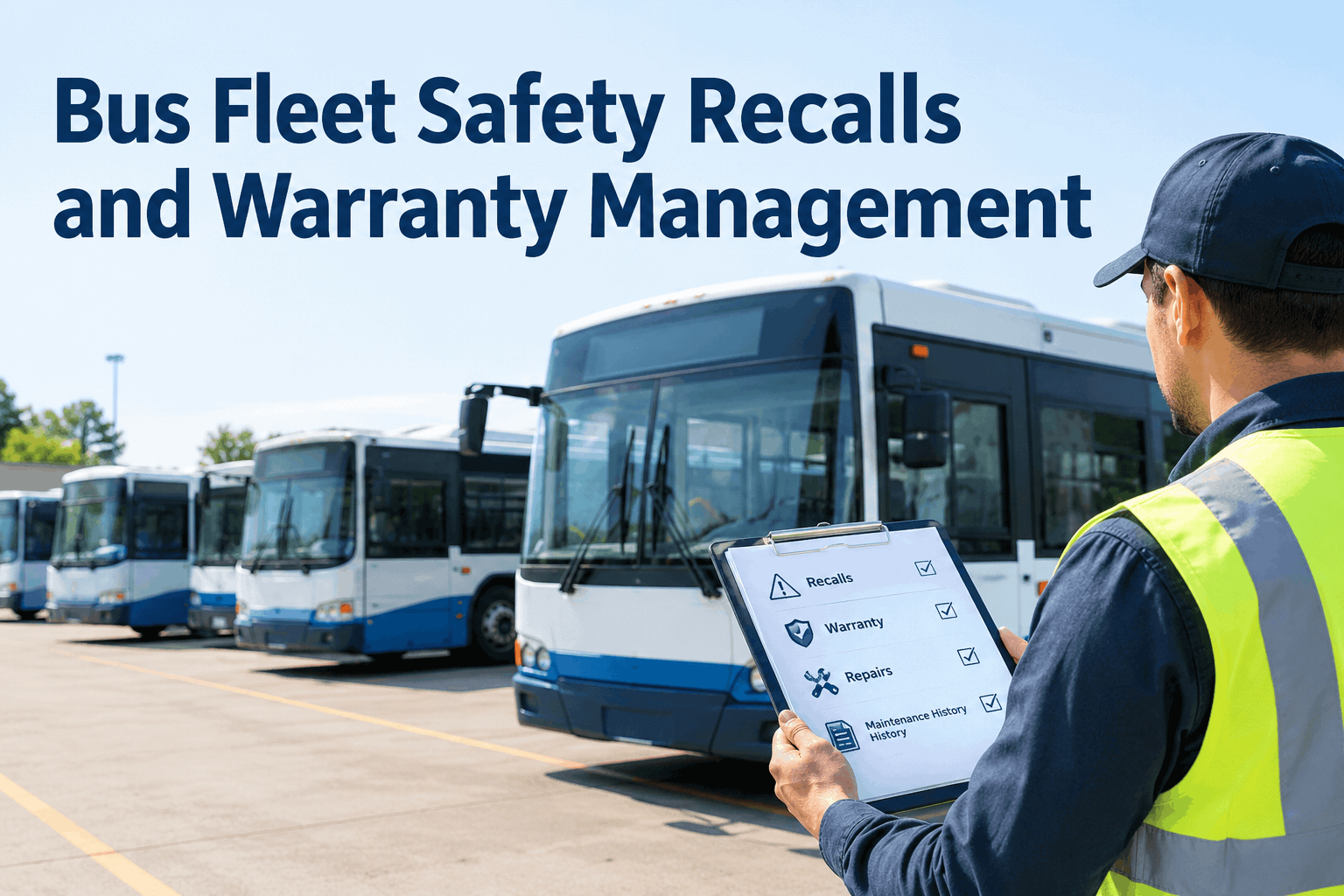
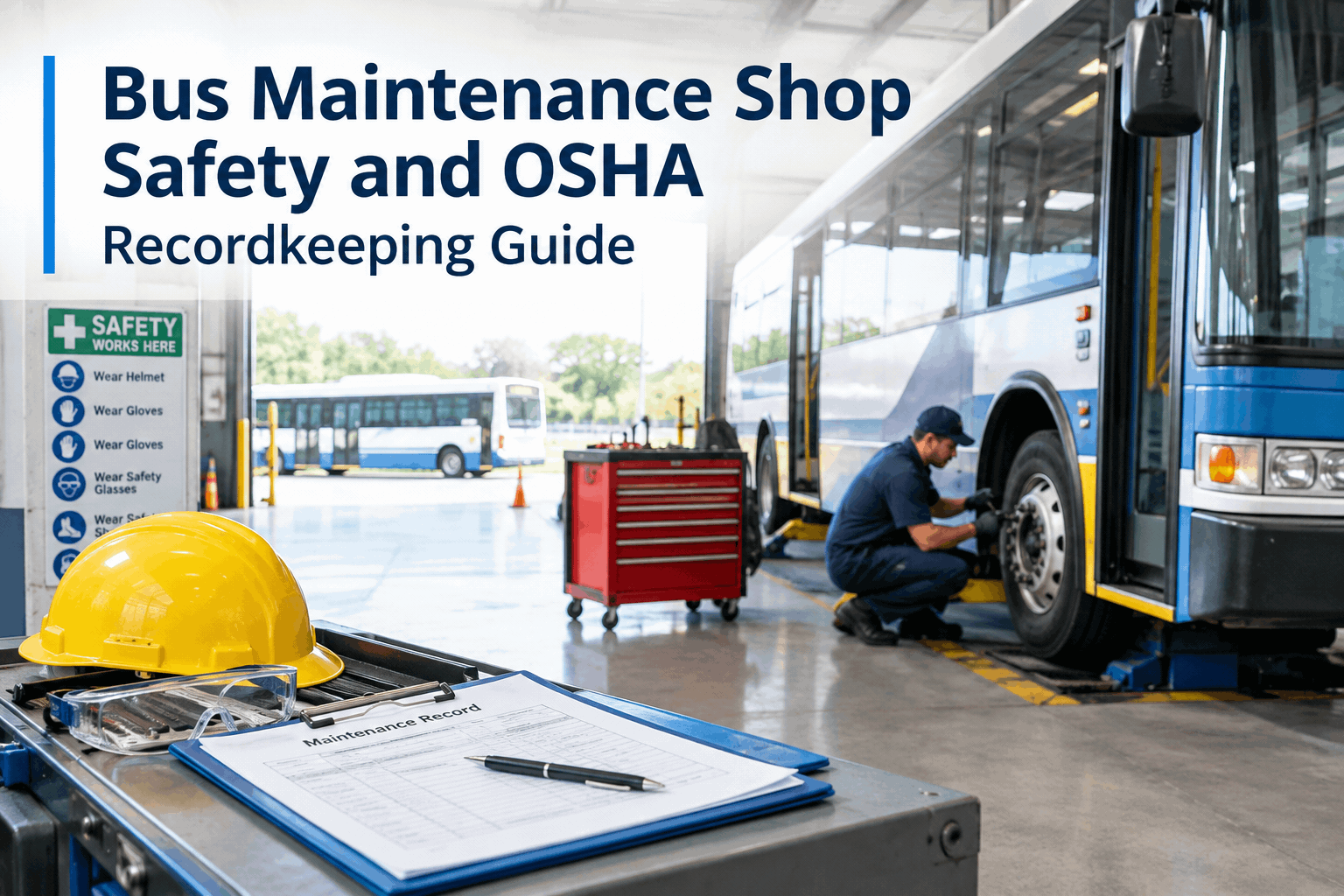
The American transit landscape is experiencing a profound transformation. With federal mandates pushing for cleaner transportation and billions in infrastructure funding flowing into electric and alternative fuel bus programs, fleet operators across the United States are grappling with an entirely new set of maintenance challenges. Traditional Computerized Maintenance Management Systems (CMMS) that served diesel fleets for decades are now struggling to keep pace with the sophisticated requirements of electric buses, hydrogen fuel cell vehicles and hybrid systems.
For US manufacturing professionals overseeing transit operations, this shift represents both an unprecedented opportunity and a complex operational challenge. The old playbook doesn't work anymore. Battery thermal management systems, regenerative braking components, high-voltage electrical systems, and fuel cell stacks require entirely different maintenance protocols, specialized training, and advanced diagnostic capabilities that legacy CMMS platforms simply weren't designed to handle.
Industry Reality Check: According to the Federal Transit Administration, over 5,000 electric buses are currently in operation across US transit agencies, with projections showing this number will exceed 50,000 by 2030. Yet, 78% of fleet operators report that their current maintenance management systems are inadequate for managing these advanced vehicle technologies.
Modernize Your EV Fleet Management Today
Join the leading transit agencies implementing next-generation CMMS technology for electric and alternative fuel bus fleets.
Getting Started Book a DemoThe Critical Gap in Traditional Fleet Management
Legacy CMMS platforms were built for a simpler era of fleet management. They excel at tracking oil changes, brake pad replacements, and engine diagnostics for internal combustion engines. However, they fall dramatically short when managing the intricate maintenance requirements of modern alternative fuel vehicles.
Electric buses present unique challenges that traditional systems cannot address effectively. Battery pack health monitoring requires real-time data analysis and predictive algorithms that can identify degradation patterns months before failure occurs. High-voltage system maintenance demands specialized safety protocols and certified technician tracking that goes far beyond basic work order management. Charging infrastructure integration requires seamless coordination between vehicle maintenance schedules and charging station availability.
Alternative fuel vehicles like compressed natural gas (CNG) and hydrogen fuel cell buses introduce their own complexity layers. CNG systems require pressure vessel inspections, leak detection protocols and specialized ventilation monitoring. Hydrogen fuel cell buses demand fuel cell stack performance tracking, hydrogen purity monitoring, and complex thermal management system oversight. These requirements create maintenance workflows that are fundamentally different from traditional diesel operations.
The result? Fleet operators are struggling with increased downtime, higher maintenance costs, and reduced operational efficiency precisely when they need to demonstrate the viability of their clean energy investments to stakeholders and funding agencies.
Revolutionary CMMS Features for Modern Fleet Operations
Next-generation CMMS platforms are specifically engineered to address the sophisticated maintenance requirements of EV and alternative fuel bus fleets. These advanced maintenance systems integrate specialized technologies and workflows that transform how US transit agencies manage their modern vehicle assets.
Intelligent Battery Management Systems
Advanced CMMS platforms now include comprehensive battery lifecycle management capabilities. These systems continuously monitor battery pack performance, track charging cycles, analyze temperature variations, and predict optimal replacement timing. Real-time battery health scoring helps maintenance teams identify potential issues before they impact vehicle availability, while automated alerts ensure that charging protocols are optimized for maximum battery longevity.
Integration with vehicle telematics provides detailed insights into energy consumption patterns, regenerative braking efficiency, and battery degradation trends. This data-driven approach enables predictive maintenance strategies that can extend battery life by 20-30% compared to reactive maintenance approaches.
Battery Life Extension
20-30% longer lifespan through optimized charging and maintenance protocols
Thermal Management
Real-time monitoring prevents thermal runaway and extends component life
Charging Optimization
Smart scheduling reduces energy costs by 15% through off-peak charging
Predictive Alerts
90% accuracy in predicting battery issues 30 days before failure
High-Voltage Safety Compliance
Safety is paramount when working with high-voltage electric vehicle systems. Modern CMMS safety modules include specialized compliance features that track technician certifications, manage lockout/tagout procedures, and ensure adherence to OSHA and NFPA 70E safety standards. Automated safety checklists guide technicians through complex high-voltage procedures, while digital documentation ensures complete compliance tracking for regulatory audits.
Work order systems are designed with built-in safety protocols that prevent unauthorized access to high-voltage components and ensure that only properly certified technicians can perform electrical system maintenance. This comprehensive approach significantly reduces workplace safety risks while maintaining operational efficiency.
Predictive Analytics and AI-Driven Insights
The integration of artificial intelligence and machine learning capabilities represents a quantum leap in fleet maintenance management. Next-gen CMMS platforms analyze vast amounts of operational data to identify patterns and predict potential failures before they occur. These systems can forecast component replacement needs, optimize maintenance schedules based on actual usage patterns, and identify operational inefficiencies that impact overall fleet performance.
Predictive analytics extend beyond individual vehicles to provide fleet-wide insights that help operators optimize their entire maintenance strategy. By analyzing historical maintenance data, operational patterns, and component performance across the fleet, these systems can recommend inventory optimization, technician training priorities, and capital expenditure planning.
Second CTA SectionMaximize Your Clean Energy Fleet Investment
Implement specialized CMMS technology designed for electric and alternative fuel buses to achieve 15-25% maintenance cost reduction.
Getting Started Book a DemoOperational Excellence Through Integration
Modern fleet operations require seamless integration between maintenance management, operational planning, and infrastructure management. Next-generation CMMS platforms excel in creating these integrated operational environments that optimize overall fleet performance.
Charging infrastructure integration ensures that maintenance schedules are coordinated with charging availability and energy cost optimization. The system can automatically schedule maintenance during off-peak charging hours, coordinate with utility demand response programs, and ensure that vehicle availability aligns with operational requirements.
Route optimization integration helps maintenance teams understand how specific routes impact vehicle component wear and energy consumption. This insight enables targeted maintenance strategies that account for the varying operational demands placed on different vehicles within the fleet.
Supply chain management integration streamlines parts procurement and inventory management for the specialized components required by EV and alternative fuel vehicles. Automated reorder points, supplier integration, and warranty tracking ensure that critical components are available when needed while minimizing carrying costs for expensive specialized parts.
Measuring Success: ROI and Performance Metrics
The implementation of next-generation CMMS technology delivers measurable improvements across multiple operational dimensions. Fleet operators typically see 15-25% reductions in maintenance costs within the first year of implementation, driven by improved maintenance scheduling efficiency and reduced emergency repairs.
Maintenance Cost Reduction
15-25% decrease in first year through predictive maintenance and optimized scheduling
Vehicle Availability
8-12% improvement through reduced unplanned downtime and better scheduling
Energy Efficiency
5-8% improvement via battery management and charging optimization
Safety Compliance
100% regulatory compliance with automated tracking and reporting
Technician Productivity
30% increase through mobile access and guided procedures
Parts Inventory Costs
20% reduction via predictive ordering and supplier integration
Energy efficiency improvements of 5-8% result from better battery management, optimized charging protocols, and improved vehicle system monitoring. For large transit agencies, these efficiency gains can translate to hundreds of thousands of dollars in annual energy cost savings.
Compliance and safety improvements provide additional value through reduced regulatory risk and improved workplace safety metrics. Automated compliance tracking and safety protocol management significantly reduce the administrative burden of regulatory compliance while improving overall safety performance.
Third CTA SectionReady to Transform Your Fleet Operations?
Discover how next-generation CMMS technology can revolutionize your EV and alternative fuel bus fleet management. Join hundreds of US transit agencies that have already made the transition to smarter, more efficient fleet operations.
Getting Started Book a DemoConclusion: The Future of Fleet Maintenance is Here
The transition to electric and alternative fuel bus fleets represents more than just a technology upgrade—it's a fundamental shift in how we approach public transportation maintenance and operations. Traditional CMMS platforms that served the industry well during the diesel era are simply inadequate for the sophisticated requirements of modern clean energy fleets.
Next-generation CMMS technology provides the comprehensive solution that US manufacturing professionals need to successfully manage this transition. From intelligent battery management and high-voltage safety compliance to predictive analytics and integrated operations management, these platforms deliver the capabilities required to optimize fleet performance, reduce operational costs, and ensure regulatory compliance.
The opportunity for early adopters is significant. While competitors struggle with inadequate legacy systems, forward-thinking fleet operators who implement next-generation CMMS solutions position themselves for operational excellence and competitive advantage. The question isn't whether to make this transition—it's whether to lead the transformation or follow behind.
For US transit agencies committed to clean energy transportation, the path forward is clear. Investing in next-generation CMMS technology isn't just about better maintenance management—it's about building the foundation for sustainable, efficient, and reliable public transportation that serves American communities for decades to come.
Frequently Asked Questions
Q: How is CMMS for electric buses different from traditional fleet management systems?
A: Electric bus CMMS includes specialized features like battery lifecycle management, high-voltage safety protocols, charging infrastructure integration, and thermal management monitoring. These systems also track unique metrics like state of charge, regenerative braking efficiency, and energy consumption patterns that don't exist in diesel fleet management.
Q: What ROI can transit agencies expect from implementing next-gen CMMS?
A: Transit agencies typically see 15-25% maintenance cost reduction in the first year, 8-12% improvement in vehicle availability, and 5-8% energy efficiency gains. Most agencies achieve full ROI within 12-18 months through reduced emergency repairs, optimized battery life, and improved operational efficiency.
Q: Can next-gen CMMS handle mixed fleets with diesel, electric, and alternative fuel vehicles?
A: Yes, modern CMMS platforms are designed to manage multi-fuel fleets from a single interface. They provide specialized workflows for each vehicle type while maintaining unified reporting, inventory management, and compliance tracking across the entire fleet.
Q: How does the system ensure high-voltage safety compliance?
A: The system tracks technician certifications, enforces lockout/tagout procedures, provides guided safety checklists, and restricts work order access based on qualification levels. It maintains complete documentation for OSHA and NFPA 70E compliance audits and automatically alerts when certifications need renewal.
Q: What training is required for staff to use next-generation CMMS effectively?
A: Most systems require 2-3 days of initial training for administrators and 4-6 hours for technicians. Modern platforms feature intuitive interfaces, guided workflows, and built-in help systems. Vendors typically provide ongoing support, webinars, and best practice resources to ensure successful adoption.