School districts across the United States are facing mounting pressure to optimize their transportation operations while ensuring student safety and managing tight budgets. With aging fleets, increasing fuel costs, and stringent safety regulations, traditional pen-and-paper maintenance tracking simply doesn't cut it anymore. Advanced school bus maintenance software is emerging as the game-changing solution that's revolutionizing how districts manage their fleets.
The stakes couldn't be higher. Every day, millions of students depend on school buses for safe transportation to and from school. When a bus breaks down unexpectedly, it doesn't just disrupt schedules—it can compromise student safety, strain budgets through emergency repairs, and create logistical nightmares for transportation coordinators. This is where modern maintenance software transforms operations from reactive firefighting to proactive fleet efficiency management.
Ready to Transform Your Fleet Operations?
See how advanced maintenance software can revolutionize your school bus operations
Getting StartedBook a Demo
The Hidden Costs of Outdated Maintenance Practices
Manufacturing professionals understand the critical importance of equipment maintenance, and school bus fleets are no different. However, many districts still rely on outdated systems that create significant operational inefficiencies. Consider the typical scenario: maintenance records scattered across filing cabinets, inspection schedules tracked on wall calendars, and parts inventory managed through guesswork.
These antiquated practices lead to substantial hidden costs. Unexpected breakdowns can cost districts anywhere from $500 to $3,000 per incident, including towing, emergency repairs, and route disruptions. More critically, missed preventive maintenance can reduce a bus's lifespan by 20-30%, representing tens of thousands of dollars in premature replacement costs per vehicle.
The ripple effects extend beyond financial impact. When buses break down, districts must scramble to find replacement vehicles, often delaying routes and creating anxiety for parents and students. Maintenance staff waste valuable time hunting for records, tracking down parts, and coordinating repairs that could have been prevented with proper scheduling.
Digital Transformation: From Reactive to Predictive Maintenance
Advanced maintenance software fundamentally transforms how districts approach fleet management by shifting from reactive to predictive maintenance strategies. Instead of waiting for components to fail, the software analyzes usage patterns, maintenance history, and manufacturer recommendations to predict when services are needed.
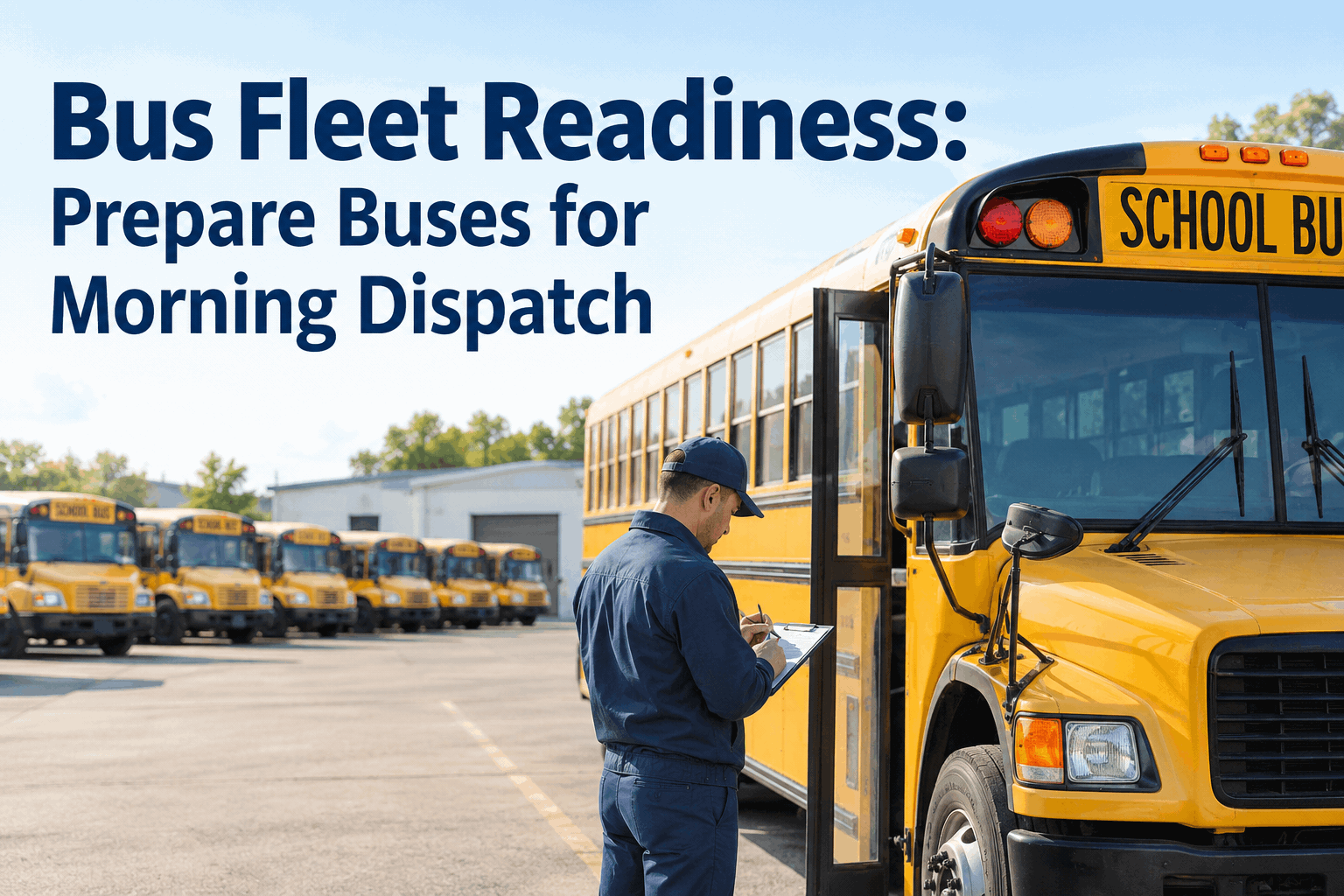
This operations revamp begins with comprehensive digital record-keeping. Every maintenance activity, from routine oil changes to major engine overhauls, is logged in a centralized database. The software tracks mileage, engine hours, and service intervals automatically, sending alerts when maintenance is due. This ensures no critical service is overlooked, regardless of staff changes or busy schedules.
The predictive capabilities extend to parts management as well. The system tracks parts usage patterns and automatically generates purchase orders when inventory drops below specified levels. This eliminates the frustration of starting a repair only to discover critical parts are out of stock, while also preventing excessive inventory carrying costs.
Real-Time Fleet Monitoring and Performance Analytics
Modern school bus maintenance software provides unprecedented visibility into fleet performance through real-time monitoring and comprehensive analytics. Transportation coordinators can access dashboard views showing the status of every vehicle, upcoming maintenance schedules, and performance metrics that drive decision-making.
The software tracks key performance indicators that matter most to district operations: vehicle uptime percentages, cost per mile, fuel efficiency trends, and maintenance cost analysis. These metrics help districts identify underperforming vehicles that may need replacement, optimize route assignments based on vehicle capabilities, and negotiate better service contracts with vendors.
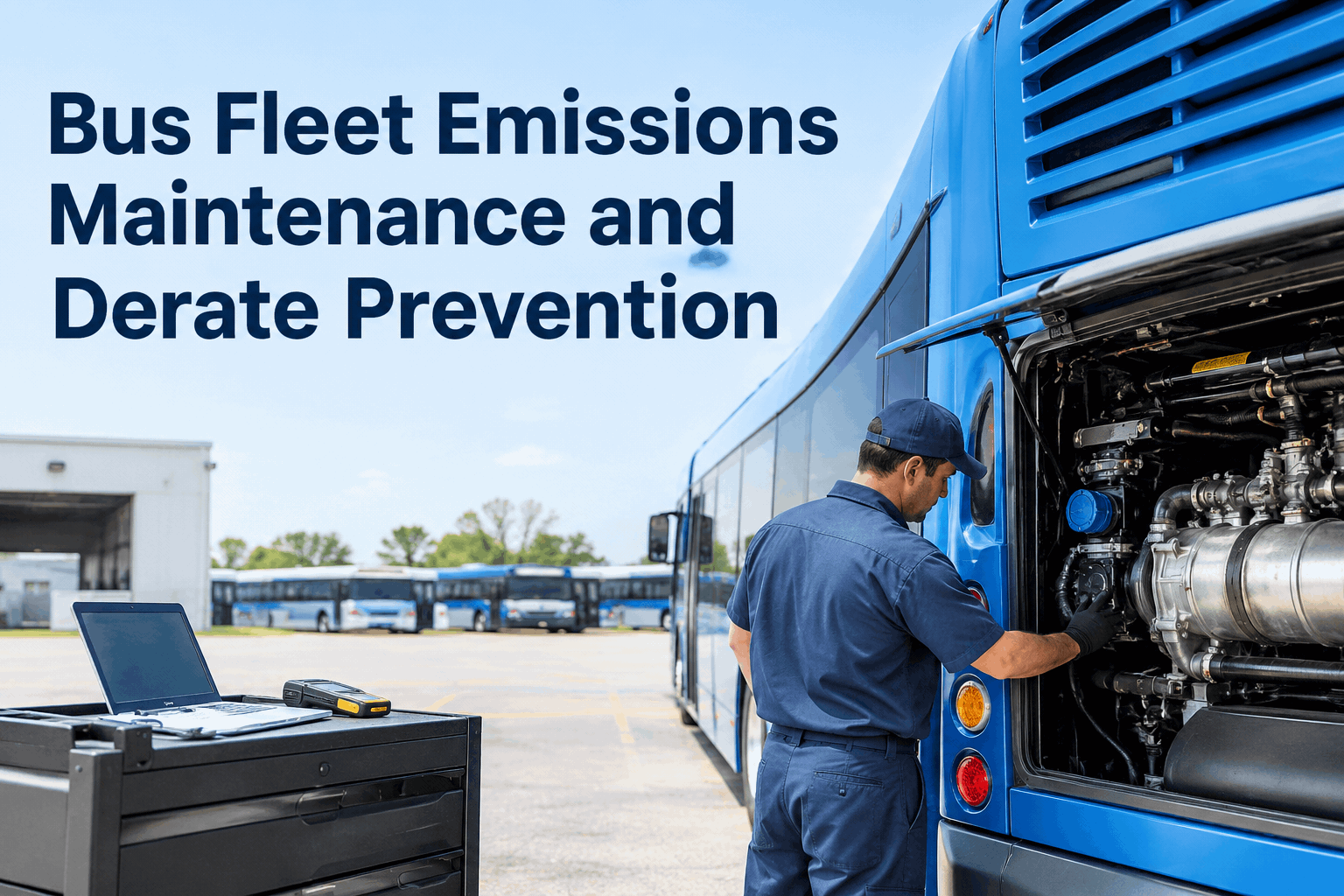
Integration with telematics systems takes monitoring to the next level. GPS tracking, engine diagnostics, and driver behavior monitoring feed directly into the maintenance platform, providing early warning signs of potential issues. For example, if a bus consistently operates at higher engine temperatures, the software can flag this for investigation before it leads to a costly breakdown.
Experience the Power of Predictive Maintenance
Join hundreds of school districts already saving money and improving safety with advanced maintenance software
Getting StartedBook a Demo
Compliance and Safety: Automated Documentation
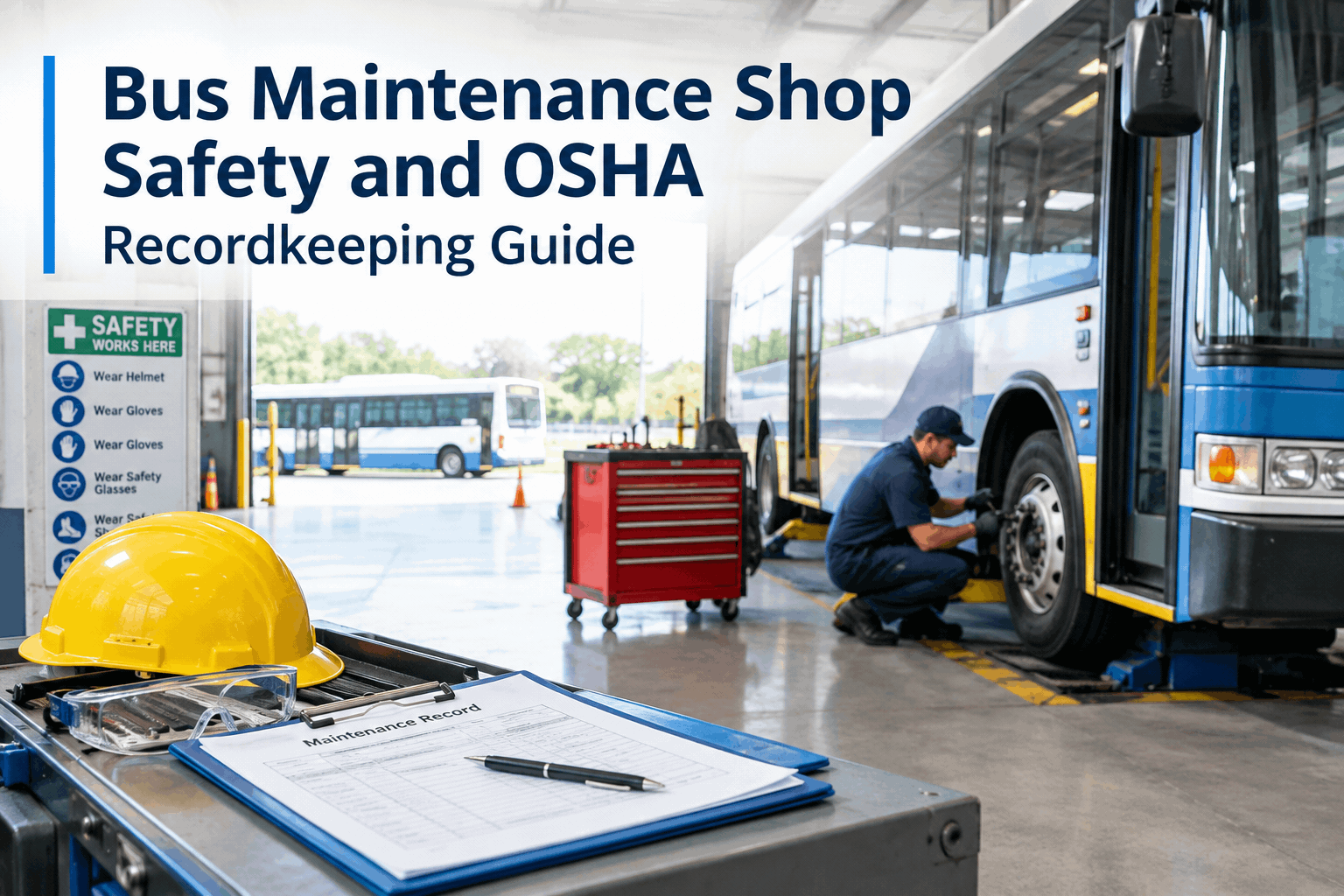
School bus operations are heavily regulated, with strict requirements for inspections, driver qualifications, and maintenance records. Advanced maintenance software automatically generates the documentation needed for state inspections, DOT compliance, and insurance requirements, eliminating the manual effort traditionally required for regulatory compliance.
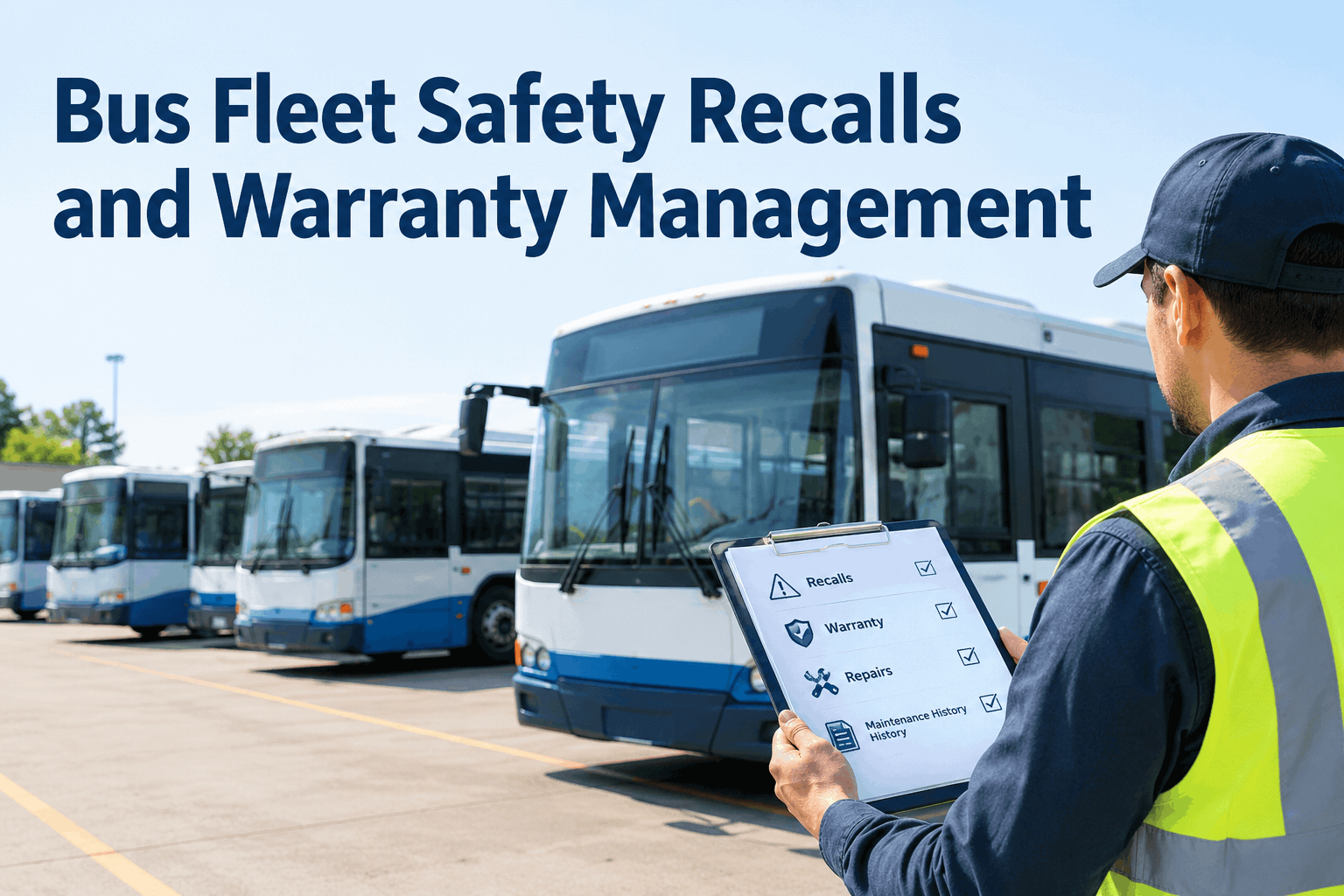
The software maintains detailed audit trails showing exactly when maintenance was performed, who completed the work, and what parts were used. This documentation is invaluable during inspections and can significantly reduce liability in the event of an incident. Digital records are also searchable and instantly accessible, unlike paper files that can be lost or damaged.
Safety improvements extend beyond documentation. By ensuring maintenance schedules are never missed, the software directly contributes to vehicle reliability and student safety. Preventive maintenance catches potential safety issues before they become problems on the road, from brake wear to tire condition to lighting systems.
Cost Savings and ROI: Quantifying the Benefits
The financial benefits of implementing advanced maintenance software are both immediate and long-term. Districts typically see a 15-25% reduction in overall maintenance costs within the first year of implementation. These savings come from multiple sources: reduced emergency repairs, optimized parts inventory, extended vehicle lifecycles, and improved fuel efficiency through better-maintained engines.
Labor efficiency gains are equally significant. Maintenance staff spend less time on administrative tasks and more time on actual repairs and preventive maintenance. The software's work order management capabilities streamline job assignments, track completion times, and identify productivity improvement opportunities.
Consider a mid-sized district with 100 buses. If advanced maintenance software prevents just two major breakdowns per month at $2,000 each, the annual savings would be $48,000—likely covering the software cost entirely. Add in the benefits of extended vehicle life, reduced fuel consumption, and improved staff productivity, and the ROI becomes compelling.
Implementation and Getting Started
Transitioning to advanced maintenance software doesn't have to be overwhelming. Leading solutions are designed for easy implementation with minimal disruption to daily operations. The process typically begins with data migration, where existing maintenance records are digitized and imported into the new system.
Training is crucial for success, but modern software platforms prioritize user-friendly interfaces that minimize the learning curve. Most systems offer comprehensive training programs, ongoing support, and gradual rollout options that allow districts to implement features progressively rather than all at once.
Cloud-based solutions offer particular advantages for school districts, eliminating the need for on-site IT infrastructure while ensuring data security and automatic software updates. Mobile capabilities allow maintenance staff to access information and update records from anywhere, whether they're in the shop or on the road.
Don't Wait - Start Your Fleet Transformation Today
Every day you wait is another day of unnecessary costs and missed opportunities. Take the first step toward optimized operations.
Getting StartedBook a Demo
Conclusion
The transformation of school bus operations through advanced maintenance software represents more than just technological upgrade—it's a fundamental shift toward smarter, more efficient fleet management. Districts that embrace this change position themselves for sustained success in an increasingly challenging operating environment.
The benefits extend far beyond cost savings. Improved student safety, reduced environmental impact through better-maintained vehicles, enhanced staff productivity, and streamlined compliance create value that compounds over time. As budgets tighten and expectations rise, districts cannot afford to maintain the status quo.
The question isn't whether to implement advanced maintenance software, but when and how quickly districts can realize these benefits. With proven solutions available and implementation support readily accessible, there's never been a better time to revamp your school bus operations for the future.
Frequently Asked Questions
Implementation typically takes 2-6 weeks depending on fleet size and data migration complexity. Most districts see immediate benefits once the system is operational, with full optimization achieved within 3-6 months as staff become proficient with all features.
Districts typically see 15-25% reduction in maintenance costs within the first year. This includes savings from prevented breakdowns, optimized parts inventory, extended vehicle life, and improved fuel efficiency. Most systems pay for themselves within 12-18 months.
Yes, modern maintenance software is designed to integrate with existing systems including GPS tracking, fuel management, routing software, and financial systems. APIs and data export/import capabilities ensure seamless data flow between platforms.
The software ensures no critical maintenance is missed through automated scheduling and alerts. This prevents safety-related failures, maintains proper brake and lighting systems, and provides complete documentation for inspections. Predictive maintenance catches issues before they become road hazards.
Modern maintenance software prioritizes ease of use with intuitive interfaces designed for field technicians. Most providers offer comprehensive training programs, and staff typically become proficient within 1-2 weeks. Mobile apps make data entry simple and accessible from anywhere in the facility.