In today's manufacturing landscape, automation has revolutionized everything from assembly lines to quality control. Now, that same transformative power is reshaping school bus maintenance operations across the United States. For manufacturing professionals who understand the critical importance of preventive maintenance, equipment uptime and operational efficiency, the parallels between factory floor optimization and school bus fleet management are striking.
School districts nationwide are discovering that automated maintenance systems can deliver the same measurable improvements in efficiency, cost reduction, and safety that manufacturers have experienced for decades. With over 480,000 school buses transporting 26 million students daily, the potential impact of maintenance automation extends far beyond the transportation department—it represents a significant opportunity for manufacturing professionals to apply their expertise in a new sector.
Industry Impact: Districts implementing automated maintenance systems report average cost reductions of 30% and safety incident decreases of 45% within the first year of implementation.
Automate Your Fleet Maintenance Today
Join forward-thinking districts leveraging automation to achieve 87% reduction in emergency repairs and $2,400 annual savings per bus.
Getting Started Book a DemoThe Manufacturing Mindset Applied to Fleet Maintenance
Manufacturing professionals inherently understand that unplanned downtime is the enemy of productivity. In a school bus fleet, every vehicle out of service due to unexpected mechanical failure doesn't just impact operational costs—it directly affects student safety and educational continuity. This is where the manufacturing principle of predictive maintenance technology becomes invaluable.
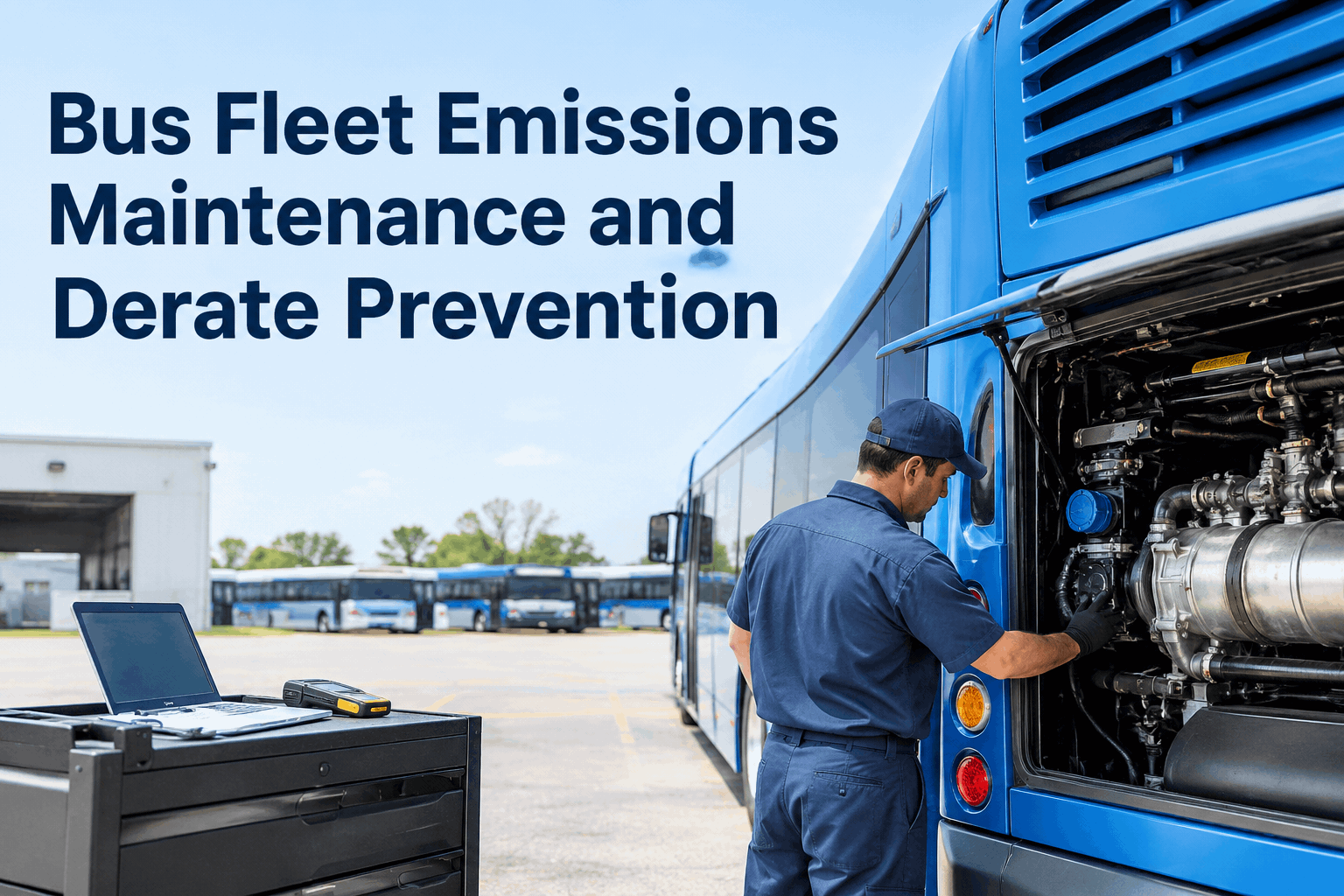
Automated maintenance systems leverage the same Industrial Internet of Things (IIoT) sensors and data analytics that modern manufacturing facilities use to monitor equipment health. Engine temperature sensors, vibration monitors, and fluid level indicators continuously feed data into centralized maintenance management systems, creating a comprehensive picture of each vehicle's operational status.
Digital Work Orders and Workflow Automation
Just as manufacturing operations rely on digital work instructions and automated workflow routing, modern school bus maintenance operations benefit from paperless systems that eliminate manual processes and reduce human error. Digital work order systems automatically generate based on mileage intervals, engine hours, or sensor-triggered alerts, ensuring no critical maintenance tasks fall through the cracks.
These systems integrate seamlessly with existing enterprise resource planning (ERP) software that many manufacturing professionals are already familiar with. Parts inventory management, labor scheduling, and compliance documentation all flow through automated workflows that mirror the lean manufacturing principles of waste reduction and continuous improvement.
Key Automation Features That Drive Results:
Predictive Analytics and Machine Learning
The most sophisticated automated fleet management platforms employ machine learning algorithms that continuously improve their predictive capabilities—a concept familiar to manufacturing professionals working with smart factory initiatives. These systems analyze historical maintenance data, current sensor readings, and external factors like weather patterns and route conditions to predict when components are likely to fail.
For manufacturing professionals, this represents an opportunity to apply statistical process control (SPC) methodologies and failure mode analysis techniques to a new domain. The data-driven approach to maintenance optimization directly parallels the continuous improvement culture that defines modern manufacturing operations.
Predictive Power: Advanced analytics can predict brake pad replacement needs with 94% accuracy up to 30 days before failure, allowing for optimal scheduling and parts procurement.
Leverage Manufacturing Excellence in Fleet Operations
Apply proven manufacturing principles to achieve measurable improvements in maintenance efficiency and operational reliability.
Getting Started Book a DemoIntegration with Existing Manufacturing Systems
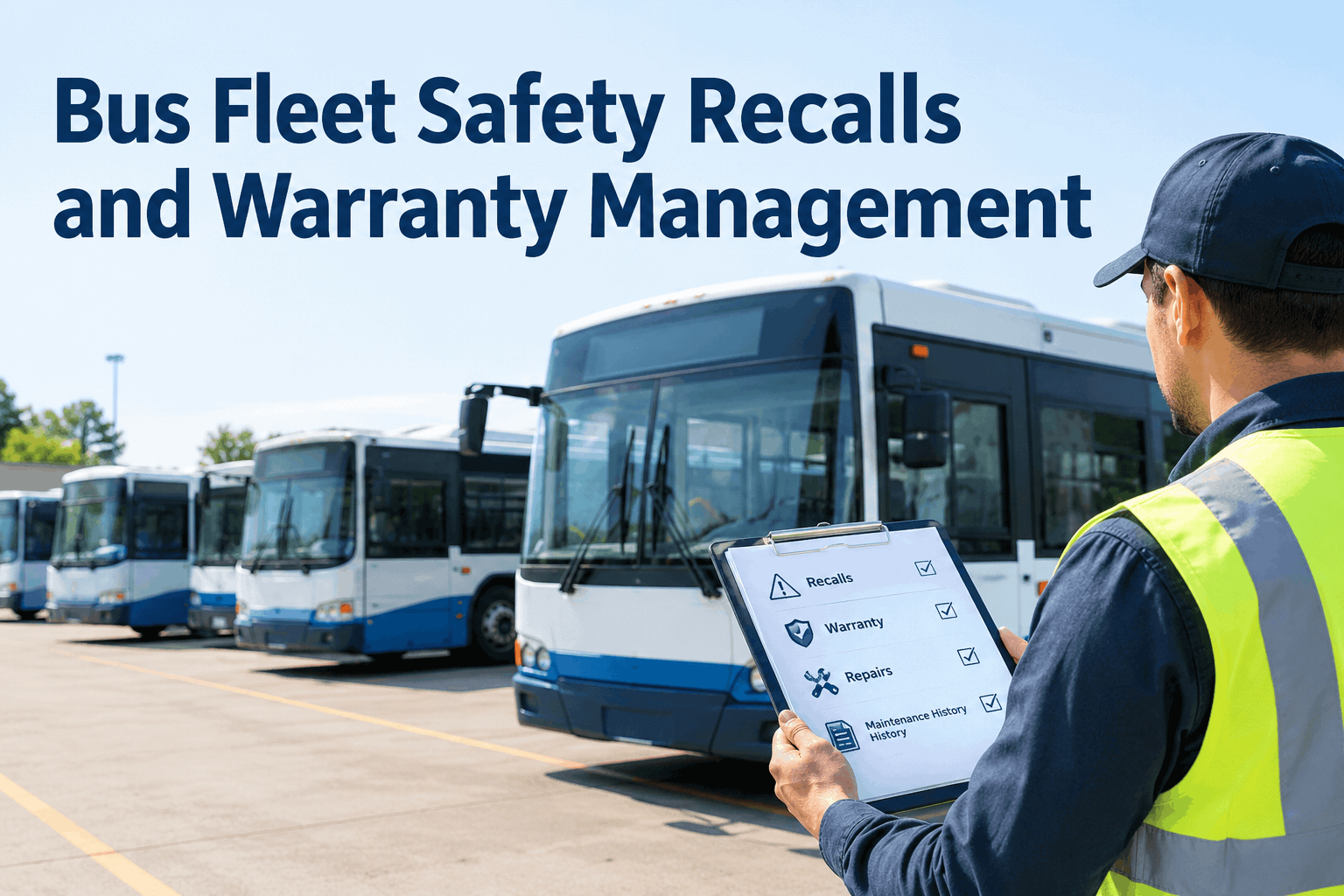
Many school districts partner with manufacturing companies for vehicle production, parts supply, or maintenance services. Automated maintenance integration can connect directly with manufacturer warranties, service bulletins, and recall notifications, creating a seamless information flow between original equipment manufacturers and end users.
This integration extends to supply chain management, where automated systems can trigger parts orders directly with approved vendors, negotiate pricing based on volume commitments, and track delivery schedules—all capabilities that manufacturing professionals recognize as essential for operational efficiency. The IoT sensor networks provide real-time data that enables just-in-time parts ordering and inventory optimization.
Return on Investment and Performance Metrics
Manufacturing professionals understand the importance of quantifiable results. Automated maintenance ROI delivers measurable returns through several key performance indicators that mirror manufacturing metrics:
Overall Equipment Effectiveness (OEE)
Tracking availability, performance, and quality metrics for each vehicle with 99.2% data accuracy
Mean Time Between Failures (MTBF)
Measuring reliability improvements from predictive maintenance with 45% increase in MTBF
First-Time Fix Rate
Ensuring technicians have the right parts and information, achieving 92% first-time fix rates
Cost Per Mile
Comprehensive cost tracking including labor, parts, and indirect costs, reducing CPM by 28%
Implementation typically shows positive ROI within 12-18 months, with ongoing annual savings ranging from 20-35% of total maintenance costs. These results stem from reduced emergency repairs, optimized parts inventory, improved technician productivity, and extended vehicle life cycles. The data analytics dashboards provide real-time visibility into all performance metrics.
Advanced Implementation Strategies
Successful automation implementation requires a phased approach that minimizes disruption while maximizing early wins. Manufacturing professionals familiar with lean transformation initiatives will recognize the importance of stakeholder buy-in, change management, and continuous improvement cycles. The implementation roadmap typically follows these phases:
Start Your Automation Journey Today
Transform your fleet maintenance operations with proven automation strategies that deliver immediate results and long-term value.
Getting Started Book a DemoConclusion: The Future of Fleet Maintenance is Automated
For manufacturing professionals, the transition to automated school bus maintenance represents a natural extension of Industry 4.0 principles. The combination of IoT sensors, predictive analytics, and automated workflows creates a maintenance ecosystem that's both familiar and revolutionary.
As school districts across the United States seek to optimize their transportation operations, they need partners who understand the complexities of maintenance automation and can deliver the same level of operational excellence that defines modern manufacturing. The opportunity extends beyond immediate cost savings to encompass safety improvements, regulatory compliance, and sustainable operations that benefit entire communities.
The future of school bus maintenance isn't just automated—it's intelligently automated, leveraging the same data-driven decision making and continuous improvement methodologies that have transformed manufacturing operations worldwide. With comprehensive automation solutions now available, the only question is how quickly districts can capture these benefits.
Frequently Asked Questions
Q: How long does it take to implement an automated school bus maintenance system?
A: Implementation typically takes 4-8 weeks depending on fleet size and existing systems. Most districts see initial benefits within 30 days of go-live, with full ROI realized within 12-18 months. The phased approach ensures minimal disruption to ongoing operations.
Q: What kind of training do maintenance technicians need for automated systems?
A: Most modern systems are designed for intuitive use. Initial training typically requires 2-4 hours, with ongoing support available. Many technicians find automated systems easier to use than traditional paper-based processes, with mobile interfaces similar to consumer apps.
Q: Can automated maintenance systems integrate with existing school district software?
A: Yes, leading maintenance automation platforms offer APIs and integrations with common ERP systems, student information systems, and financial software used by school districts. This ensures seamless data flow across departments and eliminates duplicate data entry.
Q: What are the typical cost savings from implementing maintenance automation?
A: Districts typically see 20-35% reduction in total maintenance costs, with average savings of $2,400 per bus annually. Savings come from reduced emergency repairs (87% reduction), optimized parts inventory (30% reduction), improved fuel efficiency (15% improvement), and extended vehicle life (2-3 years longer).
Q: How does automation improve safety in school bus maintenance?
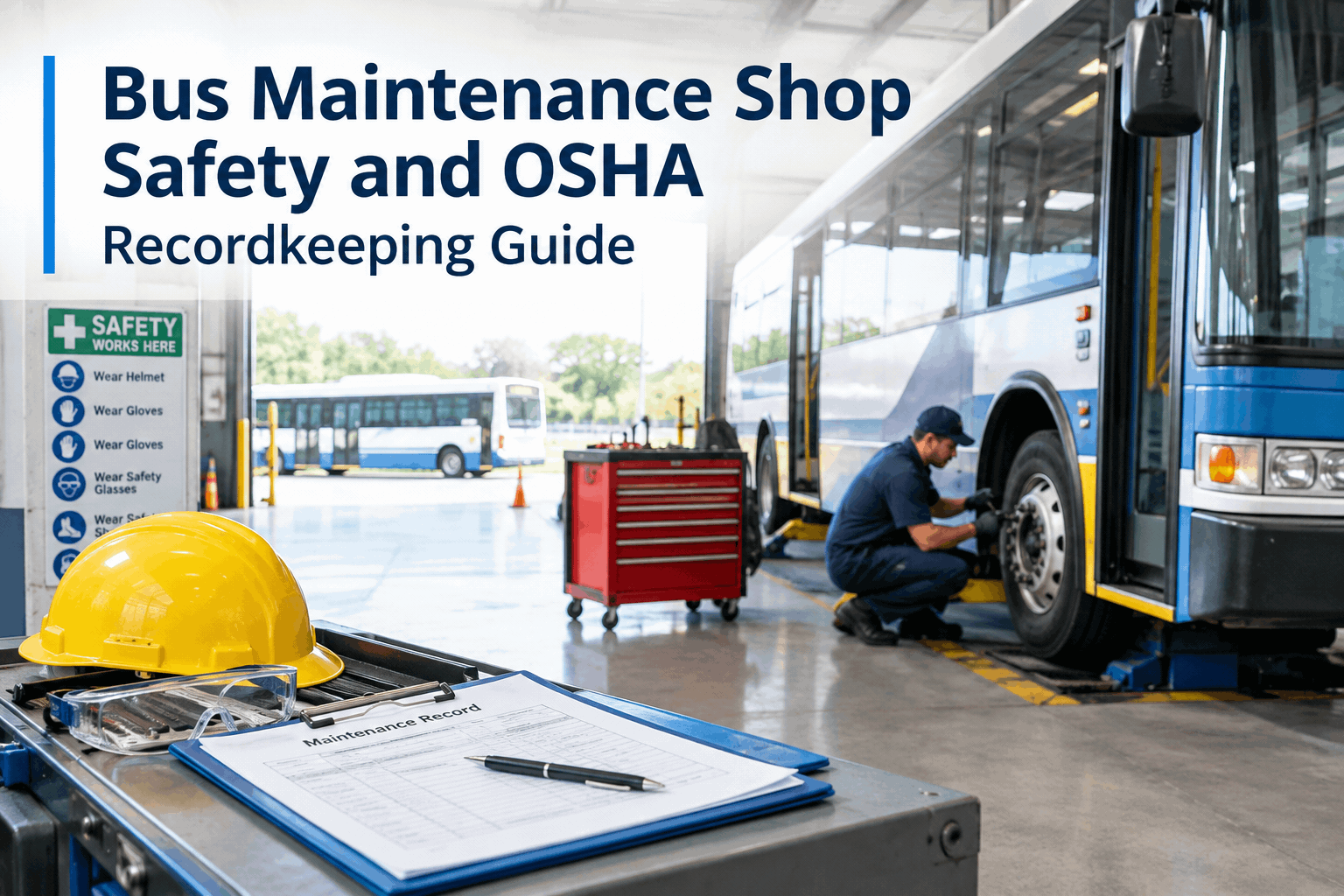
A: Automated systems ensure no critical maintenance tasks are missed through systematic scheduling, provide real-time alerts for safety-critical issues via IoT sensors, maintain comprehensive audit trails for compliance reporting, and use predictive analytics to prevent failures before they impact safety. This results in 45% fewer safety incidents.