In today's competitive transportation landscape, fleet managers face mounting pressure to optimize operations while maintaining the highest safety standards. The integration of telematics technology with Computerized Maintenance Management Systems (CMMS) has emerged as a game-changer for bus fleet operations across the United States. This powerful combination delivers real-time insights that transform how manufacturing and transportation professionals manage their vehicle assets.
Whether you're overseeing a municipal transit system, managing school bus fleets, or running private charter operations, understanding how telematics and CMMS work together can dramatically improve your operational efficiency and bottom line. Let's explore how this technology is reshaping the future of bus fleet management.
What Is Bus Telematics and Why It Matters
Bus telematics combines GPS technology, onboard diagnostics, and wireless communication to create a comprehensive vehicle monitoring system. This technology captures critical data points including location, speed, engine performance, fuel consumption and driver behavior in real-time. For manufacturing professionals transitioning into fleet management, think of telematics as the IoT (Internet of Things) for your mobile assets.
The real power emerges when this continuous stream of data feeds directly into your CMMS platform. Instead of reactive maintenance based on breakdowns or rigid schedules, you gain predictive capabilities that keep buses running efficiently while minimizing unexpected downtime. This proactive approach can reduce maintenance costs by up to 30% while extending vehicle lifespan significantly.
Ready to Transform Your Fleet Management?
See how our integrated telematics and CMMS solution can optimize your bus operations
Getting Started Book a DemoKey Benefits of Telematics-CMMS Integration
1. Predictive Maintenance Excellence
By monitoring engine hours, mileage, and diagnostic trouble codes in real-time, your CMMS can automatically generate work orders before minor issues become major repairs. This predictive approach means replacing a $50 sensor before it causes a $5,000 engine failure. Manufacturing professionals will recognize this as applying Six Sigma principles to fleet maintenance.
2. Fuel Economy Optimization
Telematics data reveals patterns in idling time, aggressive acceleration, and route efficiency. When integrated with CMMS, you can track fuel costs per vehicle and identify which buses need tune-ups or driver coaching. Fleet managers typically see 10-15% fuel savings within the first year of implementation.
3. Enhanced Safety and Compliance
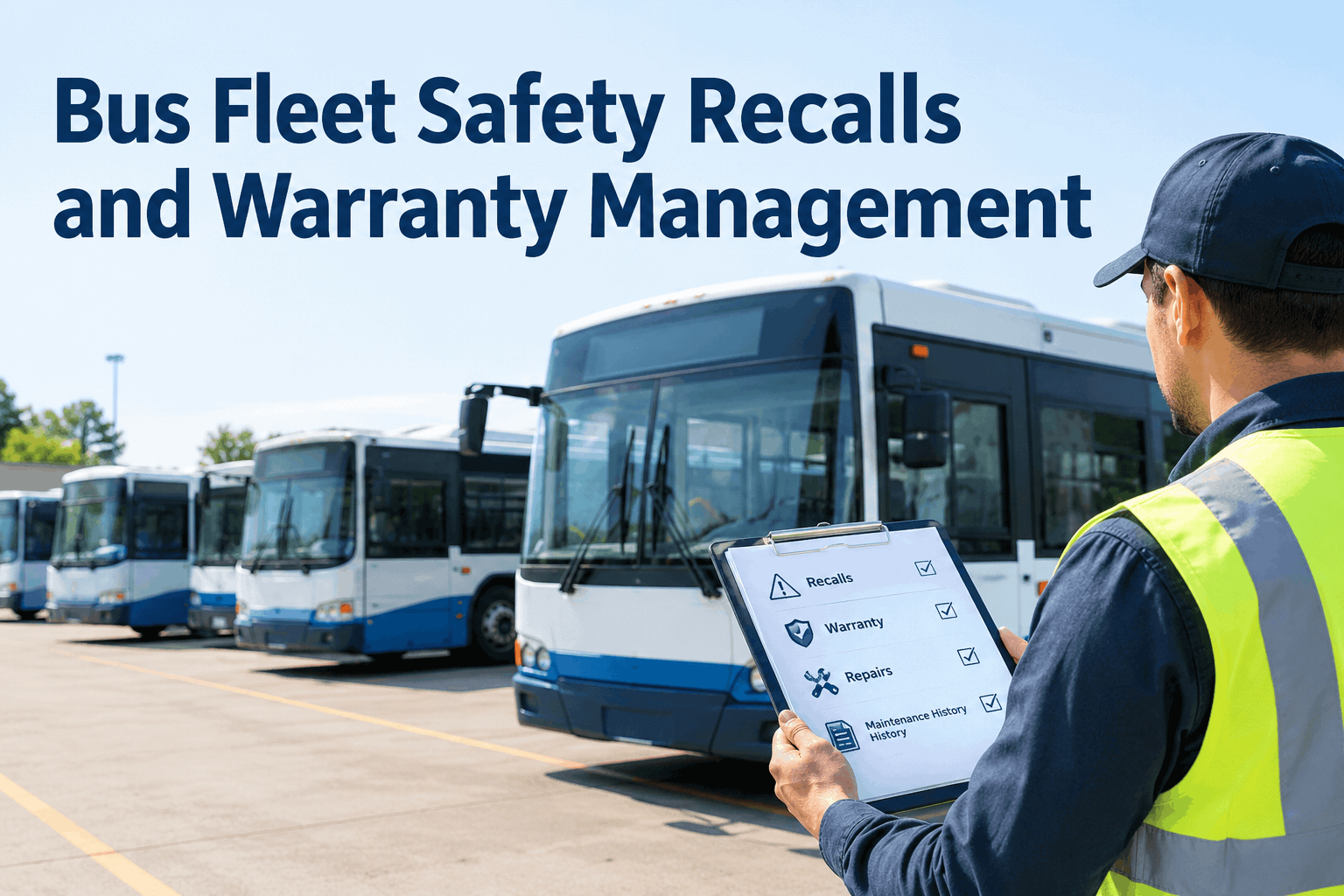
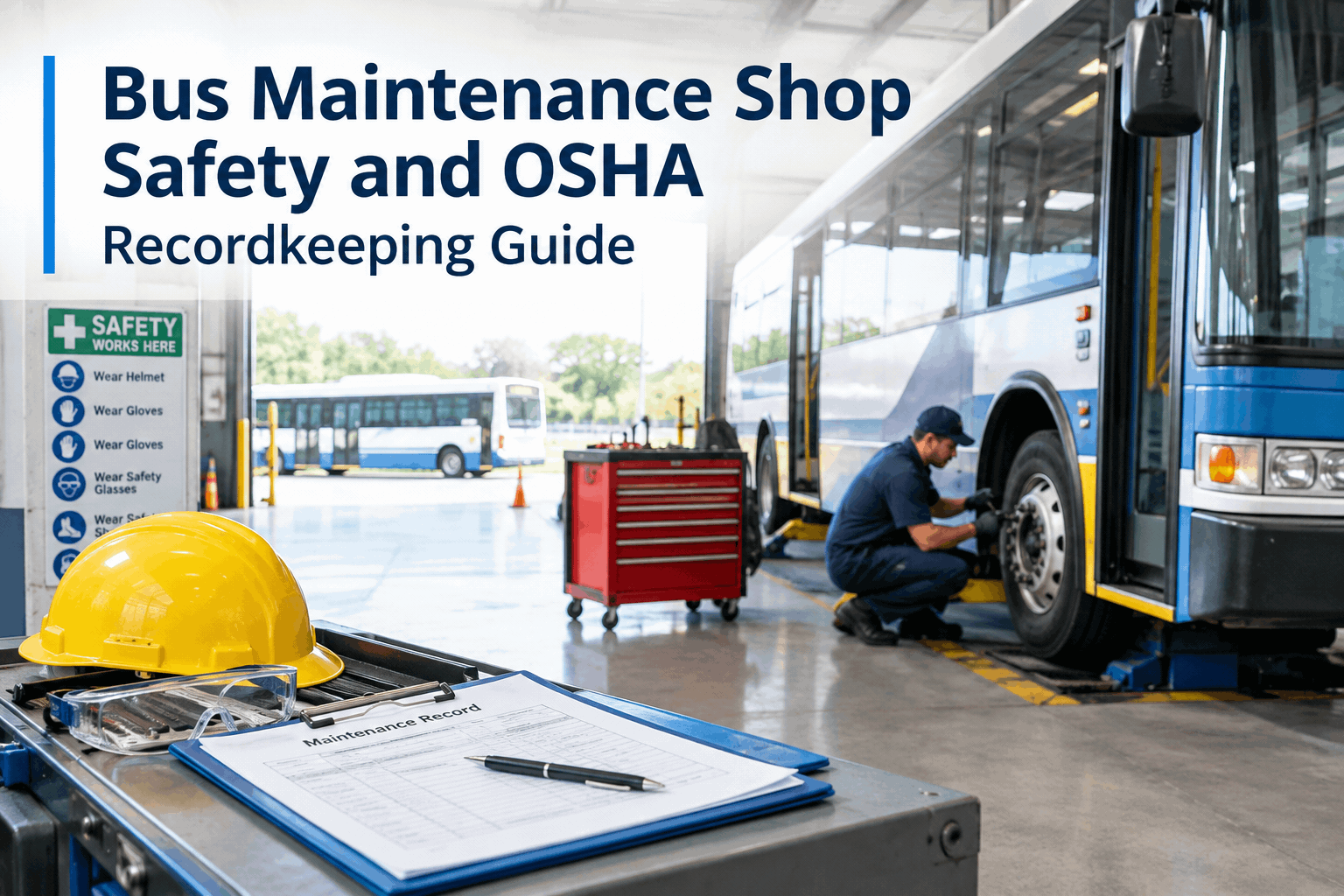
Real-time monitoring ensures drivers follow safe practices while automated reporting simplifies DOT compliance. Your CMMS maintains comprehensive records of all inspections, repairs, and preventive maintenance, creating an audit trail that satisfies regulatory requirements and protects against liability.
Essential Monitoring Capabilities for Modern Bus Fleets
Today's telematics systems offer sophisticated monitoring features that go beyond basic GPS tracking:
- Engine Diagnostics: Monitor oil pressure, coolant temperature, and emissions systems to prevent catastrophic failures
- Driver Behavior Scoring: Track harsh braking, rapid acceleration, and cornering to improve safety and reduce wear
- Passenger Counting: Automatic passenger counters help optimize routes and demonstrate ridership for funding applications
- Video Integration: Connect camera systems to provide context for incidents and improve driver training
- Electric Vehicle Monitoring: For electric bus fleets, track battery health, charging patterns, and energy consumption
Implementing Telematics-CMMS Integration: Best Practices
Successfully deploying an integrated telematics and CMMS solution requires careful planning and execution. Start by establishing clear objectives—whether that's reducing maintenance costs, improving on-time performance, or enhancing safety metrics. Define measurable KPIs that align with your organizational goals.
Next, ensure your team receives comprehensive training. While modern platforms are increasingly user-friendly, maximizing ROI requires that dispatchers, mechanics, and managers understand how to leverage the system's full capabilities. Consider appointing a champion within your organization who can drive adoption and serve as the primary liaison with your technology provider.
Data quality is paramount. Work with your vendor to establish proper installation procedures and conduct regular audits to ensure sensors and communication devices function correctly. Remember, your CMMS is only as good as the data it receives from telematics systems.
Take the First Step Toward Smarter Fleet Management
Join leading transportation companies already benefiting from integrated telematics and CMMS
Getting Started Book a DemoConclusion: The Future of Bus Fleet Management
The integration of telematics with CMMS represents more than just a technological upgrade—it's a fundamental shift in how we approach bus fleet management. For manufacturing professionals accustomed to data-driven decision-making, this combination offers familiar territory with powerful new applications.
As we look ahead, artificial intelligence and machine learning will further enhance these systems, offering even more sophisticated predictive capabilities and optimization opportunities. Organizations that embrace this technology today position themselves for success in an increasingly competitive and regulated transportation environment.
The question isn't whether to adopt telematics-CMMS integration, but how quickly you can implement it to start realizing benefits. With proper planning, the right technology partner, and commitment to data-driven management, your bus fleet can achieve new levels of efficiency, safety, and profitability.