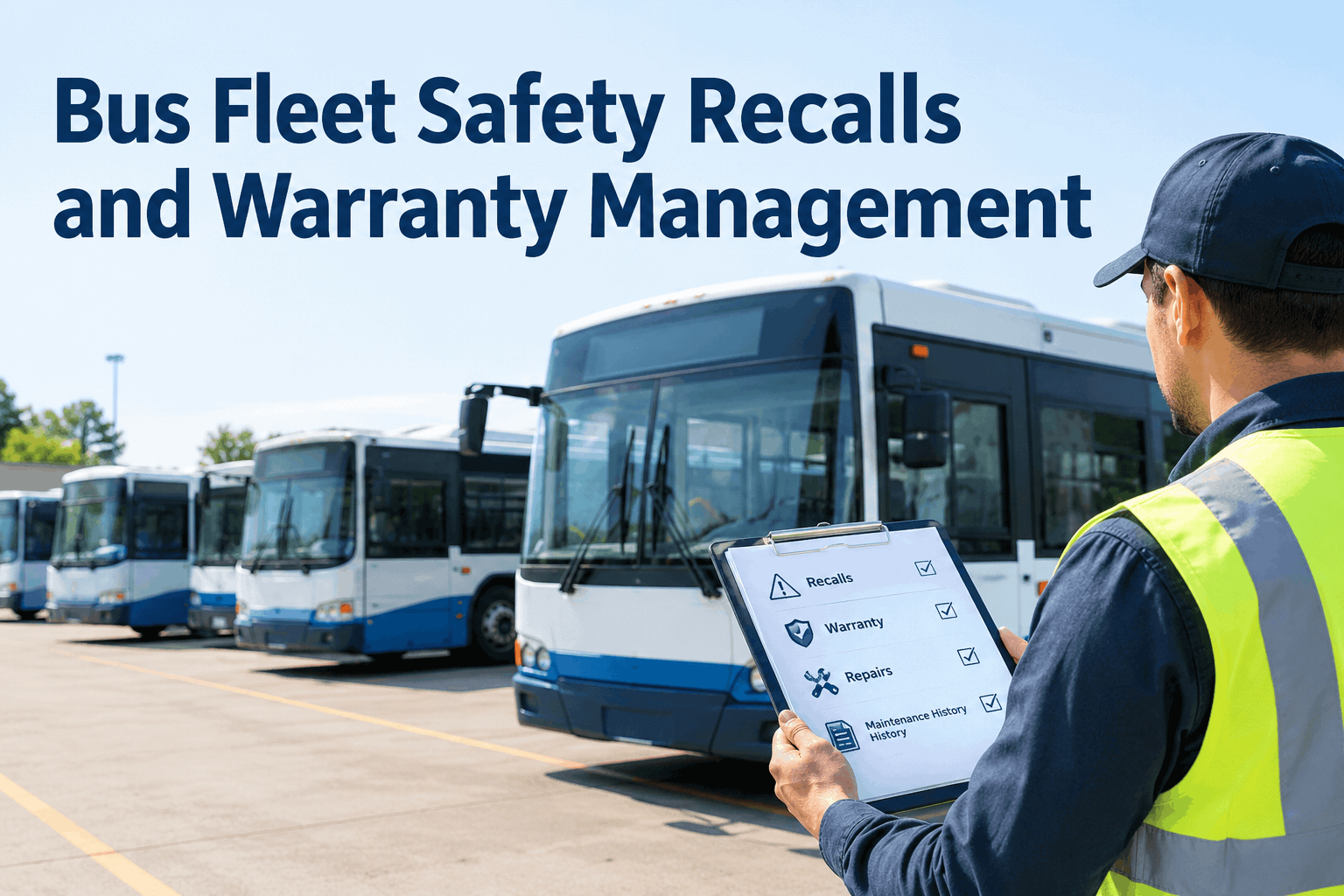
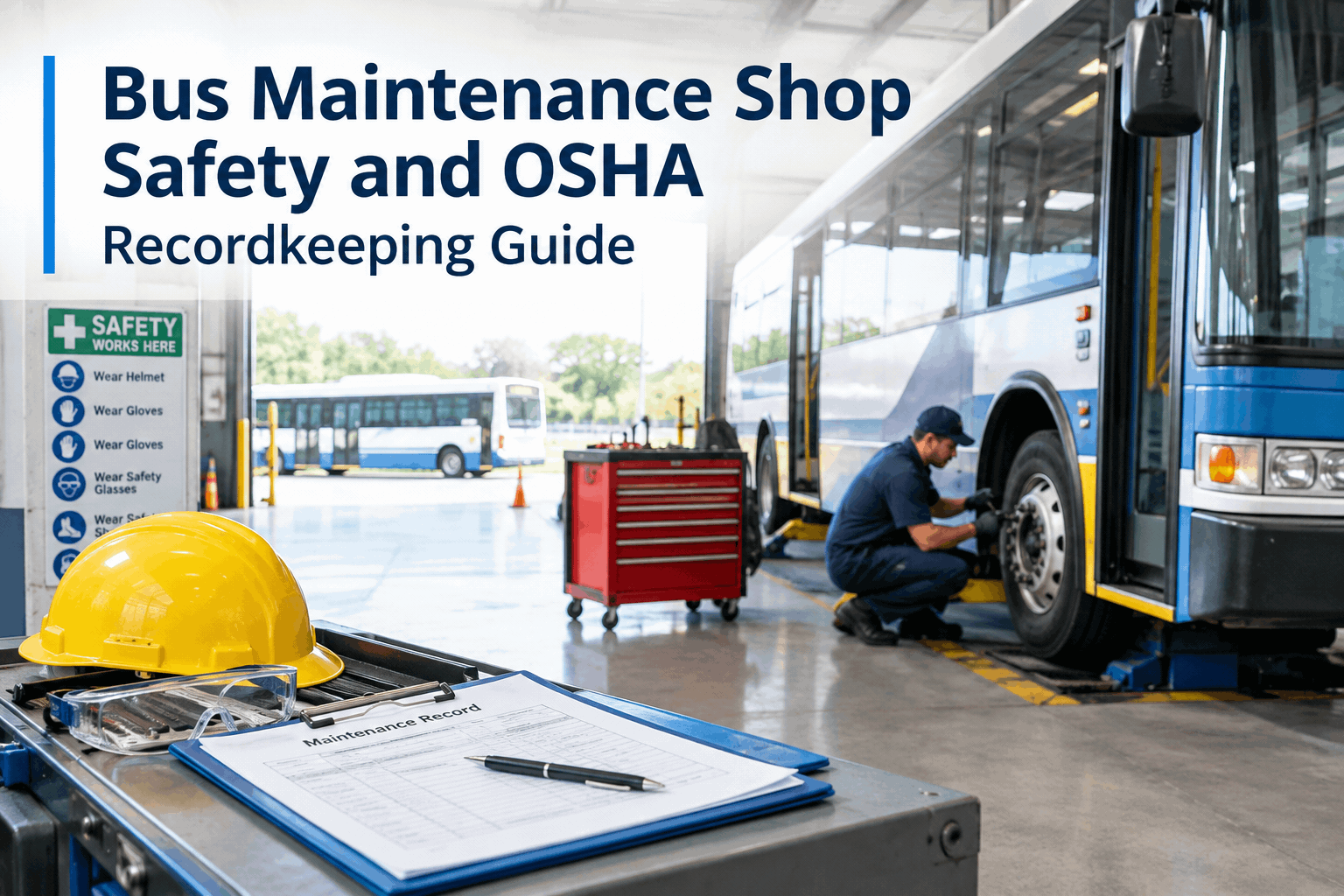
Managing a bus fleet in today's manufacturing landscape requires more than just keeping vehicles running. With rising operational costs, stringent compliance requirements, and the constant pressure to maximize vehicle uptime, manufacturing professionals need sophisticated solutions to stay competitive. This is where CMMS tools (Computerized Maintenance Management Systems) become game-changers for bus fleet maintenance and operations-leadership.
Did you know? Companies using CMMS tools report up to 28% reduction in maintenance costs and 20% improvement in equipment uptime. For bus fleets, this translates to significant operational savings and enhanced productivity.
Whether you're managing employee shuttles, logistics vehicles, or transportation fleets for your manufacturing operations, implementing the right fleet software can revolutionize your maintenance approach. This comprehensive guide will walk you through everything you need to know about leveraging CMMS tools for optimal fleet efficiency.
Ready to Transform Your Fleet Management?
See how CMMS tools can optimize your bus fleet operations with real-time insights and predictive maintenance.
Getting StartedBook a Demo
Understanding CMMS Tools for Bus Fleet Management
A CMMS (Computerized Maintenance Management System) is a software solution designed to streamline maintenance scheduling, track vehicle performance and optimize fleet operations. For manufacturing professionals managing bus fleets, CMMS tools provide centralized control over maintenance activities, inventory management, and compliance tracking.
Modern maintenance software goes beyond traditional scheduling. Today's systems integrate with telematics integration and diagnostic systems to provide real-time insights into vehicle health, driver behavior, and operational efficiency. This integration enables predictive analytics that can prevent costly breakdowns before they occur.
Key Components of Effective Fleet CMMS
Effective CMMS tools for bus fleet management typically include:
- Automated Maintenance Scheduling: Prevents missed services and reduces emergency repairs
- Real-time Vehicle Monitoring: Tracks performance metrics and identifies potential issues
- Inventory Management: Ensures parts availability and optimizes stock levels
- Compliance Tracking: Maintains regulatory requirements and safety standards
- Reporting and Analytics: Provides actionable insights for continuous improvement
The Benefits of Implementing Fleet Automation
Fleet automation through CMMS tools delivers measurable benefits that directly impact your bottom line. Manufacturing operations rely heavily on efficient transportation, whether for employee shuttles, parts delivery, or logistics coordination. When your bus fleet operates smoothly, your entire operation benefits.
Operational Efficiency Gains
CMMS implementation typically results in 15-25% improvement in operational efficiency. This improvement comes from several factors:
- Reduced Downtime: Predictive maintenance prevents unexpected breakdowns
- Optimized Routes: Route optimization reduces fuel consumption and travel time
- Better Resource Allocation: Data-driven decisions improve workforce and asset utilization
- Enhanced Safety: Regular maintenance and monitoring improve vehicle safety records
Cost Savings and ROI
The financial benefits of CMMS implementation are substantial. Manufacturing professionals typically see:
- 20-30% reduction in maintenance costs through preventive scheduling
- 15% improvement in fuel efficiency through better vehicle management
- 25% reduction in parts inventory costs through optimized stock management
- Significant reduction in compliance-related fines and penalties
Calculate Your Potential Savings
Discover how much your organization could save with automated fleet management.
Book a DemoStart Free Trial
Predictive Analytics and Fleet Insights
Predictive analytics represents the future of fleet management. By analyzing historical data, vehicle performance metrics, and operational patterns, CMMS tools can predict when maintenance will be needed, which routes are most efficient, and how to optimize overall fleet efficiency.
Data-Driven Decision Making
Modern CMMS platforms collect and analyze vast amounts of data to provide actionable fleet insights:
- Vehicle Health Monitoring: Real-time diagnostics identify potential issues before they become problems
- Performance Trending: Long-term data analysis reveals patterns and optimization opportunities
- Driver Behavior Analysis: Monitoring driving patterns improves safety and reduces wear and tear
- Fuel Consumption Optimization: Detailed fuel analysis identifies inefficiencies and cost-saving opportunities
Integration with Manufacturing Operations
For manufacturing professionals, fleet management isn't isolated from other operations. CMMS tools integrate with existing manufacturing systems to provide holistic operational visibility. This integration enables better planning for production schedules, shift changes, and material deliveries.
Compliance Tracking and Safety Management
Compliance tracking is critical for manufacturing operations, where safety regulations are stringent and violations can be costly. CMMS tools automate compliance monitoring, ensuring your fleet meets all regulatory requirements while maintaining detailed records for audits and inspections.
Regulatory Compliance Automation
Automated compliance tracking includes:
- DOT Compliance: Automatic tracking of inspection schedules and requirements
- Safety Certifications: Monitoring driver certifications and training requirements
- Environmental Regulations: Tracking emissions and environmental compliance
- Insurance Requirements: Maintaining current coverage and documentation
Safety Performance Monitoring
CMMS tools provide comprehensive safety monitoring that goes beyond compliance. Real-time monitoring of vehicle systems, driver behavior, and maintenance status creates a proactive safety culture that protects both employees and company assets.
Implementation Best Practices for Manufacturing Professionals
Successful CMMS implementation requires careful planning and execution. Manufacturing professionals should approach fleet management system implementation systematically to ensure maximum benefit and minimal disruption to operations.
Assessment and Planning Phase
Before implementing any maintenance software, conduct a thorough assessment of your current operations:
- Fleet Inventory: Document all vehicles, their current condition, and maintenance history
- Process Mapping: Identify current maintenance processes and pain points
- Stakeholder Requirements: Gather input from maintenance teams, drivers, and management
- Integration Needs: Assess how the CMMS will integrate with existing systems
System Selection and Deployment
Choose a CMMS that specifically addresses the needs of manufacturing operations. Look for systems that offer:
- Scalability to grow with your fleet
- Integration capabilities with existing manufacturing systems
- User-friendly interfaces for maintenance technicians and managers
- Robust reporting and analytics capabilities
- Mobile accessibility for field operations
Expert Implementation Support
Get personalized guidance for implementing CMMS tools in your manufacturing operation.
Getting StartedBook a Demo
Conclusion: Transforming Your Fleet Operations
Implementing CMMS tools for bus fleet management represents a strategic investment in operational efficiency, cost reduction, and safety improvement. For manufacturing professionals, the benefits extend beyond the fleet itself, impacting overall operational performance and competitiveness.
The key to successful implementation lies in choosing the right system, planning carefully, and focusing on continuous improvement. With predictive analytics, automated maintenance scheduling, and comprehensive compliance tracking, modern CMMS tools provide the foundation for world-class fleet operations.
As manufacturing operations become increasingly complex and competitive, those who leverage advanced fleet software and fleet automation will gain significant advantages in efficiency, cost control, and operational reliability. The investment in CMMS tools pays dividends through reduced downtime, lower maintenance costs, and improved safety performance.
Start Your Fleet Transformation Today
Join thousands of manufacturing professionals who have transformed their fleet operations with advanced CMMS tools.
Getting StartedBook a Demo