A bus's wheelchair lift is a critical accessibility feature. When it fails, passengers with mobility disabilities cannot board. The bus must be taken out of service or a substitution deployed. This creates missed routes, angry passengers, and potential ADA violations. Yet wheelchair lifts are often neglected maintenance items — checked reactively when they fail rather than proactively tested. A systematic cycle-testing program prevents 80–90% of lift failures. This guide explains how wheelchair lift systems work, the most common failure modes, how to set up a routine cycle-testing schedule, how to diagnose problems early, and how maintenance documentation protects you from ADA liability if a lift-related incident occurs.
Accessibility Critical
Wheelchair Lift Cycle Testing & Failure Prevention for Buses
A failed lift strands passengers with disabilities. Learn cycle-testing routines and preventive maintenance that keep bus lifts reliable.
Wheelchair Lift System Basics
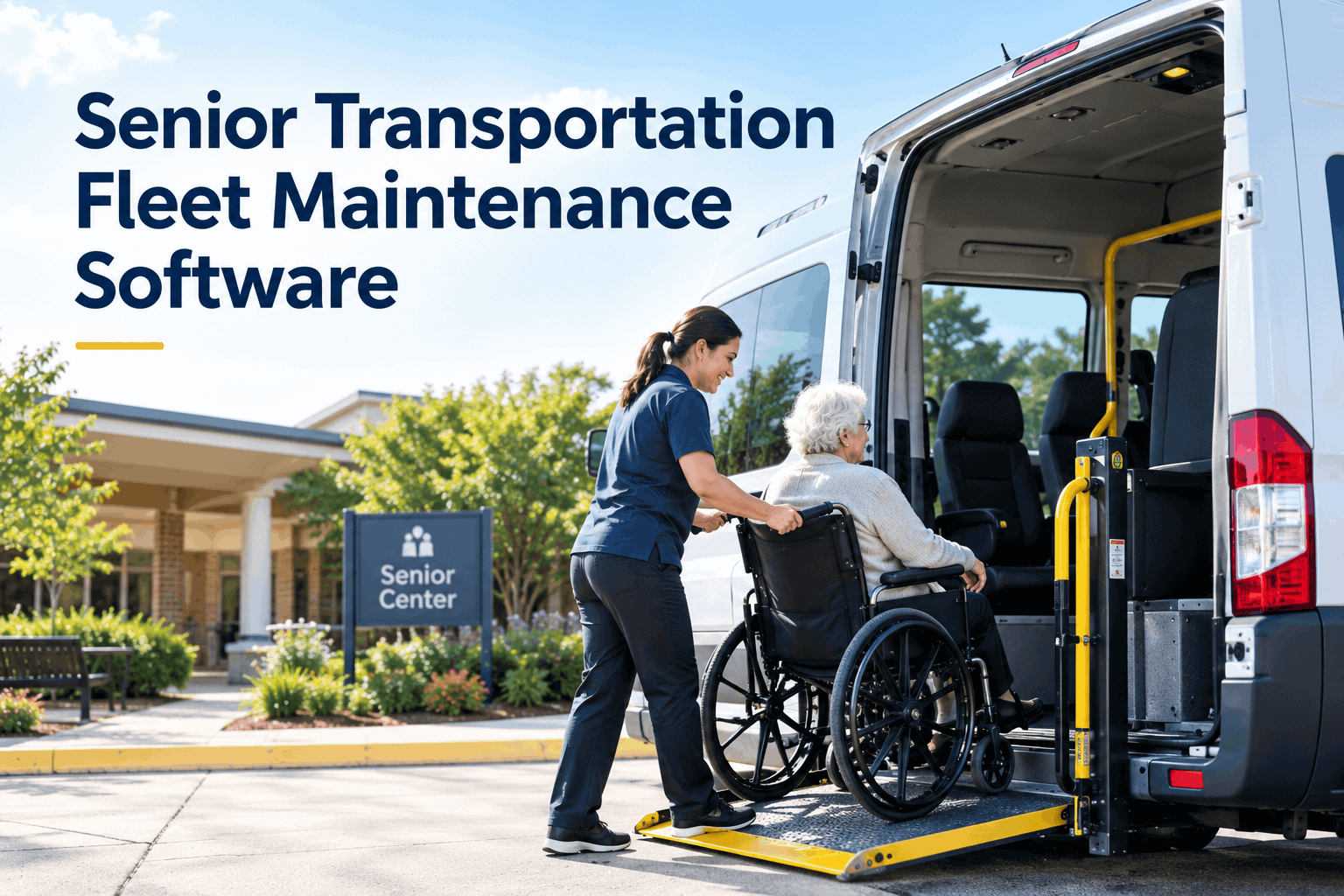
Most bus wheelchair lifts operate using hydraulic or pneumatic power. A platform is lowered to curb height when activated, allowing passengers to wheel onto the bus. The lift then raises the platform and retracts it into the bus body. Lifts cycle hundreds of times per year (multiple times per day on high-traffic routes). Each cycle stresses hydraulic seals, motors, and mechanical linkages. Without preventive maintenance, seals degrade, hydraulic fluid leaks, and lift performance degrades gradually until it fails completely.
Hydraulic Pump & Motor
Powers lift up/down cycles. Most frequent failure point.
Hydraulic Cylinders & Seals
Extend/retract to lower/raise platform. Seals degrade with age/use.
Platform & Mechanical Linkage
Physical structure. Can jam if debris accumulates or alignment drifts.
Control Switch & Safety Sensors
Activate lift and verify safe operation. Electrical failure = lift won't operate.
Cycle Testing Protocol: Weekly or Monthly
Weekly Cycle Test (Every 7 Days)
Operator or technician: (1) Activate lift with empty platform. (2) Lower completely to curb height. (3) Hold fully lowered for 10 seconds. (4) Raise back to stowed position. (5) Document: date, time, any unusual sounds/movements, overall status. Takes 2–3 minutes.
✓ Document in CMMS: Successful cycles prevent cascading failure.
Monthly Detailed Inspection (Every 30 Days)
Technician: (1) Visual inspection of hydraulic lines for leaks. (2) Check hydraulic fluid level in reservoir. (3) Operate lift through full cycle 3–5 times. (4) Listen for unusual noises. (5) Inspect platform alignment and mechanical linkage. (6) Test safety sensors (platform should not lower if obstruction present). (7) Document findings.
✓ Maintenance: Address any issues before they cause failure.
Annual Major Service (Every 12 Months)
Technician: (1) Replace hydraulic fluid and filter. (2) Inspect all seals for wear. (3) Check pump pressure. (4) Lubricate mechanical linkage. (5) Full operational test with load simulation (if possible). (6) Document all service work.
✓ Preventive service extends lift life 5–10 years.
Common Lift Failures & Early Warning Signs
Slow Lift Cycle (Takes 2–3x longer than normal)
Hydraulic fluid low, internal pump wear, seal leakage
Check fluid level, inspect for leaks, service pump if needed
Grinding or Squealing Noise During Cycle
Pump bearing wear, air in hydraulic system, dry mechanical linkage
Service pump, bleed air from system, lubricate linkage
Platform Won't Lower or Gets Stuck Halfway
Hydraulic seal failure, internal cylinder blockage, sensor malfunction
Inspect cylinder seals, flush system, test electrical sensors
Hydraulic Fluid Leak Under Bus
Seal degradation, line crack, port leakage
Identify leak source, replace seals or lines, refill and bleed
"Our wheelchair lift failed during peak morning service. Lift wouldn't lower. Stranded a passenger in wheelchair who had to be helped off the bus manually. Major ADA incident. Passenger complaint. Our lift had never been tested proactively — we just fixed it when it broke. Implemented mandatory weekly cycle tests and monthly inspections in CMMS. Haven't had a lift failure in 2 years. Documentation also protects us — shows we're taking accessibility seriously."
— Operations Manager, 28-bus transit system, Washington
Prevent Wheelchair Lift Failures
Systematic cycle testing prevents 80–90% of failures. Keep lifts reliable. Serve passengers with disabilities safely.