The bus industry is experiencing a fundamental shift. Spreadsheets and paper logs that served fleets for decades simply can't keep pace with today's demands — electric buses need battery health tracking, compliance requirements grow stricter every year, and every hour of downtime costs more than ever before.
That's why fleet managers across the country are making the move to Computerized Maintenance Management Systems (CMMS). In 2026, this isn't about adopting new technology for technology's sake — it's about survival and competitive advantage in an industry that's transforming faster than ever.
This guide breaks down exactly why the shift is happening now, what benefits fleets are actually seeing, and how to know if it's time for your operation to make the move. Start your free BusCMMS account to see the difference firsthand.
The 2026 Fleet Management Landscape
Why 2026 is the Tipping Point for CMMS Adoption
The convergence of several major industry forces is making 2026 the year when CMMS adoption shifts from "nice to have" to "essential for operations." Understanding these drivers helps explain why fleets that delay risk falling behind.
Electric Bus Complexity
Electric buses are fundamentally different from diesel. They need battery state-of-health tracking, charging infrastructure maintenance, high-voltage safety documentation, and different PM schedules. Paper systems can't manage the data streams these vehicles generate, and missing a battery issue can mean a $50,000+ replacement instead of a $5,000 repair.
Compliance Pressure is Intensifying
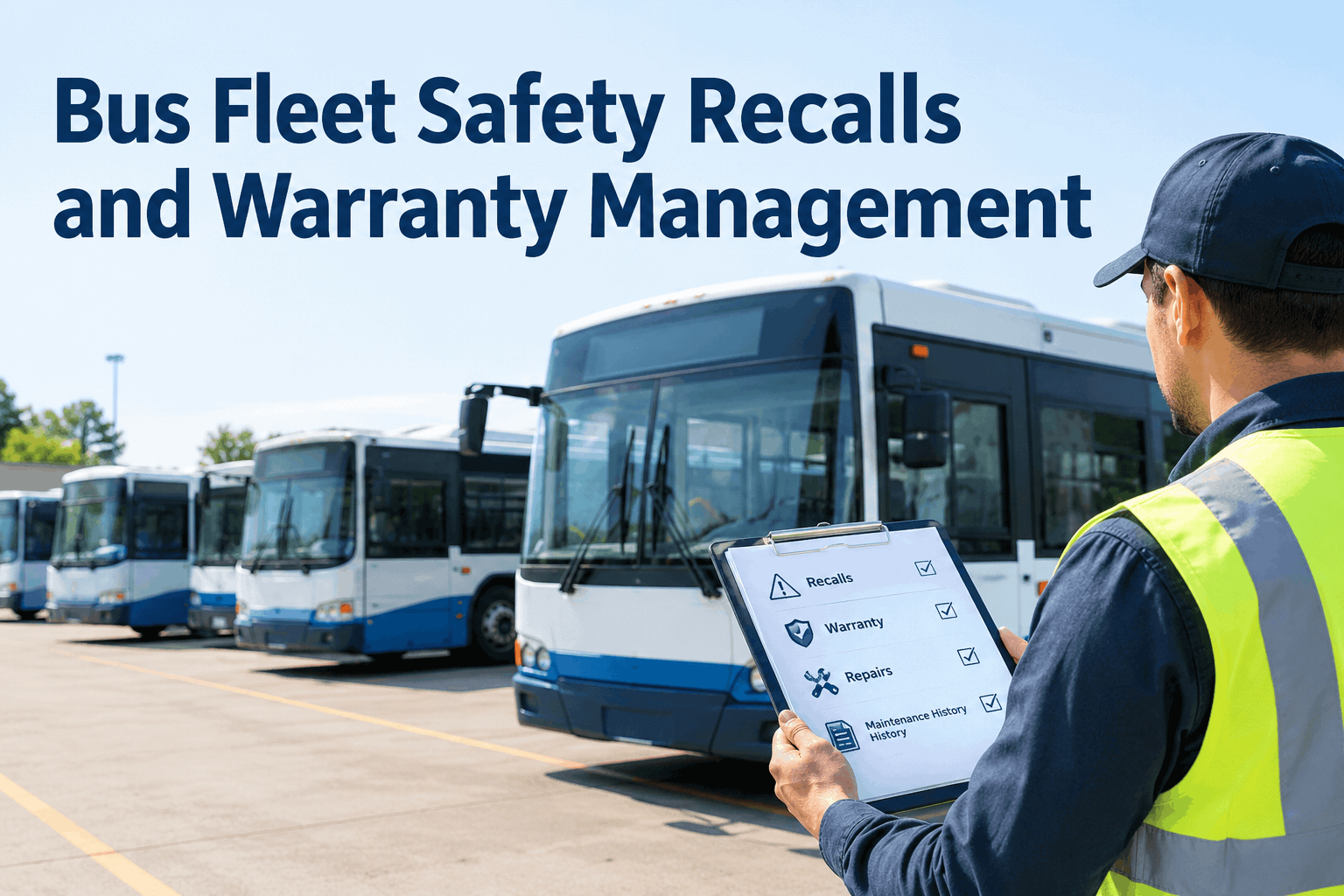
DOT and FMCSA regulations require increasingly detailed documentation. The 2026 CSA scoring overhaul splits vehicle maintenance into separate categories. Remote audits now require record production within 48 hours. A staggering 93% of fleets have at least one audit violation — and most are documentation gaps, not actual maintenance failures.
Downtime Costs Are Unsustainable
With driver shortages and route demands, every bus needs to be on the road. Unplanned breakdowns don't just cost repair dollars — they cost $760 per day in lost revenue per vehicle, plus overtime for scrambling to cover routes. CMMS shifts maintenance from reactive to predictive, cutting unplanned downtime by 45% on average.
The Technician Shortage is Real
Finding and keeping qualified maintenance technicians has never been harder. The average fleet mechanic is approaching retirement age, and younger workers expect modern tools. CMMS captures tribal knowledge from experienced techs so it doesn't walk out the door when they retire, and makes your shop attractive to younger workers.
What CMMS Actually Delivers: Real Numbers
Claims are easy — results are what matter. Here's what fleets actually report after implementing CMMS, based on data from over 500 fleet implementations:
Want to calculate what these numbers mean for your specific fleet? Book a demo and we'll walk through your potential ROI based on your fleet size.
The Real Difference: Manual vs. CMMS Operations
Why Electric Fleets Need CMMS Most
If you're operating electric buses — or planning to add them — CMMS isn't optional. EVs generate data that traditional maintenance approaches simply cannot handle. Learn more in our guide to electric bus maintenance trends for 2026.
Battery Health Tracking
EV batteries degrade over time with patterns varying by vehicle, routes, and charging habits. CMMS tracks SOH trends for each bus, alerting you when degradation accelerates — months before buses can't complete routes.
Charging Infrastructure
Chargers need maintenance too — connector inspections, firmware updates, error log reviews. A charger failure at 5 AM means buses that can't run routes. CMMS tracks charger health alongside bus health.
HV Safety Documentation
HV systems require certified technicians, inspected PPE, and documented safety procedures. CMMS tracks certifications, logs PPE inspections, and ensures protocols are followed.
Mixed Fleet Management
Most fleets will run diesel and electric buses side-by-side for years. CMMS handles different PM schedules, parts catalogs, and procedures from one platform.
See What CMMS Can Do for Your Fleet
BusCMMS is built specifically for bus operations — school buses, transit, charter, and paratransit. See why fleets like yours are making the switch in 2026.
What to Look for in a Bus Fleet CMMS
Not all CMMS platforms are built for bus operations. Compare your options in our guide to bus management software everyone should know about.
DOT/FMCSA Compliance
Pre-configured for transit regulations with automatic inspection tracking and certification expirations.
Electric Bus Support
Battery health tracking, charging infrastructure management, and HV safety documentation.
Mobile DVIR
Drivers complete inspections on smartphones with defects routing directly to work orders.
Telematics Integration
Connect to Geotab, Zonar, Samsara for automatic mileage and fault code alerts.
Parts Inventory
Know what you have, what you need, and when to reorder with automatic low-stock alerts.
Cost Analytics
Real-time visibility into maintenance spend by vehicle, component, and technician.
Getting Started: Easier Than You Think
Setup & Import
Import fleet inventory, configure PM schedules, set up user accounts. Most fleets complete this in days.
Training & Adoption
Technicians need 2-4 hours of training. Managers need 8-12 hours for reporting. Start logging all work.
First Insights
Enough data to see patterns. Identify which buses cost most, which PMs are overdue, where spending is highest.
Measurable ROI
Document cost savings versus baseline. Show compliance improvements. The system pays for itself.
Frequently Asked Questions
Most fleets see positive ROI within 90 days. Immediate wins include time saved on manual tracking (often 10+ hours per week) and faster audit preparation. Documented savings typically exceed software costs by 3-5x within the first year. Fleets report average savings of $2,800 per bus annually.
Absolutely — smaller fleets often see the biggest percentage improvements. Cloud-based pricing scales with fleet size, so you're not paying for enterprise features you don't need. The compliance benefits alone often justify the investment.
CMMS works perfectly with manual data entry for older vehicles. Many fleets add inexpensive plug-in OBD devices ($50-150) for automatic mileage. As you replace vehicles, newer buses bring deeper integration automatically.
Modern cloud CMMS implementation takes days, not months. Most fleets are up and running within 2 weeks. Training requires 2-4 hours for technicians and 8-12 hours for managers.
Yes — modern platforms integrate with QuickBooks, Sage, ERP systems, and telematics providers like Geotab, Zonar, and Samsara. Maintenance costs flow automatically into financial systems.
Ready to Join the Fleets Making the Switch?
The question isn't whether your fleet needs CMMS — it's how much longer you can afford to wait. Start with a free account today.