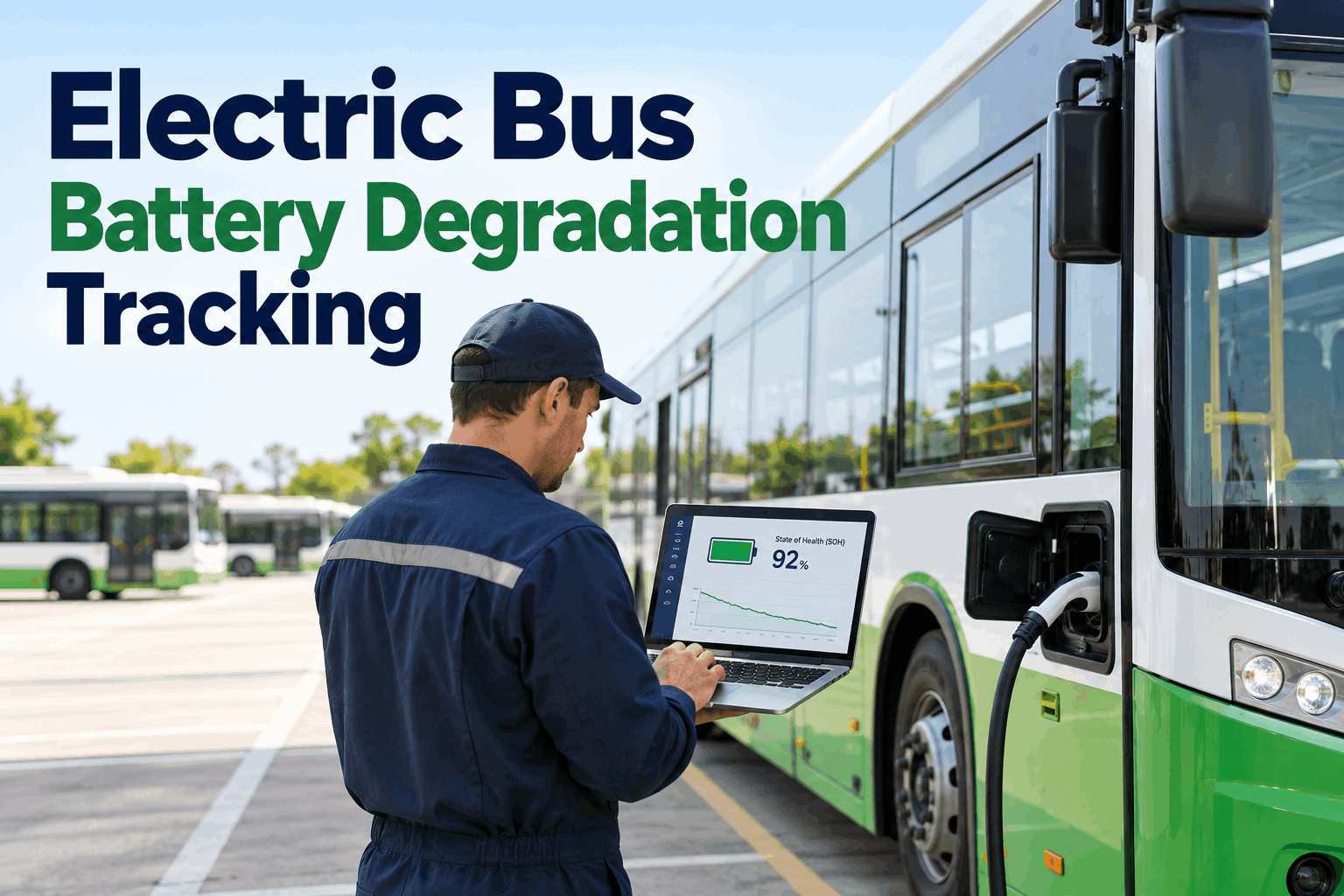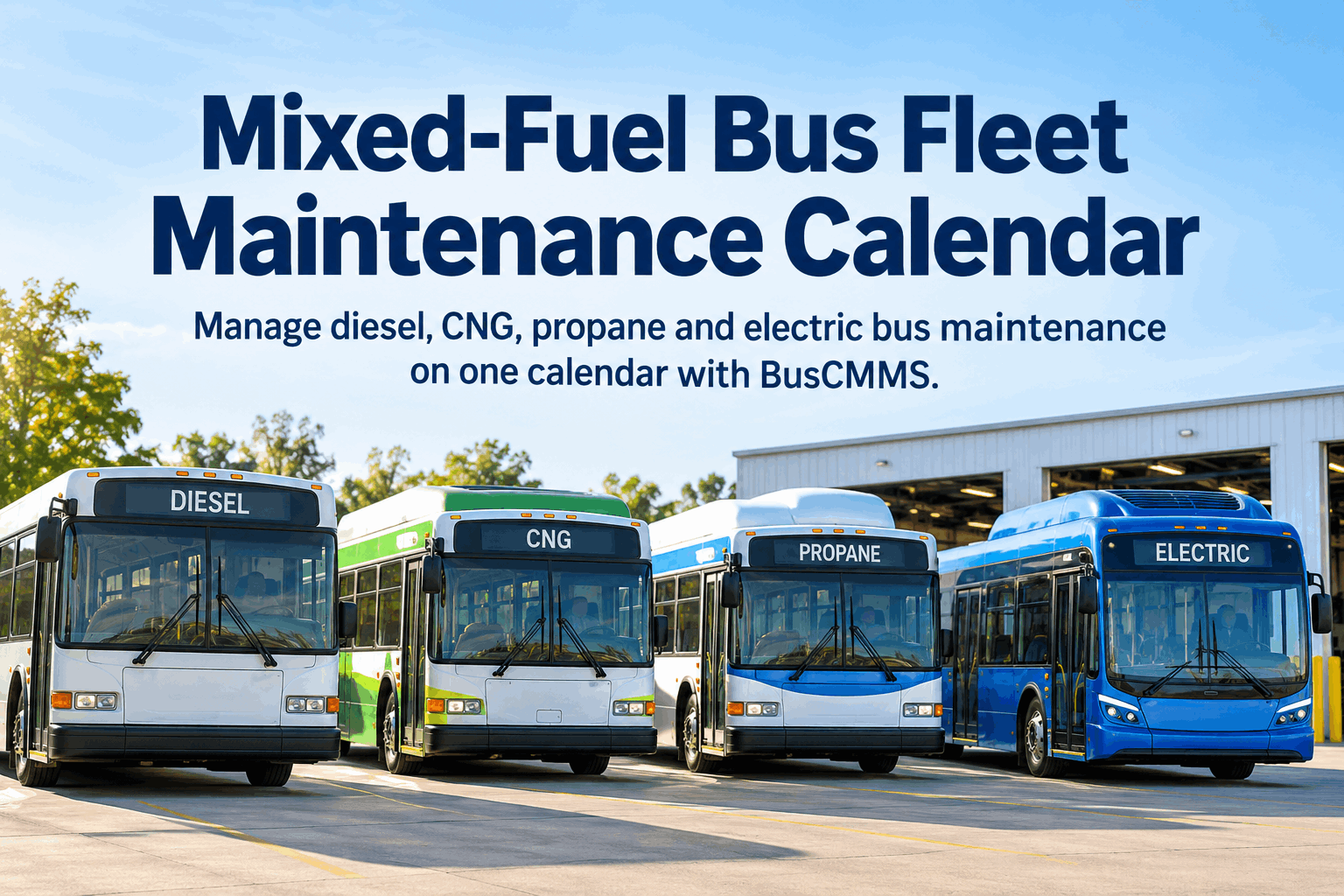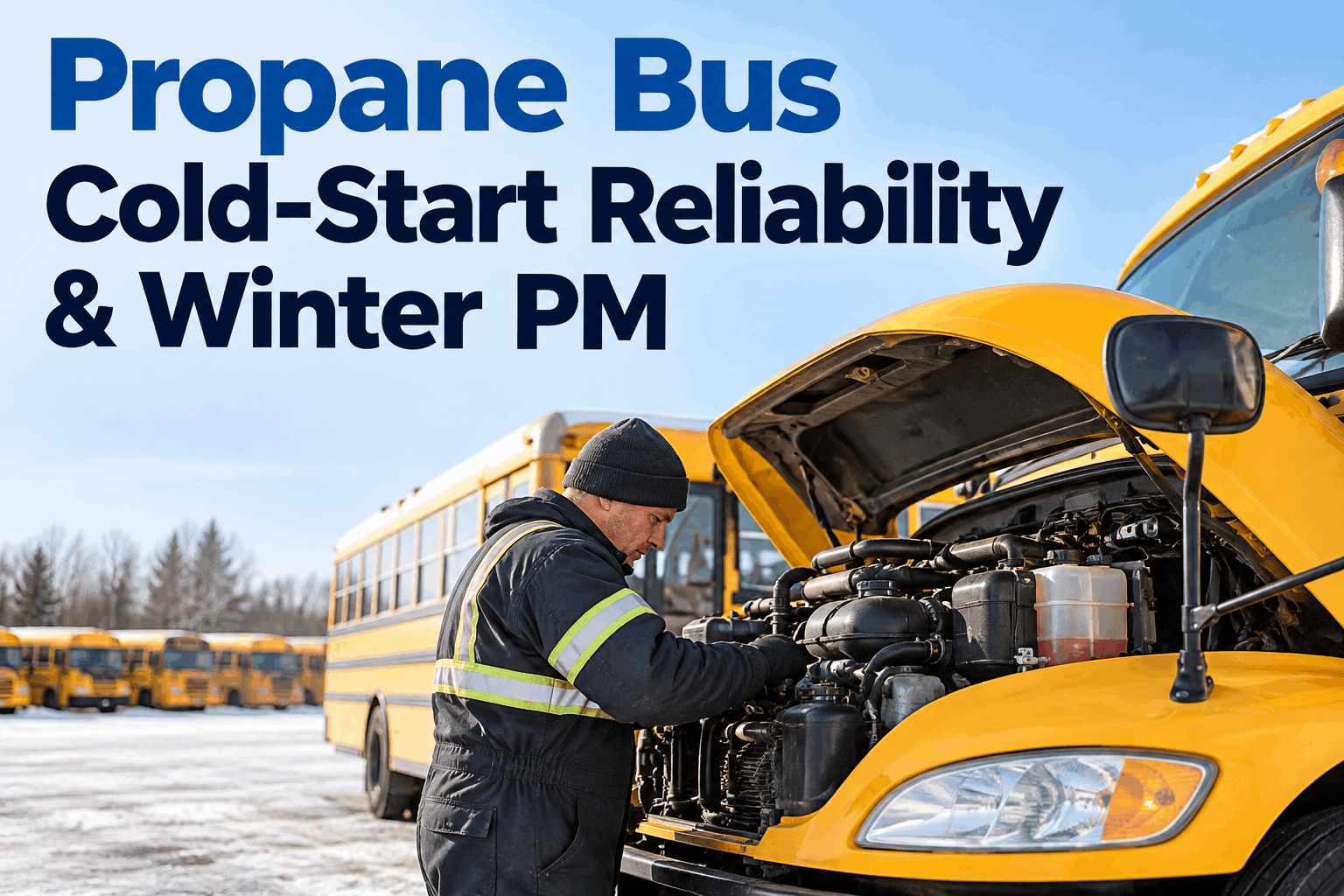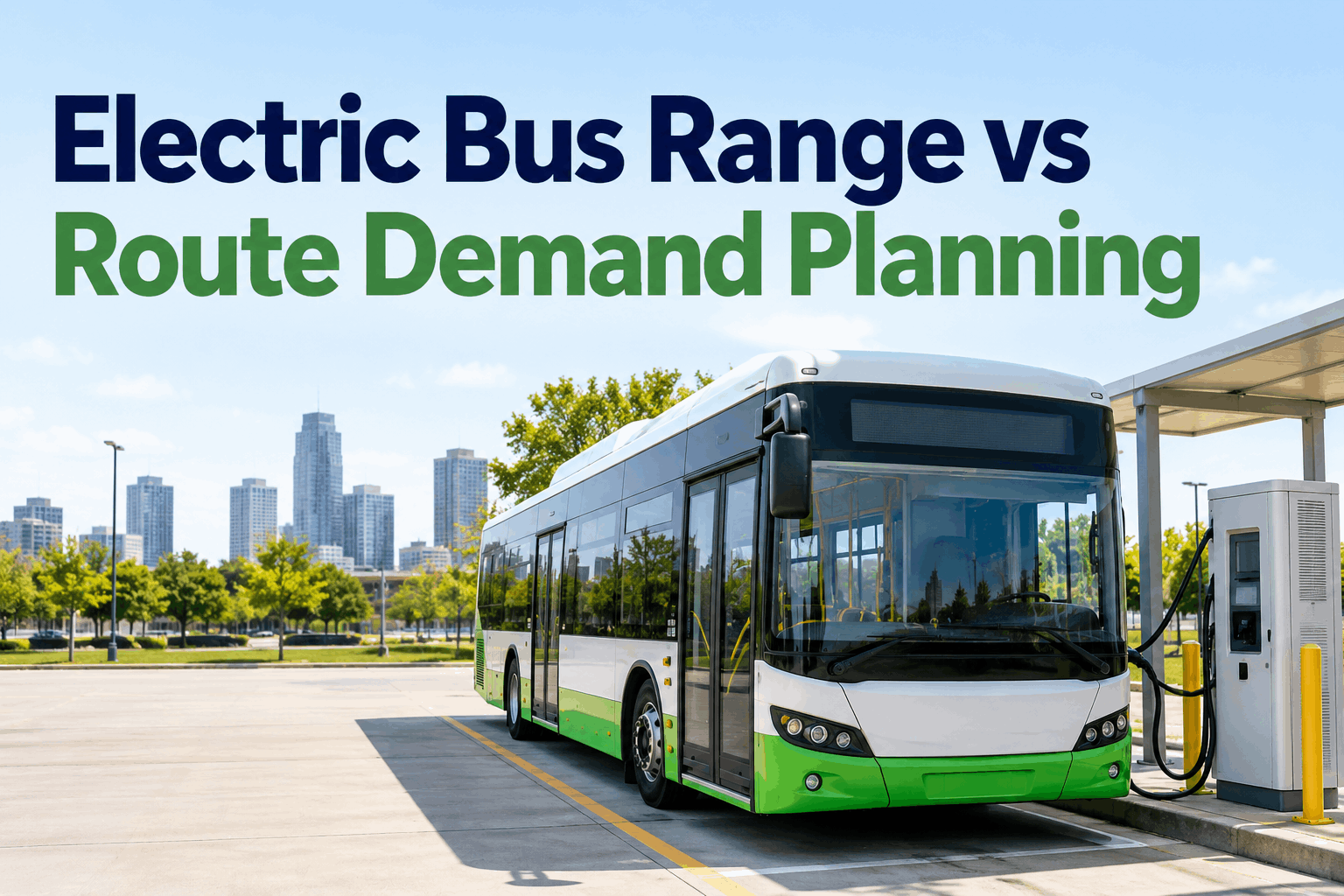
The spec sheet said 150 miles. The route is 90. Easy — until the first hard freeze, when that bus limped back to the yard with the low-battery warning on and riders still waiting on the last loop. Rated range was never the number that mattered. You can see how matching real range to route demand keeps buses off the shoulder.
Electric Bus Range vs Route Demand: Planning for the Number That Actually Counts
Electric bus range on the brochure is a lab number. Real route demand — cold, hills, HVAC, a battery two winters old — eats into it until the range you actually have can fall below the miles the route actually needs. Here is what that gap looks like, and how to plan so it never strands a bus.
What Eats Into Electric Bus Range Between the Spec Sheet and the Street
Rated electric bus range is measured in near-ideal conditions — mild weather, flat test loop, a fresh battery, no passengers climbing a hill with the heat blasting. Your routes are none of those things. Four forces quietly shrink the number you can actually count on, and route demand planning means knowing all four for every bus.
Weather and cabin heat
Cold is the biggest range killer on a bus. The battery spends energy heating itself, and a cabin full of riders with doors opening every block demands constant heat — energy that would otherwise be miles.
Terrain and route profile
Hills, grades, and heavy loads pull far more energy than a flat test track. A hilly route can cut usable range well below what the same bus delivers on level ground.
Stop-and-go demand
Frequent stops mean constant acceleration and, in winter, repeated cabin reheating. Regenerative braking recovers some of it, but cold weather blunts regen too, so dense urban routes drain faster.
Battery age and health
A battery degrades over years of cycling. The range a bus had new is not the range it has in year four — and planning on the original figure is planning on a bus that no longer exists.
Stack those four together and the brochure number can lose a third or more of its real-world value. The only way to plan around it is to know each bus's true usable range and watch it change — something you can start tracking free rather than estimate from a spec sheet.
Cold Weather Is Where Electric Bus Range Planning Breaks
Every operator's winter range anxiety has hard data behind it. The question is whether your route plan accounts for it before December or finds out the hard way on a sub-freezing morning.
Figures from a Cornell University study of more than 40 bus routes and nearly 50,000 miles of operating data. The rest of the cold-weather draw is largely cabin heating, made worse by doors opening every stop — which is exactly why urban winter routes suffer most.
A route comfortable in October becomes a gamble in January. A bus using nearly half again as much energy on a cold day is the bus whose usable range quietly dropped below its route demand — unless your plan already knows the cold-weather number. You can book a demo and plan routes against cold-weather range.
How to Plan Routes Against Real Electric Bus Range
Closing the gap between rated range and route demand is not guesswork once the data is in one place. Here is what a bus-specific system does that a spreadsheet of brochure numbers cannot.
Track usable range per bus
Real energy use and state of charge flow in from telematics, so each bus has a true range number that reflects its battery age and recent conditions — not the spec sheet it shipped with.
Know each route's energy demand
Route distance, terrain, and the season's weather give you the miles a route really needs — so you compare a bus's usable range against actual demand, not a flat distance figure.
Flag at-risk assignments early
When a bus's range drops too close to a route's demand — a cold snap, an aging pack — the assignment gets flagged before dispatch, not discovered when the bus is stranded.
Keep charging and PM in sync
Electric buses carry their own PM logic alongside charging windows, so a bus is ready, charged, and serviced for the route it is assigned — and your fleet availability stays high all winter.
The payoff is availability: buses assigned to routes they can finish, winter range planned instead of feared, and no afternoon spent recovering a dead bus from the end of a loop. That reliability is what a bus-specific CMMS is built for, and it is worth seeing on your own fleet in a short walkthrough of EV range planning.
Our first electric winter taught us the brochure range is fiction. We had a 38-mile route a bus handled all fall, and the first week below twenty degrees it came back on its knees. Now we plan every EV route on cold-weather range with a buffer, and we stopped treating 150 miles like a number we could spend. The spec range is the ceiling, never the plan.
Electric Bus Range vs Route Demand: The Short Version
Rated range is a ceiling, not a plan
The brochure number is measured in ideal conditions you will never operate in. Plan on usable range instead.
Four forces shrink real range
Cold and HVAC, terrain, stop-and-go demand, and battery age all pull the usable number below the spec.
Cold weather is the sharp edge
A Cornell study found up to 48% more energy used in deep cold — enough to drop a comfortable route into a shortfall.
Match range to demand, per bus
Assign routes to buses that can finish them on real range, flag the risky ones early, and availability holds.
Electric bus range versus route demand is not a comparison you make once at purchase — it shifts with every cold front and every year on the battery. Plan on the range your buses actually have, check it against what each route actually needs, and the stranded-bus afternoons stop. That is the difference between operating an EV fleet and firefighting one. You can start free and match your routes to real range.
Electric Bus Range Planning: Common Questions
How much range does an electric bus actually lose compared to its rated range?
It varies with conditions, but the loss is real and often large. A Cornell University study of more than 40 routes found electric buses used up to 48% more energy in very cold weather (25–32°F) and 27% more across a broader cold range — a drop that can turn a comfortable route into a shortfall. On top of weather, terrain, heavy stop-and-go demand, and battery aging all reduce usable range below the brochure figure. The practical rule is to plan on measured usable range, never the rated number.
Why do electric buses lose so much range in cold weather?
Two things drive it. First, the battery has to heat itself to work efficiently — the Cornell study attributed about half the extra cold-weather energy use to battery self-heating. Second, the cabin needs heat, and because bus doors open every stop on urban routes, the heater runs almost constantly, pulling energy that would otherwise be miles. Cold also reduces how much energy regenerative braking recovers. Together they mean a bus's winter range can be far below its mild-weather range.
How do you plan electric bus routes around range limits?
You compare each bus's real usable range against each route's true energy demand, not its flat distance. That means tracking actual energy use and state of charge per bus so range reflects battery age and recent conditions, estimating route demand with terrain and seasonal weather factored in, and assigning buses only to routes they can finish with a buffer. When a bus's range drifts too close to a route's demand — a cold snap or an aging pack — the assignment should be flagged before dispatch rather than discovered mid-route.
Does BusCMMS help with electric bus range and charging planning?
Yes. BusCMMS tracks real energy use and usable range per bus from your telematics, keeps electric-specific preventive maintenance and charging windows on the same dashboard as your diesel and CNG buses, and flags when a bus's range is too close to its assigned route's demand. That lets you plan routes on real range, keep buses charged and serviced for the work they are assigned, and protect fleet availability through winter — without bolting a generic fleet tool onto bus operations.
Should I buy buses with more range to solve this?
More rated range helps, but it does not remove the need for planning — a bigger battery still loses a large share in cold weather and still degrades with age, so the gap between rated and usable range follows you up the spec sheet. The more reliable fix is to know each bus's real usable range and match it to real route demand, so you get full value from the buses you already have and buy additional range deliberately where routes truly need it, rather than over-buying to cover uncertainty.