Bus 214 has cost more in repairs this year than the last two combined. The engine runs fine between visits, but the visits keep getting closer together, and the shop foreman is tired of guessing whether the next repair is the one that finally makes a new bus cheaper than fixing the old one. That guess shouldn't be a gut call — it's a number sitting in your repair history, if you know where to look. See how that number surfaces automatically in a demo.
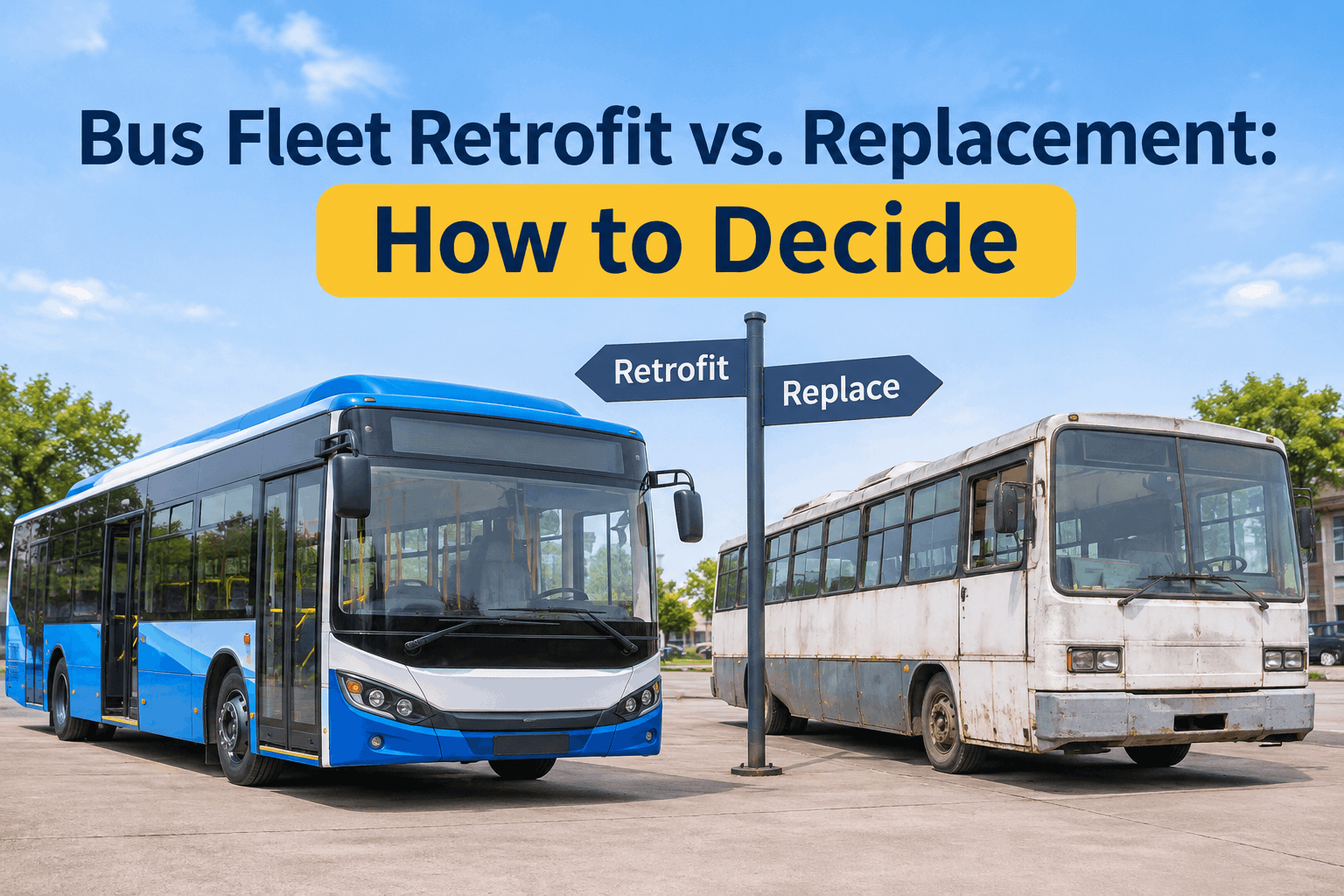
Bus Fleet Retrofit vs. Replacement: How to Decide
Retrofit and replacement are both legitimate calls — the mistake is making either one without the repair history, downtime, and cost data that should be driving it. Here's how to turn a mixed-age fleet decision into a number instead of a hunch.
Why This Decision Gets Made on Instinct, Not Data
Most agencies know a bus is getting expensive. Few can say exactly when it crossed the line from "worth fixing" to "worth replacing," because the data that would answer it is scattered across work orders, a separate capital budget spreadsheet, and whoever remembers how often Bus 214 has been in the shop this year. Without that number pulled together, the decision defaults to whichever is loudest — the shop foreman's frustration or the capital budget's hesitation — instead of the math.
Retrofit or Replace: Side by Side
Neither option is universally right. What matters is which one fits the specific vehicle in front of you.
Swipe sideways to see all columns.
Signals Worth Watching, Vehicle by Vehicle
No single number makes the call alone. Together, these are what tip a vehicle one way or the other.
Repair cost is climbing year over year
Not one expensive repair, but a trend — each year's total creeping past the last, with no sign of leveling off.
Downtime is hitting the route schedule
A vehicle that's out of service often enough to force route coverage changes is costing more than its repair invoices show.
The frame and body are sound
If the structure has years left and the failures are concentrated in a few systems, a targeted overhaul addresses the actual problem.
Capital budget isn't there yet
When a new vehicle isn't funded for another cycle, a well-timed overhaul can bridge the gap without running the bus into the ground.
The Data Behind the Decision
Whichever way you lean, the decision is only as good as what's feeding it. Three numbers matter most, and all three live in the vehicle's maintenance record.
Cumulative repair cost by vehicle
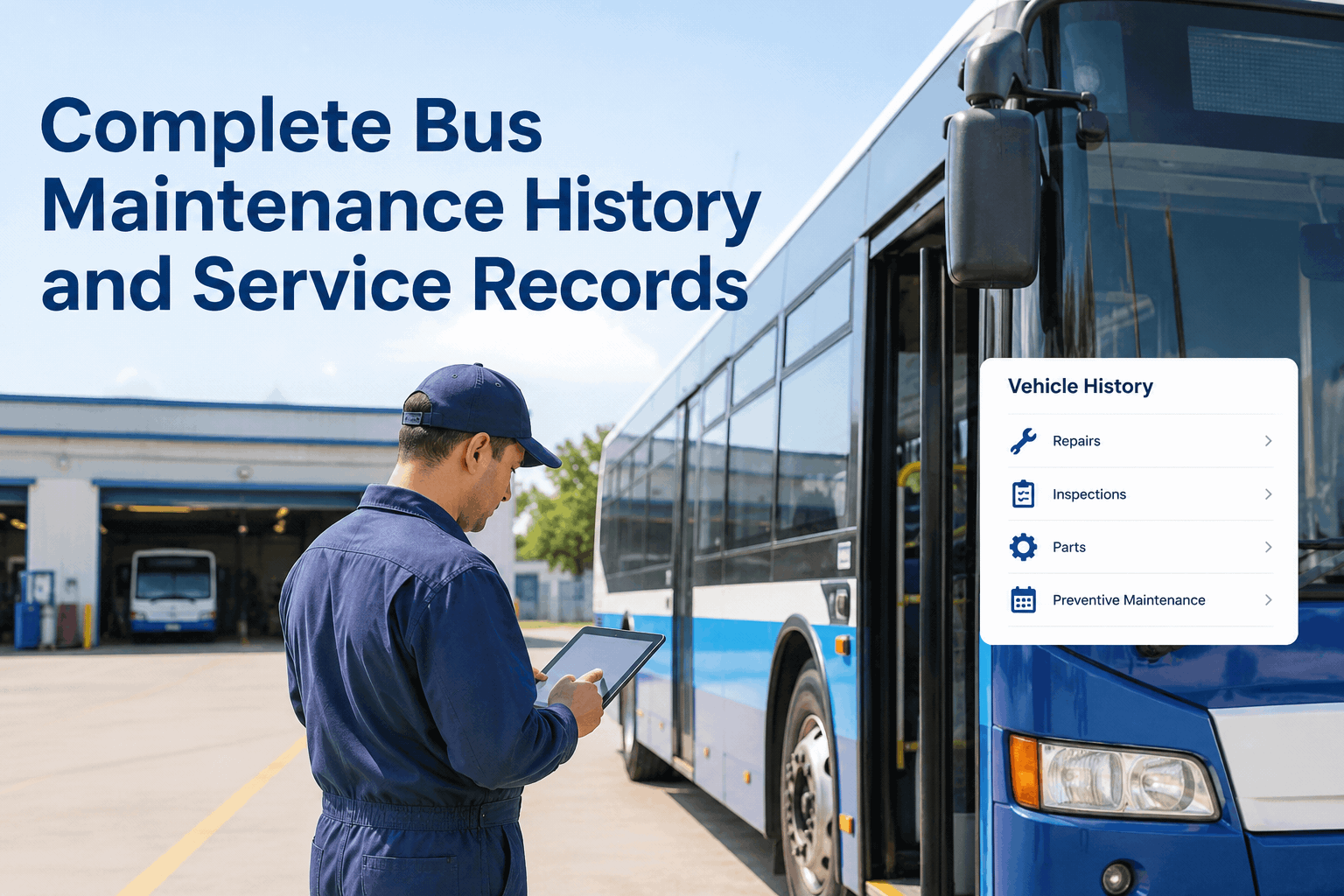
Every work order tied to its vehicle, rolled up into a running total you can trend year over year, not reconstructed at budget time.
Downtime & out-of-service days
How often a bus is in the shop instead of on the route — the cost that doesn't show up on a repair invoice but shows up in service quality.
Repair frequency & failure pattern
Whether failures are concentrated in one or two systems, which points to a targeted retrofit, or spread across the vehicle, which points to replacement.
This is the same vehicle history your team already logs on every work order — the difference is having it rolled up per vehicle instead of buried in individual tickets. Sign up free and start building that history on your fleet.
Expert Review: Gut-Call Planning vs. Data-Driven Lifecycle Decisions
Fleets that plan retrofit and replacement off real cost data make fewer surprise capital requests — because the case for the next bus was already building in the numbers, not arriving all at once.
Swipe sideways to see all columns.
The agencies with the smoothest capital cycles are the ones who saw the crossover coming months before they had to act on it. Book a demo to see that trend on your own fleet's data.
The Bottom Line
Retrofit versus replacement isn't a question with one right answer — it's a question that needs the right number. Track repair cost, downtime, and failure patterns by vehicle as they happen, and the crossover point stops being a surprise. It becomes a line on a chart you saw coming, with time to plan the budget instead of reacting to a breakdown.