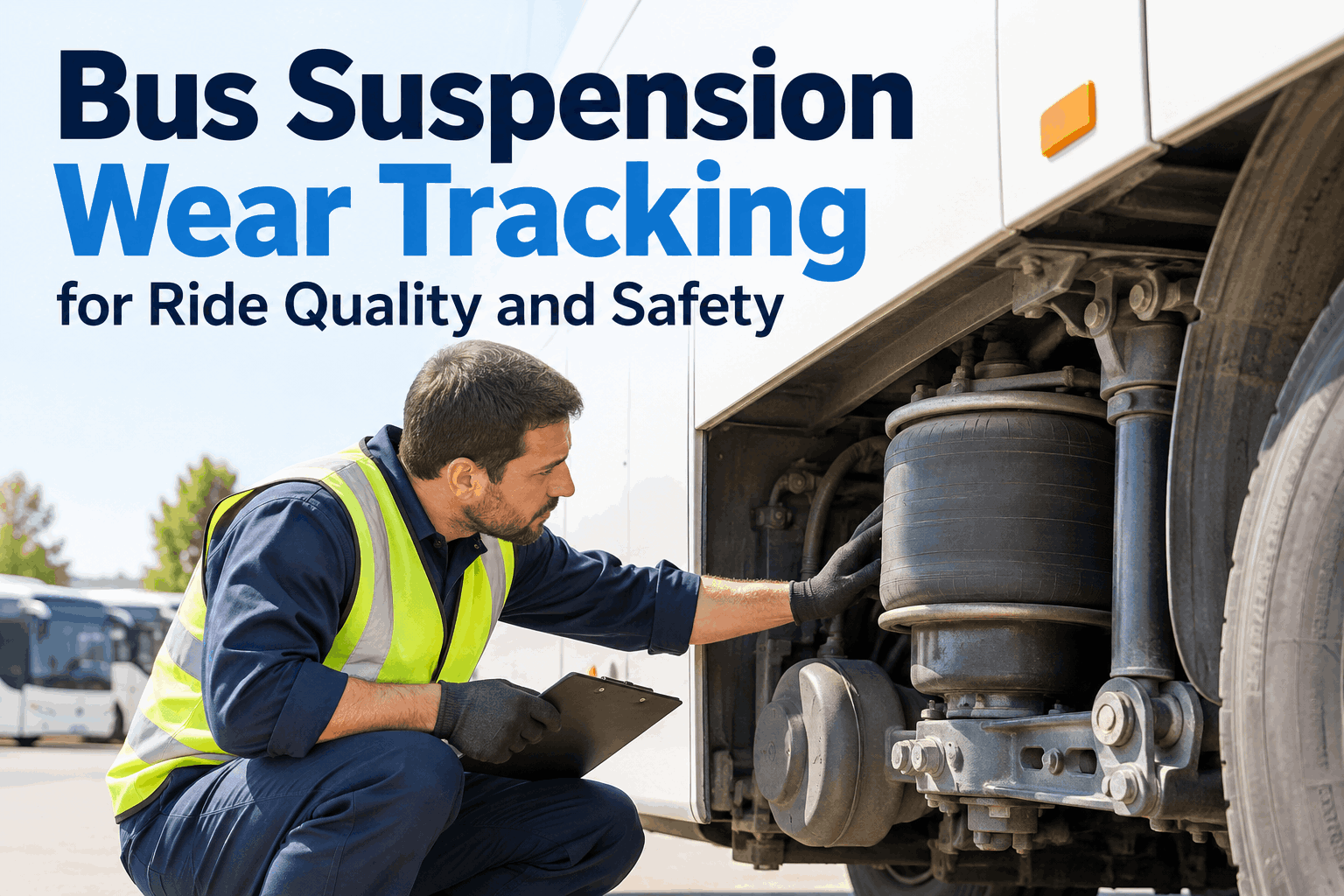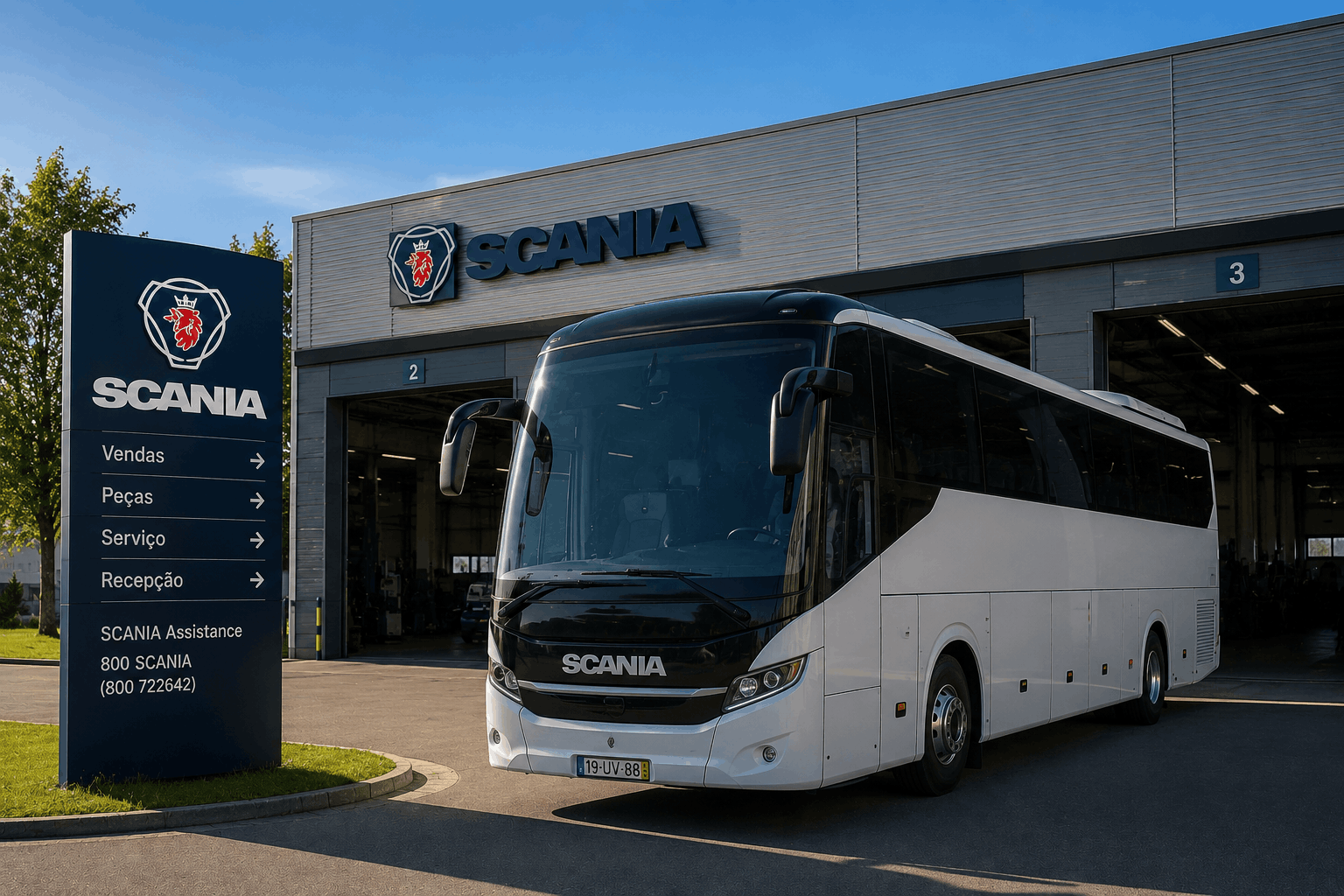
Scania buses are engineered for durability and fuel efficiency. Proper maintenance is essential to maximize the life of Touring, OmniExpress, Citywide, and K-Series models. This guide covers service intervals, common issues, parts availability, and best practices to help you maintain your Scania fleet efficiently.
Scania Bus Maintenance Guide 2026
Scania Bus Maintenance Guide
Scania bus maintenance guide. Service intervals, common issues, parts availability and best practices for Touring, OmniExpress, Citywide and K-Series.
Scania Bus Maintenance Impact: The Cost of Efficiency
Scania buses are premium vehicles requiring disciplined maintenance. A new Scania Touring coach costs $500,000 or more. Downtime costs operators thousands per day in lost revenue and replacement bus expenses.
$500,000+
New Scania coach cost
$1,500–$3,500
Daily downtime cost
1.3M miles
Average Scania bus life
32%
Lower lifecycle cost with PM
Scania Bus PM Progress
1
Daily Walkaround
Pre-trip inspection. Check fluids, lights, tires, brakes, and all safety systems.
2
Service A (10,000 km)
Oil and filter change. Brake inspection. Tire pressure check. Fluid top-up.
3
Service B (20,000 km)
Complete inspection. All fluid checks. Filter replacement. Belt and hose inspection.
4
Service C (40,000 km)
Engine inspection. Cooling system service. Transmission fluid check. Brake system inspection.
5
Service D (60,000 km)
Transmission service. Differential service. Suspension inspection. Electrical system check.
6
Service E (80,000 km)
Major service. All fluids replaced. All filters replaced. Full system inspection.
7
Major Overhaul (500,000 km)
Engine overhaul. Transmission rebuild. Complete chassis restoration and inspection.
8
Life Extension (800,000 km)
Major component replacement. Life extension inspection. Complete vehicle restoration.
Scania Models & Maintenance Comparison
Touring and K-Series models have moderate maintenance requirements. OmniExpress and Citywide require higher maintenance due to demanding duty cycles. Electric models require specialized maintenance for batteries and electric drivetrains.
Scania Bus Failure Distribution by System
Scania bus failure distribution shows electrical issues most frequently at 32%, followed by engine problems at 28%. Brake system failures account for 22%, and suspension issues represent 18%. Regular PM reduces these failures by up to 42%.
Scania Bus Service Pass/Fail Thresholds
Engine Oil
Pass: Oil at proper level. Clean color. Changed at recommended interval.
Fail: Low oil level. Dark or contaminated oil. Overdue for change.
Brake System
Pass: Brake pads above minimum. No leaks. Proper air pressure.
Fail: Worn pads below minimum. Air leaks. Brake fluid contamination.
Cooling System
Pass: Coolant level proper. No leaks. Coolant analysis passes.
Fail: Low coolant level. Coolant leaks. Contaminated coolant.
Transmission
Pass: Fluid at proper level. No leaks. Smooth shifting operation.
Fail: Low fluid level. Transmission leaks. Harsh shifting.
Electrical System
Pass: All systems functional. No fault codes. Battery voltage normal.
Fail: Fault codes present. Battery issues. Electrical component failures.
Replacement Trigger
Replace major components at manufacturer-specified intervals. Replace brake components when worn. Replace batteries every 4-5 years. Document all service actions.
Scania Bus Maintenance KPIs
Track these five metrics to measure your Scania bus maintenance program effectiveness:
PM Compliance
Target: 100% at every interval. Track by bus. Missed PMs increase failure risk significantly.
Mean Time Between Failures
Target: Increasing trend. Track monthly. Short MTBF indicates maintenance gaps.
Fuel Efficiency
Target: At or above manufacturer spec. Track monthly. Decline indicates maintenance or operational issues.
Parts Availability
Target: 95%+ in-stock. Track monthly. Low availability increases downtime.
Repair Cost per Mile
Target: Decreasing or stable trend. Track monthly. Spike indicates component issues.
Scania Bus Maintenance Trends
PM compliance trends show consistent improvement from 65% to 95% over seven years. Regular tracking and reporting drive this improvement. Repair costs decrease as compliance reaches 95%.
Our fleet includes 42 Scania Touring coaches and 28 Citywide buses. After implementing this maintenance program, we achieved 98% PM compliance and reduced unplanned downtime by 58%. Parts availability improved from 70% to 97% with better inventory management. Fuel efficiency improved by 6% with regular maintenance.
Digitize Your Scania Bus Maintenance Program
BusCMMS guides technicians through every Scania service—daily walkaround, A through E services, major overhauls, and life extension inspections. Auto-schedule PM intervals based on mileage and calendar. Complete audit trail for every Scania bus in your fleet. Track parts inventory, maintenance costs, and component life.
Scania Bus Maintenance FAQs
What is the recommended PM schedule for Scania buses?
Scania recommends Service A at 10,000 km, Service B at 20,000 km, Service C at 40,000 km, Service D at 60,000 km, and Service E at 80,000 km. Major overhaul at 500,000 km. Follow your specific model's maintenance manual.
What are common issues with Scania Touring coaches?
Common issues include electrical system faults, air suspension leaks, brake wear, and HVAC system failures. Regular PM catches these issues early. Parts availability is generally good for Touring models.
How much does Scania bus maintenance cost?
Annual maintenance costs range from $18,000 to $35,000 per bus depending on model and mileage. Major overhauls cost $50,000 to $100,000. Electric models have higher battery maintenance expenses.
What is the average lifespan of a Scania bus?
Scania buses typically last 1 million to 1.3 million miles with proper maintenance. Touring coaches often exceed 1.3 million miles. Electric models have 500,000 to 800,000 mile battery life with proper thermal management.
Are Scania bus parts readily available?
Scania has an extensive parts distribution network. Most parts are available within 24-48 hours. Key components may require 5-7 days. Maintain critical spare parts inventory to minimize downtime.
Can BusCMMS track Scania bus maintenance history?
Yes. BusCMMS tracks all Scania maintenance, repairs, parts replacements, and services. The system generates PM schedules, sends due-date alerts, and creates complete maintenance records for every Scania bus in your fleet.
The Bottom Line
Maintaining Scania buses properly is essential for maximizing uptime and minimizing lifecycle costs. The 8-step PM workflow—daily walkaround, A through E services, major overhaul, and life extension—identifies issues before they cause failures. Electrical, engine, and brake issues account for 60% of Scania bus failures. Regular PM reduces failures by up to 42% and extends bus life beyond 1.3 million miles. This guide provides the step-by-step procedures your technicians need to maintain every Scania bus in your fleet. When combined with BusCMMS digital inspection forms, complete maintenance history tracking, and parts inventory management, your Scania program becomes proactive—catching issues before they cause downtime or expensive component failures.