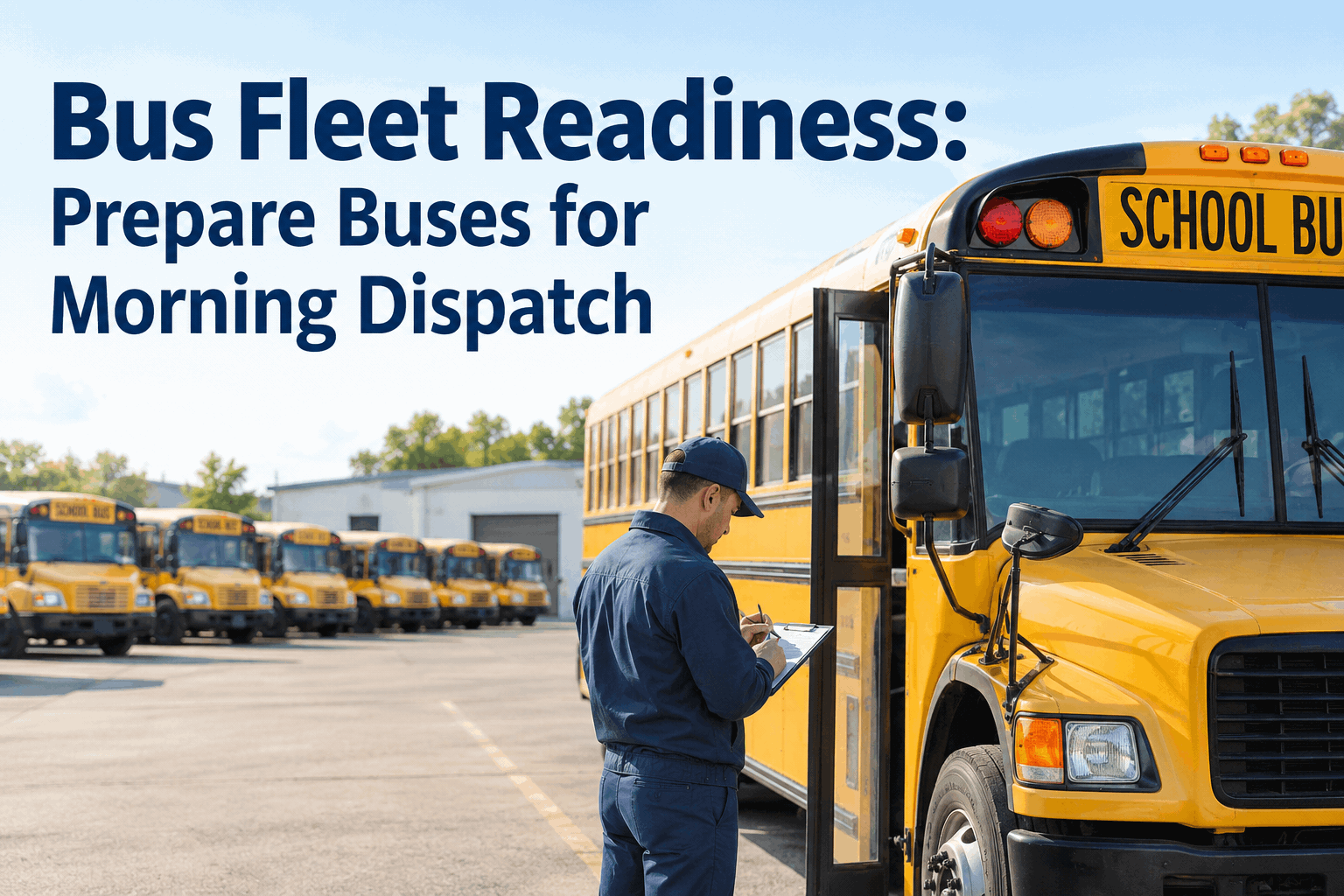
Every fleet manager knows that sinking feeling. The first week of school arrives, parents are watching, schedules are tightand a bus breaks down on route because nobody caught that worn brake pad in July. With roughly 490,000 yellow buses transporting students nationwide, the margin for error during summer maintenance is razor-thin. The difference between fleets that thrive and those that scramble comes down to one thing: a systematic shutdown maintenance plan executed with precision.
This isn't another generic checklist you'll bookmark and forget. This is a battle-tested 14-day framework that transforms your summer shutdown from chaotic catch-up into strategic advantage. Each task is mapped to specific CMMS workflows, complete with time estimates, resource requirements, and the exact steps your technicians need to follow. Fleet managers using structured shutdown plans report 32% reduction in unplanned downtime and 37% improvement in mean time between failures. Let's make your fleet one of them.
Why Summer Shutdowns Fail Without a Plan
The math is brutal. A $150 oil change that gets postponed can cascade into $8,000 engine damage. A worn brake pad that should have been replaced for $200 destroys a rotor, turning routine maintenance into a $1,500 repair. Emergency repairs typically cost 3.5 times more than equivalent preventive maintenanceand that's before factoring in premium service rates, overtime fees, expedited parts shipping, and route cancellations while buses sit idle.
Most fleet maintenance failures during summer shutdown stem from the same core problems: inconsistent documentation that lets tasks slip through cracks, reactive approaches that address symptoms rather than root causes, and the absence of standardized workflows that ensure every bus receives identical attention. When your technicians are working from memory or handwritten notes scattered across clipboards, critical items get missed. That's not a personnel problem—it's a systems problem.
The solution isn't working harder during shutdown. It's working smarter by implementing a computerized maintenance management system that automates scheduling, tracks completion status in real-time, and generates the documentation you need for compliance and continuous improvement. Fleets that make this transition see positive ROI within 6-12 months through reduced emergency repairs, lower parts inventory costs, and extended vehicle lifespans.
The Real Cost of Skipping Shutdown Maintenance
One Texas school district documented $127,000 in first-year savings after implementing a structured preventive maintenance program supported by CMMS technology. Their secret? They stopped treating summer maintenance as optional cleanup and started treating it as the foundation of year-round reliability.
The 14-Day Summer Shutdown Framework
This framework assumes a standard 10-12 week summer break with maintenance beginning within the first two weeks after routes end. Adjust timing based on your specific calendar, but maintain the sequence—later tasks depend on earlier inspections identifying issues that need attention.
Begin by pulling every bus from service records and generating a comprehensive maintenance status report. Review each vehicle's maintenance history, outstanding work orders, and approaching service intervals. In your CMMS, create work orders for every bus scheduled for shutdown maintenance, including pre-populated task lists based on manufacturer specifications and your historical data.
Key actions: Run fleet-wide diagnostic scans if telematics equipped, document current mileage and engine hours for each vehicle, flag any buses with deferred maintenance from the school year, and prioritize vehicles by age and condition severity. This assessment phase prevents the costly mistake of discovering critical issues on Day 12 when parts lead times exceed your remaining schedule.
Safety equipment inspection isn't optional—federal requirements under FMCSA regulations mandate systematic documentation. Test every emergency exit and alarm, verify external stop arms and warning lights function correctly, and confirm all camera systems (interior and exterior) are operational with firmware updated to current versions. This is also the time to inspect fire extinguishers, verify first aid kit contents, and ensure roadside safety gear including warning triangles and flares are present and functional.
Your CMMS inspection checklist should include collision mitigation system verification and electric stability control testing for equipped vehicles. Document everything with photos where applicable—this documentation becomes invaluable during safety audits and any incident investigations.
Brake systems demand meticulous attention because the consequences of failure are catastrophic. Inspect all pads, rotors, drums, and brake lines with documented measurements. Industry standards recommend replacement when hydraulic pads reach 4.8mm thickness, air pads at 6.4mm, and air disc at 3.2mm. Test air brake system pressure and response times, exercise brake systems on vehicles that have been stationary to keep seals and lubricated parts in working order.
Log all measurements in your CMMS with comparison to previous inspections—this trend data helps predict when components will need replacement during the school year, allowing you to schedule maintenance during low-impact periods rather than facing mid-route emergencies.
Tires are the only part of your vehicle contacting the road, making proper maintenance non-negotiable. Federal regulations under 49 CFR § 393.75 require minimum 4/32 inch tread depth on steer-axle tires. Measure and document tread depth across all positions, inspect for damage, dry rot, sidewall cracking, and irregular wear patterns that indicate alignment or suspension issues. Check tire pressure against manufacturer specifications—underinflation wastes fuel and accelerates wear while overinflation reduces traction and ride quality.
Rotate tires according to your rotation schedule and document the swap in your CMMS. Order replacement tires immediately for any that won't make it through the school year—lead times on commercial bus tires can extend several weeks during peak season.
Stop managing your summer shutdown with spreadsheets and sticky notes. BusCMMS transforms your 14-day maintenance plan into automated workflows with built-in checklists, automatic work order generation, and real-time progress tracking across your entire fleet.
Getting Started Book a DemoSummer provides the extended downtime needed for comprehensive engine service. Complete oil changes with fresh filters, flush coolant systems, and verify all fluid levels meet specifications. Inspect for oil leaks throughout the engine compartment and check harness routing and clips for proper positioning. For diesel engines, service the fuel system including water separator maintenance and filter replacement.
Review transmission service intervals—most manufacturers recommend fluid exchange every 50,000 to 100,000 miles. If your vehicles are approaching these thresholds, summer shutdown is the ideal time to complete this service rather than risking transmission issues during active routes. Document all services with fluid types, quantities, and filter part numbers for warranty compliance and future reference.
Fuel system integrity directly impacts both safety and operational costs. Inspect all fuel lines, filters, and tanks for signs of damage, corrosion, or leaks. Address any issues immediately—fuel system problems that seem minor can escalate into expensive repairs or dangerous situations. Clean fuel injectors to maintain optimal engine efficiency; dirty injectors force engines to work harder, increasing fuel consumption significantly across your fleet.
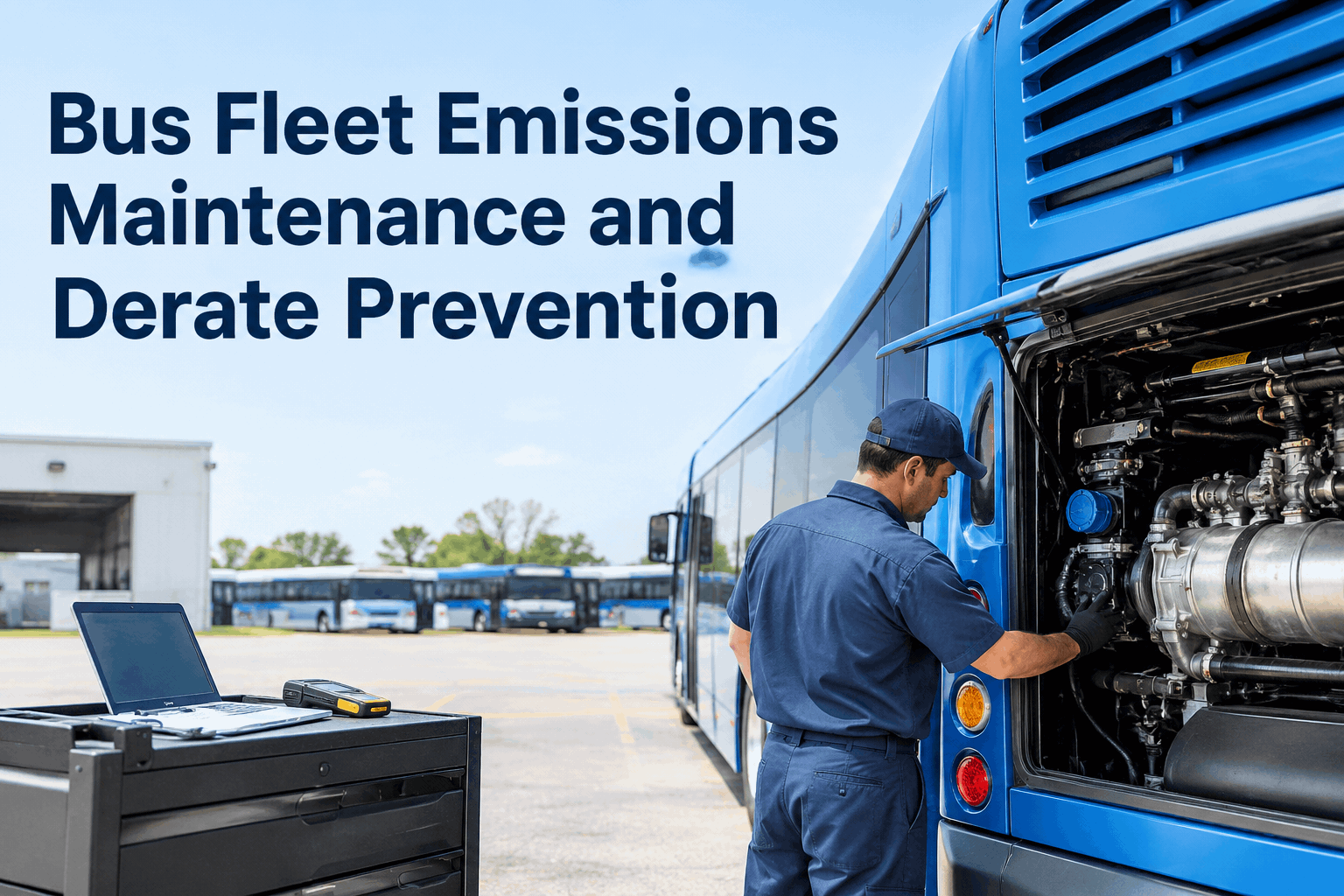
Complete exhaust system compliance checks and emissions inspections as required by your state regulations. Document any repairs needed to maintain environmental compliance. For fleets tracking total cost of ownership, fuel system maintenance directly impacts your cost-per-mile calculations through improved efficiency.
Student comfort and driver focus both depend on properly functioning climate control. For air conditioning systems, verify compressor operation and cycling, inspect all lines for damage (pay particular attention to undercarriage-mounted body AC components), confirm condenser fan operation, and clean or replace cabin air filters. A system that overheats during summer routes can lose all refrigerant, causing expensive damage.
Don't neglect heating systems during summer service. Clean and inspect heater cores and verify heating elements function correctly—you won't want to discover heating problems when temperatures drop in October. Document system pressures and any refrigerant added; repeated low refrigerant levels indicate leaks that need diagnosis before they become complete system failures.
Electrical failures strand buses and frustrate schedules. Clean battery terminals of any corrosion buildup, test battery capacity and charging system output, and load-test batteries to verify they'll handle cold-weather starting demands. Check alternator output against specifications and inspect all wiring harnesses for damage, loose connections, or rodent intrusion—a common issue for buses parked over summer.
Verify all lighting systems function correctly: headlights, brake lights, turn signals, hazard lights, reverse lights, and daytime running lights. Test horn operation for clear, loud output. For buses with advanced safety systems, verify all sensors and warning indicators function within manufacturer specifications. Update any software or firmware per manufacturer recommendations.
Steering and suspension systems directly impact safety and ride quality. Verify wheel alignment by checking for veering when driving straight, inspect tie rods, ball joints, and power steering components for wear. Service power steering fluid filters—typically recommended every 48,000 miles or 24 months. Check shocks, struts, leaf springs, and bushings for damage or excessive wear that could cause handling issues.
With the engine at operating temperature, complete chassis lubrication at all designated points. Apply dry lubricant to door hinges, window tracks, and control mechanisms to ensure smooth operation throughout the school year. Document any suspension components approaching replacement thresholds so you can plan parts procurement before they become urgent.
Visual condition matters for safety, student experience, and community perception. Conduct thorough exterior inspection for dents, scratches, rust spots, and broken components—address issues promptly to prevent deterioration. Verify all mirrors, indicators, and reflective surfaces are intact and properly adjusted. Check door seals and window seals for wear that could compromise weatherproofing.
Complete deep interior cleaning including seats, floors, and all surfaces. Check every seat for tears, verify all seats are securely bolted to the floor, and repair or replace damaged components. Implement pest control measures: clean out any food debris, seal potential entry points, and deploy appropriate deterrents. A thorough cleaning not only improves student experience but also reveals damage or wear that might otherwise go unnoticed.
The final day focuses on verification, not new work. Conduct road tests on every vehicle to confirm all systems function correctly under operating conditions. Run complete diagnostic scans to verify no fault codes are present. Review all work orders in your CMMS to confirm completion status—any open items need immediate attention or documented deferral with clear rationale.
Generate comprehensive maintenance reports for each vehicle, updating digital records with all service performed. These records satisfy compliance requirements under 49 CFR § 396.3 and provide the historical data needed for predictive maintenance planning. Brief your team on any vehicles with known issues, upcoming service needs, or special monitoring requirements for the school year ahead.
Manual vs. CMMS-Managed Shutdown: The Real Difference
| Task Area | Manual Process | CMMS-Managed |
|---|---|---|
| Work Order Generation | Hours of manual creation, risk of missed items | Automated generation with pre-built templates |
| Task Assignment | Verbal assignments, tracking via whiteboard | Automatic assignment with skill matching |
| Progress Tracking | Daily status meetings, manual updates | Real-time dashboard with completion percentages |
| Parts Management | Discover shortages mid-task, expedite orders | Inventory integration alerts before work begins |
| Documentation | Paper forms filed in cabinets | Digital records with search, reporting, audit trail |
| Compliance Readiness | Scramble before inspections | Always audit-ready with automated reports |
| Typical Completion Rate | 70-80% of planned tasks | 95%+ with accountability tracking |
How to Execute This Inside BusCMMS
Translating this 14-day framework into your BusCMMS environment takes about 30 minutes of initial setup and pays dividends every summer thereafter. Start by creating a Shutdown Maintenance template that includes all 14 task categories with their subtasks, estimated labor hours, and required parts. This template becomes the foundation for generating work orders across your entire fleet with a single action.
Configure your preventive maintenance schedules to trigger shutdown task generation automatically based on your calendar. When summer break begins, the system generates work orders for every vehicle, assigns them to technicians based on workload and specialization, and begins tracking progress against your 14-day timeline. Managers see real-time dashboards showing completion status by vehicle, by task type, and by technician—no more wondering whether that brake inspection actually happened.
The inspection checklist feature ensures consistency across your team. Every technician works from identical digital checklists with required fields, photo documentation capabilities, and pass/fail criteria based on your specifications. When a technician identifies an issue, they create a linked work order directly from the inspection, automatically populating vehicle information and inspection findings. This connected workflow eliminates the information loss that happens when issues noted on paper checklists never make it into the repair queue.
Ready to see how BusCMMS handles summer shutdown maintenance for fleets like yours? Our implementation team will configure your first shutdown template during your demo and show you exactly how to roll it out across your fleet.
Getting Started Book a DemoImplementation Checklist: Your Copy-Paste-Ready Plan
Use this checklist directly in your planning documents or upload it to BusCMMS as a starting template. Each item maps to the 14-day framework above with additional granularity for technician-level execution.
Days 1-2: Fleet Assessment
- Pull maintenance history reports for all vehicles
- Document current mileage and engine hours
- Identify deferred maintenance items from school year
- Run fleet-wide diagnostic scans (telematics-equipped vehicles)
- Generate work orders for all scheduled maintenance
- Verify parts availability for anticipated needs
- Assign technicians and establish daily targets
Days 3-4: Safety Systems
- Test all emergency exits and alarms
- Verify stop arm and warning light operation
- Test interior and exterior camera systems
- Update safety system firmware
- Inspect fire extinguishers (recharge if needed)
- Verify first aid kit contents
- Check roadside safety equipment (triangles, flares)
- Test collision mitigation system (equipped vehicles)
- Verify electric stability control function
Days 5-6: Brake Systems
- Measure and document brake pad thickness
- Inspect rotors and drums for wear/damage
- Check brake lines for leaks or damage
- Test air brake system pressure (where applicable)
- Verify brake response times
- Exercise brake systems on stationary vehicles
- Document measurements with trend comparison
- Order replacement parts for components below threshold
Day 7: Tires
- Measure tread depth all positions (min 4/32" steer axle)
- Inspect for damage, dry rot, sidewall cracking
- Check for irregular wear patterns
- Verify tire pressure to specification
- Rotate tires per schedule
- Document tire positions and conditions
- Order replacement tires for units below threshold
Day 8: Engine & Powertrain
- Complete oil change with filter replacement
- Flush coolant system
- Check all fluid levels
- Inspect for oil leaks
- Verify harness routing and clips
- Review transmission service interval
- Service transmission if due
- Document fluids used (type, quantity, part numbers)
Day 9: Fuel System & Emissions
- Inspect fuel lines for damage
- Check fuel tank integrity
- Replace fuel filters
- Service water separator
- Clean fuel injectors
- Complete exhaust system inspection
- Perform emissions compliance check
- Document any repairs needed
Day 10: HVAC Systems
- Verify AC compressor operation and cycling
- Inspect AC lines (especially undercarriage)
- Test condenser fan operation
- Clean/replace cabin air filters
- Document refrigerant levels
- Test heating system operation
- Clean and inspect heater cores
- Note any systems requiring further diagnosis
Day 11: Electrical Systems
- Clean battery terminals
- Load-test batteries
- Test charging system output
- Inspect wiring harnesses
- Check for rodent damage
- Test all exterior lighting
- Verify horn operation
- Test safety sensors and warning indicators
- Update software/firmware per manufacturer
Day 12: Steering, Suspension & Chassis
- Check wheel alignment
- Inspect tie rods and ball joints
- Test power steering system
- Service power steering fluid filter (if due)
- Inspect shocks, struts, leaf springs
- Check bushings for wear
- Lubricate all chassis points
- Apply dry lubricant to hinges, tracks, controls
Day 13: Interior & Exterior
- Inspect exterior for damage (dents, scratches, rust)
- Verify mirrors and reflective surfaces
- Check door and window seals
- Complete deep interior cleaning
- Inspect all seats for damage
- Verify seat mounting security
- Implement pest control measures
- Repair or document needed cosmetic work
Day 14: Final Verification
- Conduct road test each vehicle
- Run complete diagnostic scan
- Review all work orders for completion
- Document any deferred items with rationale
- Generate comprehensive maintenance reports
- Update digital maintenance records
- Brief team on vehicles with special requirements
- Archive shutdown documentation for compliance
Use Cases: School Districts vs. Transit Agencies
School district fleets face unique shutdown considerations driven by the academic calendar. With 10-12 weeks of concentrated maintenance window, the opportunity for comprehensive service is unmatched—but so is the pressure to complete everything before routes resume. Districts managing 50+ buses should consider staggering their shutdown in two waves: high-mileage and older vehicles first (weeks 1-4), followed by newer units with less intensive needs (weeks 5-8). This approach balances technician workload while ensuring problem vehicles get priority attention.
Transit agencies operating summer school or camp transportation face different challenges. With buses remaining in partial service, maintenance windows shrink to overnight or weekend availability. The 14-day framework compresses into a rolling schedule where each bus cycles through the task sequence during its off-service periods. CMMS scheduling becomes even more critical here, automatically identifying which buses can be pulled for which tasks based on route schedules and maintenance priorities.
Charter operations typically have more scheduling flexibility but face seasonal demand spikes that complicate maintenance planning. Smart operators front-load their summer maintenance before peak charter season begins, ensuring maximum vehicle availability when revenue opportunities are highest. The framework adapts by condensing into 10-12 days with additional technician resources, or extending to 3-4 weeks with a smaller maintenance team.
Summer shutdown maintenance isn't about checking boxes—it's about building the foundation for a school year without emergencies, without missed routes, and without budget-busting repair bills. The 14-day framework transforms this annual obligation into a strategic advantage that separates professional fleet operations from reactive scrambling.
The fleets that thrive don't just maintain vehicles; they build systems that ensure nothing falls through the cracks. That's where CMMS technology delivers its real value—not as fancy software, but as the operational backbone that makes consistent excellence possible. Start your shutdown with the right tools, and you'll start the school year with confidence.
Your summer shutdown deserves better than spreadsheets and guesswork. Create your BusCMMS account today and build your first shutdown maintenance template before the school year ends.
Getting Started Book a DemoFrequently Asked Questions
Q: When should summer shutdown maintenance start?
A: Begin within 1-2 weeks after the last regular routes end. Starting early provides buffer time for parts procurement, unexpected repairs, and technician availability. Fleets that wait until mid-summer often find themselves rushing to complete tasks before back-to-school deadlines, leading to shortcuts and missed items.
Q: How long should a proper shutdown maintenance program last?
A: The 14-day framework covers comprehensive maintenance for most fleet sizes. Smaller fleets (under 25 buses) may complete in 10 days, while larger operations (100+ buses) should plan for 3-4 weeks with staggered vehicle scheduling. The key is completing all tasks without rushing—quality matters more than speed.
Q: Can CMMS automate shutdown maintenance tasks?
A: Yes. Modern CMMS platforms like BusCMMS can automatically generate work orders based on calendar triggers, assign tasks to technicians based on skills and workload, track completion in real-time, and generate compliance documentation. Automation eliminates the manual coordination that causes tasks to fall through cracks in paper-based systems.
Q: What happens if shutdown maintenance is skipped or incomplete?
A: Incomplete maintenance creates compounding problems. Minor issues become major failures, emergency repairs cost 3-4 times more than preventive maintenance, and breakdowns during routes damage community trust. Fleets that skip shutdown maintenance typically see 40-60% higher emergency repair rates during the school year and reduced vehicle lifespans.
Q: What's the ROI timeline for implementing CMMS during shutdown?
A: Most fleets see positive ROI within 6-12 months through reduced emergency repairs (30-40% decrease), lower parts inventory costs (20% reduction), and improved vehicle uptime. One documented case showed $127,000 in first-year savings for a school district fleet. The summer shutdown provides an ideal implementation window with reduced operational pressure.
Q: How do we prioritize vehicles during shutdown maintenance?
A: Prioritize by risk and criticality. Start with oldest vehicles and those with highest mileage—they're most likely to have issues requiring attention. Next, address any buses with deferred maintenance from the school year. Finally, service newer vehicles that typically need less intensive work. Your CMMS should track these factors automatically to suggest prioritization.
Q: What documentation is required for regulatory compliance?
A: Federal requirements under 49 CFR § 396.3 mandate maintenance records including date, vehicle identification, component serviced, and service performed. Records must demonstrate compliance with FMCSA safety regulations. CMMS systems automatically generate compliant documentation and maintain the audit trail regulators expect during inspections.
Q: How should we handle vehicles still needed for summer programs?
A: Create a rolling maintenance schedule where each bus cycles through the shutdown framework during off-service periods. Coordinate with program schedules to identify overnight and weekend windows. CMMS scheduling tools can automatically identify which vehicles can be pulled for which tasks based on route requirements and maintenance priorities.